

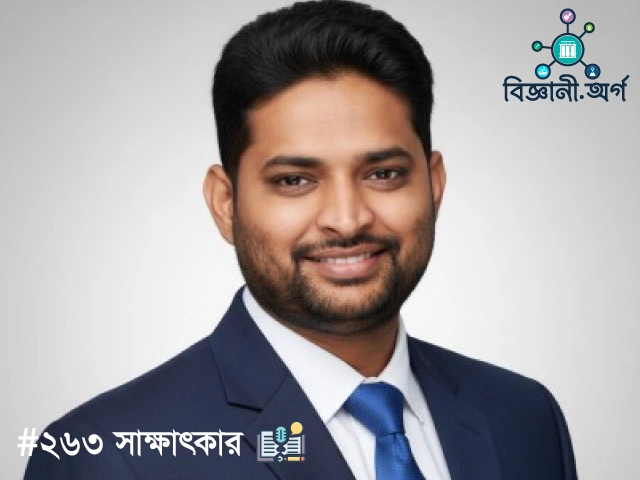
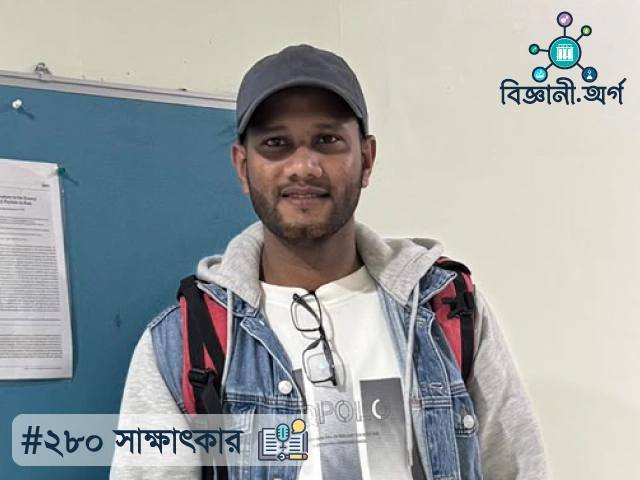
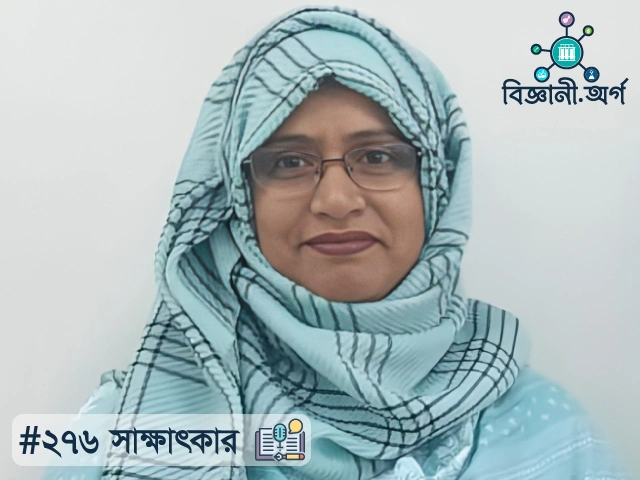
জান্নাতুল আরিফ Power Engineering and Engineering Thermophysics বিষয়ে পিএইচডি সম্পন্ন করেছেন চীনের North China Electric Power University (NCEPU), Beijing থেকে। তিনি Chinese Government Scholarship-এর আওতায় পিএইচডি গবেষণা পরিচালনা করেন। এর আগে একই বিশ্ববিদ্যালয় থেকে Electrical Engineering and Its Automation বিষয়ে Master of Engineering ডিগ্রি অর্জন করেন। তাঁর স্নাতক ডিগ্রি Electrical and Electronic Engineering বিষয়ে International Islamic University Chittagong থেকে এবং Information Technology বিষয়ে PMIT সম্পন্ন করেন Jahangirnagar University থেকে।
তাঁর গবেষণার প্রধান ক্ষেত্র পেরোভস্কাইট সোলার সেল, ফোটোভোলটাইক উপাদান, দ্বিমাত্রিক (2D) উপাদান, শক্তি সঞ্চয় এবং AI/ML-সমন্বিত উপাদান নকশা। গবেষণায় তিনি DFT calculations, machine learning এবং SCAPS-1D device simulation ব্যবহার করেছেন এবং পরীক্ষামূলক পেরোভস্কাইট সোলার সেল fabrication ও characterization-এর অভিজ্ঞতাও অর্জন করেছেন।
পিএইচডি চলাকালে তিনি NCEPU-তে Research Assistant হিসেবেও কাজ করেছেন এবং বিভিন্ন আন্তর্জাতিক গবেষণা সহযোগিতায় যুক্ত ছিলেন। বর্তমানে তিনি China Health Link-এর Vice President ও Co-founder হিসেবে আন্তর্জাতিক সহযোগিতা, গবেষণা ও উদ্ভাবনসংক্রান্ত কার্যক্রমে যুক্ত আছেন।

💬 প্রশ্নোত্তর পর্ব
প্রশ্ন: প্রথমেই আপনার সম্বন্ধে আমরা জানতে চাই।
উত্তর: ২০১৭ সালে Chinese Government Scholarship নিয়ে উচ্চশিক্ষার জন্য চীনে যাই। North China Electric Power University, Beijing থেকে Engineering বিষয়ে মাস্টার্স এবং একই বিশ্ববিদ্যালয় থেকে ২০২৬ সালে পিএইচডি ডিগ্রি অর্জন করেছি। আমার গবেষণার ক্ষেত্র ছিল পেরোভস্কাইট সোলার সেল প্রযুক্তি, নবায়নযোগ্য জ্বালানি এবং মেশিন লার্নিংভিত্তিক অপ্টিমাইজেশন। গবেষণার মূল লক্ষ্য ছিল উন্নত সৌরকোষ প্রযুক্তির কর্মদক্ষতা বৃদ্ধি এবং নবায়নযোগ্য জ্বালানির আরও কার্যকর ব্যবহার নিশ্চিত করা। গবেষণার ফলাফল হিসেবে আমার ৬টি গবেষণাপত্র আন্তর্জাতিক SCI-ইন্ডেক্সড জার্নাল এবং আন্তর্জাতিক সম্মেলনে প্রকাশিত হয়েছে।
গবেষণার পাশাপাশি বিভিন্ন সামাজিক ও স্বেচ্ছাসেবী কর্মকাণ্ডে সক্রিয়ভাবে সম্পৃক্ত ছিলাম। বাংলাদেশ-চায়না ইয়ুথ স্টুডেন্ট অ্যাসোসিয়েশনের (BCYSA) প্রেসিডেন্টসহ বিভিন্ন গুরুত্বপূর্ণ দায়িত্ব পালন করেছি। এছাড়াও প্রবাসী বাংলাদেশি শিক্ষার্থীদের কল্যাণ, সাংস্কৃতিক বিনিময় এবং বাংলাদেশ-চীন বন্ধুত্বপূর্ণ সম্পর্ক জোরদারে বিভিন্ন কার্যক্রমে অংশগ্রহণ করেছি।
ভবিষ্যতে গবেষণা, শিক্ষা এবং প্রযুক্তিনির্ভর উদ্ভাবনের মাধ্যমে দেশ ও সমাজের উন্নয়নে অবদান রাখার প্রত্যাশা রাখি। বিশেষ করে নবায়নযোগ্য জ্বালানি, টেকসই প্রযুক্তি এবং কৃত্রিম বুদ্ধিমত্তাভিত্তিক গবেষণার মাধ্যমে বাংলাদেশের জ্বালানি ও প্রযুক্তি খাতের উন্নয়নে কাজ করার আগ্রহ রয়েছে।
প্রশ্ন: আপনার গবেষণার বিষয় কী?
উত্তর: আমার গবেষণার মূল বিষয় ছিল সৌরশক্তি থেকে আরও দক্ষতার সঙ্গে বিদ্যুৎ উৎপাদনের জন্য উন্নত ধরনের সোলার সেল (Solar Cell) প্রযুক্তি নিয়ে কাজ করা। বিশেষভাবে আমি পেরোভস্কাইট সোলার সেল নামে একটি নতুন প্রজন্মের সৌরকোষ প্রযুক্তি নিয়ে গবেষণা করেছি। এই প্রযুক্তি তুলনামূলক কম খরচে তৈরি করা যায় এবং ভবিষ্যতে প্রচলিত সোলার প্যানেলের একটি কার্যকর বিকল্প হতে পারে।
গবেষণার লক্ষ্য ছিল পেরোভস্কাইট সোলার সেলের কর্মদক্ষতা (Efficiency) বৃদ্ধি করা, অর্থাৎ একই পরিমাণ সূর্যালোক থেকে আরও বেশি বিদ্যুৎ উৎপাদন করা। এজন্য আমি কম্পিউটারভিত্তিক সিমুলেশন, মেশিন লার্নিং (যেখানে কম্পিউটার ডেটা বিশ্লেষণ করে দ্রুত ও নির্ভুল সিদ্ধান্ত নিতে শেখে) এবং পরীক্ষামূলক পদ্ধতি ব্যবহার করেছি। আমার গবেষণার ফলাফল ভবিষ্যতে আরও সাশ্রয়ী, পরিবেশবান্ধব ও উচ্চক্ষমতাসম্পন্ন সৌরশক্তি প্রযুক্তি উন্নয়নে সহায়তা করতে পারে।
প্রশ্ন: আপনার গবেষণার কাজ কীভাবে আমাদের উপকৃত করছে কিংবা করবে?
উত্তর: আমার গবেষণার মূল লক্ষ্য ছিল সৌরশক্তি থেকে আরও দক্ষ ও কম খরচে বিদ্যুৎ উৎপাদনের প্রযুক্তি উন্নয়ন করা। বর্তমানে বিশ্বজুড়ে পরিচ্ছন্ন ও নবায়নযোগ্য জ্বালানির চাহিদা দ্রুত বাড়ছে। পেরোভস্কাইট সোলার সেল প্রযুক্তি তুলনামূলক কম খরচে তৈরি করা সম্ভব এবং এর বিদ্যুৎ উৎপাদন ক্ষমতাও বেশ ভালো।
আমার গবেষণার মাধ্যমে এই প্রযুক্তির কর্মদক্ষতা বৃদ্ধি এবং উন্নত নকশা নির্ধারণের উপায় খুঁজে বের করা হয়েছে। এছাড়া মেশিন লার্নিং ব্যবহার করে দ্রুত ও কার্যকরভাবে সোলার সেলের সর্বোত্তম নকশা নির্বাচন করার পদ্ধতি তৈরি করা হয়েছে, যা গবেষণার সময় ও ব্যয় কমাতে সাহায্য করতে পারে। ভবিষ্যতে এই ধরনের গবেষণা আরও সাশ্রয়ী, পরিবেশবান্ধব এবং উচ্চক্ষমতাসম্পন্ন সৌরশক্তি প্রযুক্তি উন্নয়নে অবদান রাখবে, যা জ্বালানি নিরাপত্তা নিশ্চিত করা এবং জলবায়ু পরিবর্তনের প্রভাব মোকাবিলায় সহায়ক হতে পারে।
প্রশ্ন: গবেষণা কাজের বিশেষ কোনো অভিজ্ঞতা কি আমাদের সঙ্গে শেয়ার করবেন?
উত্তর: আমার পিএইচডি গবেষণার একটি স্মরণীয় অভিজ্ঞতা ছিল পরীক্ষামূলক (Experimental) কাজ পরিচালনা করা। আমি যে উপাদান (Material) নিয়ে গবেষণা করেছি, তা নিয়ে চীনের মাত্র কয়েকটি গবেষণাগারে কাজ করা হয়। তাই গবেষণার একটি গুরুত্বপূর্ণ অংশ সম্পন্ন করার জন্য আমাকে বেইজিং থেকে প্রায় ৬০০ কিলোমিটার দূরের জিনান (Jinan) শহরে নিয়মিত যাতায়াত করতে হয়েছে।
বিশেষ করে বেইজিংয়ের তীব্র শীতের সময় এই যাত্রা বেশ চ্যালেঞ্জিং ছিল। অনেক সময় ভোরে রওনা দিতে হয়েছে এবং দীর্ঘ সময় ভ্রমণ করে পরীক্ষাগারে কাজ করতে হয়েছে। তবে এই অভিজ্ঞতা আমাকে শিখিয়েছে যে গবেষণায় সফল হতে হলে শুধু মেধা নয়, অধ্যবসায়, ধৈর্য এবং লক্ষ্যের প্রতি দৃঢ় অঙ্গীকারও অত্যন্ত গুরুত্বপূর্ণ।
আজ পেছনে তাকালে মনে হয়, সেই দীর্ঘ যাত্রা, কঠোর পরিশ্রম এবং চ্যালেঞ্জিং সময়গুলোই আমাকে একজন আরও দৃঢ় ও আত্মবিশ্বাসী গবেষক হিসেবে গড়ে তুলেছে।
প্রশ্ন: একজন বিজ্ঞানীর কী কী গুণ থাকা প্রয়োজন বলে মনে করেন?
উত্তর: আমার মতে একজন ভালো বিজ্ঞানী বা গবেষকের সবচেয়ে গুরুত্বপূর্ণ গুণ হলো কৌতূহল, ধৈর্য এবং সত্য অনুসন্ধানের মানসিকতা। বিজ্ঞান এমন একটি ক্ষেত্র, যেখানে সব সময় প্রত্যাশিত ফলাফল পাওয়া যায় না। অনেক সময় একই সমস্যার সমাধান খুঁজতে মাসের পর মাস বা বছরের পর বছর কাজ করতে হয়। তাই ধৈর্য ও অধ্যবসায় অত্যন্ত গুরুত্বপূর্ণ।
এছাড়া একজন বিজ্ঞানীর নতুন কিছু শেখার আগ্রহ থাকতে হবে এবং ভুল থেকে শিক্ষা নেওয়ার মানসিকতা থাকতে হবে। গবেষণায় ব্যর্থতা খুবই স্বাভাবিক বিষয়। অনেক সময় ব্যর্থ পরীক্ষাই নতুন আবিষ্কারের পথ দেখায়। তাই ব্যর্থতাকে ভয় না পেয়ে সেটিকে শেখার সুযোগ হিসেবে গ্রহণ করা প্রয়োজন।
আরেকটি গুরুত্বপূর্ণ গুণ হলো সততা। গবেষণার ফলাফল যাই হোক না কেন, সেটিকে সৎভাবে উপস্থাপন করা একজন গবেষকের নৈতিক দায়িত্ব।
শিক্ষার্থী ও নবীন গবেষকদের জন্য আমার পরামর্শ হলো—শুধু ভালো ফলাফলের পেছনে না ছুটে শেখার আনন্দ উপভোগ করুন, বেশি বেশি প্রশ্ন করুন এবং কৌতূহল ধরে রাখুন। আজকের ছোট একটি প্রশ্নই হয়তো আগামী দিনের বড় কোনো আবিষ্কারের সূচনা হতে পারে।
প্রশ্ন: বাংলাদেশের তরুণ শিক্ষার্থী যারা বিজ্ঞানে কাজ করতে চায়—তাদের জন্য আপনার কোনো বার্তা আছে কি?
উত্তর: বাংলাদেশের তরুণ শিক্ষার্থীদের জন্য আমার বার্তা হলো—বড় স্বপ্ন দেখুন এবং সেই স্বপ্ন বাস্তবায়নের জন্য ধারাবাহিকভাবে কাজ করে যান। বিজ্ঞান ও গবেষণার জগতে সফলতার কোনো শর্টকাট নেই; এখানে কৌতূহল, কঠোর পরিশ্রম, ধৈর্য এবং অধ্যবসায়ই সবচেয়ে বড় শক্তি।
অনেক সময় আমরা দ্রুত ফলাফল না পেলে হতাশ হয়ে পড়ি। কিন্তু গবেষণায় ব্যর্থতা মানেই শেষ নয়; বরং এটি নতুন কিছু শেখার সুযোগ। তাই ব্যর্থতাকে ভয় না পেয়ে তা থেকে শিক্ষা নিয়ে সামনে এগিয়ে যেতে হবে।
বর্তমান যুগে জ্ঞান ও প্রযুক্তির অনেক সুযোগ সবার হাতের নাগালে। তাই শুধু পাঠ্যবইয়ের মধ্যে সীমাবদ্ধ না থেকে নতুন বিষয় জানার চেষ্টা করুন, প্রশ্ন করতে শিখুন এবং বাস্তব সমস্যার সমাধান খুঁজতে আগ্রহী হোন।
সবচেয়ে গুরুত্বপূর্ণ বিষয় হলো, নিজের ওপর বিশ্বাস রাখা। বাংলাদেশের তরুণদের মেধা ও সম্ভাবনা কোনো অংশে বিশ্বের অন্য দেশের শিক্ষার্থীদের চেয়ে কম নয়। সঠিক দিকনির্দেশনা, কঠোর পরিশ্রম এবং আত্মবিশ্বাস থাকলে আন্তর্জাতিক পর্যায়েও গুরুত্বপূর্ণ অবদান রাখা সম্ভব। আমি বিশ্বাস করি, আগামী দিনের অনেক বড় বিজ্ঞানী, উদ্ভাবক ও গবেষক আমাদের তরুণ প্রজন্ম থেকেই উঠে আসবে।
যোগাযোগের তথ্য
ইমেইল: [email protected]
🔗 প্রোফাইল লিংক
🔗 লিংকডইন: https://www.linkedin.com/in/zannatularif
🎓 গুগল স্কলার: https://scholar.google.com/citations?user=sqk94PoAAAAJ&hl=en
জান্নাতুল আরিফের গবেষণায় পেরোভস্কাইট সোলার সেল, নবায়নযোগ্য জ্বালানি এবং মেশিন লার্নিংভিত্তিক উপাদান ও ডিভাইস নকশার সমন্বয় ভবিষ্যৎ পরিচ্ছন্ন জ্বালানি প্রযুক্তির সম্ভাবনাকে তুলে ধরে। গবেষণার পাশাপাশি আন্তর্জাতিক সহযোগিতা ও সামাজিক কর্মকাণ্ডে তাঁর সম্পৃক্ততাও উল্লেখযোগ্য। দীর্ঘ গবেষণাযাত্রা ও নানা প্রতিকূলতার মধ্যেও কাজ চালিয়ে যাওয়ার অভিজ্ঞতা তরুণ গবেষকদের জন্য গুরুত্বপূর্ণ শিক্ষা বহন করে। বিজ্ঞানী.অর্গ টিম জান্নাতুল আরিফের গবেষণা ও ভবিষ্যৎ কর্মযাত্রার জন্য শুভকামনা জানাচ্ছে। তাঁর গবেষণা বাংলাদেশের তরুণদের বিজ্ঞান ও নবায়নযোগ্য জ্বালানি নিয়ে কাজ করতে উৎসাহিত করুক—এই প্রত্যাশা।
Exploring New Possibilities in Perovskite Solar Cells: An Interview with Zannatul Arif
Zannatul Arif earned his PhD in Power Engineering and Engineering Thermophysics from North China Electric Power University (NCEPU), Beijing, as a recipient of the Chinese Government Scholarship. He previously completed a Master of Engineering in Electrical Engineering and Its Automation from the same university. He earned his Bachelor of Science in Electrical and Electronic Engineering from International Islamic University Chittagong and completed a PMIT in Information Technology from Jahangirnagar University.
His research focuses on perovskite solar cells, photovoltaic materials, 2D materials, energy storage, and AI/ML-integrated materials design. His research incorporates DFT calculations, machine learning, and SCAPS-1D device simulation, along with practical experience in perovskite solar cell fabrication and characterization.
During his PhD, he also worked as a Research Assistant at NCEPU, contributing to literature reviews, data analysis, scientific writing, research documentation, proposal development, and international research collaborations. He is currently serving as Vice President and Co-founder of China Health Link, where he contributes to international collaboration in healthcare, research, and innovation.
💬 Interview
Question: First, please tell us about yourself.
Answer: I went to China in 2017 for higher education with a Chinese Government Scholarship. I completed my Master’s degree in Engineering from North China Electric Power University, Beijing, and earned my PhD from the same university in 2026. My research areas included perovskite solar cell technology, renewable energy, and machine learning-based optimization. The main objective of my research was to improve the performance of advanced solar cell technologies and promote more efficient utilization of renewable energy. As a result of my research, six research papers have been published in international SCI-indexed journals and presented at international conferences.
Alongside my research, I was actively involved in various social and volunteer activities. I served in several important roles, including President of the Bangladesh-China Youth Student Association (BCYSA). I also participated in various initiatives focused on the welfare of Bangladeshi students living abroad, cultural exchange, and strengthening friendly relations between Bangladesh and China.
In the future, I hope to contribute to the development of the country and society through research, education, and technology-driven innovation. In particular, I am interested in working on the development of Bangladesh’s energy and technology sectors through research in renewable energy, sustainable technologies, and artificial intelligence.
Question: What is your research about?
Answer: My research focused on advanced solar cell technologies that can generate electricity more efficiently from solar energy. In particular, I worked on a next-generation solar cell technology known as perovskite solar cells. This technology can potentially be manufactured at a relatively low cost and may become an effective alternative to conventional solar panels in the future.
The main objective of my research was to improve the efficiency of perovskite solar cells—that is, to generate more electricity from the same amount of sunlight. For this purpose, I used computer-based simulations, machine learning, where computers learn to analyze data and make decisions more efficiently, and experimental approaches. My research findings may contribute to the development of more affordable, environmentally friendly, and high-performance solar energy technologies in the future.
Question: How does your research benefit or potentially benefit society?
Answer: The main goal of my research was to develop technologies capable of generating electricity from solar energy more efficiently and at a lower cost. The global demand for clean and renewable energy is increasing rapidly. Perovskite solar cell technology can potentially be produced at a relatively low cost while offering promising power-generation capabilities.
Through my research, I explored approaches for improving the efficiency of this technology and determining improved designs. In addition, machine learning was used to develop methods for rapidly and effectively identifying optimal solar cell designs, which can help reduce research time and cost. In the future, this type of research may contribute to the development of more affordable, environmentally friendly, and high-performance solar energy technologies, helping strengthen energy security and address the impacts of climate change.
Question: Would you like to share a memorable experience from your research work?
Answer: One of the most memorable experiences of my PhD research was conducting experimental work. Only a few laboratories in China conduct research on the material I worked with. Therefore, to complete an important part of my research, I had to regularly travel approximately 600 kilometers from Beijing to Jinan.
The journey was particularly challenging during Beijing’s severe winter. I often had to leave early in the morning and travel for a long time before working in the laboratory. However, this experience taught me that success in research requires not only intellectual ability but also perseverance, patience, and a strong commitment to one’s goals.
Looking back today, I feel that those long journeys, hard work, and challenging periods helped shape me into a more resilient and confident researcher.
Question: What qualities do you think a scientist should have?
Answer: In my opinion, the most important qualities of a good scientist or researcher are curiosity, patience, and a commitment to seeking the truth. Science is a field where expected results are not always achieved. Sometimes it takes months or even years to find a solution to a particular problem. Therefore, patience and perseverance are extremely important.
A scientist should also have a willingness to learn new things and the ability to learn from mistakes. Failure is a normal part of research. Sometimes a failed experiment can lead to a new discovery. Therefore, instead of being afraid of failure, it should be treated as an opportunity to learn.
Another important quality is integrity. Regardless of the outcome of research, presenting the findings honestly is an ethical responsibility of every researcher.
My advice to students and early-career researchers is not to focus only on achieving good results. Instead, enjoy the process of learning, ask more questions, and maintain your curiosity. A small question today may become the starting point for a major discovery tomorrow.
Question: What message would you like to give young Bangladeshi students who want to pursue science?
Answer: My message to young Bangladeshi students is to dream big and continue working consistently to turn those dreams into reality. There is no shortcut to success in science and research. Curiosity, hard work, patience, and perseverance are the greatest strengths in this field.
Often, we become frustrated when we do not see quick results. But failure in research does not mean the end; rather, it is an opportunity to learn something new. Therefore, instead of being afraid of failure, we should learn from it and move forward.
Today, knowledge and technological opportunities are more accessible than ever. Therefore, students should not limit themselves to textbooks. They should explore new subjects, learn to ask questions, and develop an interest in finding solutions to real-world problems.
Most importantly, believe in yourself. The talent and potential of young Bangladeshis are no less than those of students from other countries. With proper guidance, hard work, and confidence, it is possible to make meaningful contributions at the international level. I believe many great scientists, innovators, and researchers of the future will emerge from our younger generation.
Contact Information
Email: [email protected]
🔗 Profile Links
🔗 LinkedIn: https://www.linkedin.com/in/zannatularif
🎓 Google Scholar: https://scholar.google.com/citations?user=sqk94PoAAAAJ&hl=en
Zannatul Arif’s research combines perovskite solar cells, renewable energy, and machine learning-based materials and device design, highlighting promising directions for future clean-energy technologies. His involvement in international research collaboration and community initiatives further complements his academic work. His experience of continuing research despite demanding travel and experimental challenges also offers an important lesson for early-career researchers. The Biggani.org team wishes Zannatul Arif continued success in his research and professional journey. May his work encourage more young Bangladeshis to pursue scientific research, renewable energy, and technology-driven innovation.


Leave a comment