

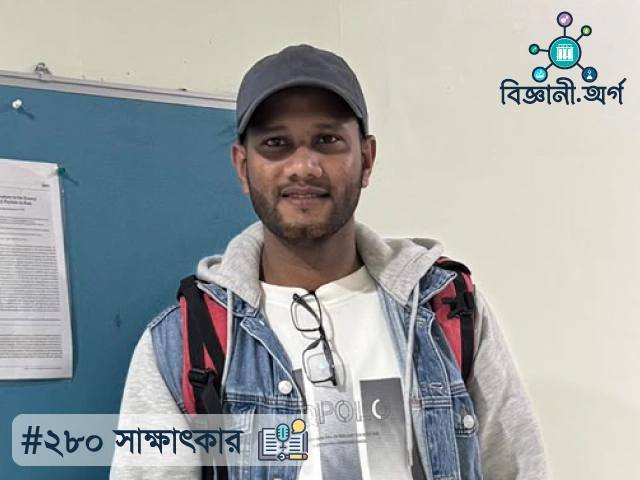
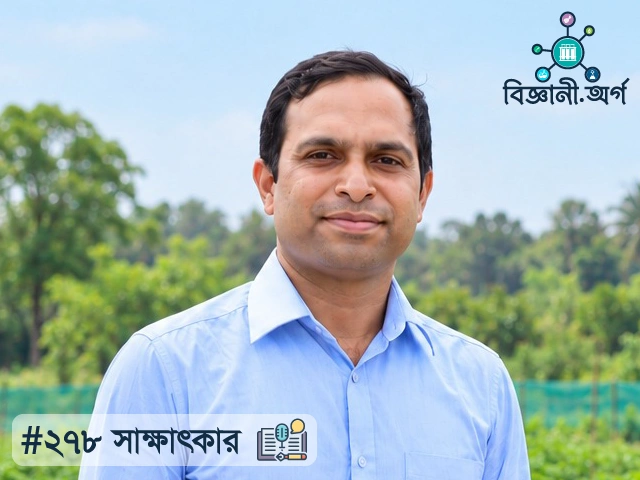
ড. মো. শরিফুল ইসলাম একজন বাংলাদেশি গবেষক, যিনি বর্তমানে জাপানের Camino Clinic, Tokyo-তে কর্মরত। তাঁর গবেষণার প্রধান ক্ষেত্র Neuroscience, Neuropharmacology, Neurophysiology এবং Cardiovascular Research। বর্তমানে তিনি Regenerative Medicine ও Stem Cell-সম্পর্কিত গবেষণার সঙ্গেও যুক্ত রয়েছেন।
মানুষের মস্তিষ্ক, স্নায়ুতন্ত্র ও হৃদ্যন্ত্রের বিভিন্ন রোগের জৈবিক প্রক্রিয়া এবং সম্ভাব্য নতুন চিকিৎসাপদ্ধতি তাঁর গবেষণার গুরুত্বপূর্ণ বিষয়। বিশেষভাবে মস্তিষ্কের কোষের কার্যক্রম, রোগের কারণে সৃষ্ট পরিবর্তন এবং ওষুধ বা নতুন চিকিৎসাপদ্ধতির মাধ্যমে এসব কার্যক্রম পুনরুদ্ধারের সম্ভাবনা নিয়ে তিনি কাজ করেছেন। মস্তিষ্ক ও হৃদ্যন্ত্রের পারস্পরিক সম্পর্কও তাঁর গবেষণার অন্যতম আগ্রহের ক্ষেত্র।

গবেষণার পাশাপাশি তিনি বৈজ্ঞানিক প্রমাণ, Critical Thinking এবং দীর্ঘমেয়াদি শেখার ওপর গুরুত্ব দেন। তাঁর গবেষণার লক্ষ্য রোগের অন্তর্নিহিত biological mechanisms সম্পর্কে জ্ঞান বৃদ্ধি এবং ভবিষ্যতে আরও কার্যকর ও নিরাপদ চিকিৎসাপদ্ধতি বিকাশে অবদান রাখা।
💬 প্রশ্নোত্তর পর্ব
প্রশ্ন: প্রথমেই আপনার সম্বন্ধে আমরা জানতে চাই।
উত্তর: আমার সম্পর্কে বলতে গেলে, আমি মূলত একজন সাধারণ মানুষ, একজন গবেষক, এবং বিজ্ঞান আমার পেশার পাশাপাশি আমার কৌতূহলেরও একটি বড় অংশ।
আমার গবেষণার মূল আগ্রহ Neuroscience, Neuropharmacology, Neurophysiology এবং Cardiovascular Research-এর বিভিন্ন ক্ষেত্রে। বর্তমানে জাপানে Regenerative Medicine ও Stem Cell-সম্পর্কিত গবেষণা নিয়েও কাজ করার সুযোগ পাচ্ছি।
আমি সবসময় চেষ্টা করি কোনো বিষয়কে শুধু প্রচলিত ধারণার ভিত্তিতে না দেখে Scientific Evidence, Critical Thinking এবং গবেষণার মাধ্যমে বোঝার। মানবদেহের জটিল Biological Mechanisms কীভাবে কাজ করে এবং সেই জ্ঞানকে ভবিষ্যতে নতুন Therapeutic Approaches তৈরিতে কীভাবে ব্যবহার করা যায়—এই বিষয়গুলো আমাকে বিশেষভাবে আকর্ষণ করে।
তবে গবেষণার ক্ষেত্রে আমার কাছে সবচেয়ে গুরুত্বপূর্ণ বিষয় হলো শেখার মানসিকতা। যত বেশি বিজ্ঞান নিয়ে কাজ করি, তত বেশি উপলব্ধি করি—জানার চেয়ে না-জানা বিষয়ই অনেক বেশি। তাই নিজেকে একজন Expert হিসেবে দেখার চেয়ে একজন Lifelong Learner হিসেবে দেখতে বেশি স্বাচ্ছন্দ্যবোধ করি।
প্রশ্ন: আপনার গবেষণার বিষয় কী?
উত্তর: আমার গবেষণার প্রধান ক্ষেত্র হলো মানুষের মস্তিষ্ক, স্নায়ুতন্ত্র এবং হৃদ্যন্ত্রের বিভিন্ন রোগের ক্ষেত্রে নতুন চিকিৎসাপদ্ধতি নিয়ে গবেষণা। বিশেষ করে, মস্তিষ্কের কোষ কীভাবে কাজ করে, বিভিন্ন রোগে এগুলোর স্বাভাবিক কার্যক্রম কীভাবে পরিবর্তিত হয় এবং ওষুধ বা নতুন চিকিৎসাপদ্ধতির মাধ্যমে কীভাবে সেই কার্যক্রমকে স্বাভাবিক অবস্থায় ফিরিয়ে আনা যায়—এসব বিষয় নিয়ে আমি কাজ করেছি।
আমার গবেষণার একটি গুরুত্বপূর্ণ অংশ হলো Neuroscience বা স্নায়ুবিজ্ঞান। সহজভাবে বললে, মানুষের মস্তিষ্ক ও স্নায়ুতন্ত্র কীভাবে আমাদের চিন্তা, স্মৃতি, চলাফেরা এবং শরীরের বিভিন্ন কাজ নিয়ন্ত্রণ করে—তা বোঝাই এই গবেষণার মূল উদ্দেশ্য।
এর পাশাপাশি, মস্তিষ্ক ও হৃদ্যন্ত্রের মধ্যে যে ঘনিষ্ঠ সম্পর্ক রয়েছে, সেটিও আমার গবেষণার একটি গুরুত্বপূর্ণ আগ্রহের বিষয়। আমাদের মস্তিষ্ক ও স্নায়ুতন্ত্র হৃদ্যন্ত্রের স্পন্দন, রক্তচাপ এবং রক্তনালির কার্যক্রম নিয়ন্ত্রণে গুরুত্বপূর্ণ ভূমিকা রাখে। আবার হৃদ্যন্ত্র ও রক্তনালির বিভিন্ন রোগ মস্তিষ্কে রক্ত ও অক্সিজেন সরবরাহের ওপর প্রভাব ফেলতে পারে, যার ফলে স্ট্রোক, স্মৃতিশক্তির সমস্যা বা অন্যান্য স্নায়বিক জটিলতার ঝুঁকি বাড়তে পারে। তাই মস্তিষ্ক ও হৃদ্যন্ত্রকে আলাদাভাবে না দেখে তাদের পারস্পরিক সম্পর্ক বোঝা আধুনিক চিকিৎসাবিজ্ঞানের একটি গুরুত্বপূর্ণ বিষয়।
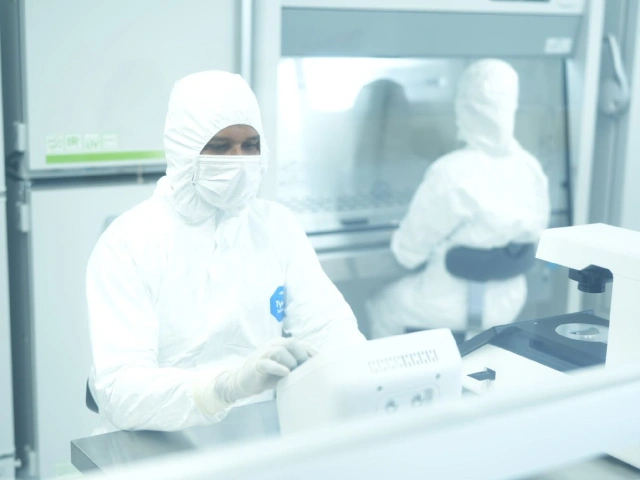
বর্তমানে আমি Regenerative Medicine বা পুনর্জন্মমূলক চিকিৎসা নিয়েও কাজ করছি। এর মূল ধারণা হলো—শরীরের নিজস্ব কোষ বা বিশেষ ধরনের কোষের সাহায্যে ক্ষতিগ্রস্ত কোষ ও টিস্যুর কার্যক্ষমতা পুনরুদ্ধার করা এবং ভবিষ্যতে নতুন ধরনের চিকিৎসার সুযোগ তৈরি করা। এই কাজের সঙ্গে Stem Cell বা স্টেম সেল গবেষণাও জড়িত, যা ভবিষ্যতের চিকিৎসাবিজ্ঞানে একটি গুরুত্বপূর্ণ গবেষণাক্ষেত্র।
সহজভাবে বলতে গেলে, আমার গবেষণার লক্ষ্য হলো—মস্তিষ্ক, স্নায়ুতন্ত্র ও হৃদ্যন্ত্র কীভাবে একে অপরের সঙ্গে কাজ করে এবং বিভিন্ন রোগে এই ব্যবস্থাগুলো কীভাবে প্রভাবিত হয়, তা আরও ভালোভাবে বোঝা। পাশাপাশি, এই জ্ঞান ব্যবহার করে ভবিষ্যতে রোগ নির্ণয় ও চিকিৎসার আরও কার্যকর এবং নিরাপদ পদ্ধতি তৈরিতে অবদান রাখা।
প্রশ্ন: আপনার গবেষণার কাজগুলো কীভাবে আমাদের উপকৃত করছে কিংবা করবে?
উত্তর: আমার গবেষণার মূল লক্ষ্য হলো মানুষের মস্তিষ্ক, স্নায়ুতন্ত্র ও হৃদ্যন্ত্রের মধ্যে সম্পর্ক আরও ভালোভাবে বোঝা এবং এসব অঙ্গের বিভিন্ন রোগের জন্য ভবিষ্যতে আরও কার্যকর চিকিৎসার পথ তৈরি করা। এই গবেষণার উপকারিতা কয়েকটি সহজ উদাহরণের মাধ্যমে বোঝানো যায়।
১. মস্তিষ্ক ও হৃদ্যন্ত্রের সম্পর্ক বোঝা
মস্তিষ্ক ও হৃদ্যন্ত্র একে অপরের সঙ্গে ঘনিষ্ঠভাবে কাজ করে। যেমন, দীর্ঘদিন উচ্চ রক্তচাপ বা হৃদ্যন্ত্রের কিছু রোগ থাকলে মস্তিষ্কে রক্ত ও অক্সিজেন সরবরাহ ব্যাহত হতে পারে এবং স্ট্রোক বা স্মৃতিশক্তি কমে যাওয়ার ঝুঁকি বাড়তে পারে। আবার মস্তিষ্কের কিছু সমস্যা হৃদ্স্পন্দন ও রক্তচাপ নিয়ন্ত্রণেও প্রভাব ফেলতে পারে।
আমার গবেষণার মাধ্যমে এই পারস্পরিক সম্পর্ক ও রোগের প্রক্রিয়াগুলো আরও ভালোভাবে বোঝা গেলে ভবিষ্যতে হৃদ্রোগ ও স্নায়বিক রোগের ঝুঁকি আগে শনাক্ত করা এবং আরও নির্দিষ্ট চিকিৎসা তৈরি করার সুযোগ তৈরি হতে পারে।
২. মস্তিষ্কের রোগের নতুন চিকিৎসার সম্ভাবনা
মস্তিষ্কের কোষ ক্ষতিগ্রস্ত হলে অনেক ক্ষেত্রে সেগুলো আগের মতো কার্যক্ষম করা কঠিন। যেমন, স্ট্রোকের পর মস্তিষ্কের একটি অংশ ক্ষতিগ্রস্ত হলে রোগীর কথা বলা, হাঁটা বা হাত-পা নাড়ানোর ক্ষমতা কমে যেতে পারে।
আমার গবেষণার একটি লক্ষ্য হলো—মস্তিষ্কের কোষ কীভাবে ক্ষতিগ্রস্ত হয় এবং কীভাবে তাদের কার্যক্ষমতা রক্ষা বা পুনরুদ্ধার করা সম্ভব, তা বোঝা। ভবিষ্যতে এই জ্ঞান নতুন ওষুধ বা পুনর্জন্মমূলক চিকিৎসা তৈরিতে কাজে লাগতে পারে।
৩. Regenerative Medicine ও Stem Cell গবেষণার সম্ভাবনা
Regenerative Medicine-এর মূল ধারণা হলো ক্ষতিগ্রস্ত কোষ বা টিস্যুর কার্যক্ষমতা পুনরুদ্ধারে শরীরের নিজস্ব ক্ষমতা বা বিশেষ ধরনের কোষকে কাজে লাগানো।
উদাহরণ হিসেবে বলা যায়, কোনো রোগে নির্দিষ্ট কোষ ক্ষতিগ্রস্ত হলে শুধু উপসর্গ কমানোর পরিবর্তে সেই কোষের কার্যক্ষমতা কীভাবে পুনরুদ্ধার করা যায়—এটি ভবিষ্যতের চিকিৎসাবিজ্ঞানের একটি গুরুত্বপূর্ণ প্রশ্ন। Stem Cell গবেষণা এই সম্ভাবনাকে আরও এগিয়ে নিতে পারে।
৪. রোগের চিকিৎসার পাশাপাশি রোগ বোঝার সুযোগ
একটি রোগের জন্য ওষুধ তৈরি করার আগে আমাদের জানতে হয় রোগটি কেন হচ্ছে এবং শরীরের কোন পরিবর্তনের কারণে রোগটি তৈরি হচ্ছে। আমার গবেষণার মাধ্যমে রোগের পেছনে থাকা Biological Mechanisms বা শরীরের ভেতরের পরিবর্তনগুলো বোঝার চেষ্টা করা হয়।
যেমন, কোনো ওষুধ যদি মস্তিষ্কের একটি নির্দিষ্ট প্রক্রিয়াকে পরিবর্তন করে রোগের লক্ষণ কমাতে পারে, তাহলে সেই প্রক্রিয়াটি ভবিষ্যতে আরও উন্নত চিকিৎসার লক্ষ্য হতে পারে।
৫. ভবিষ্যতের ব্যক্তিকেন্দ্রিক চিকিৎসার পথ তৈরি
ভবিষ্যতের চিকিৎসাবিজ্ঞান এমন একটি ব্যবস্থার দিকে এগোচ্ছে যেখানে একই রোগের সব রোগীকে একইভাবে চিকিৎসা না করে রোগীর শরীর ও রোগের বৈশিষ্ট্য অনুযায়ী চিকিৎসা নির্বাচন করা হবে। মস্তিষ্ক, স্নায়ুতন্ত্র ও হৃদ্যন্ত্রের রোগের Biological Mechanisms সম্পর্কে আরও ভালো জ্ঞান এই ধরনের উন্নত চিকিৎসা তৈরিতে সহায়তা করতে পারে।
সবচেয়ে গুরুত্বপূর্ণ বিষয় হলো, গবেষণাগারে পাওয়া কোনো ফলাফল সরাসরি রোগীর চিকিৎসায় ব্যবহার করা যায় না। দীর্ঘ সময় ধরে পরীক্ষাগার গবেষণা, প্রাক-ক্লিনিক্যাল পরীক্ষা এবং ক্লিনিক্যাল ট্রায়ালের মাধ্যমে এর কার্যকারিতা ও নিরাপত্তা যাচাই করতে হয়।
সহজভাবে বলতে গেলে, আমার গবেষণা আজকের রোগকে শুধু বোঝার চেষ্টা করছে না; বরং ভবিষ্যতে কীভাবে রোগ আরও আগে শনাক্ত করা যায়, কীভাবে আরও নির্দিষ্ট ও নিরাপদ চিকিৎসা তৈরি করা যায় এবং কীভাবে ক্ষতিগ্রস্ত কোষ বা টিস্যুর কার্যক্ষমতা পুনরুদ্ধারের সম্ভাবনা তৈরি করা যায়—সেই পথ তৈরিতে কাজ করছে।
প্রশ্ন: গবেষণার কাজের বিশেষ কোনো অভিজ্ঞতা কি আমাদের সঙ্গে শেয়ার করবেন?
উত্তর: গবেষণার একটি অভিজ্ঞতা আমাকে বিশেষভাবে প্রভাবিত করেছে—অনেক সময় দিনের পর দিন পরীক্ষা করেও প্রত্যাশিত ফল পাওয়া যায় না। শুরুতে এটাকে ব্যর্থতা মনে হলেও পরে বুঝেছি, গবেষণায় ব্যর্থ ফলাফলও গুরুত্বপূর্ণ, কারণ সেটি আমাদের নতুনভাবে প্রশ্ন করতে ও সমস্যার কারণ খুঁজতে শেখায়।
বিশেষ করে মানুষের রোগ ও চিকিৎসা নিয়ে কাজ করতে গিয়ে উপলব্ধি করেছি, গবেষণাগারে করা ছোট একটি কাজও ভবিষ্যতে মানুষের জীবনে বড় প্রভাব ফেলতে পারে। এই উপলব্ধিই আমাকে আরও ধৈর্যশীল করেছে এবং গবেষণার প্রতি আমার দায়বদ্ধতা বাড়িয়েছে।
আমার কাছে গবেষণার সবচেয়ে বড় শিক্ষা হলো—সঠিক প্রশ্ন করা, প্রমাণের প্রতি সৎ থাকা এবং শেষ পর্যন্ত মানুষের উপকারে জ্ঞানকে কাজে লাগানোর চেষ্টা করা।
প্রশ্ন: একজন বিজ্ঞানীর কী কী গুণ থাকা প্রয়োজন বলে মনে করেন?
উত্তর: আমি মনে করি, একজন ভালো বিজ্ঞানীর জন্য শুধু মেধাবী হওয়াই যথেষ্ট নয়; বরং কৌতূহলী, ধৈর্যশীল, সৎ এবং প্রশ্ন করতে সাহসী হওয়া সবচেয়ে গুরুত্বপূর্ণ।
প্রথমত, কৌতূহল থাকতে হবে—“কেন?” এবং “কীভাবে?” এই প্রশ্নগুলো করার অভ্যাস একজন গবেষককে নতুন কিছু আবিষ্কারের দিকে নিয়ে যায়।
দ্বিতীয়ত, ধৈর্য ও অধ্যবসায় খুব জরুরি। গবেষণায় অনেক পরীক্ষা ব্যর্থ হবে, প্রত্যাশিত ফল পাওয়া যাবে না। ব্যর্থতাকে হতাশা হিসেবে না দেখে শেখার সুযোগ হিসেবে নিতে হবে।
তৃতীয়ত, বৈজ্ঞানিক সততা বজায় রাখতে হবে। নিজের ধারণার সঙ্গে ফলাফল না মিললেও তথ্যকে পরিবর্তন বা গোপন না করে সত্যকে মেনে নেওয়াই একজন বিজ্ঞানীর অন্যতম বড় গুণ।
এর পাশাপাশি Critical Thinking, অর্থাৎ কোনো তথ্যকে অন্ধভাবে বিশ্বাস না করে প্রমাণ যাচাই করার অভ্যাস এবং নতুন কিছু শেখার মানসিকতা থাকা দরকার। বর্তমান বিজ্ঞান খুব দ্রুত পরিবর্তিত হচ্ছে, তাই একজন গবেষককে সারা জীবন শিখতে হয়।
নবীন গবেষকদের আমি বিশেষভাবে বলব—শুধু ভালো ফলাফল পাওয়ার চেষ্টা না করে ভালো প্রশ্ন করতে শিখুন, গবেষণার পদ্ধতি বুঝুন এবং কেন একটি ফলাফল হলো তা জানতে চেষ্টা করুন। একজন ভালো বিজ্ঞানী শুধু উত্তর খোঁজেন না; তিনি এমন প্রশ্ন তৈরি করেন, যার উত্তর খুঁজতে গিয়ে নতুন জ্ঞানের সৃষ্টি হয়।
প্রশ্ন: বাংলাদেশের তরুণ শিক্ষার্থী যারা বিজ্ঞানে কাজ করতে চায়—তাদের জন্য আপনার কোনো বার্তা আছে কি?
উত্তর: বাংলাদেশের তরুণ শিক্ষার্থীদের জন্য আমার বার্তা হলো—বিজ্ঞানে আসার জন্য অসাধারণ প্রতিভার চেয়ে কৌতূহল, ধৈর্য এবং শেখার আগ্রহ বেশি গুরুত্বপূর্ণ।
শুরুতেই বড় কোনো আবিষ্কার করার চাপ নেওয়ার দরকার নেই। ছোট ছোট প্রশ্ন দিয়ে শুরু করুন, নিয়মিত পড়াশোনা করুন, বৈজ্ঞানিক গবেষণাপত্র পড়ার অভ্যাস তৈরি করুন এবং কোনো বিষয় না বুঝলে প্রশ্ন করতে দ্বিধা করবেন না। গবেষণায় ব্যর্থতা আসবেই; সেটাকে নিজের অযোগ্যতা না ভেবে শেখার একটি অংশ হিসেবে গ্রহণ করুন।
বর্তমানে ইন্টারনেট ও অনলাইন রিসোর্সের কারণে বাংলাদেশের একজন শিক্ষার্থীর জন্য বিশ্বের সেরা গবেষণার সঙ্গে পরিচিত হওয়ার সুযোগ আগের চেয়ে অনেক বেশি। তাই নিজের সীমাবদ্ধতার দিকে না তাকিয়ে নিজের দক্ষতা, যোগাযোগ এবং গবেষণার চিন্তাভাবনা তৈরি করার দিকে মনোযোগ দিন।
সবচেয়ে গুরুত্বপূর্ণ হলো—বিজ্ঞানকে শুধু ক্যারিয়ার হিসেবে নয়, সত্যকে জানার এবং মানুষের উপকারে জ্ঞানকে কাজে লাগানোর একটি মাধ্যম হিসেবে দেখুন। আজকের একজন কৌতূহলী শিক্ষার্থীই আগামী দিনের বিজ্ঞানী, গবেষক কিংবা উদ্ভাবক হতে পারে।
🔗 প্রোফাইল লিংক
🔗 লিংকডইন: linkedin.com/in/md-sharyful-islam-ph-d-514043119
🌐 ব্যক্তিগত ওয়েবসাইট: sites.google.com/view/sharyfulneuroscientist
Contact Info
📧 ইমেইল: [email protected]
ড. মো. শরিফুল ইসলামের গবেষণার আগ্রহ মস্তিষ্ক, স্নায়ুতন্ত্র, হৃদ্যন্ত্র এবং Regenerative Medicine-এর মতো গুরুত্বপূর্ণ গবেষণাক্ষেত্রকে কেন্দ্র করে গড়ে উঠেছে। রোগের অন্তর্নিহিত Biological Mechanisms বোঝার পাশাপাশি ভবিষ্যতের চিকিৎসাপদ্ধতির সম্ভাবনা অনুসন্ধান তাঁর গবেষণার একটি গুরুত্বপূর্ণ দিক। গবেষণায় বৈজ্ঞানিক সততা, কৌতূহল ও ধারাবাহিক শেখার ওপর তাঁর গুরুত্ব তরুণ গবেষকদের জন্য প্রাসঙ্গিক। বিজ্ঞানী.অর্গ টিম তাঁর গবেষণাকর্মের জন্য শুভকামনা জানায়। তাঁর গবেষণা ও অভিজ্ঞতা বাংলাদেশের তরুণ শিক্ষার্থীদের বিজ্ঞানচর্চায় আগ্রহী হতে সহায়ক হোক।
Exploring the Interconnection of the Brain, Nervous System, and Heart — Dr. Md. Sharyful Islam
Dr. Md. Sharyful Islam is a Bangladeshi researcher currently working at Camino Clinic, Tokyo, Japan. His primary research interests include Neuroscience, Neuropharmacology, Neurophysiology, and Cardiovascular Research. He is also involved in research related to Regenerative Medicine and Stem Cells in Japan.
His research focuses on understanding the biological mechanisms underlying diseases of the brain, nervous system, and cardiovascular system, as well as exploring potential approaches for developing new treatments. His work includes studying how brain cells function, how their normal activities change in different diseases, and how drugs or emerging therapeutic approaches may help restore or protect these functions.
The relationship between the brain and cardiovascular system is another important area of his research interest. He also focuses on understanding disease mechanisms and the potential applications of regenerative medicine in restoring damaged cells and tissues.
Alongside his research activities, Dr. Sharyful Islam emphasizes scientific evidence, critical thinking, scientific integrity, and lifelong learning. His research aims to contribute to a better understanding of human biological systems and to the development of safer and more effective approaches to disease diagnosis and treatment.
💬 Interview
Question: First, we would like to know about you.
Answer: I am essentially an ordinary person, a researcher, and someone for whom science is not only a profession but also a major part of my curiosity.
My main research interests include Neuroscience, Neuropharmacology, Neurophysiology, and Cardiovascular Research. Currently, I also have the opportunity to work on Regenerative Medicine and Stem Cell-related research in Japan.
I always try to understand a subject not simply through conventional ideas but through scientific evidence, critical thinking, and research. I am particularly interested in understanding how the complex biological mechanisms of the human body work and how this knowledge can be used to develop new therapeutic approaches in the future.
However, the most important aspect of research for me is having a mindset of continuous learning. The more I work with science, the more I realize that there are far more things we do not know than we do know. Therefore, rather than considering myself an expert, I feel more comfortable seeing myself as a lifelong learner.
Question: What is your area of research?
Answer: My main research area involves investigating new treatment approaches for various diseases affecting the human brain, nervous system, and cardiovascular system. In particular, I have worked on understanding how brain cells function, how their normal activities change in different diseases, and how drugs or new therapeutic approaches may help restore their normal functions.
A major part of my research is Neuroscience. Simply put, the central objective of this field is to understand how the human brain and nervous system control our thoughts, memory, movement, and various bodily functions.
In addition, the close relationship between the brain and the heart is an important area of my research interest. The brain and nervous system play significant roles in regulating heartbeat, blood pressure, and blood vessel function. At the same time, various cardiovascular diseases can affect the supply of blood and oxygen to the brain, potentially increasing the risk of stroke, memory problems, and other neurological complications. Therefore, understanding the interaction between the brain and heart rather than studying them separately is an important area of modern medical research.
Currently, I am also working on Regenerative Medicine. The basic concept is to use the body’s own cells or specialized cells to restore the function of damaged cells and tissues and to create possibilities for new forms of treatment in the future. This area is also closely related to Stem Cell research, which is an important field of investigation for the future of medicine.
Simply put, my research aims to better understand how the brain, nervous system, and heart work together and how these systems are affected by different diseases. At the same time, I hope to contribute to developing more effective and safer approaches to disease diagnosis and treatment in the future.
Question: How can your research benefit us now or in the future?
Answer: The primary goal of my research is to better understand the relationship between the human brain, nervous system, and heart and to help develop more effective treatment approaches for diseases affecting these systems in the future. The potential benefits of this research can be explained through several examples.
1. Understanding the relationship between the brain and heart
The brain and heart work closely together. For example, long-term high blood pressure or certain cardiovascular diseases can affect the supply of blood and oxygen to the brain, potentially increasing the risk of stroke or cognitive decline. Similarly, certain neurological problems can affect the regulation of heartbeat and blood pressure.
A better understanding of these interactions and disease mechanisms may eventually create opportunities for earlier identification of cardiovascular and neurological risks and for developing more targeted treatments.
2. Potential for new treatments for brain diseases
When brain cells are damaged, restoring their normal function can be difficult in many cases. For example, damage to a particular area of the brain following a stroke may reduce a person’s ability to speak, walk, or move their limbs.
One of the goals of my research is to understand how brain cells become damaged and how their function can potentially be protected or restored. In the future, this knowledge may contribute to the development of new drugs or regenerative treatments.
3. Potential of Regenerative Medicine and Stem Cell Research
The basic concept of Regenerative Medicine is to use the body’s natural capabilities or specialized cells to restore the function of damaged cells or tissues.
For example, when specific cells are damaged by a disease, an important question for future medicine is not only how to reduce the symptoms but also how to restore the function of those cells. Stem Cell research may help advance this possibility.
4. Understanding diseases alongside treating them
Before developing a treatment for a disease, we need to understand why the disease occurs and what changes within the body cause it. My research attempts to understand the biological mechanisms underlying diseases.
For example, if a drug can reduce disease symptoms by modifying a particular process in the brain, that process may become a potential target for developing improved treatments in the future.
5. Creating pathways toward personalized medicine
Modern medicine is moving toward approaches where patients with the same disease may not necessarily receive identical treatments. Instead, treatment may be selected based on individual biological and disease characteristics. A better understanding of the biological mechanisms of diseases affecting the brain, nervous system, and heart may contribute to developing such advanced treatment approaches.
Most importantly, a result obtained in a laboratory cannot be directly applied to patient treatment. Its effectiveness and safety must be evaluated through extensive laboratory research, preclinical studies, and clinical trials.
Simply put, my research is not only focused on understanding diseases today; it also seeks to contribute to understanding how diseases can be detected earlier, how more specific and safer treatments can be developed, and how the function of damaged cells or tissues might eventually be restored.
Question: Would you like to share any particular experience from your research work?
Answer: One research experience has particularly influenced me. Sometimes, even after conducting experiments for days, we do not obtain the expected results. Initially, this may seem like a failure, but later I realized that negative or unexpected results are also important in research because they teach us to ask new questions and investigate the reasons behind a problem.
Working on human diseases and treatments has also made me realize that even a small piece of work conducted in a laboratory can potentially have a significant impact on people’s lives in the future. This realization has made me more patient and strengthened my sense of responsibility toward research.
For me, the greatest lessons from research are to ask the right questions, remain honest with the evidence, and continue trying to use knowledge for the benefit of humanity.
Question: What qualities do you think a scientist should have?
Answer: I believe that being academically talented alone is not enough to become a good scientist. Curiosity, patience, honesty, and the courage to ask questions are among the most important qualities.
First, one needs curiosity. Developing the habit of asking “Why?” and “How?” can lead a researcher toward new discoveries.
Second, patience and perseverance are essential. Many experiments will fail in research, and expected results will not always be obtained. Failure should be viewed as an opportunity to learn rather than simply as a source of frustration.
Third, scientific integrity must be maintained. Even when the results do not match one’s expectations, accepting the evidence rather than altering or hiding the data is one of the most important qualities of a scientist.
In addition, Critical Thinking—the habit of verifying evidence rather than accepting information blindly—and a willingness to learn new things are essential. Science is changing rapidly, so researchers need to continue learning throughout their careers.
I would especially advise young researchers not to focus only on obtaining good results. Learn to ask good questions, understand research methods, and try to determine why a particular result occurred. A good scientist does not simply search for answers; they develop questions that lead to the creation of new knowledge.
Question: What message would you like to give to young Bangladeshi students who want to work in science?
Answer: My message to young Bangladeshi students is that curiosity, patience, and a willingness to learn are more important for entering science than extraordinary talent.
There is no need to put pressure on yourself to make a major discovery at the beginning. Start with small questions, study regularly, develop the habit of reading scientific research papers, and do not hesitate to ask questions when you do not understand something. Failure is inevitable in research; instead of considering it a sign of inadequacy, accept it as part of the learning process.
Today, access to the internet and online resources gives Bangladeshi students more opportunities than ever before to become familiar with leading research from around the world. Therefore, rather than focusing on your limitations, concentrate on developing your skills, communication abilities, and research-oriented thinking.
Most importantly, view science not only as a career but also as a means of understanding truth and using knowledge for the benefit of humanity. Today’s curious student can become tomorrow’s scientist, researcher, or innovator.
🔗 Profile Links
🔗 LinkedIn: linkedin.com/in/md-sharyful-islam-ph-d-514043119
🌐 Personal Website: sites.google.com/view/sharyfulneuroscientist
Contact Info
📧 Email: [email protected]
Dr. Md. Sharyful Islam’s research interests encompass important areas including the brain, nervous system, cardiovascular system, and Regenerative Medicine. His work focuses on understanding underlying biological mechanisms while exploring potential approaches for future medical treatments. His emphasis on scientific integrity, curiosity, and continuous learning offers relevant lessons for young researchers. The Biggani.org team wishes him continued success in his research. May his research experience and scientific journey encourage young Bangladeshi students to pursue science and research.




Leave a comment