


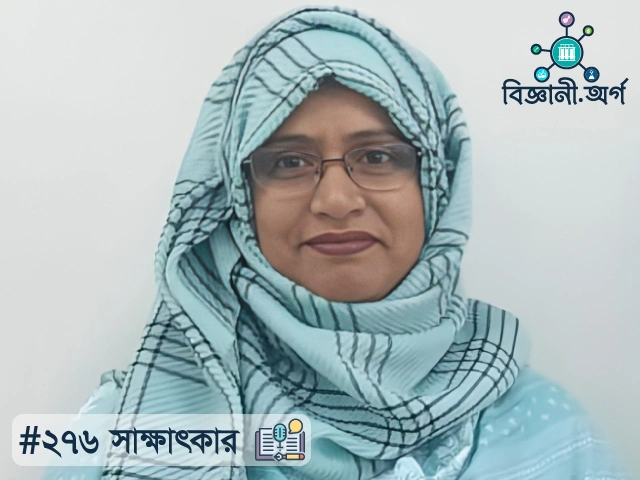
ড. মোসাম্মৎ শাহিনারা বেগম একজন বাংলাদেশি গবেষক ও প্রকৌশলী। তিনি বাংলাদেশ কৃষি উন্নয়ন কর্পোরেশন—বিএডিসি-তে নির্বাহী প্রকৌশলী হিসেবে কর্মরত। তাঁর কর্মস্থল ঢাকা, বাংলাদেশ। লিংকডইন জীবনবৃত্তান্ত অনুযায়ী তিনি ২০০৬ সালের এপ্রিল থেকে বিএডিসির সঙ্গে যুক্ত এবং প্রকল্প প্রকৌশল, প্রকৌশল ব্যবস্থাপনা ও নির্বাহী পর্যায়ের ব্যবস্থাপনায় তাঁর অভিজ্ঞতা রয়েছে।
তিনি ২০০৪ সালে বাংলাদেশ কৃষি বিশ্ববিদ্যালয় থেকে কৃষি প্রকৌশলে স্নাতক, ২০০৯ সালে বাংলাদেশ প্রকৌশল বিশ্ববিদ্যালয়—বুয়েট থেকে পরিবেশ প্রকৌশলে স্নাতকোত্তর এবং ২০২২ সালে বুয়েটের পানি ও বন্যা ব্যবস্থাপনা ইনস্টিটিউট থেকে পিএইচডি সম্পন্ন করেন। তাঁর পিএইচডি গবেষণার বিষয় ছিল দক্ষ পানি ব্যবস্থাপনার মাধ্যমে জলবায়ু পরিবর্তনের সঙ্গে অভিযোজনের উপায় হিসেবে নগর ছাদকৃষির সম্ভাবনা। তাঁর গবেষণার ক্ষেত্রের মধ্যে রয়েছে নগর এলাকায় জলবায়ু পরিবর্তনের প্রভাব, নগর পানি সম্পদ, নগর পরিবেশ, কৃষিতে পানি ব্যবস্থাপনা এবং কৃষিতে দূর অনুধাবন প্রযুক্তির ব্যবহার। বর্তমানে তিনি কৃষি পানি ব্যবস্থাপনা, উপকূলীয় অঞ্চলে জলবায়ু পরিবর্তনভিত্তিক প্রকল্প প্রস্তুতি এবং চতুর্থ শিল্পবিপ্লবভিত্তিক প্রকল্প প্রস্তুতির কাজের সঙ্গেও যুক্ত।

💬 প্রশ্নোত্তর পর্ব
প্রশ্ন: আপনার গবেষণার মূল বিষয় কী?
উত্তর: আমার গবেষণার মূল লক্ষ্য হলো নগরের ছাদে কীভাবে দক্ষ ও টেকসইভাবে পানি ব্যবহার করে সবজি উৎপাদন করা যায়, তা অনুসন্ধান করা। নগর এলাকায় জনসংখ্যা বাড়ার সঙ্গে সঙ্গে কৃষিজমির পরিমাণ কমছে, অথচ তাজা সবজির চাহিদা বৃদ্ধি পাচ্ছে। এ অবস্থায় অব্যবহৃত ছাদকে খাদ্য উৎপাদনের উপযোগী স্থানে রূপান্তর করার একটি সম্ভাব্য উপায় হলো ছাদকৃষি।
আমার গবেষণার একটি গুরুত্বপূর্ণ অংশ হলো দক্ষ সেচব্যবস্থা—অর্থাৎ অপ্রয়োজনীয় পানির অপচয় না করে সঠিক সময়ে গাছকে প্রয়োজনীয় পরিমাণ পানি দেওয়া। এ জন্য আমি ভূগর্ভস্থ পানি, বৃষ্টির পানি এবং উপযুক্তভাবে পরিশোধিত গৃহস্থালি ব্যবহৃত পানি বা গ্রে-ওয়াটারের সম্ভাব্য ব্যবহার নিয়ে গবেষণা করেছি এবং ছাদে ফসল উৎপাদনে এগুলো কীভাবে নিরাপদে ব্যবহার করা যায় তা অনুসন্ধান করেছি।
এ ছাড়া মাটির আর্দ্রতা, ফসলের পানির ব্যবহার, সেচের প্রয়োজনীয়তা এবং পানি উৎপাদনশীলতা পর্যবেক্ষণ করেছি। পানি উৎপাদনশীলতা বলতে একটি নির্দিষ্ট পরিমাণ পানি ব্যবহার করে কতটা ফসল উৎপাদন করা যায়, তা বোঝায়। এসব পরিমাপের মাধ্যমে কম পানি ব্যবহার করে কীভাবে বেশি খাদ্য উৎপাদন করা যায়, সে বিষয়ে কার্যকর পদ্ধতি নির্ধারণ করা সম্ভব।
সামগ্রিকভাবে আমার গবেষণার লক্ষ্য হলো ছাদকৃষির জন্য এমন একটি বাস্তবসম্মত ও টেকসই পানি ব্যবস্থাপনা পদ্ধতি তৈরি করা, যা নগরের খাদ্য উৎপাদন বাড়াবে, স্বাদু পানির ব্যবহার কমাবে এবং জলবায়ু সহনশীল নগর গড়তে সহায়তা করবে।
প্রশ্ন: আপনার গবেষণা সমাজের জন্য কী ধরনের উপকার বয়ে আনতে পারে?
উত্তর: আমার গবেষণা সীমিত পানি সম্পদের দক্ষ ব্যবহার নিশ্চিত করার পাশাপাশি নগর এলাকায় তাজা সবজি উৎপাদনে সহায়তা করতে পারে। ছাদকৃষির মাধ্যমে শহরের অব্যবহৃত স্থানকে উৎপাদনশীল কাজে ব্যবহার করা সম্ভব এবং জনসংখ্যা বৃদ্ধির সঙ্গে সঙ্গে স্থানীয়ভাবে উৎপাদিত খাদ্যের প্রাপ্যতা বাড়ানোর ক্ষেত্রেও এটি ভূমিকা রাখতে পারে।
গবেষণাটির আরেকটি গুরুত্বপূর্ণ দিক হলো জলবায়ু পরিবর্তনের সঙ্গে অভিযোজন। জলবায়ু পরিবর্তনের কারণে পানির সংকট, অনিয়মিত বৃষ্টিপাত, অতিরিক্ত তাপমাত্রা এবং খাদ্য উৎপাদনের ওপর চাপ বাড়ছে। দক্ষ সেচব্যবস্থা এবং বৃষ্টির পানি ও উপযুক্তভাবে পরিশোধিত গ্রে-ওয়াটারের মতো বিকল্প পানির উৎস ব্যবহারের মাধ্যমে নগর কৃষিতে স্বাদু পানির ওপর চাপ কমানো সম্ভব।
ছাদকৃষি জলবায়ু সহনশীল নগর গড়তেও ভূমিকা রাখতে পারে। এটি নগরে অতিরিক্ত সবুজ স্থান সৃষ্টি করে, অব্যবহৃত এলাকাকে উৎপাদনশীল কাজে ব্যবহার করে এবং বৃষ্টির পানি ব্যবস্থাপনায় সহায়তা করতে পারে। পানির সংকটের সময় দক্ষ পানি ব্যবস্থাপনার মাধ্যমে ফসল উৎপাদন বজায় রাখা সম্ভব, আবার উপযুক্ত বৃষ্টিপাতের সময় বৃষ্টির পানি সংরক্ষণ অতিরিক্ত পানির উৎস হিসেবে কাজ করতে পারে।
ভবিষ্যতে এ ধরনের পদ্ধতি নগর খাদ্যনিরাপত্তা, পানি সংরক্ষণ এবং জলবায়ু সহনশীলতা বৃদ্ধিতে ভূমিকা রাখতে পারে। বিশেষ করে যেসব শহরে জনসংখ্যা বাড়ছে, কৃষিজমি কমছে এবং জলবায়ু পরিবর্তনের কারণে পানির সংকট তৈরি হচ্ছে, সেখানে এই গবেষণার প্রয়োগ গুরুত্বপূর্ণ হতে পারে।
প্রশ্ন: আপনার গবেষণাজীবনের সবচেয়ে স্মরণীয় অভিজ্ঞতা কোনটি?
উত্তর: আমার গবেষণাজীবনের অন্যতম স্মরণীয় অভিজ্ঞতা ছিল একটি সাধারণ নগর ছাদকে উৎপাদনশীল কৃষিস্থানে রূপান্তরিত হতে দেখা। গবেষণার সময় আমি পরীক্ষামূলক ছাদকৃষির ক্ষেত্র তৈরি করি এবং ড্রিপ সেচব্যবস্থার মাধ্যমে সবজি উৎপাদন করি। একই সঙ্গে মাটির আর্দ্রতা ও পানির ব্যবহার নিয়মিত পর্যবেক্ষণ করা হয়।
ঢাকার মতো ঘনবসতিপূর্ণ নগরে শুধু পানির দক্ষ ব্যবস্থাপনাই যে ছাদকৃষিকে আরও কার্যকর করে তুলতে পারে, তা উপলব্ধি করা আমার জন্য বিশেষভাবে অর্থবহ ছিল। ছাদের পরিবেশে উচ্চ তাপমাত্রা, পরিবর্তনশীল আবহাওয়া এবং সীমিত পানির মতো বিভিন্ন চ্যালেঞ্জ ছিল। এসব অভিজ্ঞতা আমাকে নগর ও পরিবর্তিত জলবায়ু পরিস্থিতির সঙ্গে কৃষিপদ্ধতিকে খাপ খাইয়ে নেওয়ার গুরুত্ব বুঝতে সাহায্য করেছে।
এই অভিজ্ঞতা আমার বিশ্বাসকে আরও দৃঢ় করেছে যে গবেষণা শুধু গবেষণাগার বা গবেষণাপত্রে সীমাবদ্ধ থাকা উচিত নয়; বরং বাস্তব জীবনের সমস্যা সমাধানেও এর ভূমিকা থাকা প্রয়োজন। আমার গবেষণাযাত্রা তাই পানি ব্যবস্থাপনা, নগর খাদ্য উৎপাদন এবং জলবায়ু পরিবর্তনের সঙ্গে অভিযোজনকে একত্রে বোঝার একটি মূল্যবান অভিজ্ঞতা হয়ে উঠেছে।
প্রশ্ন: আপনার মতে একজন ভালো বিজ্ঞানীর কী কী গুণ থাকা উচিত?
উত্তর: আমার মতে একজন ভালো বিজ্ঞানীর কৌতূহলী, ধৈর্যশীল, সৎ, মুক্তমনা এবং নিয়মিত শেখার প্রতি আগ্রহী হওয়া উচিত। কৌতূহল একজন বিজ্ঞানীকে নতুন প্রশ্ন করতে এবং এমন সমস্যার সমাধান অনুসন্ধান করতে উৎসাহিত করে, যার উত্তর সহজে পাওয়া যায় না। গবেষণায় অপ্রত্যাশিত ফলাফল, ব্যর্থতা এবং একই পরীক্ষা বারবার করার প্রয়োজন হতে পারে বলে ধৈর্যও অত্যন্ত গুরুত্বপূর্ণ।
বৈজ্ঞানিক সততা ও নৈতিকতা অপরিহার্য। প্রত্যাশিত ফলাফল না এলেও একজন গবেষকের উচিত সঠিকভাবে ফলাফল উপস্থাপন করা। সমালোচনা গ্রহণ, ভুল থেকে শেখা এবং বিভিন্ন দৃষ্টিকোণ থেকে প্রমাণ মূল্যায়নের মানসিকতাও থাকা প্রয়োজন।
একই সঙ্গে বৈজ্ঞানিক জ্ঞানকে বাস্তব সমস্যার সঙ্গে যুক্ত করার সক্ষমতা গুরুত্বপূর্ণ। ছাদকৃষি ও দক্ষ পানি ব্যবস্থাপনা নিয়ে আমার নিজের গবেষণা আমাকে শিখিয়েছে যে পানি সংকট, খাদ্যনিরাপত্তা ও জলবায়ু পরিবর্তনের মতো বাস্তব সমস্যার সমাধানে গবেষণার ভূমিকা থাকলে তা আরও অর্থবহ হয়ে ওঠে।
শিক্ষার্থী ও নবীন গবেষকদের সমস্যা সমাধান, যোগাযোগ, উপাত্ত বিশ্লেষণ এবং দলগতভাবে কাজ করার দক্ষতা গড়ে তোলা উচিত। সবচেয়ে গুরুত্বপূর্ণ হলো প্রশ্ন করা কখনো বন্ধ না করা। একজন বিজ্ঞানীকে সবকিছু জানতে হবে না; বরং শেখার, অনুসন্ধানের এবং আবিষ্কারের মানসিকতা থাকা জরুরি।
প্রশ্ন: তরুণ শিক্ষার্থী ও ভবিষ্যৎ গবেষকদের জন্য আপনার বার্তা কী?
উত্তর: তরুণ শিক্ষার্থীদের প্রতি আমার বার্তা হলো—কৌতূহলী থাকুন, শেখা অব্যাহত রাখুন এবং কঠিন প্রশ্ন করতে ভয় পাবেন না। বিজ্ঞান শুরু হয় কৌতূহল থেকে—কোনো ঘটনা কেন ঘটে এবং সেটিকে কীভাবে আরও ভালো করা যায়, তা জানার আগ্রহ থেকে।
গবেষণা শুরু করার আগে সবকিছু জানতে হবে—এমন ধারণা ঠিক নয়। মৌলিক বিষয়গুলো ভালোভাবে শিখুন, সঠিক প্রশ্ন করতে শিখুন, মনোযোগ দিয়ে পর্যবেক্ষণ করুন এবং প্রমাণ অনুসন্ধানের অভ্যাস গড়ে তুলুন। গবেষণায় ব্যর্থতা, অপ্রত্যাশিত ফলাফল এবং নানা ধরনের চ্যালেঞ্জ আসতে পারে; এগুলোও শেখার গুরুত্বপূর্ণ অংশ।
উপাত্ত বিশ্লেষণ, প্রযুক্তি, যোগাযোগ এবং দলগত কাজের দক্ষতা গড়ে তোলার পাশাপাশি নিজের কাজে সততা ও নৈতিকতা বজায় রাখা উচিত। জলবায়ু পরিবর্তন, পরিবেশ সংরক্ষণ, খাদ্যনিরাপত্তা এবং টেকসই উন্নয়নের মতো বাস্তব সমস্যার সঙ্গে নিজের শেখাকে যুক্ত করার চেষ্টা করুন।
সবচেয়ে গুরুত্বপূর্ণ হলো ধৈর্যশীল ও অধ্যবসায়ী থাকা। বৈজ্ঞানিক জীবন দ্রুত সাফল্য অর্জনের প্রতিযোগিতা নয়; এটি ধারাবাহিকভাবে শেখার একটি যাত্রা। কৌতূহলী থেকে, সততার সঙ্গে কাজ করে এবং নিজের জ্ঞান ও দক্ষতা ক্রমাগত উন্নত করতে পারলে বিজ্ঞান ও সমাজে অর্থবহ অবদান রাখা সম্ভব।
🔗 প্রোফাইল লিংক
💼 লিংকডইন: linkedin.com
যোগাযোগের তথ্য
📧 ইমেইল: [email protected]
📧 অফিশিয়াল ইমেইল: [email protected]
ড. মোসাম্মৎ শাহিনারা বেগমের গবেষণা নগর ছাদকৃষি, দক্ষ পানি ব্যবস্থাপনা এবং জলবায়ু পরিবর্তনের সঙ্গে অভিযোজনকে একই কাঠামোর মধ্যে যুক্ত করেছে। বিশেষ করে সীমিত পানি ব্যবহার করে নগরের অব্যবহৃত ছাদে খাদ্য উৎপাদনের বাস্তবসম্মত পদ্ধতি অনুসন্ধান ভবিষ্যতের টেকসই নগর ব্যবস্থাপনার জন্য গুরুত্বপূর্ণ গবেষণাক্ষেত্র। গবেষণাকে বাস্তব সমস্যার সমাধানের সঙ্গে যুক্ত করার তাঁর দৃষ্টিভঙ্গি তরুণ শিক্ষার্থী ও গবেষকদের জন্য শিক্ষণীয়। বিজ্ঞানী অর্গ টিম ড. মোসাম্মৎ শাহিনারা বেগমের গবেষণার ধারাবাহিক অগ্রগতি ও ভবিষ্যৎ সাফল্য কামনা করছে।
Urban Rooftop Food Production and Water Conservation — A Conversation with Dr. Musammat Shahinara Begum
Dr. Musammat Shahinara Begum is a Bangladeshi researcher and engineer. She is currently serving as an Executive Engineer at the Bangladesh Agricultural Development Corporation (BADC) in Dhaka, Bangladesh. According to her LinkedIn profile, she has been working with BADC since April 2006 and has professional experience in project engineering, engineering management and executive-level management.
She received her Bachelor of Science in Agricultural Engineering from Bangladesh Agricultural University in 2004, a Master of Engineering in Environmental Engineering from Bangladesh University of Engineering and Technology (BUET) in 2009 and a PhD from the Institute of Water and Flood Management at BUET in 2022. Her doctoral research focused on the potential of urban rooftop agriculture as a climate change adaptation tool through efficient water management. Her research interests include the impact of climate change on urban areas, urban water resources, the urban environment, agricultural water management and remote sensing for agriculture. She is also involved in agricultural water management and the preparation of climate-related and Fourth Industrial Revolution-based projects.
💬 Q&A Session
Question: What is the main focus of your research?
Answer: My research focuses on how vegetables can be grown on urban rooftops while using water efficiently and sustainably. As cities become more crowded, agricultural land is decreasing while the demand for fresh vegetables continues to increase. Rooftop agriculture can help address this challenge by turning unused roof spaces into productive areas for food production.
A major part of my research is efficient irrigation, which means providing plants with the right amount of water at the right time without unnecessary water loss. I studied different potential water sources, including groundwater, rainwater and appropriately treated household wastewater or greywater, and investigated how these can be safely used for rooftop crop production.
I also examined soil moisture, crop water use, irrigation requirements and water productivity. Water productivity refers to how much crop production can be obtained from a given amount of water. These measurements help identify ways to produce more food while using less water.
The overall goal of my research is to develop practical and sustainable water-management approaches for rooftop agriculture that can improve urban food production, conserve freshwater resources and contribute to more climate-resilient cities.
Question: How can your research benefit society?
Answer: My research can help cities produce fresh vegetables while using limited water resources more efficiently. Rooftop agriculture can make productive use of unused urban spaces and may improve access to locally grown food as urban populations continue to increase.
Another important potential benefit of my research is climate change adaptation. Climate change is increasing challenges such as water scarcity, irregular rainfall, extreme heat and pressure on food production. By developing efficient irrigation practices and exploring the safe use of alternative water sources such as rainwater and appropriately treated greywater, my research can help urban agriculture adapt to changing climate conditions while reducing pressure on freshwater resources.
Rooftop agriculture can also contribute to more climate-resilient cities by creating additional green spaces, making productive use of urban areas and helping manage rainfall. Efficient water management can help maintain crop production during periods of water shortage, while rainwater harvesting can provide an additional water source during suitable rainfall periods.
In the future, these approaches could support urban food security, water conservation and climate resilience, particularly in cities facing increasing population, limited agricultural land and climate-related water challenges.
Question: What has been one of the most memorable experiences in your research journey?
Answer: One of the most memorable experiences of my research journey was seeing how an ordinary urban rooftop could be transformed into a productive agricultural space. During my research, I established experimental rooftop plots and grew vegetables using drip irrigation while carefully monitoring soil moisture and water use.
What made the experience particularly meaningful was realizing that something as simple as managing water efficiently could make rooftop farming more practical in a densely populated city like Dhaka. Working in a rooftop environment also presented challenges such as high temperatures, changing weather conditions and limited water availability. These challenges helped me understand the importance of adapting agricultural practices to urban and changing climatic conditions.
This experience strengthened my belief that research should not remain only in laboratories or academic publications. It should ultimately help address real-world problems. My research journey has therefore been a valuable learning experience in connecting water management, urban food production and climate change adaptation.
Question: In your opinion, what qualities should a good scientist have?
Answer: I believe a good scientist should be curious, patient, honest, open-minded and committed to continuous learning. Curiosity encourages scientists to ask questions and explore problems that may not have obvious answers. Patience is important because meaningful research often involves challenges, unexpected results and repeated experiments.
Scientific honesty and integrity are essential. A scientist should report results accurately, even when the findings are different from what was expected. Good scientists should also be willing to accept criticism, learn from mistakes and consider evidence from different perspectives.
Another important quality is the ability to connect scientific knowledge with real-world problems. My own research on rooftop agriculture and efficient water management has taught me that research can be more meaningful when it addresses challenges such as water scarcity, food security and climate change adaptation.
For students and early-career researchers, I would especially encourage developing strong problem-solving, communication, data-analysis and teamwork skills. Most importantly, they should never stop asking questions. A scientist does not need to know everything; a good scientist needs to be willing to learn, investigate and discover.
Question: What message would you like to give to young students and future researchers?
Answer: My message to young students is: stay curious, keep learning and do not be afraid of difficult questions. Science begins with curiosity—the simple desire to understand why something happens and how it can be improved.
Do not think that you need to know everything before starting research. Begin by learning the fundamentals, asking good questions, observing carefully and developing the habit of looking for evidence. Research can involve failure, unexpected results and many challenges, but these experiences are valuable parts of learning.
I would also encourage students to develop skills in data analysis, technology, communication and teamwork while maintaining honesty and integrity in their work. Try to connect what you learn with real-world problems such as climate change, environmental protection, food security and sustainable development.
Most importantly, be patient and persistent. A scientific career is a journey of continuous learning rather than a race to achieve quick results. If you remain curious, work honestly and keep improving your knowledge and skills, you can make meaningful contributions to science and society.
🔗 Profile Links
💼 LinkedIn: linkedin.com
Contact Information
📧 Email: [email protected]
📧 Official Email: [email protected]
Dr. Musammat Shahinara Begum’s research brings together urban rooftop agriculture, efficient water management and climate change adaptation within a practical framework. Her work on producing food on unused urban rooftops with limited water resources addresses an important area of sustainable urban development. Her emphasis on connecting scientific research with real-world challenges also offers an important lesson for young students and researchers. The biggani.org team wishes Dr. Musammat Shahinara Begum continued progress in her research and success in her future work.





Leave a comment