

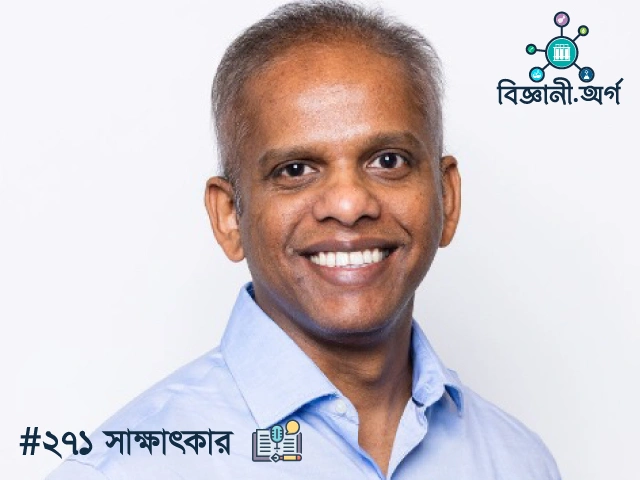
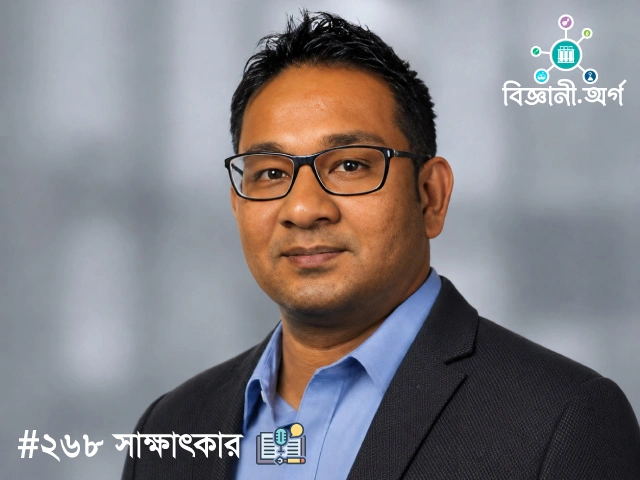
ড. আহসানুর রহমান একজন ট্রান্সলেশনাল গবেষক, যিনি এন্ডোক্রাইনোলজি, স্থূলতা, মেটাবলিক রোগ এবং RNA-ভিত্তিক চিকিৎসা নিয়ে কাজ করছেন। তিনি নটরডেম কলেজের পড়াশোনা শেষে ঢাকা বিশ্ববিদ্যালয়ের প্রাণরসায়ন ও অণুপ্রাণবিজ্ঞান বিভাগ থেকে স্নাতক ও স্নাতকোত্তর সম্পন্ন করেন। পরবর্তীতে যুক্তরাষ্ট্রের Howard University থেকে Cell/Cellular and Molecular Biology-তে পিএইচডি অর্জন করেন।
পিএইচডি শেষে তিনি যুক্তরাষ্ট্রের National Cancer Institute (NCI)-এ পোস্টডক্টরাল গবেষক হিসেবে কাজ করেন। সেখানে তাঁর গবেষণার বিষয় ছিল ন্যাচারাল কিলার (NK) কোষের রিসেপ্টর ও জিন নিয়ন্ত্রণ। বর্তমানে তিনি Howard University College of Medicine-এর ফিজিওলজি ও বায়োফিজিক্স বিভাগে পোস্টডক্টরাল গবেষক হিসেবে কাজ করছেন। তাঁর বর্তমান গবেষণায় PCOS, স্থূলতা ও ইনসুলিন রেজিস্ট্যান্সের ক্ষেত্রে হরমোনের ভূমিকা এবং siRNA-ভিত্তিক সম্ভাব্য চিকিৎসা পদ্ধতি নিয়ে কাজ করা হচ্ছে।

গবেষণার পাশাপাশি তিনি শিক্ষার্থীদের মেন্টরিং এবং বাংলায় বিজ্ঞানবিষয়ক লেখালেখির সঙ্গে যুক্ত। এ পর্যন্ত তিনি বিভিন্ন পর্যায়ের ১৯ জন শিক্ষার্থী ও নবীন গবেষককে মেন্টরিং করেছেন। ২০২৬ সালে তাঁর গবেষণা ENDO 2026 সম্মেলনে Outstanding Abstract Award অর্জন করে এবং তিনি Endocrine Society-এর FLARE Fellowship-এর জন্য নির্বাচিত হন।
💬 প্রশ্নোত্তর পর্ব
প্রশ্ন: প্রথমেই আপনার সম্বন্ধে আমরা জানতে চাই।
উত্তর: আমি নটরডেম কলেজ শেষে ঢাকা বিশ্ববিদ্যালয়ের প্রাণরসায়ন ও অণুপ্রাণবিজ্ঞান বিভাগে স্নাতক ও স্নাতকোত্তর শেষ করি। এরপর যুক্তরাষ্ট্রের ওয়াশিংটন ডিসির Howard University থেকে Molecular Biology-তে পিএইচডি সম্পন্ন করি ২০১৯ সালে।
পিএইচডি শেষে ২০২০ থেকে ২০২৩ সাল পর্যন্ত National Cancer Institute (NCI)-এর Laboratory of Cancer Metabolism-এ পোস্টডক্টরাল গবেষক হিসেবে কাজ করি। সেখানে আমার গবেষণার বিষয় ছিল আমাদের ইমিউনো কোষগুলোর একটি, যাকে Natural Killer (NK) Cell বলা হয়—সেসব কোষ কীভাবে একটি সাধারণ কোষ থেকে জন্ম নেয় এবং ইমিউনো কোষে পরিণত হয়, সেটা জানা। এছাড়া পরিণত এসব কোষ তাদের উপরিভাগে থাকা একধরনের প্রোটিন, যাকে receptor বলা হয়, সেই রিসেপ্টরগুলোর মাধ্যমে কীভাবে অন বা অফ হয়, সেটাও বিস্তারিতভাবে জানার চেষ্টা করেছি।
সেখানে তিন বছরের ফেলোশিপ শেষ করে বর্তমানে আমি Howard University College of Medicine-এর ল্যাবরেটরিতে endocrine এবং metabolic রোগে gene therapy-এর প্রয়োগ নিয়ে গবেষণা করছি।
গবেষণার পাশাপাশি mentorship আমার প্রিয় কাজ। Howard University-তে পাঁচ বছরেরও বেশি সময় graduate teaching assistant হিসেবে পড়িয়েছি এবং এ পর্যন্ত বিভিন্ন স্তরের প্রায় ১৯ জন শিক্ষার্থী ও নবীন গবেষককে ল্যাবরেটরিতে সরাসরি mentoring করার সুযোগ হয়েছে।
এর বাইরে বাংলায় বিজ্ঞানবিষয়ক লেখালেখি করি। বিশেষ করে স্বাস্থ্য নিয়ে ছড়ানো ভুল তথ্য ও অতিরঞ্জিত দাবির বিপরীতে প্রমাণভিত্তিক লেখা তুলে ধরার চেষ্টা করি। এই আগ্রহ থেকেই মাতৃভাষা প্রকাশ থেকে এ বছর প্রকাশিত হয়েছে আমার বই ‘আধুনিক বিজ্ঞানের যত বিস্ময়’। বইটিতে সাম্প্রতিক কিছু গুরুত্বপূর্ণ গবেষণার গল্প তুলে ধরার চেষ্টা করেছি। মানবভ্রূণের বিকাশের সূচনালগ্ন থেকে শুরু করে DNA কীভাবে আমাদের শরীর, আচরণ ও রোগের ঝুঁকি গড়ে তোলে; ক্যান্সারের বিরুদ্ধে মানুষের দীর্ঘ লড়াই এবং CAR-T cell therapy-এর মতো চিকিৎসা; mRNA vaccine-এর অগ্রগতি; ভাইরাস কীভাবে আমাদের কোষের যন্ত্রপাতি দখল করে নিজের বংশবৃদ্ধি ঘটায়; ব্যাকটেরিয়ার নানা কৌশল; মাতৃভাষার বৈজ্ঞানিক তাৎপর্য থেকে সমুদ্রের অতল থেকে উঠে আসা অক্সিজেনের রহস্য—এমন নানা বিষয় বইটিতে স্থান পেয়েছে।
বইটি লেখার সময় আমার চেষ্টা ছিল কেবল আবিষ্কারের গল্প না বলে, বিজ্ঞানীরা কীভাবে প্রশ্ন করেন এবং প্রমাণ যাচাই করেন, সেই পদ্ধতিটিও পাঠকের সামনে তুলে ধরা।
প্রশ্ন: আপনার গবেষণার বিষয় কী?
উত্তর: আমার গবেষণার বিষয় হরমোন এবং ডায়েট কীভাবে আমাদের মেটাবলিক অসুখ, যেমন পলিসিস্টিক ওভারি সিনড্রোম এবং স্থূলতার জন্য দায়ী, সেটার বিস্তারিত জানা এবং এসব অসুখের জন্য দায়ী টার্গেট জিন বের করে জিন থেরাপির মাধ্যমে এসব অসুখের চিকিৎসা পদ্ধতি বের করা।
একটু বিস্তারিত ব্যাখ্যা করলে বোঝা সহজ হবে। এই মুহূর্তে আমি PCOS নিয়ে গবেষণা করছি। PCOS হচ্ছে নারীদের একটি অত্যন্ত সাধারণ হরমোনজনিত সমস্যা এবং পৃথিবীতে নারীদের প্রতি দশজনের মধ্যে প্রায় একজন এই অসুখে আক্রান্ত। সাধারণত একে প্রজননস্বাস্থ্যের রোগ হিসেবেই দেখা হয়, কিন্তু বাস্তবে এটি একটি মেটাবলিক ডিজিজ। এই রোগে মূল সমস্যা ওভারি বা ডিম্বাশয়ের সিস্ট নয়, বরং শরীরে পুরুষ হরমোন বা androgen, যেমন testosterone, বেশি থাকা।
এই কারণেই সাম্প্রতিক সময়ে আন্তর্জাতিক বিশেষজ্ঞরা রোগটির নাম বদলে Poly Endocrine Metabolic Ovarian Syndrome বা PMOS রাখার প্রস্তাব করেছেন। উল্লেখ্য, androgen-কে ‘পুরুষ হরমোন’ বলা হলেও এটি নারী-পুরুষ উভয়ের শরীরেই থাকে। সমস্যা তৈরি হয় এই হরমোনের পরিমাণে ভারসাম্য নষ্ট হলে। জেনে রাখা ভালো, PMOS আক্রান্ত নারীদের type-2 diabetes, fatty liver ও হৃদরোগের ঝুঁকি উল্লেখযোগ্যভাবে বেশি।
এখানেই আমার আগ্রহ। আমরা যখন অনাহারে থাকি, তখন আমাদের লিভার তার জমাকৃত glycogen থেকে glucose তৈরি করে কোষগুলোকে সচল রাখে। আবার আমরা যখন খাবার খাই, সঙ্গে সঙ্গে pancreas বা অগ্ন্যাশয় থেকে insulin নির্গত হয়। এই insulin-এর কাজ খাবারের পর রক্তের glucose নিয়ন্ত্রণে রাখা এবং এই কাজের সবচেয়ে বড় অংশটি করে liver।
Insulin লিভারকে দুটি সংকেত দেয়—নতুন করে glucose তৈরি করা বন্ধ করো এবং অতিরিক্ত চিনি glycogen আকারে জমা রাখো। আমরা দেখছি, অতিরিক্ত androgen লিভারের কোষে androgen receptor নামের প্রোটিনটিকে অস্বাভাবিকভাবে সক্রিয় করে তোলে এবং তাতে insulin-এরও কার্যক্রম মারাত্মকভাবে ব্যাহত হয়। অর্থাৎ একটি হরমোনের ভারসাম্যহীনতা লিভারে দুই ধরনের ক্ষতি একসঙ্গে ডেকে আনে।
প্রসঙ্গত, আমরা ইতিমধ্যে গবেষণা করে দেখিয়েছি যে পুরুষ ও নারীর লিভারে এই হরমোনের প্রভাব এক নয়। লিঙ্গভেদে লিভারে এই প্রভাব আলাদা, যা চিকিৎসার দিক থেকে খুব গুরুত্বপূর্ণ।
PCOS অসুখে মেয়েদের শরীরে androgen হরমোন বেড়ে গিয়ে শরীরে বিভিন্ন মেটাবলিক সমস্যার সৃষ্টি করে, যেমন insulin resistance, রক্তে অতিরিক্ত glucose, স্থূলতা, pregnancy-এর জটিলতা, diabetes ও হৃদরোগের জটিলতা।
আমার গবেষণার দ্বিতীয় অংশটি চিকিৎসা-সংক্রান্ত। PCOS অসুখে এখন পর্যন্ত এমন কোনো therapy বা একক কোনো ওষুধ নেই, যা খেলে এই মেটাবলিক সমস্যা বা অতিরিক্ত androgen-এর প্রভাব কমানো যায়। যেসব ওষুধ ব্যবহৃত হয়, সেগুলো সারা শরীরে কাজ করে ফলে পার্শ্বপ্রতিক্রিয়া হয়।
এসব প্রতিক্রিয়া এড়াতে Alnylam নামের একটি কোম্পানির collaboration-এর মাধ্যমে আমরা siRNA নামের একটি প্রযুক্তি ব্যবহার করছি। siRNA হলো ছোট RNA, যা নির্দিষ্ট একটি gene-এর জন্য তৈরি mRNA-কে protein তৈরি হওয়ার আগেই silence করে দেয়।
আমরা ইঁদুরে প্রথমে androgen হরমোন বাড়িয়ে মানুষের PCOS-এর একটি disease model তৈরি করেছি। এরপর শুধু লিভারের androgen receptor-কে target করে siRNA দিয়ে সেটিকে silence করে দেখছি, তাতে লিভারে insulin-সহ metabolic সমস্যার বেশ উন্নতি করা যায়।
এই গবেষণার প্রাথমিক ফলাফল অত্যন্ত আশাব্যঞ্জক। এই গবেষণা এবং mentorship-এর ফলস্বরূপ Endocrine Society থেকে আমাকে Future Leaders Advancing Research in Endocrinology বা FLARE Fellow হিসেবে মনোনীত করা হয়েছে এ বছর এবং শিকাগোতে অনুষ্ঠিত ENDO 2026 সম্মেলনে Outstanding Abstract Award পেয়েছি।
প্রশ্ন: আপনার গবেষণার কাজগুলো কীভাবে আমাদের উপকৃত করছে কিংবা করবে?
উত্তর: দুটি দিক থেকে বলতে পারি।
প্রথমত, রোগ বোঝার দিক থেকে। PCOS-কে এখনও প্রধানত বন্ধ্যাত্ব বা অনিয়মিত ঋতুচক্রের সমস্যা হিসেবে দেখা হয়, চিকিৎসাও অনেক ক্ষেত্রে আলাদা আলাদা উপসর্গ নিয়ন্ত্রণের মধ্যেই সীমাবদ্ধ থাকে। আমাদের গবেষণা জানাচ্ছে, এর সঙ্গে শরীরের, বিশেষত লিভারের ক্ষতি অঙ্গাঙ্গিভাবে জড়িত এবং তা অনেক আগে থেকেই শুরু হয়ে যায়।
দক্ষিণ এশিয়ার নারীদের ক্ষেত্রে বিষয়টি বিশেষভাবে গুরুত্বপূর্ণ, কারণ আমাদের জনগোষ্ঠীতে PCOS-এর হার তুলনামূলক বেশি এবং কম ওজনেও insulin resistance ও type-2 diabetes দেখা দেয়। কোনো তরুণীর PCOS ধরা পড়লে তার insulin-এর কার্যকারিতা ও লিভারের অবস্থাও যে নিয়মিত পরীক্ষা করা দরকার, এই বার্তাটি প্রতিষ্ঠা করা আমাদের কাজের একটি বাস্তব ফলাফল।
দ্বিতীয়ত, চিকিৎসার দিক থেকে। যদি প্রমাণ করা যায় যে কেবল লিভারে androgen receptor-এর expression বা gene-এর পরিমাণ কমালেই metabolic সমস্যা নিরাময় করা যায়, তাহলে সারা শরীরে hormone-বিরোধী ওষুধ দেওয়ার প্রয়োজন কমে যেতে পারে।
siRNA-ভিত্তিক ওষুধ ইতিমধ্যেই কয়েকটি রোগে অনুমোদিত এবং এগুলোর একটি বড় সুবিধা হলো বছরে অল্প কয়েকবার injection নিলেই চলে। PCOS চিকিৎসায় এখন পর্যন্ত যেহেতু একক কোনো ওষুধ বাজারে নেই, সেই হিসেবে এটির প্রয়োজনীয়তাও অপরিসীম।
তবে একটি কথা জোর দিয়ে বলতে চাই। এটি এখনও pre-clinical পর্যায়ের গবেষণা, অর্থাৎ প্রাণী মডেলে। ইঁদুরে যা কাজ করে, তা মানুষে কাজ করবে—এমন নিশ্চয়তা নেই এবং এই দূরত্বটুকু পেরোতে না পারা ওষুধের সংখ্যা কিন্তু অনেক। ‘নিরাময় হয়ে যাবে’ বা ‘নিরাময় করে ফেলেছি’—এ জাতীয় দাবি করার সময় এখনও আসেনি; আমরা কেবল একটি সম্ভাব্য পথ পরীক্ষা করে দেখছি।
প্রশ্ন: গবেষণার কাজের বিশেষ কোনো অভিজ্ঞতা কি আমাদের সঙ্গে শেয়ার করবেন?
উত্তর: দুটি অভিজ্ঞতার কথা বলি।
প্রথমটি NCI-তে কাজ করার সময়ের। গবেষণার তাগিদে আমাকে কোষের ভেতর বাইরে থেকে gene ঢোকানোর, যাকে আমরা transfection বলি, একটি পদ্ধতি দাঁড় করাতে হয়েছিল। এই কোষগুলো ল্যাবে অত্যন্ত সংবেদনশীল, সহজে বাইরের DNA গ্রহণ করে না।
শুরুতে সফলতার হার ছিল এত কম যে তা দিয়ে অর্থবহ কোনো পরীক্ষা করা যেত না। মাসের পর মাস ধরে কোষগুলো media-তে দিয়ে তাদের খাবার, সময়, ঘনত্ব, buffer একেকটি করে বদলে দেখতে হয়েছে। শেষপর্যন্ত পরীক্ষা-নিরীক্ষার এক পর্যায়ে এমন জায়গায় পৌঁছাই যে পরীক্ষাটি নির্ভরযোগ্যভাবে করা সম্ভব হয় এবং সেই কাজের ওপর ভিত্তি করেই সেই ল্যাবে পরবর্তীতে বেশ কয়েকটি publication সম্ভব হয়।
এই অভিজ্ঞতা আমাকে শিখিয়েছে, গবেষণায় resilience বা ঘুরে দাঁড়ানোর ক্ষমতা খুব জরুরি এবং ব্যর্থ experiment আসলে ব্যর্থতা নয়। প্রতিটি experiment fail একটি গুরুত্বপূর্ণ তথ্য, যা থেকে আপনি ধারণা করবেন পরের experiment-টা কীভাবে করবেন বা কীভাবে করবেন না।
আমি শিক্ষার্থীদের প্রায়ই বলি, গবেষকের কাজ নিজের ধারণাকে সত্য প্রমাণ করা নয়, বরং data যা বলছে তা মন দিয়ে শোনা। কারণ hypothesis-এর সঙ্গে data বা result মিলে গেলে ভালো; না মিললে আরও ভালো, কেননা সেখানেই আছে নতুন কিছুর রহস্য।
দ্বিতীয়টি mentorship বা শিক্ষকতার। গত কয়েক বছরে আমি বেশ কিছু স্নাতক শিক্ষার্থীকে ল্যাবে প্রশিক্ষণ দিয়েছি, যাঁদের অনেকেই এমন পরিবার থেকে এসেছেন যেখানে আগে কেউ গবেষণা করেননি। তাঁদের কেউ এখন Harvard-এ dental school-এ, কেউ Johns Hopkins-এ শিশুরোগ বিভাগে faculty, কেউ biotech কোম্পানিতে কর্মরত।
প্রথম দিন যিনি pipette ধরতে ভয় পাচ্ছিলেন, তিনি এক বছর পরে সম্মেলনে নিজের poster উপস্থাপন করছেন—এই দৃশ্যটি নিজের কোনো paper প্রকাশিত হওয়ার চেয়ে কম আনন্দের নয়। আমি বিশ্বাস করি, একজন গবেষকের প্রকৃত উত্তরাধিকার তাঁর প্রকাশনার তালিকা নয়, তিনি যাঁদের তৈরি করে গেছেন তাঁরা। যেসব legacy তৈরি করছেন, রেখে যাচ্ছেন, সেগুলোই আসল সাফল্য।
প্রশ্ন: একজন বিজ্ঞানীর কী কী গুণ থাকা প্রয়োজন বলে মনে করেন?
উত্তর: আমার অভিজ্ঞতায় সবচেয়ে জরুরি গুণটি হলো সৎ থাকা—নিজের ফলাফলের প্রতিও প্রশ্ন করার সাহস থাকা। একটি পরীক্ষার ফল যখন প্রত্যাশার সঙ্গে হুবহু মিলে যায়, তখনই সবচেয়ে বেশি সতর্ক হওয়া দরকার, কারণ তখনই আমরা ভুল খুঁজতে সবচেয়ে কম আগ্রহী থাকি। ভালো গবেষক সেই ব্যক্তি, যিনি নিজের প্রিয় hypothesis-টি ভাঙার জন্য সবচেয়ে কঠিন পরীক্ষাটি নিজেই design করেন।
দ্বিতীয়ত, প্রমাণের মান বিচার করতে জানা। আজকের যুগে বৈজ্ঞানিক তথ্যের অভাব নেই, অভাব হলো ভালো তথ্য আর দুর্বল তথ্যের পার্থক্য বোঝার ক্ষমতার। একটি কোম্পানির সংবাদ বিজ্ঞপ্তি আর একটি peer-reviewed গবেষণাপত্র এক জিনিস নয়; একটি ফলাফল ‘পরিসংখ্যানগতভাবে তাৎপর্যপূর্ণ’ হওয়া আর রোগীর জীবনে অর্থবহ হওয়া এক জিনিস নয়। এই পার্থক্যগুলো ধরতে পারা একজন বিজ্ঞানীর মৌলিক দক্ষতা।
তৃতীয়ত, ধৈর্য ও ঘুরে দাঁড়ানোর ক্ষমতা। গবেষণায় বেশিরভাগ experiment প্রত্যাশিত ফল দেয় না। যিনি ব্যর্থ experiment-কে ব্যক্তিগত ব্যর্থতা হিসেবে না দেখে তথ্য হিসেবে দেখতে শেখেন, তিনিই দীর্ঘমেয়াদে টিকে থাকেন।
চতুর্থত, নৈতিকতা ও বস্তুনিষ্ঠতা। Data যা বলছে তা মেনে নেওয়া—নিজের ধারণা বা আগের প্রকাশনার সঙ্গে না মিললেও। বিজ্ঞানের সমস্ত বিশ্বাসযোগ্যতা এই একটিমাত্র অভ্যাসের ওপর দাঁড়িয়ে আছে।
পঞ্চমত, যোগাযোগের দক্ষতা। যে গবেষণা কেউ বুঝল না, সেটি বাস্তবে কারও কাজে এল না। নিজের কাজ সহজ ভাষায়, অতিরঞ্জন ছাড়া ব্যাখ্যা করতে পারা এখনকার দিনে খুব জরুরি।
আর সবশেষে, গবেষণার সংখ্যার চেয়ে গবেষণার quality-কে প্রাধান্য দেওয়া। গবেষণার impact factor-এর চেয়ে মানুষের জীবনে, পরিবেশে বা সামগ্রিকভাবে একটি গবেষণা কীরকম প্রভাব ফেলছে, সেটি খুব গুরুত্বপূর্ণ।
প্রশ্ন: বাংলাদেশের তরুণ শিক্ষার্থীরা যারা বিজ্ঞানে কাজ করতে চায়, তাদের জন্য আপনার কোনো বার্তা আছে?
উত্তর: প্রথম কথা হলো, শুরু করার জন্য উন্নত laboratory লাগে না, লাগে একটি ভালো প্রশ্ন। আমার নিজের যাত্রাও শুরু হয়েছিল দেশের সর্বউত্তরের electricity-বিহীন একটি সাধারণ classroom থেকে, খালি পায়ে হেঁটে স্কুলে যাওয়া থেকে।
আজকের দিনে পৃথিবীর প্রায় সব বড় গবেষণাপত্রের সারসংক্ষেপ, অনেক ক্ষেত্রে পুরো লেখাটিই, internet-এ বিনামূল্যে পাওয়া যায়। PubMed, Google Scholar-এ গুরুত্বপূর্ণ গবেষণাপত্র সারা পৃথিবী থেকেই মোটামুটি পড়া যায়। হাতের মুঠোতেই পড়া যায়। আগ্রহ থাকলে প্রতি সপ্তাহে অন্তত একটি গবেষণাপত্র মনোযোগ দিয়ে পড়ার অভ্যাস তৈরি করুন। প্রথম দিকে প্রায় কিছুই বুঝবেন না এবং এটিই স্বাভাবিক। ছয় মাস পরে দেখবেন অনেক কিছু বুঝে উঠছেন।
দ্বিতীয়ত, মুখস্থবিদ্যার ওপর নির্ভর না করে মৌলিক ধারণাগুলো শক্ত করুন। বইয়ে কোনো তথ্য পড়ার পর নিজেকে তিনটি প্রশ্ন করার অভ্যাস করুন: এটি আমরা কীভাবে জানলাম? এর প্রমাণ কী? এটি কি অন্য কোনোভাবে পরীক্ষা করে দেখা সম্ভব? কেবল পরীক্ষায় ভালো নম্বর পাওয়ার জন্য বিজ্ঞান পড়লে বিজ্ঞানের সবচেয়ে সুন্দর অংশটিই অদেখা থেকে যায়।
তৃতীয়ত, যোগাযোগ করতে ভয় পাবেন না। যাঁর গবেষণাপত্র আপনার ভালো লেগেছে, তাঁকে ছোট, ভদ্র, সুনির্দিষ্ট একটি email লিখুন। তাঁর কাজের কোন অংশটি পড়েছেন আর কী প্রশ্ন জেগেছে, তা উল্লেখ করুন। অধিকাংশ email-এর উত্তর আসবে না, কিন্তু যে দু-একটির আসবে, সেগুলোই অনেক সময় পুরো career বদলে দেয়।
আরেকটি কথা মনে রাখা জরুরি—গবেষণাজীবন সরলরেখায় চলে না এবং সেটিই স্বাভাবিক। আমার PhD গবেষণা ছিল উদ্ভিদকোষের signaling নিয়ে, এরপর কাজ করেছি cancer immunology-তে, আর এখন hormone ও metabolic disease নিয়ে। বাইরে থেকে দেখলে আলাদা তিনটি বিষয় মনে হতে পারে, কিন্তু ভেতরের সুতোটা আসলে একই—কোষের ভেতরে কীভাবে এত কিছু ঘটে যায় নিমিষেই, কীভাবেই বা কোষরা একে অপরকে বা messenger-রা কোষদের signal দেয় এবং সেই signal এলোমেলো হলে কী ঘটে।
প্রতিটি ধাপে আগের শেখা জিনিস পরের কাজে লেগেছে। তাই খুব অল্প বয়সে পুরো ভবিষ্যৎ ঠিক করে ফেলতে হবে—এমন কোনো নিয়ম নেই। আজকের দুনিয়ায় নিজের skill set-কে diversified করা এবং নতুন নতুন জিনিস শেখার challenge নেওয়া জরুরি।
আর বিজ্ঞানে সবচেয়ে গুরুত্বপূর্ণ বিষয় হচ্ছে সময়। বিজ্ঞান এমন একটি পেশা যেখানে দৌড়টি sprint নয়, relay race। বিজ্ঞানে সাফল্য পাওয়ার কোনো shortcut রাস্তা নেই। সঠিক দিকনির্দেশনা, পরিশ্রম আর লেগে থাকার মানসিকতা থাকলে বাংলাদেশের একটি সাধারণ lab বা classroom থেকে উঠে এসে আন্তর্জাতিক অঙ্গনে কাজ করা সম্পূর্ণ সম্ভব।
যোগাযোগের তথ্য
ইমেইল: [email protected]
🔗 প্রোফাইল লিংক
🔗 লিঙ্কডইন: www.linkedin.com/in/mdahsanrahman/
ড. আহসানুর রহমানের গবেষণা PCOS, হরমোন, লিভার ও মেটাবলিক রোগের পারস্পরিক সম্পর্ক বোঝার পাশাপাশি সম্ভাব্য siRNA-ভিত্তিক চিকিৎসার একটি গবেষণামূলক পথ অনুসন্ধান করছে। তাঁর গবেষণার সঙ্গে মেন্টরশিপ, বিজ্ঞান যোগাযোগ এবং বাংলায় প্রমাণভিত্তিক বিজ্ঞানচর্চার সমন্বয় রয়েছে। বিজ্ঞানী.অর্গ টিম তাঁর গবেষণা, শিক্ষার্থী মেন্টরিং এবং বিজ্ঞানকে সহজ ভাষায় তুলে ধরার প্রচেষ্টার জন্য শুভেচ্ছা জানায়। বাংলাদেশের তরুণ শিক্ষার্থীরা তাঁর গবেষণাযাত্রা থেকে প্রশ্ন করা, প্রমাণ যাচাই এবং অধ্যবসায়ের গুরুত্ব সম্পর্কে অনুপ্রেরণা লাভ করুক। তাঁর ভবিষ্যৎ গবেষণার জন্য রইল শুভকামনা।
From Cellular Signaling to Metabolic Disease: A Conversation with Dr. Ahsanur Rahman
Dr. Ahsanur Rahman is a translational scientist working at the intersection of endocrinology, obesity, metabolic diseases, and RNA therapeutics. After completing his studies at Notre Dame College, he completed his undergraduate and graduate studies in Biochemistry and Molecular Biology at the University of Dhaka. He subsequently earned his PhD in Cell/Cellular and Molecular Biology from Howard University in Washington, D.C., in 2019.
After his PhD, he worked as a postdoctoral researcher at the National Cancer Institute (NCI) in the United States, where he studied the transcriptional regulation of natural killer (NK) cell receptors and mechanisms involved in cellular differentiation. He is currently a Postdoctoral Researcher in the Department of Physiology and Biophysics at Howard University College of Medicine, Washington, D.C. His current research focuses on understanding the relationship between hormones, liver function, PCOS, obesity, and insulin resistance, as well as exploring siRNA-based therapeutic approaches.
Alongside his research, Dr. Rahman is involved in mentoring students and communicating science to general audiences. He has mentored 19 graduate, medical, and undergraduate researchers. In 2026, his research was recognized with an Outstanding Abstract Award at ENDO 2026, and he was selected as a FLARE Fellow of the Endocrine Society.
💬 Interview
Question: First, we would like to know about you.
Answer: After completing my studies at Notre Dame College, I completed my undergraduate and graduate studies in the Department of Biochemistry and Molecular Biology at the University of Dhaka. I then completed my PhD in Molecular Biology at Howard University in Washington, D.C., in 2019.
After completing my PhD, I worked as a postdoctoral researcher at the Laboratory of Cancer Metabolism at the National Cancer Institute (NCI) from 2020 to 2023. My research there focused on understanding how natural killer (NK) cells, a type of immune cell, develop from ordinary cells and differentiate into immune cells. I also studied how mature NK cells are regulated through receptors located on their surface.
After completing that three-year fellowship, I am currently conducting research in a laboratory at Howard University College of Medicine on the application of gene therapy to endocrine and metabolic diseases.
Alongside research, mentorship is one of my favorite activities. I taught as a graduate teaching assistant at Howard University for more than five years, and so far I have had the opportunity to directly mentor around 19 students and early-career researchers at different levels in the laboratory.
Outside of research, I also write about science in Bangla. In particular, I try to present evidence-based information in response to misinformation and exaggerated claims related to health. This interest led to the publication of my book “Adhunik Bigganer Joto Bismoy” (The Wonders of Modern Science) by Matribhasha Prokash this year.
The book covers a range of topics, including the early stages of human embryonic development; how DNA influences our bodies, behavior, and disease risks; humanity’s long struggle against cancer; treatments such as CAR-T cell therapy, in which a patient’s own immune cells are modified in the laboratory to recognize cancer cells; the progress of mRNA vaccines; how viruses take over cellular machinery to reproduce; bacterial survival strategies; the scientific significance of the mother tongue; and the mystery of oxygen emerging from the depths of the ocean.
While writing the book, my goal was not simply to tell stories about scientific discoveries, but also to explain to readers how scientists formulate questions and evaluate evidence.
Question: What is the focus of your research?
Answer: My research focuses on understanding how hormones and diet contribute to metabolic diseases such as polycystic ovary syndrome (PCOS) and obesity, identifying the target genes responsible for these diseases, and exploring potential treatment approaches through gene therapy.
Let me explain this in more detail. At the moment, I am researching PCOS. PCOS is a very common hormonal condition among women, affecting approximately one in ten women worldwide. It is generally viewed as a reproductive health disorder, but in reality, it is also a metabolic disease.
The main problem in this condition is not cysts in the ovaries, but rather elevated levels of androgens, such as testosterone, in the body. For this reason, international experts have recently proposed renaming the condition Poly Endocrine Metabolic Ovarian Syndrome (PMOS).
It is important to note that although androgens are often called “male hormones,” they are present in both men and women. Problems arise when their levels become imbalanced. Women with PMOS have significantly higher risks of type 2 diabetes, fatty liver disease, and cardiovascular disease.
This is where my research interest lies. When we are fasting, the liver produces glucose from stored glycogen to keep cells functioning. When we eat, insulin is immediately released from the pancreas. One of the major functions of insulin is to regulate blood glucose after meals, and the liver plays a major role in this process.
Insulin sends two important signals to the liver: stop producing new glucose and store excess sugar as glycogen. We have found that excess androgen abnormally activates a protein called the androgen receptor in liver cells, which severely disrupts insulin activity. In other words, an imbalance in one hormone can cause two types of damage in the liver at the same time.
We have also shown through our research that the effects of this hormone on the liver differ between males and females. These sex-specific differences in the liver are particularly important from a therapeutic perspective.
In PCOS, elevated androgen levels in women can contribute to several metabolic problems, including insulin resistance, elevated blood glucose, obesity, pregnancy complications, diabetes, and cardiovascular complications.
The second part of my research focuses on treatment. Currently, there is no single therapy or medication for PCOS that specifically addresses these metabolic problems and the effects of excess androgen. The medications currently used often act throughout the body and can therefore cause side effects.
To avoid these effects, we are using a technology called siRNA through a collaboration with Alnylam. siRNA is a small RNA molecule that silences the mRNA responsible for producing a specific protein before that protein can be produced.
We first created a mouse disease model resembling human PCOS by increasing androgen levels in mice. We then used siRNA to specifically target and silence the androgen receptor in the liver. We are observing that this approach can significantly improve insulin-related and other metabolic problems in the liver.
The preliminary results of this research are highly promising. As a result of this research and my mentorship activities, I was selected as a Future Leaders Advancing Research in Endocrinology (FLARE) Fellow by the Endocrine Society this year, and I received the Outstanding Abstract Award at ENDO 2026 in Chicago.
Question: How does your research benefit, or potentially benefit, people?
Answer: I would explain it from two perspectives.
First, in terms of understanding the disease. PCOS is still primarily viewed as a problem related to infertility or irregular menstrual cycles, and treatment is often limited to controlling individual symptoms. Our research indicates that PCOS is closely associated with damage to the body, particularly the liver, and that these effects may begin much earlier.
This is particularly important for South Asian women because the prevalence of PCOS is relatively high in our population, and insulin resistance and type 2 diabetes can occur even among women who are not overweight. Establishing the message that women diagnosed with PCOS should also have their insulin function and liver health regularly assessed is one of the practical implications of our work.
Second, in terms of treatment. If we can demonstrate that reducing androgen receptor expression or the amount of the relevant gene specifically in the liver can resolve metabolic problems, it may reduce the need to administer hormone-blocking medications throughout the body.
siRNA-based drugs have already been approved for several diseases, and one of their major advantages is that they may require injections only a few times a year. Since there is currently no single approved drug specifically addressing all aspects of PCOS, the potential need for such an approach is significant.
However, I want to emphasize one important point. This research is still at the preclinical stage, meaning that it is being conducted in animal models. What works in mice does not necessarily work in humans, and many drugs fail to cross this gap. Therefore, it is not yet appropriate to claim that this treatment will “cure” PCOS or that we have already developed a cure. We are currently testing a potential therapeutic pathway.
Question: Could you share a particularly memorable experience from your research career?
Answer: I would like to share two experiences.
The first was during my time at NCI. As part of my research, I needed to develop a method for introducing genes into cells, a process known as transfection. These cells were extremely sensitive in the laboratory and did not readily take up external DNA.
Initially, the success rate was so low that it was impossible to conduct meaningful experiments. For months, I had to systematically change different factors, including the cell media, nutrients, timing, cell density, and buffer conditions. Eventually, through repeated experimentation, I reached a point where the procedure could be performed reliably. This work subsequently supported several publications from that laboratory.
This experience taught me that resilience is extremely important in research, and a failed experiment is not necessarily a failure. Every failed experiment provides important information that can help you understand how to conduct—or not conduct—the next experiment.
I often tell students that the job of a researcher is not to prove that their own idea is correct, but to listen carefully to what the data are saying. If the data match your hypothesis, that is good; if they do not, it may be even better, because that is where the mystery of something new may lie.
The second experience is related to mentorship and teaching. Over the past several years, I have trained several undergraduate students in the laboratory, many of whom came from families where no one had previously conducted research. Some are now at Harvard Dental School, some are faculty members in pediatrics at Johns Hopkins, and others are working in biotechnology companies.
Seeing someone who was afraid to hold a pipette on their first day present their own poster at a conference a year later is no less rewarding than publishing one of my own papers.
I believe that a researcher’s true legacy is not their publication list, but the people they have helped develop. The legacies we create and leave behind are the real measure of success.
Question: What qualities do you think a scientist needs?
Answer: In my experience, the most important quality is honesty—the courage to question even your own results. When an experimental result matches your expectations exactly, that is when you should be most cautious, because that is when we are least inclined to look for errors. A good researcher is someone who designs the most difficult experiment themselves to try to disprove their favorite hypothesis.
Second, it is important to understand how to evaluate the quality of evidence. In today’s world, there is no shortage of scientific information. What is lacking is the ability to distinguish between strong and weak information. A company’s press release and a peer-reviewed research paper are not the same thing. Similarly, a result being “statistically significant” is not the same as being meaningful in a patient’s life. Being able to recognize these differences is a fundamental skill for a scientist.
Third, patience and resilience are essential. Most experiments in research do not produce the expected results. Those who learn to view failed experiments as information rather than personal failures are the ones who remain in research over the long term.
Fourth, ethics and objectivity are essential. Scientists must accept what the data show, even when the results do not agree with their own ideas or previous publications. The credibility of science rests heavily on this principle.
Fifth, communication skills are important. If nobody understands a research finding, it cannot effectively benefit anyone. Being able to explain your work in simple language without exaggeration is extremely important today.
Finally, researchers should prioritize the quality of research over the quantity of publications. The impact of research on people’s lives, the environment, or society as a whole is more important than simply focusing on impact factors.
Question: What message would you like to give to young Bangladeshi students who want to pursue science?
Answer: The first thing I would say is that you do not need an advanced laboratory to get started; you need a good question. My own journey began in a simple classroom in the northernmost part of the country, walking to school barefoot, in a place without electricity.
Today, abstracts of almost all major research papers, and in many cases the full papers, are available for free on the internet. Important research papers can be accessed from around the world through platforms such as PubMed and Google Scholar. They are available at our fingertips.
If you are interested, develop the habit of carefully reading at least one research paper every week. At first, you will understand almost nothing, and that is completely normal. After six months, you will find that you understand much more.
Second, instead of relying on memorization, strengthen your fundamental concepts. After reading a piece of information in a book, develop the habit of asking yourself three questions: How do we know this? What is the evidence? Could this be tested in another way? If you study science only to get good grades in examinations, you will miss the most beautiful part of science.
Third, do not be afraid to communicate. If you like someone’s research paper, write them a short, polite, and specific email. Mention which part of their work you read and what questions came to your mind. Most emails will not receive a response, but the few that do can sometimes change the course of an entire career.
Another important thing to remember is that a research career does not follow a straight line, and that is completely normal. My PhD research focused on plant-cell signaling. I then worked in cancer immunology, and now I work on hormones and metabolic diseases. From the outside, these may appear to be three different fields, but the underlying thread is actually the same: how processes occur inside cells, how cells communicate with one another, how messengers send signals to cells, and what happens when those signals become disrupted.
What I learned at each stage became useful in the next stage. Therefore, there is no rule that says you have to decide your entire future at a very young age. In today’s world, it is important to diversify your skill set and take on the challenge of learning new things.
Another important aspect of science is time. Science is not a sprint; it is a relay race. There is no shortcut to success in science. With proper guidance, hard work, and perseverance, it is entirely possible to rise from an ordinary laboratory or classroom in Bangladesh and work on the international stage.
Contact Information
Email: [email protected]
🔗 Profile Links
🔗 LinkedIn: www.linkedin.com/in/mdahsanrahman/
Dr. Ahsanur Rahman’s research explores the relationship between PCOS, hormones, liver function, and metabolic disease while investigating a potential siRNA-based therapeutic pathway. Alongside his research, his commitment to mentoring students and communicating evidence-based science in Bangla reflects a broader effort to make scientific knowledge accessible. The Biggani.org team appreciates his contribution to research, mentorship, and science communication. His journey can serve as an encouraging example for young Bangladeshi students interested in pursuing scientific research. We wish him continued success in his research and future scientific endeavors.


Leave a comment