



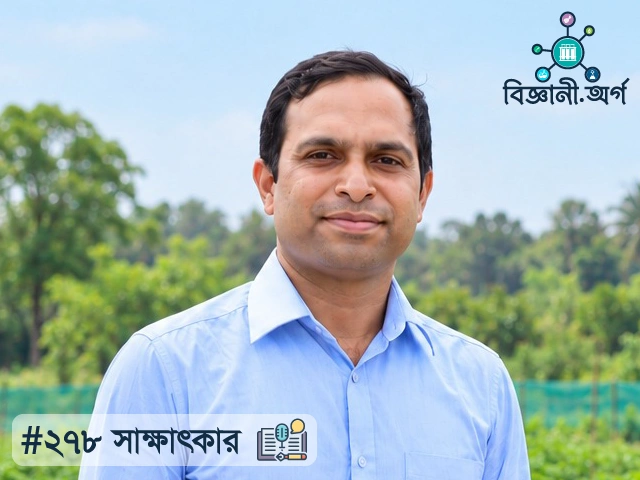
Washu Dev একজন উদ্ভিদ প্রজনন ও জেনেটিকস গবেষক, যার গবেষণার প্রধান ক্ষেত্র তুলা ও অন্যান্য ফসলের জিনগত বৈশিষ্ট্য, পরিবেশগত চাপ সহনশীলতা এবং উন্নত জাত উদ্ভাবন। তাঁর একাডেমিক যাত্রায় Sindh Agricultural University, Pakistan. থেকে Plant Breeding and Genetics-এ মাস্টার্স এবং Chinese Academy of Agricultural Sciences (CAAS), China থেকে Plant Germplasm বিষয়ে পিএইচডি সম্পন্ন করার তথ্য পাওয়া যায়।
তাঁর গবেষণায় বিশেষভাবে তাপ ও শীতজনিত চাপের প্রতি ফসলের প্রতিক্রিয়া, সহনশীল জেনোটাইপ শনাক্তকরণ এবং জেনেটিক ও আণবিক পদ্ধতির ব্যবহার গুরুত্ব পেয়েছে। প্রকাশিত গবেষণায় তিনি Chinese Academy of Agricultural Sciences-এর Institute of Cotton Research-এর সঙ্গে যুক্ত ছিলেন এবং তুলার তাপ ও শীতসহনশীলতা নিয়ে কাজ করেছেন। (Wiley Online Library)

তাঁর গবেষণাকাজে GWAS, ট্রান্সক্রিপ্টোমিক্স, qPCR এবং অন্যান্য জৈবতথ্য বিশ্লেষণ পদ্ধতির ব্যবহার উল্লেখযোগ্য। তুলার তাপমাত্রাজনিত চাপ, খরা ও জেনেটিক বৈশিষ্ট্য নিয়ে তাঁর একাধিক গবেষণাও প্রকাশিত হয়েছে। (PubMed Central (PMC))
💬 প্রশ্নোত্তর পর্ব
প্রশ্ন: আপনার গবেষণার প্রধান ক্ষেত্র কী এবং আপনি কোন ধরনের সমস্যার সমাধানে কাজ করছেন?
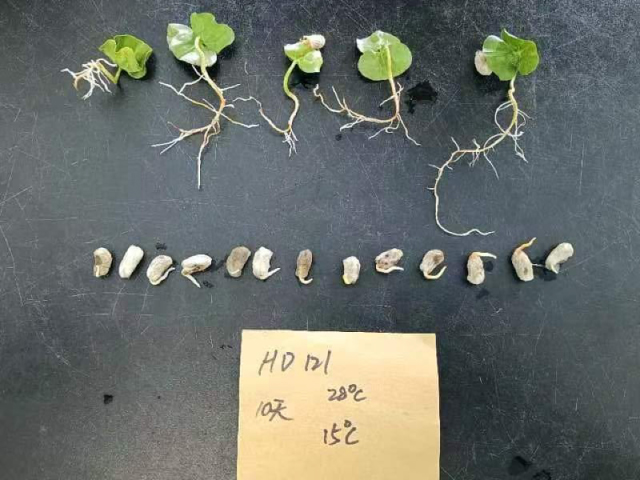
উত্তর: আমার গবেষণার লক্ষ্য তুলা, গম ও তামাকের মতো গুরুত্বপূর্ণ ফসলকে অতিরিক্ত তাপ ও শীতের মতো চরম তাপমাত্রা সহ্য করার সক্ষমতা তৈরি করতে সহায়তা করা, যাতে জলবায়ু পরিবর্তনের মধ্যেও কৃষকেরা উৎপাদন ধরে রাখতে পারেন। আমি জেনেটিক পর্যায়ে উদ্ভিদ কীভাবে চাপের প্রতি প্রতিক্রিয়া জানায় তা অনুসন্ধান করি এবং কোন নির্দিষ্ট জিন সহনশীলতার জন্য ভূমিকা রাখে তা শনাক্ত করার চেষ্টা করি।
এ জন্য আমি GWAS, অর্থাৎ DNA বিশ্লেষণের মাধ্যমে জিন ও বৈশিষ্ট্যের সম্পর্ক নির্ণয়, ট্রান্সক্রিপ্টোমিক্স, অর্থাৎ কোন জিনগুলো সক্রিয়ভাবে প্রকাশিত হচ্ছে তা বিশ্লেষণ, এবং qPCR-এর মাধ্যমে জিনের প্রকাশমাত্রা পরিমাপের মতো পদ্ধতি ব্যবহার করি। পাশাপাশি, উদ্ভিদের নিজস্ব প্রতিরক্ষা ব্যবস্থা শক্তিশালী করতে পারে এমন প্রাকৃতিক যৌগ বা বায়োস্টিমুল্যান্ট নিয়েও কাজ করি। আমার লক্ষ্য হলো এমন অধিক সহনশীল ও উচ্চফলনশীল জাত উন্নয়ন করা, যা অনিশ্চিত পরিবেশেও খাদ্য উৎপাদন অব্যাহত রাখতে পারে।
প্রশ্ন: আপনার গবেষণা সমাজ ও কৃষকদের জন্য কী ধরনের সুফল বয়ে আনতে পারে?
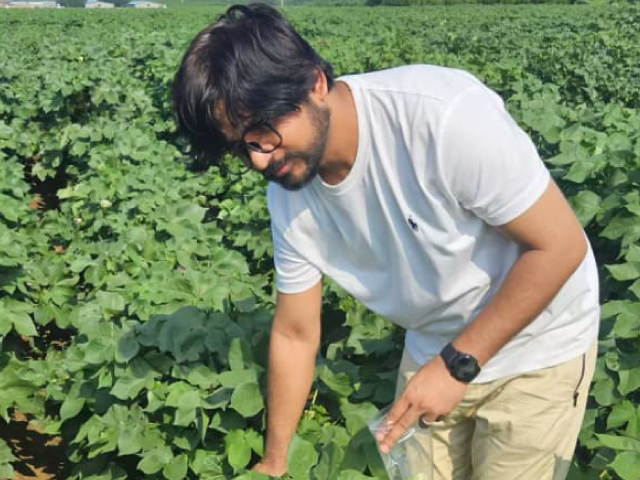
উত্তর: আমার গবেষণা জলবায়ু পরিবর্তনের মধ্যেও কৃষকদের আরও বেশি খাদ্য উৎপাদনে সহায়তা করতে পারে। তাপমাত্রা বৃদ্ধি এবং আবহাওয়ার অনিশ্চয়তার কারণে অনেক ফসল তাপ ও শীতজনিত চাপে ক্ষতিগ্রস্ত হয়, ফলে ফলন কমে যায় এবং কৃষকরা আর্থিক ক্ষতির মুখে পড়েন।
আরও সহনশীল তুলা, গম ও তামাকের জাত উন্নয়নের মাধ্যমে আমি এমন বীজ তৈরিতে অবদান রাখতে চাই, যা প্রতিকূল পরিবেশেও তুলনামূলকভাবে স্থিতিশীল ফলন দিতে পারে। এর ফলে গ্রামীণ পরিবারের আয় স্থিতিশীল রাখা, ভোক্তাদের জন্য খাদ্য ও আঁশের সরবরাহ বজায় রাখা এবং নতুন কৃষিজমির জন্য বন উজাড়ের চাপ কমানোর সুযোগ তৈরি হতে পারে। সামগ্রিকভাবে, এই গবেষণা খাদ্যনিরাপত্তা, টেকসই কৃষি এবং জলবায়ু-সহনশীল অর্থনীতিতে অবদান রাখতে পারে।
প্রশ্ন: আপনার গবেষণাজীবনের সবচেয়ে স্মরণীয় অভিজ্ঞতা কোনটি?
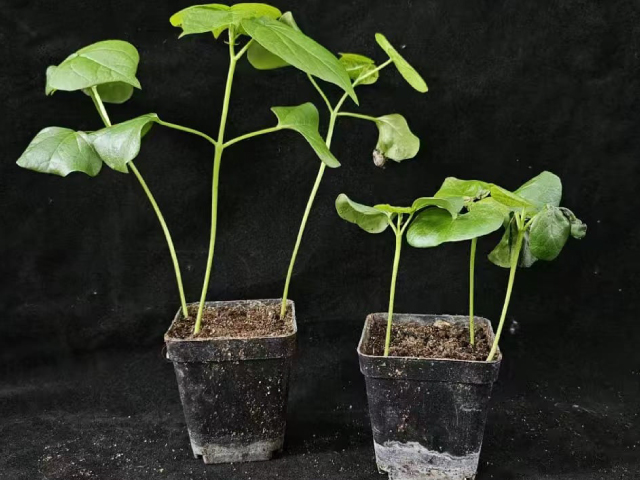
উত্তর: আমার পিএইচডি গবেষণার মাঠপর্যায়ের কাজের সময় চীনের Anyang-এ একটি স্মরণীয় অভিজ্ঞতা হয়েছিল। সে সময় হঠাৎ করে প্রত্যাশার আগেই ঠান্ডা আবহাওয়া শুরু হয় এবং অনেক তুলাগাছ ক্ষতিগ্রস্ত হয়। প্রথমে বিষয়টি হতাশাজনক মনে হলেও আমি এটিকে বাস্তব পরিবেশে একটি স্ট্রেস টেস্ট হিসেবে দেখতে শুরু করি।
প্রতিদিন সকালে মাঠে গিয়ে দেখতাম, কিছু গাছ সবুজ ও সুস্থ অবস্থায় রয়েছে, আবার কিছু গাছ নেতিয়ে পড়েছে। এই অভিজ্ঞতা আমার গবেষণাকে গভীরভাবে অনুপ্রাণিত করে। আমি উপলব্ধি করি, যেসব গাছ এমন প্রতিকূল অবস্থাতেও টিকে থাকতে পারে, সেগুলো শনাক্ত করা গেলে একই ধরনের আকস্মিক আবহাওয়ার মুখোমুখি হওয়া কৃষকদের সরাসরি সহায়তা করা সম্ভব। কঠিন পরিস্থিতিতে তথ্য সংগ্রহের অভিজ্ঞতা আমাকে গবেষণার বাস্তব গুরুত্ব সম্পর্কে অনেক কিছু শিখিয়েছে।
প্রশ্ন: একজন বিজ্ঞানীর জন্য কোন গুণগুলো সবচেয়ে গুরুত্বপূর্ণ বলে আপনি মনে করেন?
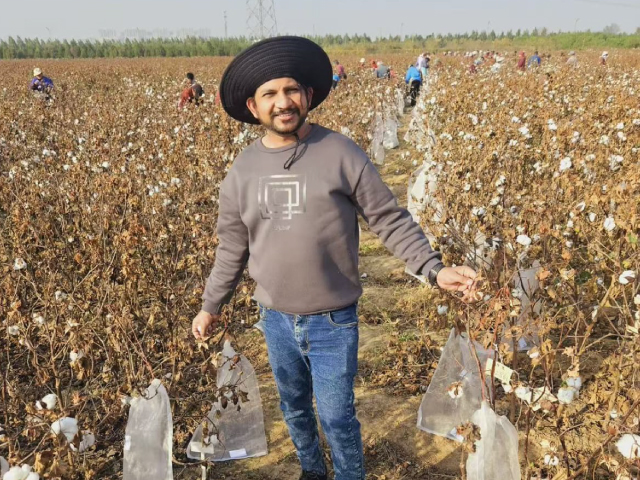
উত্তর: আমি মনে করি একজন বিজ্ঞানীর মধ্যে কৌতূহল, ধৈর্য ও সততা থাকা অত্যন্ত গুরুত্বপূর্ণ। কৌতূহল আমাদের অর্থবহ প্রশ্ন করতে এবং অজানাকে অনুসন্ধান করতে উৎসাহিত করে। গবেষণায় বারবার ব্যর্থতা, দীর্ঘ সময় ধরে পরীক্ষা-নিরীক্ষা এবং ফলাফলের জন্য বছরের পর বছর অপেক্ষা করতে হতে পারে। তাই ধৈর্য অপরিহার্য।
সততা বলতে আমি তথ্যের ক্ষেত্রে সত্যনিষ্ঠ থাকা, গবেষণার সীমাবদ্ধতা স্বীকার করা এবং ফলাফলকে কখনো অতিরঞ্জিত না করাকে বুঝি। একজন ভালো বিজ্ঞানীকে অভিযোজনক্ষমও হতে হয়—পরীক্ষা ব্যর্থ হলে নতুন পদ্ধতি শেখা এবং প্রয়োজন অনুযায়ী গবেষণার কৌশল পরিবর্তন করার মানসিকতা থাকতে হয়।
এ ছাড়া সহযোগিতা ও বিনয়ও গুরুত্বপূর্ণ। বিজ্ঞান একটি দলগত প্রচেষ্টা এবং অন্যদের কথা মনোযোগ দিয়ে শোনা থেকে অনেক সময় ভালো ধারণা পাওয়া যায়। সবশেষে, কোনো কিছু পরিকল্পনামতো না হলেও গবেষণা চালিয়ে যাওয়ার জন্য দৃঢ়তা প্রয়োজন।
প্রশ্ন: বিজ্ঞান ও গবেষণায় আগ্রহী তরুণ শিক্ষার্থীদের জন্য আপনার পরামর্শ কী?
উত্তর: আমার পরামর্শ খুব সহজ—কৌতূহলী থাকুন, ধৈর্য ধরুন এবং ব্যর্থতাকে ভয় পাবেন না। বিজ্ঞান প্রথমবারেই সবকিছু সঠিকভাবে করার বিষয় নয়। বরং ভালো প্রশ্ন করা এবং যা কাজ করেনি, সেখান থেকে শেখাই বিজ্ঞানের গুরুত্বপূর্ণ অংশ।
বিভিন্ন বিষয়ে পড়ুন, ল্যাবরেটরি ও মাঠপর্যায়ের দক্ষতা অনুশীলন করুন এবং প্রয়োজন হলে শিক্ষক, পরামর্শদাতা ও সহকর্মীদের সাহায্য নিতে দ্বিধা করবেন না। এমন একটি গবেষণার বিষয় বেছে নিন, যা সত্যিই আপনাকে আগ্রহী করে; কারণ কঠিন সময় অতিক্রম করার জন্য এই আগ্রহ আপনাকে শক্তি দেবে।
মনে রাখবেন, ছোট ছোট ধারাবাহিক প্রচেষ্টাও সময়ের সঙ্গে বড় ফল তৈরি করে। সবচেয়ে গুরুত্বপূর্ণ হলো বৃহত্তর লক্ষ্যটি মনে রাখা—আপনার গবেষণা যত ছোটই হোক না কেন, তা বাস্তব বিশ্বের কোনো না কোনো সমস্যা সমাধানে অবদান রাখতে পারে।
যোগাযোগের তথ্য:
ইমেইল: [email protected]
🔗 প্রোফাইল লিংক
🔗 LinkedIn: www.linkedin.com/in/washu-dev-bb94a0167
🔬 ResearchGate: www.researchgate.net/profile/Washu-Dev/research
ড. Washu Dev-এর গবেষণার একটি গুরুত্বপূর্ণ দিক হলো জলবায়ু পরিবর্তনের ফলে সৃষ্ট তাপমাত্রাজনিত চাপের মধ্যেও ফসলের উৎপাদনশীলতা ও স্থিতিশীলতা বজায় রাখার উপায় অনুসন্ধান। জেনেটিকস, উদ্ভিদ প্রজনন এবং আধুনিক আণবিক ও জৈবতথ্য বিশ্লেষণ পদ্ধতির সমন্বয়ে তাঁর কাজ টেকসই কৃষি ও ভবিষ্যৎ খাদ্যনিরাপত্তার সঙ্গে সম্পর্কিত। বিশেষ করে প্রতিকূল পরিবেশে সহনশীল ফসলের জাত শনাক্ত ও উন্নয়নের গবেষণা কৃষির দীর্ঘমেয়াদি চ্যালেঞ্জ মোকাবিলায় গুরুত্বপূর্ণ। বিজ্ঞানী.অর্গ টিম ড. Washu Dev-এর গবেষণাযাত্রার ধারাবাহিক সাফল্য কামনা করে এবং তাঁর গবেষণা তরুণ গবেষকদের বিজ্ঞান ও কৃষি গবেষণায় আরও আগ্রহী করে তুলুক—এই প্রত্যাশা রাখে।
Searching for Climate-Resilient Crops: An Interview with Dr. Washu Dev
Dr. Washu Dev is a plant breeder and geneticist whose research focuses on crop genetics, plant stress tolerance, and the development of improved crop varieties. According to his profile, he completed his Ph.D. in Plant Germplasm at the Chinese Academy of Agricultural Sciences (CAAS) and holds a Master’s degree in Plant Breeding and Genetics from Sindh Agricultural University.
His research interests include cotton, wheat, and tobacco, with particular emphasis on understanding how crops respond to extreme temperatures and other environmental stresses. His work involves identifying genetic factors associated with stress tolerance and using approaches such as genome-wide association studies (GWAS), transcriptomics, qPCR, and bioinformatics-based analysis.
His professional profile identifies him as a researcher specializing in cotton plant germplasm, plant genetics, and stress tolerance. His research aims to contribute to sustainable crop production by developing varieties that can maintain productivity under challenging environmental conditions.
💬 Interview
Question: What is the main focus of your research, and what problems are you trying to solve?
Answer: My research aims to assist key crops such as cotton, wheat, and tobacco in enduring extreme temperatures, both hot and cold, so that farmers can sustain yields amid climate change. I investigate how plants respond to stress genetically, identifying particular genes that provide tolerance.
I use methods such as GWAS, which analyzes DNA to associate genes with traits; transcriptomics, which examines which genes are expressed; and qPCR, which measures gene expression levels. Through these approaches, I identify important genes that respond to stress. I also examine biostimulants, which are natural compounds that strengthen a plant’s inherent defenses, as a potential approach to improving resilience.
Ultimately, I aim to develop more resilient, high-yielding varieties that can help ensure food production despite unpredictable environmental conditions.
Question: How can your research benefit society and farmers?
Answer: My research benefits society by helping farmers grow more food despite climate change. As temperatures rise and weather becomes increasingly unpredictable, many crops suffer from heat and cold stress, leading to lower yields and financial losses for farming communities.
By breeding hardier cotton, wheat, and tobacco varieties, I aim to provide farmers with seeds that can produce reliable harvests even under harsh conditions. This can contribute to stable incomes for rural families, affordable food and fiber for consumers, and reduced pressure to clear forests for new farmland.
Ultimately, my work supports global food security, sustainable agriculture, and economic resilience in vulnerable regions.
Question: What has been one of the most memorable experiences of your research career?
Answer: One of my most memorable experiences occurred during my Ph.D. fieldwork in Anyang, China, when we experienced an unexpected early cold snap that damaged many cotton plants.
Instead of feeling discouraged, I saw it as a real-world stress test. Walking through the field each morning, I observed how some plants remained green and healthy while others wilted. That experience deeply motivated my research.
I realized that identifying those resilient individuals could directly help farmers facing similar sudden weather changes. Collecting data under those difficult conditions taught me more than any textbook and reinforced why my work truly matters.
Question: What qualities do you believe are most important for a scientist?
Answer: I believe a scientist should have curiosity, patience, and integrity. Curiosity drives us to ask meaningful questions and explore the unknown. Patience is essential because research involves repeated failures, long experiments, and years of waiting for results. Success rarely comes quickly.
Integrity means being honest about data, acknowledging limitations, and never exaggerating findings. A good scientist must also be adaptable, ready to learn new tools and change approaches when experiments fail.
Collaboration and humility matter as well. Science is a team effort, and the best ideas often come from listening to others. Finally, resilience keeps us moving forward when nothing works as planned.
Question: What advice would you give to young students interested in science and research?
Answer: My advice to young students is simple: stay curious, be patient, and never fear failure. Science is not about getting everything right the first time. It is about asking good questions and learning from what does not work.
Read widely, practice your laboratory and field skills, and do not hesitate to ask for help from mentors and colleagues. Choose a research problem that genuinely excites you, because passion will sustain you through difficult days.
Remember that small, consistent efforts add up over time. Most importantly, keep your eyes on the bigger picture—your work, no matter how small, contributes to solving real-world problems.
Contact Information:
Email: [email protected]
🔗 Profile Links
🔗 LinkedIn: www.linkedin.com/in/washu-dev-bb94a0167
🔬 ResearchGate: www.researchgate.net/profile/Washu-Dev/research
Dr. Washu Dev’s research addresses an important agricultural challenge: maintaining crop productivity under increasingly unpredictable environmental conditions. His work combines plant breeding, genetics, and modern molecular and bioinformatics approaches to investigate heat and cold tolerance in crops. His focus on identifying stress-tolerant genetic resources and developing resilient crop varieties has potential relevance to sustainable agriculture and long-term food security. The Biggani.org team wishes Dr. Washu Dev continued success in his research journey and hopes that his work will encourage young researchers to explore plant genetics, agricultural science, and climate-resilient crop production.




Leave a comment