


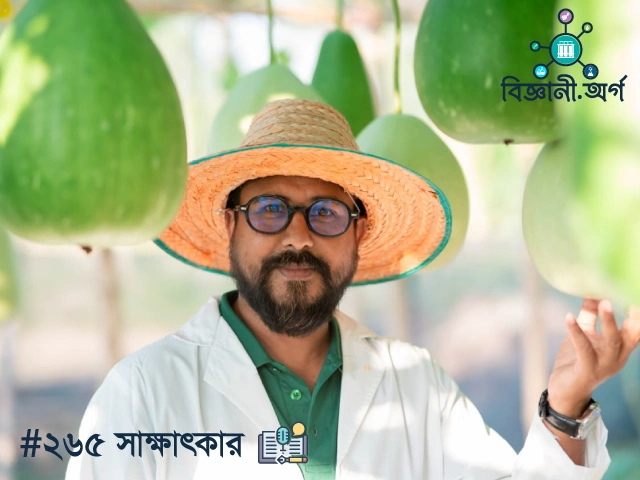
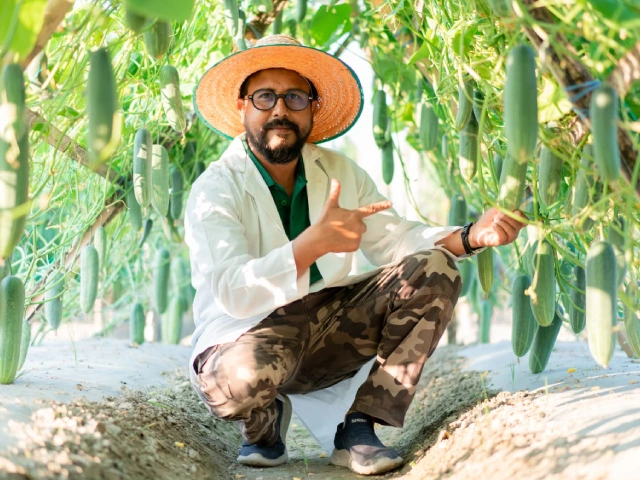
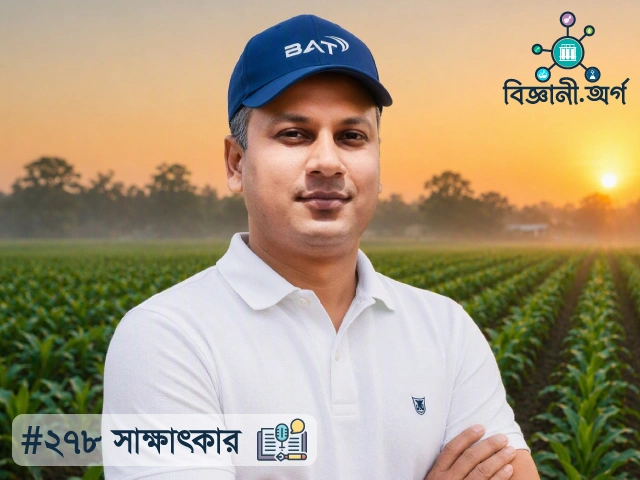
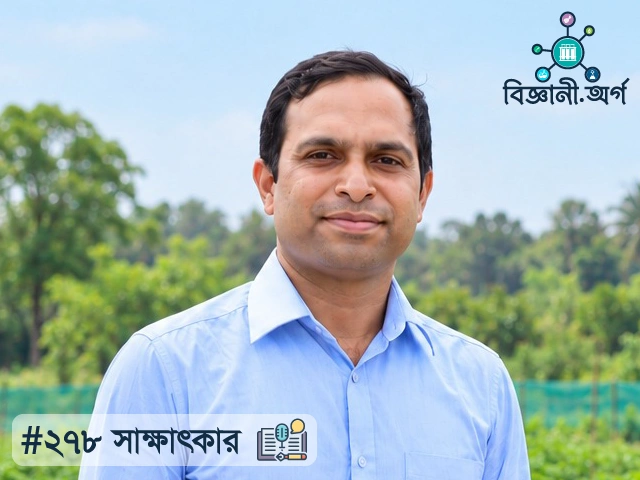
ড. মোহাম্মদ মুহিব্বুল্লাহ ইবনে হক কৃষিবিজ্ঞানের গবেষক ও পেশাজীবী। তিনি বাংলাদেশ কৃষি বিশ্ববিদ্যালয় থেকে কৃষিতে বিএসসি এবং হর্টিকালচারে এমএস ডিগ্রি অর্জন করেন। পরবর্তীতে চীনের Chinese Academy of Agricultural Sciences (CAAS) থেকে Crop Genetics & Breeding বিষয়ে পিএইচডি সম্পন্ন করেন। তাঁর পিএইচডি গবেষণার বিষয় ছিল ভুট্টার লবণাক্ততা সহনশীলতা মূল্যায়ন ও সংশ্লিষ্ট QTL mapping।
কর্মজীবনে তিনি বাংলাদেশের বীজ ও কৃষি খাতের বিভিন্ন প্রতিষ্ঠানে গবেষণা, ফসলের জাত উন্নয়ন, কৃষিবিদ্যা, পণ্য উন্নয়ন ও মাঠপর্যায়ের ট্রায়ালের সঙ্গে যুক্ত ছিলেন। বর্তমানে তিনি East-West Seed Bangladesh-এ Marketing Manager হিসেবে কাজ করছেন। এর আগে একই প্রতিষ্ঠানে Product Development Manager (Crop Agronomy) হিসেবে দায়িত্ব পালন করেছেন।

তাঁর গবেষণা ও পেশাগত আগ্রহের মধ্যে রয়েছে crop genetics and breeding, abiotic stress breeding, salinity tolerance, molecular breeding, crop variety development, organic farming, hydroponic cultivation এবং আধুনিক কৃষি প্রযুক্তি। তিনি কৃষকের বাস্তব সমস্যা, জলবায়ু পরিবর্তন এবং বাজারের চাহিদার সঙ্গে ফসলের জাত উন্নয়নকে সমন্বিত করার ওপর গুরুত্ব দেন।
💬 প্রশ্নোত্তর পর্ব
প্রশ্ন: একটি সফল সবজি জাত উদ্ভাবনের ক্ষেত্রে কোন বিষয়গুলো সবচেয়ে গুরুত্বপূর্ণ?
উত্তর: একটি সফল সবজি জাত উদ্ভাবনের জন্য ফসলের জেনেটিক বৈশিষ্ট্যের সঙ্গে বাজারের বাস্তবতাকে সমন্বয় করা প্রয়োজন। আমি এই প্রক্রিয়াকে Product-Market Combination (PMC) হিসেবে দেখি। এর মাধ্যমে নিশ্চিত করা হয় যে, একটি জাতের যে বৈশিষ্ট্যগুলো উন্নত করা হচ্ছে, সেগুলো কৃষকের সবচেয়ে গুরুত্বপূর্ণ অর্থনৈতিক ও উৎপাদনসংক্রান্ত সমস্যার সমাধান করছে।
জলবায়ু সহনশীলতা, স্থানীয় পরিবেশে অভিযোজন এবং জৈবিক চাপ প্রতিরোধের মতো বৈশিষ্ট্য কৃষকের আর্থিক ঝুঁকি কমাতে সরাসরি ভূমিকা রাখতে পারে। অনিশ্চিত আবহাওয়ার পরিস্থিতিতে শুধু সম্ভাব্য সর্বোচ্চ ফলন বাড়ানোর চেয়ে ফসল সম্পূর্ণ নষ্ট হওয়ার ঝুঁকি কমিয়ে একটি নির্ভরযোগ্য ফলন নিশ্চিত করা অনেক সময় কৃষকের জন্য বেশি গুরুত্বপূর্ণ।
প্রশ্ন: বাংলাদেশে অফ-সিজন চাষাবাদ ও ফসলের জাত উন্নয়নের ক্ষেত্রে আপনার দলের কী ধরনের কাজের অভিজ্ঞতা রয়েছে?
উত্তর: East-West Seed-এ আমার দলের কাজের একটি গুরুত্বপূর্ণ উদাহরণ হলো বাংলাদেশের National Crop Calendar পরিবর্তনে ভূমিকা রাখা। নতুন জাতের মাধ্যমে আমরা নতুন বপন ও চাষের সময় তৈরি করার সুযোগ পেয়েছি। এর ফলে কৃষিতে শুধু ফলন সর্বোচ্চ করার পরিবর্তে বাজারদরকে বিবেচনায় নিয়ে উৎপাদনের সুযোগ তৈরি হয়েছে।
কোনো একটি জাত যদি অফ-সিজনে চাষের উপযোগী হয়, তাহলে কৃষক এমন সময়ে ফসল উৎপাদন করতে পারেন যখন বাজারে সরবরাহ কম থাকে এবং দাম তুলনামূলক বেশি থাকে। অর্থাৎ, উচ্চ পরিমাণের সাধারণ পণ্য উৎপাদনের পরিবর্তে উচ্চমূল্যের বাজারে প্রবেশের সুযোগ তৈরি হয়।
প্রশ্ন: অফ-সিজন PMC-এর কয়েকটি বাস্তব উদাহরণ সম্পর্কে জানতে চাই।
উত্তর: পরিবেশগত সীমাবদ্ধতা মোকাবিলায় জাত উন্নয়নের মাধ্যমে আমরা কয়েকটি গুরুত্বপূর্ণ বাজারের সমস্যা সমাধানের চেষ্টা করেছি।
শীতকালীন হাইব্রিড শসা: শীতের সময় অতিরিক্ত ঠান্ডায় চারা মারা যাওয়া, গাছের বৃদ্ধি কমে যাওয়া এবং ফলন কমে যাওয়ার সমস্যা দেখা যায়। উচ্চ seedling vigor এবং cold-tolerance genetics ব্যবহার করে এই সমস্যার সমাধানের চেষ্টা করা হয়েছে। এর ফলে এমন সময়ে শসা সরবরাহ করা সম্ভব হয়, যখন সাধারণ জাতের শসা বাজারে কম পাওয়া যায়। এতে কৃষক শীতকালীন উচ্চ পাইকারি দামের সুবিধা নিতে পারেন।
অতি-আগাম বর্ষাকালীন হাইব্রিড টমেটো: বর্ষাকালে জলাবদ্ধতা, অতিরিক্ত আর্দ্রতা, ভাইরাস ও bacterial wilt টমেটো উৎপাদনে বড় সমস্যা তৈরি করে। এজন্য বৃষ্টিসহিষ্ণু, আগাম পরিপক্ব এবং উচ্চ তাপমাত্রা ও আর্দ্রতায় ফলন দিতে সক্ষম জাতের পাশাপাশি রোগ প্রতিরোধী বৈশিষ্ট্যকে গুরুত্ব দেওয়া হয়েছে। এর মাধ্যমে বর্ষাকালীন টমেটোর ঘাটতির বাজারে উৎপাদনের সুযোগ তৈরি করা যায় এবং আমদানিনির্ভরতা কমানোর সম্ভাবনা তৈরি হয়।
Day-Length Neutral Hybrid Pumpkin: প্রচলিত অনেক কুমড়ার জাত দিনের দৈর্ঘ্যের ওপর নির্ভরশীল হওয়ায় নির্দিষ্ট সময়ে গাছের বৃদ্ধি ও ফলন সীমাবদ্ধ থাকে। Photoperiod-insensitive জাত ব্যবহার করে দিনের দৈর্ঘ্যের পরিবর্তন নির্বিশেষে ফুল ও ফল ধরার সুযোগ তৈরি করা যায়। এর ফলে সারা বছর তুলনামূলকভাবে অভিযোজনযোগ্য চাষাবাদ সম্ভব হয় এবং বাজারের ঘাটতির সময় অনুযায়ী কৃষক ফসল সংগ্রহের পরিকল্পনা করতে পারেন।
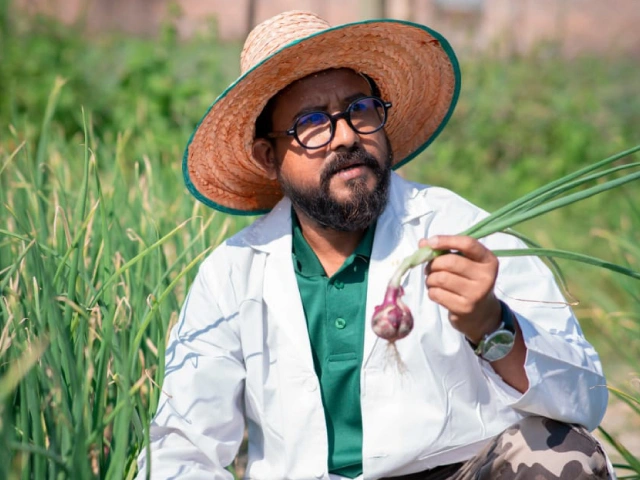
বর্ষাকালীন পেঁয়াজের জাত: বর্ষাকালে অতিরিক্ত আর্দ্রতার কারণে বাংলাদেশে পেঁয়াজ উৎপাদন ও সংরক্ষণে সমস্যা দেখা দেয় এবং আমদানির ওপর নির্ভরতা বাড়ে। এমন বৈশিষ্ট্যের জাত উন্নয়নের চেষ্টা করা হয়েছে, যেখানে বেশি আর্দ্রতা ও কম সৌর বিকিরণের মধ্যেও bulb formation সম্ভব এবং শক্তভাবে আবদ্ধ খোসা মাঠে পচন কমাতে সহায়তা করে। এর ফলে কৃষক সরাসরি তাজা পেঁয়াজ বাজারজাত করতে পারেন এবং আমদানিনির্ভরতা কমানোর সুযোগ তৈরি হয়।
প্রশ্ন: একজন আধুনিক কৃষিবিজ্ঞানী বা গবেষকের কী ধরনের দক্ষতা থাকা প্রয়োজন?
উত্তর: উচ্চমাত্রার প্রভাব তৈরি করতে একজন আধুনিক কৃষিবিজ্ঞানী বা গবেষকের মধ্যে প্রযুক্তিগত, কৌশলগত ও মানবিক দক্ষতার সমন্বয় থাকা প্রয়োজন। আমি বিষয়টিকে চারটি প্রধান মাত্রায় দেখি।
প্রথমত, কৃষককেন্দ্রিক দৃষ্টিভঙ্গি ও মাঠপর্যায়ের অভিজ্ঞতা। একজন গবেষক শুধু শীতাতপ নিয়ন্ত্রিত গবেষণাগার বা গবেষণা কেন্দ্রে সীমাবদ্ধ থাকলে চলবে না। কৃষকের বাস্তব সমস্যা সরাসরি বোঝার জন্য মাঠে সময় দিতে হবে। কৃষকের কথা মনোযোগ দিয়ে শুনতে হবে এবং তাদের আর্থিক ও সামাজিক বাস্তবতা বিবেচনায় নিতে হবে। কোনো টমেটোর জাত শুধু ফলন কম হওয়ার কারণে ব্যর্থ নাও হতে পারে; স্থানীয় সড়কে পরিবহনের সময় ফল ভেঙে যাওয়ার কারণেও তা কৃষকের জন্য অনুপযোগী হতে পারে।
দ্বিতীয়ত, বৈজ্ঞানিক দক্ষতা ও systems thinking। জটিল পরিবেশগত চাপ মোকাবিলায় genetics and breeding-এর পাশাপাশি meteorology, plant pathology, entomology এবং soil science-এর মতো বিভিন্ন ক্ষেত্রের জ্ঞানকে একত্রে বিবেচনা করতে হয়। পরিবেশগত তথ্য, trial yield এবং বিভিন্ন স্থানের ফলাফল বিশ্লেষণের জন্য data-driven problem-solving দক্ষতা প্রয়োজন। একই সঙ্গে ভবিষ্যতের আবহাওয়া, পোকামাকড়ের বিস্তার ও রোগের পরিবর্তন সম্পর্কে ধারণা রেখে গবেষণার পরিকল্পনা করতে হবে।
তৃতীয়ত, ব্যবসায়িক ও Product-Market Combination দৃষ্টিভঙ্গি। বৈজ্ঞানিক গবেষণা তখনই কার্যকর হয় যখন তা বাজারের বাস্তবতার সঙ্গে সামঞ্জস্যপূর্ণ হয়। কোথায় বাজারে সরবরাহের ঘাটতি রয়েছে, কোথায় আমদানিনির্ভরতা রয়েছে এবং কৃষকের জন্য কোন জাত অর্থনৈতিকভাবে লাভজনক হতে পারে—এসব বিষয় বিবেচনা করতে হবে। একই সঙ্গে ভোক্তার চাহিদা অনুযায়ী স্বাদ, রং, আকার ও সংরক্ষণক্ষমতাও নিশ্চিত করতে হবে।
চতুর্থত, অধ্যবসায়, কৌতূহল ও সহযোগিতার মানসিকতা। একটি স্থিতিশীল বাণিজ্যিক হাইব্রিড জাত তৈরি করতে বহু বছর ধরে পরীক্ষা-নিরীক্ষা ও নির্বাচন করতে হয়। শত শত breeding line বা experimental hybrid ব্যর্থ হতে পারে। তাই ব্যর্থতা গ্রহণের মানসিকতা, প্রচলিত ধারণাকে প্রশ্ন করার সাহস এবং জটিল বৈজ্ঞানিক ধারণাকে কৃষক ও মাঠকর্মীদের জন্য সহজ ও ব্যবহারযোগ্য পরামর্শে রূপান্তর করার দক্ষতা প্রয়োজন।
প্রশ্ন: বাংলাদেশের তরুণ শিক্ষার্থীদের জন্য আপনার পরামর্শ কী?
উত্তর: বাংলাদেশের যেসব তরুণ শিক্ষার্থী আমাদের মাঠ, নদী এবং দ্রুত পরিবর্তনশীল জলবায়ুর দিকে তাকিয়ে ভাবেন—তারা কীভাবে দেশের জন্য পরিবর্তন আনতে পারেন—তাদের জন্য আমার বার্তা হলো: বিজ্ঞান কোনো মুখস্থ করার বিষয় নয়; এটি এমন একটি শক্তিশালী হাতিয়ার, যার মাধ্যমে আপনারা দেশের ভবিষ্যৎকে নতুনভাবে নির্মাণ করতে পারেন।
আপনি যদি বিজ্ঞান ও গবেষণাকে পেশা হিসেবে নিতে চান, তাহলে মনে রাখবেন—বাংলাদেশ শুধু জলবায়ু ঝুঁকিপূর্ণ একটি দেশ নয়; এটি উদ্ভাবনের জন্য বিশ্বের অন্যতম গুরুত্বপূর্ণ জীবন্ত গবেষণাগার।
প্রশ্ন: কৃষি উদ্ভাবনের দীর্ঘ যাত্রা থেকে আপনি সবচেয়ে গুরুত্বপূর্ণ কী শিক্ষা পেয়েছেন?
উত্তর: কৃষি উদ্ভাবনের সামগ্রিক অভিজ্ঞতা—বিশেষ করে বাংলাদেশের National Crop Calendar পরিবর্তনে ভূমিকা রাখা উদ্যোগগুলো—থেকে একটি বিষয়কে সবচেয়ে গুরুত্বপূর্ণ শিক্ষা হিসেবে দেখা যায়: প্রকৃতির সীমা পরিবর্তনশীল, কিন্তু বাজারের মানসম্পন্ন পণ্যের চাহিদা নির্দিষ্ট।
গবেষণার প্রকৃত প্রভাব তিনটি শক্তির কেন্দ্রে তৈরি হয়—
১. Genetics বা উদ্ভিদ: এটি কি প্রতিকূল পরিবেশগত চাপ সহ্য করতে পারবে?
২. Farmer বা কৃষকের অর্থনীতি: এটি কি কৃষকের উৎপাদন খরচ কমাবে এবং তার আয় ও আর্থিক নিরাপত্তা রক্ষা করবে?
৩. Consumer বা বাজার: পণ্যটি কি ভোক্তার চাহিদা অনুযায়ী দেখতে, খেতে এবং সংরক্ষণ করতে উপযোগী হবে?
এই তিনটি বিষয়কে একসঙ্গে বিবেচনা করেই গবেষণার বাস্তব প্রভাব তৈরি করা সম্ভব।
প্রশ্ন: কৃষির ভবিষ্যতে INM ও IPM-এর মতো পদ্ধতির ভূমিকা কীভাবে দেখেন?
উত্তর: Integrated Nutrient Management (INM) এবং Integrated Pest Management (IPM)-কে জলবায়ু-সহনশীল ফসলের জাতের সঙ্গে সমন্বয় করা প্রয়োজন। এর মাধ্যমে আধুনিক ক্ষুদ্র কৃষির দুটি বড় সমস্যা—ক্রমবর্ধমান উৎপাদন উপকরণের খরচ এবং পরিবেশগত অবক্ষয়—একসঙ্গে মোকাবিলা করার সুযোগ তৈরি হয়।
জলবায়ু-সহনশীল জাতের সঙ্গে সমন্বিত পুষ্টি ব্যবস্থাপনা ও সমন্বিত বালাই ব্যবস্থাপনা ব্যবহার করলে কৃষি উৎপাদনকে আরও টেকসই ও অর্থনৈতিকভাবে কার্যকর করার সম্ভাবনা তৈরি হয়।
ড. মোহাম্মদ মুহিব্বুল্লাহ ইবনে হক
📧 ইমেইল: [email protected]
🔗 প্রোফাইল লিংক
🔗 লিংকডইন: ড. মোহাম্মদ মুহিব্বুল্লাহ ইবনে হকের LinkedIn প্রোফাইল
ড. মোহাম্মদ মুহিব্বুল্লাহ ইবনে হকের কাজের আলোচনায় কৃষিবিজ্ঞান, ফসলের জাত উন্নয়ন, জলবায়ু অভিযোজন এবং কৃষকের অর্থনৈতিক বাস্তবতার একটি সমন্বিত চিত্র পাওয়া যায়। বিশেষ করে স্থানীয় পরিবেশ ও বাজারের চাহিদার সঙ্গে সামঞ্জস্য রেখে ফসলের জাত উন্নয়নের ধারণাটি বাংলাদেশের কৃষির জন্য গুরুত্বপূর্ণ। তাঁর অভিজ্ঞতা দেখায়, গবেষণার ফল মাঠপর্যায়ে কার্যকর করতে বৈজ্ঞানিক জ্ঞানের পাশাপাশি কৃষক, বাজার ও ভোক্তার প্রয়োজন বোঝাও জরুরি। বিজ্ঞানী অর্গ টিম তাঁর গবেষণা ও কৃষি উন্নয়নমূলক কাজের জন্য শুভকামনা জানাচ্ছে। তাঁর অভিজ্ঞতা বাংলাদেশের তরুণ শিক্ষার্থীদের কৃষিবিজ্ঞান ও গবেষণায় আগ্রহী হতে অনুপ্রাণিত করুক—এই প্রত্যাশা।
Connecting Crop Genetics, Farmers, and Markets for Better Agriculture — Dr. Mohammad Muhebbullah Ibne Hoque
Dr. Mohammad Muhebbullah Ibne Hoque is an agricultural scientist and professional working in crop variety development, crop genetics and breeding, agronomy, and agricultural product development. He earned his Bachelor of Science in Agriculture and Master of Science in Applied Horticulture from Bangladesh Agricultural University. He later completed his PhD in Agriculture, with a focus on Crop Genetics and Breeding, from the Chinese Academy of Agricultural Sciences (CAAS) in China. His doctoral research focused on the evaluation and mapping of QTLs associated with salinity tolerance in maize.
Dr. Hoque has extensive professional experience in Bangladesh’s seed and agricultural sectors. He has worked in research, crop variety development, agronomic trials, product development, farmer engagement, and agricultural technology extension. He is currently serving as Marketing Manager at East-West Seed Bangladesh, following his previous role as Product Development Manager (Crop Agronomy).
His professional and research interests include crop genetics and breeding, abiotic stress breeding, salinity tolerance, molecular breeding, crop variety development, organic farming, hydroponic cultivation, and modern agricultural technologies. His work emphasizes connecting scientific innovation with farmers’ practical needs, climate resilience, and market demand.
💬 Interview
Question: What are the most important factors in developing a successful vegetable variety?
Answer: Developing a successful vegetable variety requires matching crop genetics with market realities. I view this process as a Product-Market Combination (PMC). It ensures that the traits you breed or improve directly address the farmer’s highest-priority economic and physical bottlenecks.
Focusing on climate resilience, local adaptability, and biological stress resistance directly addresses the root of a farmer’s financial vulnerability. In unpredictable weather, protecting the yield floor—preventing crop failure—is often more valuable to a farmer than simply increasing the theoretical yield ceiling.
Question: What experience has your team gained in developing off-season cultivation opportunities and improving crop varieties in Bangladesh?
Answer: One of the key examples of my team’s work with East-West Seed is our contribution to altering the Bangladesh National Crop Calendar. By creating entirely new sowing windows, we have shifted the agricultural economic model from yield optimization toward price optimization.
When a variety allows off-season cultivation, it creates an opportunity for farmers to produce crops during periods of supply shortages. This can provide access to premium market prices and shift production from high-volume commodities toward higher-margin market windows.
Question: Could you give us some practical examples of your off-season Product-Market Combination breakthroughs?
Answer: By addressing environmental limitations through breeding, specific crops can target high-value market inefficiencies. Some examples include:
Winter Season Hybrid Cucumber:
The main challenge is the high mortality rate caused by cold shock, stunting, and low fruit set during peak winter. The product solution involves high seedling vigor and cold-tolerance genetics. The economic impact is a steady supply of cucumbers during a period when standard varieties become scarce, allowing farmers to access peak winter wholesale prices.
Extra-Early Rainy Season Hybrid Tomato:
Extreme waterlogging and humid conditions during the monsoon can cause severe viral diseases and bacterial wilt. The product solution involves rain-tolerant, early-maturing varieties with high heat and moisture tolerance, combined with foliar disease resistance. This creates an opportunity to address the traditional summer-monsoon tomato deficit and reduce dependence on imported tomatoes.
Day-Length Neutral Hybrid Pumpkin:
Traditional pumpkin varieties are highly sensitive to photoperiods, which limits their vegetative and fruiting cycles to specific periods. The product solution involves photoperiod-insensitive lines that can flower and fruit regardless of changes in daylight duration. This allows more flexible, year-round cultivation and enables farmers to time production according to known market supply deficits.
Rainy Season Onion Variety:
Bangladesh has significant dependence on imported onions during the monsoon because of storage losses and the poor performance of conventional bulb varieties under rainy conditions. The product solution involves varieties with bulbing traits that can be triggered under high moisture and lower solar radiation, combined with tightly sealed skins that help reduce field rotting. The economic impact is significant potential for import substitution, allowing farmers to sell fresh onion bulbs directly into a supply-deficient market.
Question: What qualities and skills should a modern agricultural scientist or researcher possess to create systemic impact?
Answer: To create a high level of systemic impact, a modern agricultural scientist or researcher must possess a unique combination of technical, strategic, and human qualities. I would categorize these into four core dimensions.
1. Farmer-Centric Empathy and Field Orientation
An impactful researcher should not work exclusively in an air-conditioned laboratory or an isolated research station.
Grit for the Field: Researchers need the willingness to spend time in the mud, rain, and heat alongside smallholder farmers to observe real-world challenges firsthand.
Active Listening: Researchers must look beyond scientific assumptions and genuinely listen to farmers’ lived experiences. For example, a tomato variety may not be failing because of its yield potential; it may fail because the fruits break during transportation on local roads.
Cultural and Socio-Economic Awareness: Researchers need to understand the financial constraints of their target farming communities so that the technologies they develop remain affordable and adoptable.
2. High-Level Scientific Rigor and Systems Thinking
Developing genetic traits capable of withstanding complex environmental pressures requires deep, multidisciplinary expertise.
Cross-Disciplinary Vision: Researchers should be able to connect genetics and breeding with meteorology, plant pathology, entomology, and soil science.
Data-Driven Problem Solving: Strong analytical skills are necessary to interpret environmental data, trial yields, and multi-location performance metrics under climate stress.
Forward-Looking Climate Foresight: Researchers need to anticipate how weather patterns, pest migration, and disease strains may evolve over the next five to ten years so that breeding pipelines remain ahead of emerging challenges.
3. Business Acumen and a Product-Market Combination Mindset
As my work with East-West Seed demonstrates, great science is ineffective if it does not align with market dynamics.
Market Window Identification: Researchers need the strategic ability to identify commercial inefficiencies, supply shortages, and import-dependence bottlenecks, such as Bangladesh’s monsoon onion shortage or winter cucumber shortage.
Consumer Alignment: While breeding for climate resilience and other desirable traits, the final product must still meet consumer and wholesaler expectations regarding taste, color, shape, and shelf life.
Value Proposition Focus: Researchers should be able to develop seed products where the economic return on investment for farmers is clear, making adoption an easier decision.
4. Persistence, Curiosity, and Collaborative Spirit
Developing a stable commercial hybrid variety requires years of trial, error, and careful selection.
High Tolerance for Failure: Hundreds of breeding lines or experimental hybrids may fail during extreme stress testing before a resilient and commercially viable variety is identified.
Bold Intellectual Curiosity: Researchers should be willing to challenge long-standing assumptions—for example, the belief that a particular crop cannot be cultivated during the monsoon season.
Collaborative Communication: Researchers must be able to serve as a bridge between scientific knowledge and agricultural practice, translating complex molecular or agronomic concepts into simple, actionable recommendations for extension workers and farmers.
Question: What is your message to young students in Bangladesh who want to pursue science and research?
Answer: To young students in Bangladesh who look at our fields, rivers, and rapidly changing climate and wonder how they can make a difference, I would say: Science is not a textbook to be memorized; it is one of the most powerful tools you have to rewrite your country’s future.
If you want to pursue science and research, remember that Bangladesh is not simply a country vulnerable to climate change—it is also one of the world’s most important living laboratories for innovation.
Question: What is the most important lesson you have learned from your journey in agricultural innovation?
Answer: If I could distill the collective journey of agricultural innovation—especially the breakthroughs that contributed to changes in the Bangladesh National Crop Calendar—into one defining lesson, it would be this:
Nature’s boundaries are flexible, but the market’s demand for quality is absolute.
The most important lesson is that true research impact exists at the intersection of three competing forces:
1. Genetics — The Plant: Can the crop survive harsh environmental stresses?
2. The Farmer — The Economy: Does the technology reduce input costs and protect the farmer’s income?
3. The Consumer — The Market: Does the product look, taste, and store exactly as consumers expect?
The integration of these three dimensions is essential for transforming scientific research into meaningful agricultural impact.
Question: What role do INM and IPM play in the future of sustainable agriculture?
Answer: By combining Integrated Nutrient Management (INM) and Integrated Pest Management (IPM) with climate-resilient varieties, we can address two major challenges facing modern smallholder agriculture: rapidly increasing input costs and ecological degradation.
The integration of climate-resilient varieties with improved nutrient and pest management practices can contribute to a more sustainable, productive, and economically viable agricultural system.
Dr. Mohammad Muhebbullah Ibne Hoque
📧 Email: [email protected]
🔗 Profile Links
🔗 LinkedIn: Dr. Mohammad Muhebbullah Ibne Hoque
Dr. Mohammad Muhebbullah Ibne Hoque’s work demonstrates how agricultural science can connect crop genetics, climate resilience, farmers’ economic realities, and market demand. His experience in crop variety development and agricultural product development highlights the importance of translating scientific research into practical solutions for farmers. His emphasis on the relationship among the plant, farmer, and consumer provides a useful framework for understanding how research can create meaningful impact in agriculture. The Biggani.org team wishes Dr. Hoque continued success in his professional and research endeavors and hopes his experience will encourage young Bangladeshi students to explore agriculture, science, and research.




Leave a comment