

নানার একটি কথা থেকে শুরু, আজ গবেষণা আরও শক্তিশালী ও শক্তিসাশ্রয়ী কম্পিউটিং প্রযুক্তির ভবিষ্যৎ নিয়ে
একটি স্মার্টফোনকে যদি প্রতিদিন চার্জ না করে মাসের পর মাস ব্যবহার করা যেত? কিংবা ভবিষ্যতে এমন একটি ছোট্ট যন্ত্র যদি আমাদের ঘরেই থাকত, যা শরীরের অসুস্থতা শনাক্ত করবে, প্রয়োজনীয় তথ্য বিশ্লেষণ করবে এবং ব্যক্তিভেদে চিকিৎসায় সহায়তা করবে? আজকের বাস্তবতায় এসব ভাবনা অনেকটা বিজ্ঞান কল্পকাহিনির মতো শোনাতে পারে। কিন্তু বিজ্ঞান তো বহুবার কল্পনাকেই বাস্তবে পরিণত করেছে।
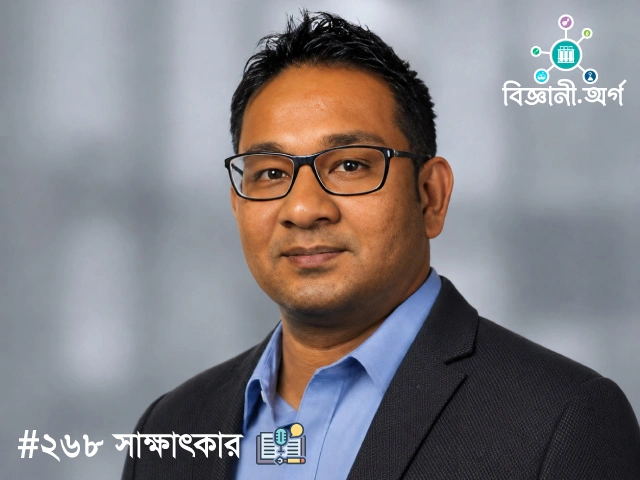
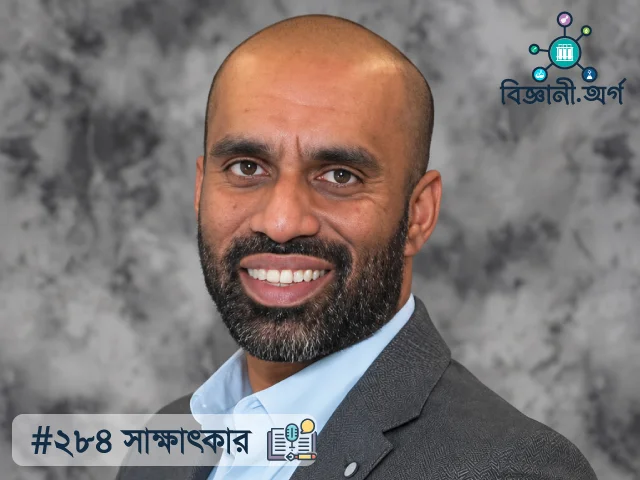
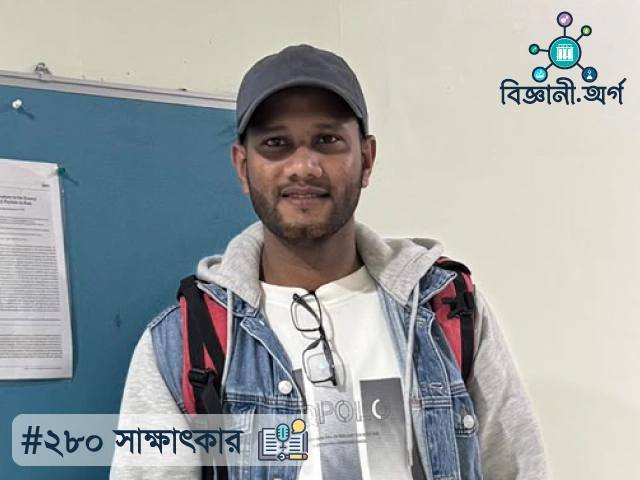
যুক্তরাষ্ট্রের জর্জিয়া ইনস্টিটিউট অব টেকনোলজির ইলেকট্রিক্যাল অ্যান্ড কম্পিউটার ইঞ্জিনিয়ারিং বিভাগের সহযোগী অধ্যাপক ড. আসিফ খানের গবেষণার কেন্দ্রে রয়েছে ঠিক এমনই একটি ভবিষ্যৎ—যেখানে কম্পিউটার আরও শক্তিশালী হবে, কিন্তু সেই শক্তি অর্জনের জন্য বিদ্যুতের প্রয়োজন হবে অনেক কম।

তাঁর গবেষণার ক্ষেত্র উন্নত সেমিকন্ডাক্টর, লজিক ও মেমোরি ডিভাইস, ফেরোইলেকট্রিক অক্সাইড, নেগেটিভ ক্যাপাসিট্যান্স এবং শক্তিসাশ্রয়ী কৃত্রিম বুদ্ধিমত্তা বা এআই হার্ডওয়্যার। ইন্টেল রাইজিং স্টার অ্যাওয়ার্ড, যুক্তরাষ্ট্রের ন্যাশনাল সায়েন্স ফাউন্ডেশনের ক্যারিয়ার অ্যাওয়ার্ড এবং ডার্পার ইয়ং ফ্যাকাল্টি অ্যাওয়ার্ডসহ একাধিক স্বীকৃতি পেয়েছেন তিনি। বর্তমানে গবেষণার পাশাপাশি নতুন প্রজন্মের শিক্ষার্থীদেরও তৈরি করছেন এমন সব সমস্যার সমাধানে, যেগুলো আগামী কয়েক দশকের প্রযুক্তির গতিপথ নির্ধারণ করতে পারে।
কিন্তু এই গবেষক হওয়ার গল্পটি শুরু হয়েছিল আধুনিক কোনো গবেষণাগারে নয়। শুরু হয়েছিল বাংলাদেশে তাঁর শৈশবের একটি পরিবারে, যেখানে প্রশ্ন করা, গল্প শোনা এবং পৃথিবীকে জানার প্রতি ছিল গভীর আগ্রহ।
নানার গল্পে বিজ্ঞানী হওয়ার বীজ
ড. আসিফ খানের শৈশব ও কৈশোর কেটেছে বাংলাদেশে। তাঁর পরিবারে ছিল অনুসন্ধিৎসু এক পরিবেশ। বিশেষ করে নানার প্রভাব তাঁর জীবনে গভীর।
তাঁর নানা ছিলেন একজন শিক্ষাবিদ। বাংলাদেশের স্বাধীনতার আগেই উচ্চশিক্ষার জন্য ইংল্যান্ডে গিয়েছিলেন। ছোটবেলায় নাতিকে তিনি শুধু রূপকথা শোনাতেন না; শোনাতেন নবী, বিজ্ঞানী, নোবেলজয়ী এবং মানবসভ্যতায় অবদান রাখা অসাধারণ মানুষদের গল্প।
এসব গল্পের মূল বিষয় ছিল কে কত বড় হয়েছেন তা নয়, বরং তাঁরা মানুষের জীবনকে কীভাবে উন্নত করেছেন।
নানার একটি কথা আজও ড. আসিফ খানের মনে গেঁথে আছে। কথাটির অর্থ ছিল—এ যুগে নবী হওয়া সম্ভব নয়, কিন্তু একজন মহান বিজ্ঞানী হওয়া এখনো সম্ভব।
শৈশবে হয়তো কথাটি তিনি পেশা নির্বাচনের পরামর্শ হিসেবে নেননি। কিন্তু সময়ের সঙ্গে তিনি বুঝেছেন, নানার কথার গভীরে ছিল মানুষের জন্য কিছু করার আহ্বান।
সেখান থেকেই প্রকৃতির অজানা রহস্য জানার আকাঙ্ক্ষা ধীরে ধীরে তাঁর মধ্যে শক্ত হয়েছে। তিনি নিজেও বলেন, ক্যারিয়ারের শুরুতে ঠিক কী করবেন, সে বিষয়ে তাঁর সবসময় সুস্পষ্ট পরিকল্পনা ছিল না। কিন্তু একটি আকাঙ্ক্ষা ছিল স্থায়ী—প্রকৃতিকে গভীরভাবে বোঝা, বিশেষ করে যে বিষয়গুলো মানুষ এখনো পুরোপুরি বুঝে উঠতে পারেনি।
পরে তিনি পড়েছেন ঢাকার নটর ডেম কলেজে এবং বাংলাদেশ প্রকৌশল বিশ্ববিদ্যালয়ে—বুয়েটের তড়িৎ ও ইলেকট্রনিক কৌশল বিভাগে।
তাঁর ভাষায়, গন্তব্যের চেয়েও যাত্রাটিই আসল। সেই যাত্রা এখনো চলছে।
বুয়েটে গবেষণার প্রথম হাতেখড়ি
বুয়েটে থাকার সময়ই গবেষণার সঙ্গে ড. আসিফ খানের ঘনিষ্ঠ পরিচয়। তিনি এমন শিক্ষক ও মেন্টর পেয়েছিলেন, যাঁরা তাঁকে স্নাতক পর্যায়েই গবেষণা শুরু করার সুযোগ দেন। গবেষণাপত্র প্রকাশের অভিজ্ঞতাও আসে তুলনামূলকভাবে শুরুর দিকেই।
তবে তাঁর শেখার জগৎ শুধু বুয়েটের মধ্যেই সীমাবদ্ধ ছিল না।
তিনি ঢাকা বিশ্ববিদ্যালয়, নর্থ সাউথ ইউনিভার্সিটিসহ বিভিন্ন প্রতিষ্ঠানের শিক্ষকদের সঙ্গেও নিয়মিত কথা বলতেন। বৈজ্ঞানিক অনুষ্ঠান ও আলোচনায় অংশ নিতেন। ২০০৫ সালে ‘ইন্টারন্যাশনাল ইয়ার অব লাইট’ উপলক্ষে আয়োজিত একটি অনুষ্ঠানে তিনি বিজ্ঞানী জগদীশচন্দ্র বসুর রেডিওবিষয়ক উদ্ভাবন নিয়েও বক্তৃতা দিয়েছিলেন।
এই অভিজ্ঞতা থেকে গবেষণা সম্পর্কে তাঁর একটি গুরুত্বপূর্ণ উপলব্ধি তৈরি হয়—একজন শিক্ষার্থী একা কী করছেন, শুধু সেটিই তাঁর বিকাশ নির্ধারণ করে না; তিনি নিজেকে কাদের মধ্যে রাখছেন, সেটিও সমান গুরুত্বপূর্ণ।
অনুসন্ধিৎসু, পরিশ্রমী এবং প্রশ্ন করতে ভালোবাসেন—এমন মানুষদের মধ্যে থাকলে চিন্তার জগৎও বদলে যায়। এই নীতিটি তিনি আজও তরুণ শিক্ষার্থীদের জন্য গুরুত্বপূর্ণ মনে করেন।
বার্কলেতে একটি কঠিন সমস্যার সঙ্গে সাত-আট বছর
বুয়েটের পর উচ্চশিক্ষার জন্য ড. আসিফ খান যান যুক্তরাষ্ট্রের ইউনিভার্সিটি অব ক্যালিফোর্নিয়া, বার্কলেতে।
সেখানে তাঁর গবেষণাজীবনের একটি গুরুত্বপূর্ণ অধ্যায় শুরু হয় ‘নেগেটিভ ক্যাপাসিট্যান্স’ বা ঋণাত্মক ধারকত্ব নিয়ে।
শব্দটি শুনতে জটিল। সহজভাবে বোঝার জন্য প্রথমে ‘ক্যাপাসিট্যান্স’ বা ধারকত্ব বোঝা যাক। বৈদ্যুতিক কোনো উপাদান কতটা বৈদ্যুতিক চার্জ ধরে রাখতে পারে, তার একটি পরিমাপ হলো ক্যাপাসিট্যান্স। প্রচলিত ব্যবস্থায় এর আচরণ সম্পর্কে প্রকৌশলীদের একটি পরিচিত ধারণা রয়েছে। কিন্তু বিশেষ ধরনের ফেরোইলেকট্রিক পদার্থ ব্যবহার করে এমন একটি অবস্থা তৈরি করা সম্ভব কি না, যেখানে প্রচলিত ধারণার বাইরে গিয়ে অত্যন্ত কম শক্তিতে ট্রানজিস্টর চালানো যাবে—এ প্রশ্ন থেকেই নেগেটিভ ক্যাপাসিট্যান্স নিয়ে গবেষণার গুরুত্ব।
তাঁর পিএইচডি উপদেষ্টা এই ধারণার একটি তাত্ত্বিক কাঠামো প্রস্তাব করেছিলেন। কিন্তু তত্ত্ব আর পরীক্ষাগারে বাস্তব প্রমাণ এক জিনিস নয়।
ড. আসিফ খান প্রায় সাত থেকে আট বছর ধরে সেই ধারণাকে পরীক্ষার মাধ্যমে প্রমাণ করার চেষ্টা করেন।
একটি কঠিন সমস্যার সঙ্গে এত দীর্ঘ সময় বসবাস করার অভিজ্ঞতাই তাঁর গবেষকসত্তাকে বদলে দেয়। একটি ধারণা নিয়ে যখন কেউ বছরের পর বছর চিন্তা করেন, পরীক্ষা করেন, ব্যর্থ হন এবং আবার চেষ্টা করেন, তখন সেটি আর শুধু অন্য কারও প্রস্তাবিত সমস্যা থাকে না—নিজের চিন্তার অংশ হয়ে যায়।
পরবর্তীতে জর্জিয়া টেকে শিক্ষক হিসেবে যোগ দেওয়ার পর তাঁর দায়িত্বের ধরনও বদলায়। পিএইচডি শিক্ষার্থী হিসেবে তিনি একটি সমস্যার সমাধান করতেন। এখন একজন অধ্যাপক হিসেবে তাঁকে ভাবতে হয়—কোন সমস্যাটি এত গুরুত্বপূর্ণ যে তাঁর কোনো শিক্ষার্থী জীবনের চার থেকে ছয় বছর সেটির পেছনে ব্যয় করতে পারে?
এটাই গবেষণার আরেক স্তর: শুধু সমস্যা সমাধান নয়, সমাধান করার মতো গুরুত্বপূর্ণ সমস্যা খুঁজে বের করা।
এআইয়ের আড়ালে যে অদৃশ্য বিদ্যুৎ খরচ
বর্তমানে ড. আসিফ খানের গবেষণার কথা বলতে গেলে এআই হার্ডওয়্যারের প্রসঙ্গ প্রায় অনিবার্য। কিন্তু তাঁর মতে, তিনি কোনো জনপ্রিয় প্রবণতাকে অনুসরণ করে হঠাৎ এআই গবেষণায় আসেননি।
বিজ্ঞানের বিষয়গুলো সময়ের সঙ্গে জনপ্রিয় হয়, আবার নতুন বিষয় সামনে আসে। পাঁচ বছর পর আজকের সবচেয়ে আলোচিত গবেষণার বিষয় হয়তো আর সবচেয়ে আলোচিত থাকবে না। তাই তিনি গবেষণার মূল দিক নির্ধারণ করেন আরও মৌলিক একটি প্রশ্ন দিয়ে—প্রকৃতি কীভাবে কাজ করে এবং তার নিয়মগুলো ব্যবহার করে প্রযুক্তিকে কীভাবে আরও দক্ষ করা যায়?
এই মৌলিক গবেষণাই এখন এআইয়ের যুগে অত্যন্ত প্রাসঙ্গিক হয়ে উঠেছে।
আমরা ChatGPT, Claude, Gemini বা অন্য কোনো এআই ব্যবস্থায় একটি প্রশ্ন লিখে কয়েক সেকেন্ডের মধ্যে উত্তর পাই। বাইরে থেকে বিষয়টি যেন কেবল সফটওয়্যারের কাজ বলে মনে হয়। কিন্তু পর্দার আড়ালে অসংখ্য চিপ, প্রসেসর এবং ট্রানজিস্টর কাজ করছে।
ট্রানজিস্টরকে সাধারণ পাঠকের জন্য সবচেয়ে সহজভাবে বোঝানো যায় ক্ষুদ্র বৈদ্যুতিক সুইচ হিসেবে।
বাড়ির বাতির সুইচ যেমন ‘অন’ এবং ‘অফ’ হয়, ট্রানজিস্টরও মূলত তেমন দুটি অবস্থার মাধ্যমে তথ্য প্রক্রিয়া করতে সাহায্য করে। পার্থক্য হলো, একটি আধুনিক ট্রানজিস্টর এত ক্ষুদ্র যে সেটির মাপ ন্যানোমিটার পর্যায়ের।
একটি স্মার্টফোন বা উন্নত কম্পিউটার চিপের মধ্যে এমন ট্রানজিস্টর থাকে বিলিয়ন সংখ্যায়। একটি শক্তিশালী জিপিইউতে সংখ্যাটি আরও অনেক বেশি হতে পারে।
সমস্যা হলো, প্রতিটি ট্রানজিস্টর অন বা অফ করতে সামান্য শক্তি লাগে। একটি ট্রানজিস্টরের জন্য শক্তির পরিমাণ প্রায় অকল্পনীয়ভাবে কম হলেও যখন বিলিয়ন বিলিয়ন ট্রানজিস্টর একসঙ্গে কাজ করে এবং কোটি কোটি এআই অনুরোধ প্রক্রিয়া করে, তখন মোট শক্তির প্রয়োজন বিশাল হয়ে দাঁড়ায়।
এই জায়গাতেই ড. আসিফ খানের গবেষণা।
তিনি এমন নতুন ট্রানজিস্টর ও উপাদান নিয়ে কাজ করছেন, যেগুলো বর্তমান প্রযুক্তির তুলনায় কয়েক স্তর কম শক্তি ব্যবহার করে একই কাজ করতে পারে।
এটি বোঝাতে তিনি স্মার্টফোনের একটি সহজ উদাহরণ দিয়েছেন। এখন একটি ফোন সাধারণত নিয়মিত চার্জ করতে হয়। কিন্তু যদি এমন চিপ তৈরি করা যায় যার বিদ্যুৎ খরচ এতটাই কম যে ফোনটি একবার চার্জে মাস কিংবা আরও দীর্ঘ সময় চলতে পারে?
এটি সরাসরি আগামীকালের কোনো নির্দিষ্ট পণ্যের প্রতিশ্রুতি নয়; বরং তাঁর গবেষণার লক্ষ্য কত বড় মাত্রায় শক্তির ব্যবহার কমানোর দিকে, সেটি বোঝানোর একটি সহজ উদাহরণ।
এআইয়ের ভবিষ্যৎ শুধু অ্যালগরিদমে নয়
এআই নিয়ে আলোচনায় সাধারণত মডেল, ডেটা, সফটওয়্যার এবং অ্যালগরিদমের কথা বেশি শোনা যায়। কিন্তু ড. আসিফ খান মনে করিয়ে দেন—এসব চালানোর জন্য বাস্তব যন্ত্র প্রয়োজন।
মেটা, গুগল, মাইক্রোসফট, এনভিডিয়াসহ বড় প্রযুক্তি প্রতিষ্ঠানগুলো বিপুল পরিমাণ অর্থ ব্যয় করে এআই ডেটা সেন্টার তৈরি করছে।
ডেটা সেন্টারকে সহজভাবে বলা যায় অসংখ্য শক্তিশালী কম্পিউটারে ভরা বিশাল অবকাঠামো। আমরা এআইকে একটি প্রশ্ন পাঠালে অনেক ক্ষেত্রে সেই প্রশ্ন দূরের কোনো ডেটা সেন্টারে যায়। সেখানে বৃহৎ এআই মডেল সেটি প্রক্রিয়া করে উত্তর তৈরি করে ফেরত পাঠায়।
অর্থাৎ এআইয়ের ক্ষমতার একটি বাস্তব সীমা হচ্ছে—পৃথিবীতে কতটা কম্পিউটিং অবকাঠামো আছে।
এই কারণেই বিভিন্ন দেশ এখন নিজেদের ‘সার্বভৌম’ বা নিজস্ব এআই কম্পিউটিং অবকাঠামো তৈরিতেও আগ্রহী হচ্ছে। নিজেদের গুরুত্বপূর্ণ ডেটা ও প্রযুক্তিগত সক্ষমতার ওপর নিয়ন্ত্রণ রাখার জন্য ভবিষ্যতে এই অবকাঠামো কৌশলগত সম্পদে পরিণত হতে পারে।
আর এসব ডেটা সেন্টারের বিদ্যুৎ চাহিদা যত বাড়বে, শক্তিসাশ্রয়ী চিপের প্রয়োজনও তত বাড়বে।
গবেষণাগার থেকে কারখানা: ‘ল্যাব টু ফ্যাব’
গবেষণাগারে নতুন কোনো উপাদান বা ডিভাইস কাজ করলেই সেটি পরদিন বাজারের স্মার্টফোনে চলে আসে না।
এই ব্যবধানটিই সেমিকন্ডাক্টর জগতে বড় চ্যালেঞ্জ।
ড. আসিফ খান একে বলেন ‘ল্যাব টু ফ্যাব ট্রানজিশন’—অর্থাৎ গবেষণাগারের সফল পরীক্ষাকে এমন পর্যায়ে নেওয়া, যেখানে চিপ তৈরির শিল্পকারখানায় বিপুল পরিমাণে নির্ভরযোগ্যভাবে তা উৎপাদন করা যাবে।
এই কাজের জন্য বিশ্ববিদ্যালয় ও শিল্পের ঘনিষ্ঠ সম্পর্ক প্রয়োজন।
তাঁর গবেষক দল তাই শুধু একাডেমিক গবেষণাপত্র প্রকাশেই সীমাবদ্ধ নয়। স্যামসাং, এসকে হাইনিক্স, মাইক্রন, ইন্টেল ও টিএসএমসির মতো বিশ্বের বড় সেমিকন্ডাক্টর প্রতিষ্ঠানের সঙ্গে গবেষণার বাস্তব প্রয়োগ নিয়ে যোগাযোগ ও আলোচনা করেন তিনি। নিয়মিত তাইওয়ান ও দক্ষিণ কোরিয়ায় গিয়ে শিল্পখাতের গবেষক ও প্রকৌশলীদের সঙ্গে তাঁর দলের কাজ নিয়ে আলোচনা করেন।
তাঁর মতে, গবেষণা একমুখী রাস্তা নয়।
বিশ্ববিদ্যালয় নতুন ধারণা তৈরি করবে, আবার যাদের হাতে সেই ধারণাকে বাস্তব পণ্যে রূপ দেওয়ার সক্ষমতা রয়েছে, তাদের প্রয়োজন এবং সমস্যা সম্পর্কেও গবেষকদের জানতে হবে।
এআই কি মানুষের সৃজনশীলতা কেড়ে নেবে?
এআই নিয়ে বর্তমান সময়ের একটি বড় উদ্বেগ হলো—মানুষ কি ধীরে ধীরে নিজের চিন্তাশক্তি হারিয়ে ফেলবে?
শিক্ষার্থীরা যদি অ্যাসাইনমেন্ট এআই দিয়ে লিখিয়ে নেয়, গবেষক যদি এআই দিয়ে লেখাপড়া করেন, কর্মক্ষেত্রে যদি এআই অনেক কাজ করে দেয়, তবে মানুষের ভূমিকা কোথায়?
এই আশঙ্কার সঙ্গে দৃঢ়ভাবে একমত নন ড. আসিফ খান।
তাঁর যুক্তি, ইতিহাসে প্রায় প্রতিটি বড় প্রযুক্তি আসার সময় একই ধরনের ভয় দেখা গেছে।
টাইপরাইটার থেকে কম্পিউটার এসেছে। একসময় শতাধিক প্রকৌশলী একটি কক্ষে বসে হাতে নকশা আঁকতেন। পরে কম্পিউটার-এইডেড ডিজাইন সফটওয়্যার সেই কাজের ধরন পাল্টে দিয়েছে। মানুষ নকশা করা বন্ধ করেনি; বরং আগের তুলনায় অনেক জটিল নকশা দ্রুত তৈরি করতে সক্ষম হয়েছে।
ইন্টারনেটের ক্ষেত্রেও একই ঘটনা ঘটেছে। তথ্য পাওয়া সহজ হওয়ার কারণে মানুষের কাছ থেকে প্রত্যাশিত কাজের মানও বেড়েছে।
এআইকেও তিনি একই ধারাবাহিকতার অংশ হিসেবে দেখেন।
নিজের গবেষণায় তিনি নিয়মিত এআই ব্যবহার করেন। একজন গবেষককে প্রতি সপ্তাহে বহু গবেষণাপত্র পড়তে হয়। তাঁর ক্ষেত্রে এআই এজেন্ট গবেষণাপত্রকে তাঁর বোঝার উপযোগী কাঠামোয় সংক্ষেপ করতে সাহায্য করে। নতুন কোনো ধারণা মাথায় এলে অন্য গবেষকের কাছে যাওয়ার আগেই এআইয়ের সঙ্গে আলোচনা করে প্রাথমিকভাবে ধারণাটি যাচাই করতে পারেন।
অর্থাৎ এআই তাঁকে কম চিন্তা করতে বাধ্য করছে না; বরং একই সময়ে আরও বেশি ধারণা যাচাই করতে দিচ্ছে।
এই দর্শনের প্রভাব তাঁর ক্লাসেও পড়েছে।
জর্জিয়া টেকে তাঁর পড়ানো কয়েকটি কোর্সে প্রচলিত অ্যাসাইনমেন্টের বদলে শিক্ষার্থীদের এআই ব্যবহার করে নতুন ধারণা তৈরি করতে বলা হয়। তারপর তারা কয়েকটি স্লাইডে সেই ধারণা তুলে ধরে এবং শ্রেণিকক্ষে তা নিয়ে আলোচনা করে।
তাঁর বক্তব্যের সারকথা—এআই যদি কোনো পুরোনো ধরনের অ্যাসাইনমেন্ট খুব সহজে করে দিতে পারে, তাহলে সমস্যাটি শুধু এআই নয়; আমাদের মূল্যায়ন পদ্ধতিকেও নতুন করে ভাবতে হবে।
শিক্ষার্থীর কাজ হবে এমন কিছু করা, যেখানে তার বিশ্লেষণ, সৃজনশীলতা এবং নতুন চিন্তার প্রয়োজন রয়েছে।
চিকিৎসাবিজ্ঞানের ভবিষ্যৎ এবং ঘরের ভেতর ‘মেডিকেল সেন্টার’
প্রযুক্তি ও জীববিজ্ঞানের মিলনকে আগামী দিনের বড় পরিবর্তনের একটি ক্ষেত্র হিসেবে দেখেন ড. আসিফ খান।
মানবসভ্যতায় বিভিন্ন সময়ে বিভিন্ন প্রযুক্তি দ্রুতগতিতে উন্নত হয়েছে। শিল্পবিপ্লবে যান্ত্রিক প্রযুক্তি, বিংশ শতাব্দীতে বিভিন্ন নতুন উপাদান এবং পরে সেমিকন্ডাক্টর ও কম্পিউটিং পৃথিবী বদলে দিয়েছে।
তাঁর ধারণা, ভবিষ্যতের বড় উল্লম্ফনগুলোর একটি আসতে পারে জীববিজ্ঞান ও লাইফ সায়েন্সে—বিশেষ করে যখন এআই, কম্পিউটিং এবং জীববিজ্ঞান একে অন্যের সঙ্গে আরও গভীরভাবে যুক্ত হবে।
ব্যক্তিকেন্দ্রিক চিকিৎসার একটি ভবিষ্যৎ কল্পনাও তিনি করেন।
আজ অসুস্থ হলে হাসপাতালে যেতে হয়, চিকিৎসকের কাছে যেতে হয়, পরীক্ষা করতে হয়। অথচ পৃথিবীর প্রায় সব দেশেই চিকিৎসকের সময় ও চিকিৎসাসেবার সক্ষমতার সীমাবদ্ধতা রয়েছে।
ভবিষ্যতে যদি প্রতিটি বাড়িতে ফ্রিজের মতো পরিচিত একটি ছোট ‘মেডিকেল সেন্টার’ থাকে?
কেউ অসুস্থ হলে সেটি তার শরীরের বিভিন্ন তথ্য বিশ্লেষণ করবে, রোগ শনাক্ত করতে সাহায্য করবে এবং প্রয়োজনীয় চিকিৎসা সিদ্ধান্তে সহায়তা করবে—এমনকি একদিন হয়তো ব্যক্তির প্রয়োজন অনুযায়ী চিকিৎসা প্রস্তুত করতেও সক্ষম হতে পারে।
এটি আপাতত তাঁর একটি আশাবাদী ভবিষ্যৎচিত্র। কিন্তু তাঁর গবেষণার সঙ্গে এর সংযোগ স্পষ্ট।
আজ বড় ধরনের এআই গণনার জন্য ডেটা সেন্টার দরকার হয়। কিন্তু ব্যক্তিগত স্বাস্থ্যসেবা সত্যিকার অর্থে ঘরে নিয়ে আসতে হলে বিপুল গণনার ক্ষমতাকে ছোট একটি যন্ত্র বা চিপের মধ্যে আনতে হবে।
এই ধারণাকেই বলা হয় ‘এজ এআই’—অর্থাৎ সব তথ্য দূরের ডেটা সেন্টারে না পাঠিয়ে ব্যবহারকারীর কাছের ডিভাইসেই এআইয়ের কাজ সম্পন্ন করা।
এজ এআইয়ের আরেক সুবিধা: গোপনীয়তা
এআই ব্যবহারে ব্যক্তিগত তথ্যের নিরাপত্তা বর্তমানে বড় উদ্বেগ।
ব্যবহারকারী যদি ব্যক্তিগত নথি, ব্যবসায়িক তথ্য বা চিকিৎসাসংক্রান্ত তথ্য কোনো ক্লাউডভিত্তিক এআইয়ে পাঠাতে না চান, তার একটি সম্ভাব্য সমাধান হতে পারে ‘লোকাল এআই’।
ড. আসিফ খান উদাহরণ দিয়েছেন—পুরো বা ছোট সংস্করণের একটি ভাষা মডেল যদি নিজের ল্যাপটপ বা ব্যক্তিগত ডিভাইসেই চালানো যায়, তবে ব্যবহারকারীর তথ্য বাইরে পাঠানোর প্রয়োজন কমে যায়।
অর্থাৎ ভবিষ্যতের শক্তিশালী ও কম বিদ্যুৎখরচের চিপ শুধু এআইকে দ্রুত করবে না; ব্যক্তিগত ডেটা নিজের ডিভাইসের মধ্যেই রাখার সুযোগও বাড়াতে পারে।
পুরস্কারের চেয়ে কাজ বড়
গবেষণাজীবনে ড. আসিফ খান পেয়েছেন একাধিক গুরুত্বপূর্ণ পুরস্কার ও স্বীকৃতি। কিন্তু নিজের কাজের প্রেরণা ব্যাখ্যা করতে গিয়ে পুরস্কারকে তিনি কেন্দ্রে রাখতে চান না।
তাঁর কাছে পুরস্কার আনন্দের, কিন্তু গবেষণার উদ্দেশ্য নয়।
তিনি গবেষণা করেন কারণ তিনি কাজটি ভালোবাসেন—প্রকৃতির রহস্য বুঝতে চান এবং এমন প্রযুক্তি তৈরি করতে চান, যা মানুষের কাজে আসতে পারে।
ভালো কাজ স্বীকৃতি পেলে পুরস্কার আসতে পারে। কিন্তু পুরস্কারের জন্য অপেক্ষা করে গবেষণা করা তাঁর দর্শন নয়।
ব্যর্থতা গবেষণার স্বাভাবিক অংশ
বৈজ্ঞানিক গবেষণার বাইরে থেকে আমরা প্রায়ই শুধু সাফল্য দেখি—প্রকাশিত গবেষণাপত্র, নতুন আবিষ্কার, পুরস্কার, বিশ্ববিদ্যালয়ের পদ।
ভেতরের গল্পটি অনেক আলাদা।
ড. আসিফ খান বলেন, তাঁর জীবনেও অসংখ্য ব্যর্থ পরীক্ষা রয়েছে। একটি ধারণা নিয়ে কাজ করেছেন, প্রত্যাশিত ফল আসেনি। আবার চেষ্টা করেছেন। কখনো একই ধরনের সমস্যার ওপর বছরের পর বছর কাজ করার পর একদিন ফল পাওয়া গেছে।
তাই তিনি সাফল্য ও ব্যর্থতাকে দুটি আলাদা জগত হিসেবে দেখেন না।
বরং বড় সাফল্যের আগে প্রায় সবসময়ই থাকে বহু তথাকথিত ব্যর্থতা।
গবেষণায় গুরুত্বপূর্ণ প্রশ্ন হলো—পরীক্ষাটি ব্যর্থ হলো কি না, শুধু সেটি নয়; সেই ব্যর্থতা থেকে কী শেখা গেল।
গবেষণা শিখতে প্রথমে দরকার ‘সমস্যা ভাঙতে শেখা’
বাংলাদেশের কোনো শিক্ষার্থী যদি সেমিকন্ডাক্টর, এআই হার্ডওয়্যার বা অন্য কোনো গবেষণাক্ষেত্রে যেতে চায়, তাকে কোথা থেকে শুরু করতে হবে?
ড. আসিফ খানের উত্তর কোনো নির্দিষ্ট বই বা কোর্স দিয়ে শুরু হয় না।
শুরু হয় কৌতূহল দিয়ে।
শিক্ষার্থীকে প্রথমে বুঝতে হবে, কোন বিষয়টি তাকে সত্যিই আকর্ষণ করে। তারপর সেই বিষয়ে আগ্রহী ও অনুসন্ধিৎসু মানুষদের সঙ্গে থাকতে হবে।
বর্তমান প্রজন্মের জন্য একটি বড় সুবিধা হলো ইন্টারনেট এবং উন্নত এআই টুলের সহজলভ্যতা। একটি নতুন বিষয় কী, ওই ক্ষেত্রের প্রধান সমস্যা কী এবং কোন প্রশ্নগুলো এখনো অমীমাংসিত—এসব বোঝার প্রাথমিক কাজ এখন আগের যেকোনো সময়ের তুলনায় সহজ।
তবে প্রযুক্তি গবেষণার মূল পরিশ্রম দূর করে দেয় না।
গবেষণাকে তিনি খুব সহজভাবে ব্যাখ্যা করেন: একটি বড় সমস্যা আছে। সেটিকে ছোট ছোট অংশে ভাঙতে হবে। তারপর প্রতিটি অংশ সমাধানের জন্য ধারণা তৈরি করতে হবে।
এই ‘সমস্যা ভাঙার’ অভ্যাসই বৈজ্ঞানিক মানসিকতার অন্যতম ভিত্তি।
গবেষণার বিষয় ও সুপারভাইজার বাছতে সময় দিতে হবে
অনেক শিক্ষার্থীর সাধারণ প্রশ্ন—“আমি গবেষণা করতে চাই, কিন্তু কোন বিষয় নিয়ে করব বুঝতে পারছি না।”
ড. আসিফ খান মনে করেন, এর কোনো শর্টকাট নেই।
নিজের আগ্রহ খুঁজে বের করার জন্য সময় দিতে হবে।
শিক্ষার্থী চাইলে নিজের শিক্ষাবর্ষ, পড়াশোনার বিষয়, দক্ষতা ও আগ্রহের তথ্য দিয়ে এআইয়ের সঙ্গে আলোচনা শুরু করতে পারে। সম্ভাব্য গবেষণার প্রশ্ন জানতে পারে। এরপর নির্দিষ্ট বিষয়ে আগ্রহ তৈরি হলে ওই ক্ষেত্রের গবেষকদের কাজ পড়তে পারে এবং তাঁদের সঙ্গে ই-মেইলে যোগাযোগ করতে পারে।
তবে মূল শর্ত অপরিবর্তিত—সময় দিতে হবে।
কোনো ভালো গবেষণা বিষয় কিংবা ভালো মেন্টর হঠাৎ করে পাওয়া যায় না। অনুসন্ধান করতে হয়, পড়তে হয় এবং ধীরে ধীরে নিজের গবেষণা-পোর্টফোলিও তৈরি করতে হয়।
পাঠ্যবই থাকবে, কিন্তু শেখার ধরন বদলাবে
এআইয়ের যুগে বিশ্ববিদ্যালয়ে নতুন নতুন ডিগ্রি—এআই, সাইবার নিরাপত্তা, ডেটা সায়েন্স—চালুর প্রয়োজন নিয়ে অনেক আলোচনা রয়েছে।
ড. আসিফ খান মনে করেন, প্রযুক্তির বিশেষায়িত ক্ষেত্রের গুরুত্ব অবশ্যই বাড়বে। কিন্তু তাই বলে মৌলিক শিক্ষাকে বাদ দেওয়া যাবে না।
একজন তরুণ শিক্ষার্থীর ভিত্তিতে পদার্থবিজ্ঞান, রসায়ন, জীববিজ্ঞান, গণিতের মতো বিষয় যেমন প্রয়োজন, তেমনি অর্থনীতি ও সামাজিক বিজ্ঞানের মৌলিক ধারণাও গুরুত্বপূর্ণ।
অর্থাৎ ভবিষ্যৎ শুধু নতুন নামের ডিগ্রি তৈরির বিষয় নয়।
বদলে যাবে মূলত শেখানোর এবং শেখার পদ্ধতি।
তিনি নিজের একটি কোর্সে প্রচলিত পাঠ্যবইয়ের ওপর নির্ভরতা কমিয়ে শিক্ষার্থীদের এআইয়ের মাধ্যমে বিভিন্ন ধারণা অনুসন্ধান করতে উৎসাহ দেন। শিক্ষক হিসেবে তাঁর ভূমিকা সেখানে সব উত্তর বলে দেওয়া নয়; বরং শিক্ষার্থীদের শেখানো—কোন প্রশ্নগুলো করা দরকার।
এই পার্থক্যটি ভবিষ্যৎ শিক্ষাব্যবস্থায় অত্যন্ত গুরুত্বপূর্ণ হয়ে উঠতে পারে।
বাংলাদেশের জন্য প্রয়োজন প্রতিভা ধরে রাখার পরিবেশ
বাংলাদেশে প্রযুক্তি, সেমিকন্ডাক্টর এবং এআই নিয়ে এগিয়ে যাওয়ার ক্ষেত্রে শুধু শিক্ষার্থীদের ওপর দায়িত্ব চাপিয়ে দিলে হবে না—ড. আসিফ খান এ বিষয়টিও স্পষ্ট করেছেন।
তাঁর মতে, তরুণদের মৌলিক বিষয় শিখতে হবে, কৌতূহলী হতে হবে এবং নিজেদের সক্ষমতা তৈরি করতে হবে। কিন্তু দেশের ভেতরে নতুন শিল্প ও গবেষণা সক্ষমতা তৈরির বড় দায়িত্ব নীতিনির্ধারকদের।
মূল প্রশ্ন হলো—বাংলাদেশে তৈরি হওয়া প্রতিভাবান তরুণদের কীভাবে এমন একটি পরিবেশ দেওয়া যায়, যেখানে তাঁরা নিজেদের সময়, দক্ষতা ও সৃজনশীলতা দেশের ভেতরেই নতুন সুযোগ তৈরিতে ব্যবহার করতে পারবেন?
সেমিকন্ডাক্টর ও এআই হার্ডওয়্যারকেন্দ্রিক আন্তর্জাতিক প্রতিষ্ঠানগুলোর সঙ্গে যোগাযোগ, শিল্পভিত্তিক গবেষণা, প্রশিক্ষণ এবং স্থানীয় সক্ষমতা তৈরির উদ্যোগকে তিনি ইতিবাচক দিক হিসেবে দেখেন। তাঁর মতে, বাংলাদেশের জন্য এ ধরনের ইকোসিস্টেম তৈরি করা গুরুত্বপূর্ণ।
বিজ্ঞান শুধু বিজ্ঞানীর বিষয় নয়
বিজ্ঞানকে সাধারণ মানুষের ভাষায় ব্যাখ্যা করার প্রয়োজনীয়তা নিয়েও ড. আসিফ খানের দৃষ্টিভঙ্গি বিস্তৃত।
তাঁর মতে, বিজ্ঞান সমাজের কোনো ছোট বা বিচ্ছিন্ন পেশা নয়। মানবসভ্যতার জীবনমান উন্নয়নের অন্যতম প্রধান চালিকা শক্তি বিজ্ঞান ও প্রযুক্তি।
একসময় আশঙ্কা করা হয়েছিল, ক্রমবর্ধমান পৃথিবীর মানুষের জন্য পর্যাপ্ত খাদ্য উৎপাদন করা সম্ভব হবে না। পরে সার উৎপাদনের আধুনিক রাসায়নিক প্রযুক্তিসহ কৃষিবিজ্ঞানের নানা অগ্রগতি খাদ্য উৎপাদনের সক্ষমতা নাটকীয়ভাবে বাড়িয়ে দেয়।
চিকিৎসা, যোগাযোগ, কম্পিউটিং—প্রতিটি ক্ষেত্রেই একই গল্প দেখা যায়।
কিন্তু বৈজ্ঞানিক আবিষ্কার হওয়াই যথেষ্ট নয়। সেই আবিষ্কারের সুফল সমাজে পৌঁছাতে প্রয়োজন নেতৃত্ব, নীতি, ব্যবস্থাপনা এবং মানুষের অংশগ্রহণ।
এ কারণেই তিনি তরুণদের শুধু ‘বিজ্ঞানী’ অথবা ‘অবিজ্ঞানী’—এ দুই ভাগে নিজেদের দেখতে উৎসাহিত করেন না।
একজন মানুষ একই সঙ্গে বিজ্ঞান বুঝতে পারেন, সমাজ বুঝতে পারেন, অর্থনীতি ও রাজনীতি সম্পর্কে সচেতন হতে পারেন এবং নেতৃত্ব দিতে পারেন।
তাঁর দৃষ্টিতে ভবিষ্যতের নাগরিকের লক্ষ্য হওয়া উচিত বিজ্ঞান ও নেতৃত্ব—দুটির সাহায্যেই পৃথিবীকে আরও ভালো জায়গায় নিয়ে যাওয়া।
শিশুদের বিজ্ঞান শেখাতে আগে গল্প বলুন
স্কুল-কলেজের শিক্ষার্থীদের বিজ্ঞানমুখী করার বিষয়ে তাঁর পরামর্শ আবার ফিরিয়ে নিয়ে যায় নিজের শৈশবে।
তাঁর নানা যেমন বিজ্ঞানী ও মহান মানুষের গল্প বলতেন, তেমনি নতুন প্রজন্মকেও বিজ্ঞানী, উদ্ভাবক ও নেতৃত্বদানকারী মানুষের গল্প শোনানো প্রয়োজন বলে তিনি মনে করেন।
শুধু শুষ্ক তথ্য অনেক সময় শিশুকে নাড়া দেয় না।
কিন্তু এমন একজন মানুষের গল্প, যিনি কোনো সমস্যা দেখেছিলেন, লড়াই করেছিলেন, ব্যর্থ হয়েছিলেন, আবার চেষ্টা করেছিলেন এবং শেষ পর্যন্ত মানুষের জীবন উন্নত করতে অবদান রেখেছেন—সে গল্প একটি শিশুর মনে সম্ভাবনার নতুন দরজা খুলে দিতে পারে।
ড. আসিফ খানের নিজের জীবনই যেন তার একটি উদাহরণ।
গন্তব্য নয়, যাত্রাটিই গবেষণার আনন্দ
ড. আসিফ খানের কথায় বারবার ফিরে আসে একটি দর্শন—গন্তব্যের চেয়ে যাত্রা গুরুত্বপূর্ণ।
গবেষণায় আজ একটি পরীক্ষা সফল হলো কি না, একটি পুরস্কার পাওয়া গেল কি না কিংবা একটি নির্দিষ্ট সময়ে প্রত্যাশিত ফল এল কি না—এসব দিয়ে পুরো যাত্রার মূল্য নির্ধারণ করা যায় না।
বিজ্ঞানের পথে কখনো একটি সমস্যার উত্তর খুঁজতে সাত-আট বছর লেগে যেতে পারে। কখনো একটি তাত্ত্বিক ধারণাকে পরীক্ষায় প্রমাণ করতে অসংখ্য ব্যর্থতা পেরোতে হয়। আবার সেই মৌলিক গবেষণাই কয়েক বছর পর এমন এক প্রযুক্তিগত বিপ্লবের কেন্দ্রে চলে আসতে পারে, যার কথা গবেষণা শুরুর সময় কেউ কল্পনাও করেনি।
এআইয়ের উত্থানের সঙ্গে তাঁর গবেষণার বর্তমান প্রাসঙ্গিকতা তারই একটি উদাহরণ।
কখনো তিনি প্রকৃতির একটি মৌলিক রহস্য বোঝার জন্য নেগেটিভ ক্যাপাসিট্যান্স নিয়ে কাজ শুরু করেছিলেন। আজ সেই একই ধরনের শক্তিসাশ্রয়ী ডিভাইস গবেষণা পৃথিবীর অন্যতম বড় প্রযুক্তিগত চ্যালেঞ্জ—এআইয়ের বিপুল বিদ্যুৎ চাহিদা কমানোর সঙ্গে যুক্ত হয়েছে।
এখানেই মৌলিক গবেষণার সৌন্দর্য।
আজ যার তাৎক্ষণিক প্রয়োগ স্পষ্ট নয়, আগামীকাল সেটিই হয়তো নতুন শিল্পের ভিত্তি হয়ে উঠতে পারে।
বাংলাদেশের এক অনুসন্ধিৎসু শিশুর মনে নানার বলা গল্প যে বীজ বপন করেছিল, সেটি দীর্ঘ পথ পেরিয়ে আজ বিশ্বের শীর্ষ গবেষণাগুলোর একটির সঙ্গে যুক্ত। বুয়েটের শ্রেণিকক্ষ থেকে বার্কলের গবেষণাগার, সেখান থেকে জর্জিয়া টেক—এই যাত্রা শুধু একজন বিজ্ঞানীর ব্যক্তিগত সাফল্যের গল্প নয়; এটি বাংলাদেশের তরুণদের জন্য সম্ভাবনারও গল্প।
ড. আসিফ খানের জীবন থেকে হয়তো সবচেয়ে বড় শিক্ষাটি তাই কোনো নির্দিষ্ট প্রযুক্তি বা গবেষণার বিষয় নয়।
শিক্ষাটি হলো—কৌতূহল ধরে রাখা, ভালো মানুষের সান্নিধ্যে থাকা, কঠিন সমস্যার সামনে দীর্ঘ সময় দাঁড়িয়ে থাকার সাহস রাখা এবং ব্যর্থতাকে পথের শেষ হিসেবে না দেখা।
কারণ বিজ্ঞান প্রায়ই শুরু হয় একটি সাধারণ প্রশ্ন দিয়ে—“এটা এমন কেন?”
আর সেই প্রশ্নের পেছনে যথেষ্ট দীর্ঘ সময় ধরে ছুটতে পারলে, কখনো কখনো তার উত্তর শুধু একটি গবেষণাপত্র তৈরি করে না; বদলে দিতে পারে প্রযুক্তি, শিল্প এবং মানুষের ভবিষ্যৎ।
ড. আসিফ খান
📧 ইমেইল: [email protected]
🔗 প্রোফাইল লিংক
💼 লিংকডইন: linkedin.com/in/asif-khan-50528624
🏛️ Georgia Tech ECE: electrons.ece.gatech.edu/people/
ড. আসিফ খানের সাক্ষাৎকারের ভিডিওটি ইউটিউবে নিম্নের লিংক এ দেখুন: 👇👇
From Curiosity to AI Hardware: The Scientific Journey of Dr. Asif Khan
How a childhood shaped by stories of scientists led a Bangladeshi researcher from BUET to the frontiers of energy-efficient computing
What if a smartphone could run for months without needing to be charged every day? What if future artificial intelligence systems could become vastly more powerful without consuming ever-increasing amounts of electricity? And what if highly capable medical intelligence could one day operate on a small device inside a home instead of relying on a distant data centre?
These questions may sound futuristic, but they are closely connected to the work of Dr. Asif Khan, a Bangladeshi scientist whose research focuses on next-generation semiconductor devices, ferroelectric materials, advanced logic and memory technologies and energy-efficient hardware for artificial intelligence.
Dr. Khan is an associate professor in the School of Electrical and Computer Engineering at the Georgia Institute of Technology, with an affiliated appointment in materials science and engineering. His research group works at the intersection of fundamental physics and future computing, particularly on technologies that could reduce the energy required to switch transistors—the microscopic electronic switches that form the foundation of modern computers.
He has received major recognitions including the Intel Rising Star Award, the US National Science Foundation CAREER Award and the DARPA Young Faculty Award. Yet when he speaks about his scientific life, awards occupy surprisingly little space. What matters more to him is curiosity: the desire to understand nature deeply and to work on problems that may ultimately improve human life.
His journey toward that philosophy began not in a sophisticated laboratory in the United States, but in Bangladesh, with stories told by his grandfather.
A childhood filled with stories, questions and curiosity
Dr. Khan grew up in Bangladesh in a household where curiosity was encouraged.
One of the most important influences in his early life was his grandfather, an educator who had travelled to England for higher studies before Bangladesh’s independence. During Dr. Khan’s childhood, his grandfather would tell him stories—not only ordinary children’s stories, but stories about prophets, scientists, Nobel laureates and other people who had made important contributions to humanity.
The central message behind those stories was not simply that these people had become famous. It was that they had done something meaningful for others.
One sentence from his grandfather remained with him long after childhood. The idea, as Dr. Khan recalls it, was simple: one cannot become a prophet anymore, but one can still become a great scientist.
It was not meant as formal career advice. What his grandfather was really saying was that a person could dedicate a life to improving the human condition.
Looking back, Dr. Khan believes that idea stayed with him.
He did not always know exactly what profession he would choose. But even as a young student, he wanted to understand the deeper and more intricate details of nature—especially the things that remained unexplained.
That instinct eventually became the foundation of his research career.
After studying at Notre Dame College in Dhaka, he entered Bangladesh University of Engineering and Technology, or BUET, where he studied electrical and electronic engineering.
For him, however, education was never only about obtaining a degree.
It was the beginning of a much longer intellectual journey.
Learning research at BUET
Dr. Khan describes his undergraduate years at BUET as some of the most formative years of his life.
He was fortunate, he says, to have strong teachers and mentors. He became involved in research relatively early and gained experience publishing research papers while still an undergraduate.
But his academic world extended beyond BUET.
He also spoke regularly with professors from institutions such as the University of Dhaka and North South University. He attended scientific programmes and discussions and actively sought out people who were interested in science.
In 2005, during events connected with the International Year of Light, he gave a talk on Jagadish Chandra Bose and Bose’s pioneering work related to radio technology.
These experiences shaped one of Dr. Khan’s strongest pieces of advice for young researchers: progress depends not only on what a student studies alone, but also on the people they choose to surround themselves with.
Curious people create curious environments.
A student who spends time with others who ask questions, debate ideas and take learning seriously is more likely to develop the same habits.
This, in Dr. Khan’s view, is true not only in Bangladesh but everywhere.
From BUET to Berkeley—and an unsolved scientific problem
After BUET, Dr. Khan moved to the United States for doctoral studies at the University of California, Berkeley.
There he encountered a problem that would define an important part of his early scientific career: negative capacitance.
The term sounds difficult, but the basic idea can be approached through an everyday analogy.
A conventional capacitor is an electronic component that stores electrical charge. Capacitance describes how effectively it stores that charge. In certain special materials known as ferroelectrics, researchers have explored unusual electrical behaviour that can potentially be used to make transistors switch with much less energy than conventional designs require.
That possibility became central to the idea of “negative capacitance”.
At the time, it was largely a theoretical concept.
Dr. Khan’s doctoral adviser had proposed the idea, but a theory in physics becomes far more powerful when it can be demonstrated experimentally.
Dr. Khan spent roughly seven or eight years trying to do exactly that.
It was not a quick project.
It required living with the same difficult scientific problem for years, thinking about it continuously, trying experiments, seeing results fail and trying again.
That experience changed his relationship with research.
When a scientist stays with a hard problem for long enough, he explains, it eventually stops feeling like somebody else’s idea. The researcher begins to “live and breathe” the problem.
Later, when he became a professor at Georgia Tech, his role changed again.
As a PhD student, he had been focused on solving one difficult problem himself.
As a professor, he now asks a different question: which problems are important enough that one of his students should spend four to six years of life trying to solve them?
That is a deeper responsibility.
Research is not only about finding answers. It is also about identifying questions worth dedicating years to.
The tiny switches behind artificial intelligence
Today, Dr. Khan’s work is often described in relation to artificial intelligence hardware.
But he is careful to point out that his research direction was not determined by following the latest technological trend.
Research topics rise and fall in popularity. Artificial intelligence is one of the dominant fields today, but another major technology may become the centre of attention five years from now.
His deeper scientific interest has remained far more constant: understanding fundamental physical behaviour and using that understanding to make electronic systems more efficient.
It happens that this work has now become extremely relevant to AI.
To understand why, one must look beneath the software.
When a person types a prompt into ChatGPT, Claude, Gemini or another AI service, the answer may appear almost instantly. But behind that answer is an enormous amount of computation.
And computation requires hardware.
Inside every modern computer are transistors—tiny electronic switches that turn on and off.
A household light switch is a useful analogy. It has two states: on and off. A transistor does something similar, except it is unimaginably smaller and switches extremely rapidly.
Modern transistors are measured in nanometres.
A nanometre is one billionth of a metre.
These devices are so small that thousands of them can fit across dimensions far smaller than the width of a human biological cell.
Modern smartphones contain billions of transistors. Advanced graphics processors used for AI can contain vastly more.
Each transistor consumes only a tiny amount of energy when it switches.
But when billions of transistors operate continuously—and when enormous numbers of AI requests are processed every second across the world—the total energy requirement becomes enormous.
This is where Dr. Khan’s research becomes particularly important.
His work asks whether new transistor technologies can reduce switching energy by several orders of magnitude.
In simpler terms, can we make computers perform the same—or much more—computation while using dramatically less power?
He offers a familiar example.
Most people charge a smartphone every day because the battery eventually runs out.
Imagine instead a future chip so energy-efficient that the same phone might operate for months rather than a day.
That is not a product prediction. It is an analogy for the scale of energy reduction researchers are trying to achieve.
The same principle applies not only to phones and laptops, but also to the enormous AI infrastructure now being built around the world.
AI is not only software
Public discussion about artificial intelligence often focuses on algorithms, large language models and data.
Dr. Khan argues that hardware is equally fundamental.
Every AI system must ultimately run somewhere.
When users send prompts to cloud-based systems, those prompts are processed in data centres filled with specialised processors.
Major technology companies including Google, Microsoft, Meta, Nvidia and others have been investing heavily in such infrastructure because the demand for AI computation is growing rapidly.
A data centre can be thought of as a vast industrial-scale building filled with powerful computers.
The more AI society wants to use, the more computing capacity must exist somewhere.
That creates two connected challenges.
The first is simply having enough AI hardware.
The second is powering it.
As AI models become larger and usage grows, electricity consumption becomes increasingly important.
For Dr. Khan, this makes energy-efficient hardware not a side issue, but one of the central technological challenges of the AI era.
Countries are also beginning to think strategically about their own computing capacity. Some are developing sovereign AI infrastructure so they are not completely dependent on computing resources located elsewhere.
In the future, access to computing power may become as strategically important as access to other major forms of infrastructure.
From the laboratory to the factory
A scientific breakthrough in a university laboratory does not automatically become a commercial product.
This transition is especially difficult in semiconductor technology.
Dr. Khan describes it as the journey from “lab to fab”—from the laboratory to fabrication.
A new device may work beautifully in a carefully controlled experiment. But a semiconductor company must be able to manufacture millions or billions of such devices reliably, consistently and economically.
That is a very different challenge.
For this reason, a significant part of Dr. Khan’s work involves close interaction with industry.
His research connects with major semiconductor companies involved in processors, memory and chip fabrication, including Samsung, SK Hynix, Micron, Intel and TSMC.
He regularly travels to places such as Taiwan and South Korea to present research, discuss technical challenges and explore how university discoveries might eventually be translated into industrial technologies.
Research, in his view, is therefore a two-way street.
Universities generate new ideas.
Industry understands manufacturing constraints, commercial requirements and large-scale implementation.
The strongest technology transitions happen when the two sides communicate closely.
Will AI make humans less creative?
One of the most common concerns about artificial intelligence is that it may weaken human creativity.
If students use AI to write assignments, if professionals use it to generate reports and if researchers use it to summarise papers, will people gradually stop thinking for themselves?
Dr. Khan strongly pushes back against that conclusion.
He sees AI as part of a much older historical pattern.
When typewriters were replaced by personal computers, people worried about technological disruption.
When computer-aided design software became widely used, engineers no longer had to draw every technical design by hand.
Before such software, large groups of designers might spend enormous amounts of time producing drawings manually.
Computers did not eliminate engineering creativity.
Instead, they allowed engineers to design more complicated things more quickly.
The arrival of the internet produced another transformation.
Once information became easier to access, the expected quality and speed of human work increased.
Dr. Khan believes AI will produce a similar shift.
He already uses AI extensively in his own research workflow.
A researcher may need to read ten or twenty scientific papers in a week. AI tools can help summarise those papers in a form tailored to how an individual researcher processes information.
When Dr. Khan develops a new idea, AI can also help him test and refine that idea before he discusses it with another scientist.
This does not remove the need for human thinking.
It allows more ideas to be explored in less time.
His teaching has also changed.
In several of his Georgia Tech courses, he no longer relies on traditional written assignments in the same way.
Instead, students may be encouraged to use AI as a springboard for ideas, develop a concept, prepare a few slides and then defend or discuss that concept.
The important question becomes not, “Can you produce a piece of text?”
It becomes, “Can you think, evaluate, create and explain?”
Dr. Khan’s broader argument is that if an assignment can be completed mechanically by AI, then perhaps education should not continue measuring students with that kind of task.
The assessment itself should evolve.
Students should be pushed toward work that tests creativity, reasoning and judgement.
AI, in that sense, may force education to become more demanding, not less.
The next technological convergence may be biological
Dr. Khan also thinks historically.
Technologies sometimes improve at extraordinary rates for long periods.
The semiconductor industry is one famous example. For decades, the number of transistors on chips increased dramatically, producing ever more powerful computers.
But similar technological accelerations have happened before.
Industrial machinery transformed the nineteenth century.
New materials reshaped manufacturing in the twentieth century.
Computing transformed modern communication, business and science.
Dr. Khan believes the next great acceleration may involve biology and the life sciences.
The important concept, he says, is convergence—the moment when advances from multiple fields begin reinforcing one another.
AI, computing, biotechnology, medicine and biological data are increasingly coming together.
We have already seen examples.
AI systems can analyse biological information, assist in bioinformatics and contribute to areas such as protein structure prediction.
It is difficult to predict exactly where such convergence will lead.
But Dr. Khan believes the future is likely to be both exciting and transformative.
A medical centre inside the home?
To describe the possibilities, he occasionally turns to science fiction.
Today, a sick person usually needs to visit a clinic or hospital, meet a doctor and undergo diagnostic tests.
But doctors are a limited resource in virtually every country.
What if, one day, every home had something resembling a small medical centre?
Imagine a device as familiar as a refrigerator.
A person develops a fever or another illness, enters a small diagnostic space and the system analyses the body, identifies possible problems and assists with treatment.
Perhaps, in a more distant future, it could even prepare certain personalised medicines or administer treatment automatically.
Dr. Khan does not present this as a near-term promise.
He presents it as a vision.
Many technologies that once belonged to science fiction eventually became ordinary.
His own research connects to one necessary part of such a future: computing power.
Personalised medicine requires enormous amounts of data processing.
Today, very demanding AI workloads often need cloud data centres.
But truly personal, local healthcare may require powerful computation to happen directly on a small device.
That is one reason researchers are interested in “edge AI”.
Edge AI means running artificial intelligence close to the user—on a phone, laptop, medical device or other local system—rather than sending every piece of information to a distant data centre.
To do that well, we need chips that are both more powerful and far more energy-efficient.
Local AI and privacy
Edge computing may also help address another major concern: privacy.
Many people hesitate to upload sensitive information to cloud-based AI systems.
That concern becomes even more important when the information involves health, personal records or confidential professional data.
One possible solution is local AI.
Instead of sending information to a remote server, a smaller language model could run directly on a user’s own laptop or personal device.
If the data never leaves the machine, one category of privacy risk is reduced.
This again depends on hardware.
The more powerful and efficient personal chips become, the more advanced AI functions can be performed locally.
Failure is not the opposite of success
Scientific careers are often described publicly through achievements.
People see the published paper, the award, the academic position and the successful experiment.
They rarely see the failed experiments that came first.
Dr. Khan considers failure a normal part of research.
He does not judge his work simply by whether a particular experiment succeeded or failed.
Nor does he judge scientific worth by the number of awards a person receives.
Many of the biggest successes, he says, come after a sequence of what people might call failures.
A scientist tries an idea.
The result does not appear.
The experiment is repeated.
The hypothesis changes.
The work continues.
Sometimes the same broad problem is attacked repeatedly for years before something finally works.
The important question is not whether failure occurs.
It is what the researcher learns from it.
Awards are welcome, but they are not the reason to work
Dr. Khan has received significant international recognition, but he speaks about awards with unusual detachment.
Awards are nice to have, he says.
But the work is more important.
He does not pursue research because he wants recognition.
He pursues it because he enjoys understanding nature and because he wants to create technologies that may help humanity.
If good work receives recognition, awards may follow.
But they are a consequence, not a purpose.
That distinction is important for young researchers who may sometimes measure progress through visible achievements.
Research is often slow.
Recognition can be unpredictable.
Curiosity must therefore be strong enough to survive even when external rewards are absent.
How should a young student begin research?
For a Bangladeshi student interested in semiconductors, AI hardware or any other advanced scientific field, Dr. Khan does not begin by recommending a particular textbook.
He begins with curiosity.
The first question is: what does the student actually want to understand?
The second is: are they willing to spend time exploring it?
Young people today have an extraordinary advantage.
The internet provides access to research papers, lectures and scientific communities.
Advanced AI systems can help explain unfamiliar concepts, identify major research questions and even help a student organise an initial learning plan.
But access to information is not the same as doing research.
For Dr. Khan, research can be explained very simply.
There is a problem.
The researcher breaks that large problem into smaller pieces.
Then the researcher develops ideas for solving those pieces.
This habit—learning to decompose difficult problems—is one of the earliest steps toward a scientific mindset.
Finding a research topic and a supervisor
Many university students say they want to do research but do not know how to choose a topic or find a suitable supervisor.
Dr. Khan understands the problem well because his own students ask similar questions.
His answer is straightforward: there is no easy shortcut.
Students must spend time discovering their own interests.
They can use the internet and AI to explore.
For example, a first-year or second-year student could explain their background to an AI system, describe the subjects they enjoy and ask what scientific or engineering questions are currently interesting in those areas.
That may generate starting points.
The student can then read more, identify researchers working on those topics and contact them by email.
But none of this replaces time.
A research direction gradually becomes clearer through reading, questioning, discussing and experimenting.
The same is true of building a research portfolio.
Fundamentals will still matter in the age of AI
As universities introduce specialised programmes in artificial intelligence, cybersecurity and other emerging areas, Dr. Khan cautions against neglecting fundamental education.
For young students, physics, chemistry, biology and mathematics remain essential.
So do areas such as economics and social science.
The foundations do not disappear just because technology changes.
What may change dramatically is how those subjects are taught.
Students will increasingly use AI to learn.
Teachers may spend less time delivering information and more time guiding students toward the right questions.
In one of Dr. Khan’s own teaching approaches, students may work extensively with AI rather than relying entirely on a conventional textbook.
His role then becomes less about providing every answer and more about teaching students what to ask and how to evaluate what they learn.
That may be one of the most important educational shifts of the AI era.
Bangladesh’s challenge is not only education—it is retaining talent
When discussing the future of technology in Bangladesh, Dr. Khan shifts some responsibility away from students and toward policymakers.
Young people must learn, build strong fundamentals, remain curious and develop skills.
But they cannot create an innovation ecosystem entirely on their own.
A national challenge is how to retain talented people and give them opportunities to create new knowledge, companies and technologies inside the country.
The important policy question, in his view, is how Bangladesh can build an environment where emerging talent can invest its time and ability in creating new opportunities locally.
He points positively to growing interest in semiconductor and AI hardware capacity in Bangladesh and to events that bring together researchers, policymakers and global technology companies.
Such activities, he believes, can contribute to building the kind of ecosystem the country will need in the future.
AI awareness must begin with use, not fear
During the discussion, another question emerged: how can ordinary people—not only computer science students—prepare for an AI-driven world?
Dr. Khan’s response begins with personal practice.
He uses AI extensively in his daily workflow and continuously tries to understand how to use it better.
His larger point is simple.
People need to spend time with new technology if they want to understand it.
Awareness cannot come only from hearing speeches about AI.
People need opportunities to experiment, ask questions and see how the tools can support real tasks.
For Bangladesh, this may mean education systems, public programmes and private organisations all have roles to play in helping people engage with technology in practical ways.
Science should not belong only to scientists
Dr. Khan also argues strongly for communicating science in simple language.
Science, in his view, is not a narrow or specialised profession sitting at the edge of society.
It is one of the main engines of civilisation.
Consider food production.
At the beginning of the twentieth century, there were serious concerns that population growth might outpace the world’s ability to produce enough food.
Technological developments in chemistry and agriculture—including processes that made synthetic fertiliser possible—transformed agricultural productivity.
Medical technology did the same for health.
Computing transformed information and communication.
Scientific progress repeatedly changes what society is capable of doing.
But scientific discovery alone is not enough.
Progress also requires leadership, policy and management to make sure the benefits of new knowledge spread through society.
This is why Dr. Khan does not want young people to divide themselves too rigidly into “scientists” and “non-scientists”.
A modern person should understand science, but also society.
They should understand technology, but also economics, politics and leadership.
His ideal is a generation of people who combine scientific understanding with responsibility and leadership—people who want to make the world better through both knowledge and action.
To inspire children, tell them stories
Asked how school and college students can be encouraged to love science, Dr. Khan returns to the beginning of his own life.
Tell them stories.
Tell them about scientists.
Tell them about inventors.
Tell them about leaders.
Tell them about people who faced problems, struggled, failed, tried again and eventually improved the human condition.
Dry information does not always move a young person.
A human story often does.
That was how his own grandfather influenced him.
Years later, the same lesson remains central to the way he thinks about scientific inspiration.
The journey matters more than the destination
Throughout Dr. Khan’s story, one idea appears again and again: the journey matters more than the destination.
A scientific career cannot be reduced to a list of successful experiments.
Sometimes a researcher may spend seven or eight years trying to prove one idea.
Sometimes an experiment may fail dozens of times.
Sometimes a line of fundamental research may appear distant from immediate applications—only to become highly relevant years later when technology changes.
That is exactly what happened with the broader direction of Dr. Khan’s work.
His interest began with fundamental questions about how electronic devices behave and how switching energy might be reduced.
Today, those same questions sit near the centre of one of the world’s largest technological challenges: how to build more powerful artificial intelligence without allowing its energy demand to grow without limit.
There is an important lesson here for young researchers.
Do not choose a scientific life only because a topic is fashionable.
Learn the fundamentals.
Find questions that genuinely interest you.
Surround yourself with people who are curious.
Stay with hard problems long enough to understand them deeply.
Use new tools, including AI, but do not surrender judgement to them.
And when experiments fail, treat failure as information rather than defeat.
From a childhood in Bangladesh filled with stories of great thinkers, to BUET, to Berkeley and then to a research career at Georgia Tech, Dr. Asif Khan’s path is more than an individual success story.
It is evidence of what can happen when curiosity is nurtured early and sustained for decades.
For Bangladesh, his journey is a source of pride. But for young students, it may be something even more valuable: proof that world-class science does not begin with certainty.
It begins with a question.
And sometimes, with the courage to keep asking that question for years.
Dr. Asif Khan
📧 Email: [email protected]
🔗 Profile Links
💼 LinkedIn: linkedin.com/in/asif-khan-50528624/
🏛️ Georgia Tech ECE: electrons.ece.gatech.edu/people/
Watch the video of Dr. Asif Khan’s interview on YouTube at the link below: 👇👇👇


Leave a comment