

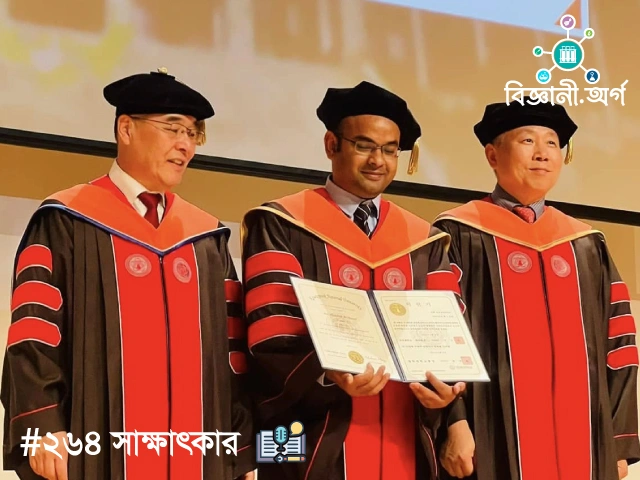
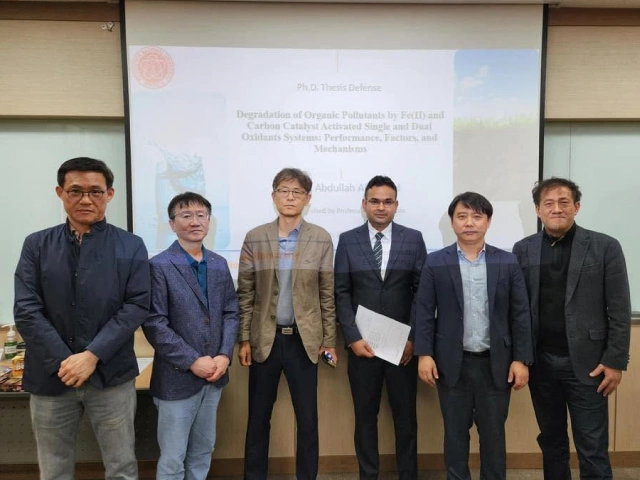
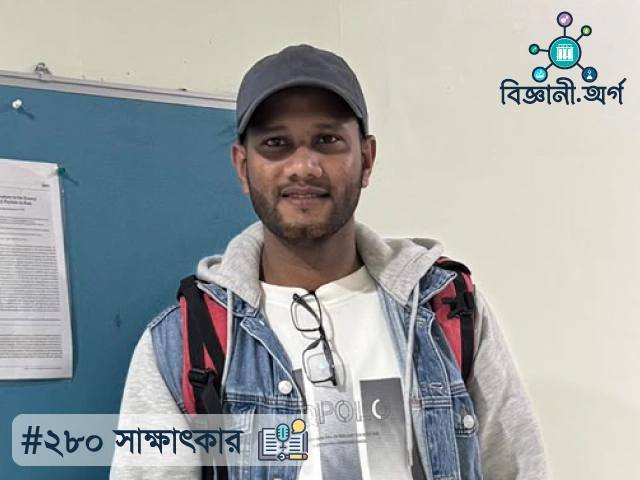
ড. মোঃ আবদুল্লাহ আল মাসুদ বাংলাদেশের ব্রাহ্মণবাড়িয়ার বাঞ্ছারামপুরে জন্মগ্রহণ করেন। তিনি ঢাকা বিশ্ববিদ্যালয়ের ভূতত্ত্ব বিভাগ থেকে স্নাতক ও স্নাতকোত্তর সম্পন্ন করেন। পরবর্তীতে দক্ষিণ কোরিয়ার Kyungpook National University থেকে পরিবেশ প্রকৌশলে পিএইচডি অর্জন করেন। পিএইচডি শেষে তিনি একই বিশ্ববিদ্যালয়ে ১৪ মাস এবং যুক্তরাষ্ট্রের The University of Alabama-তে ১১ মাস পোস্টডক্টরাল গবেষণা পরিচালনা করেন। বর্তমানে তিনি The University of Alabama-এর Department of Civil, Construction & Environmental Engineering-এ Research Engineer হিসেবে কাজ করছেন। বিশ্ববিদ্যালয়ের গবেষণা দলের তথ্য অনুযায়ী, তাঁর গবেষণার প্রধান ক্ষেত্র উদীয়মান দূষক, পানি মান পর্যবেক্ষণ, পরিবেশগত প্রতিকার প্রযুক্তি, In-situ Chemical Oxidation এবং দূষক অপসারণে কার্বনভিত্তিক উপকরণ।
ড. মাসুদের গবেষণায় PFAS, pharmaceuticals ও pesticides-এর মতো emerging contaminants বিশেষ গুরুত্ব পায়। পাশাপাশি পানি শোধন, পরিবেশগত দূষণ নিয়ন্ত্রণ এবং টেকসই উপকরণ উন্নয়ন নিয়েও তিনি কাজ করছেন। তাঁর গবেষণার সাম্প্রতিক কাজগুলোর মধ্যে পানীয় ও জলজ পরিবেশ থেকে PFAS অপসারণ এবং PFAS degradation নিয়ে গবেষণা রয়েছে।

তিনি বর্তমানে যুক্তরাষ্ট্রে গবেষণা কার্যক্রম পরিচালনা করছেন এবং আন্তর্জাতিক গবেষণা পরিমণ্ডলে পরিবেশ ও পানি নিরাপত্তাসংক্রান্ত বিষয়ে কাজ করছেন।
💬 প্রশ্নোত্তর পর্ব
প্রশ্ন: প্রথমেই আপনার সম্পর্কে আমরা জানতে চাই।
উত্তর: ধন্যবাদ। আমি ড. মোঃ আবদুল্লাহ আল মাসুদ, জন্ম ব্রাহ্মণবাড়িয়ার বাঞ্ছারামপুরে। আমি ঢাকা বিশ্ববিদ্যালয়ের ভূতত্ত্ব বিভাগ থেকে স্নাতক ও স্নাতকোত্তর সম্পন্ন করে দক্ষিণ কোরিয়ার Kyungpook National University থেকে পরিবেশ প্রকৌশলে পিএইচডি লাভ করি। পিএইচডি-পরবর্তী সময়ে Kyungpook National University-তে ১৪ মাস এবং পরবর্তীতে যুক্তরাষ্ট্রের The University of Alabama-তে ১১ মাস পোস্টডক্টরাল গবেষণা পরিচালনা করি। বর্তমানে আমি The University of Alabama-তে Research Engineer হিসেবে কর্মরত আছি।
প্রশ্ন: আপনার গবেষণার বিষয় কী?
উত্তর: আমি পরিবেশ দূষণ ও পানি নিরাপত্তা নিয়ে গবেষণা করি। আমার গবেষণার মূল লক্ষ্য হলো পানি ও পরিবেশে থাকা বিভিন্ন উদীয়মান দূষক (Emerging Contaminants), যেমন PFAS—যাকে অনেক সময় ‘ফরএভার কেমিক্যাল’ বলা হয়—ওষুধজাত রাসায়নিক (pharmaceuticals), কীটনাশক (pesticides) এবং অন্যান্য ক্ষতিকর দূষকের উপস্থিতি, পরিবহন, প্রভাব এবং অপসারণের কার্যকর উপায় খুঁজে বের করা। আমি আধুনিক বিশ্লেষণী প্রযুক্তি ব্যবহার করে এসব দূষক কীভাবে পানিতে ছড়ায় এবং মানুষ ও পরিবেশের জন্য কী ধরনের ঝুঁকি তৈরি করে, তা নিয়ে কাজ করি।
এছাড়াও আমি পরিবেশে সৃষ্ট বিভিন্ন বর্জ্যকে মূল্যবান উপকরণে রূপান্তরের ওপর গবেষণা করি। বিশেষভাবে, শিল্প ও কৃষিজ বর্জ্যকে পরিবেশবান্ধব ক্যাটালিস্ট (Catalyst) বা বিক্রিয়া ত্বরান্বিতকারী উপাদানে রূপান্তর করে কীভাবে পানি ও পরিবেশের দূষণ কমানো যায়, সে বিষয়ে কাজ করি। আমার গবেষণার উদ্দেশ্য হলো টেকসই ও সবুজ প্রযুক্তি উদ্ভাবনের মাধ্যমে পরিবেশ সংরক্ষণ, নিরাপদ পানি নিশ্চিত করা এবং একটি পরিচ্ছন্ন ও স্বাস্থ্যকর ভবিষ্যৎ গড়ে তুলতে অবদান রাখা।
প্রশ্ন: আপনার গবেষণার কাজগুলো কীভাবে আমাদের উপকৃত করছে কিংবা করবে?
উত্তর: আমার গবেষণার মাধ্যমে পরিবেশ ও জনস্বাস্থ্যের জন্য গুরুত্বপূর্ণ তথ্য তৈরি হচ্ছে, যা ভবিষ্যতে নিরাপদ ও টেকসই সিদ্ধান্ত গ্রহণে সহায়তা করবে। উদীয়মান দূষকগুলো অনেক সময় চোখে দেখা যায় না, কিন্তু দীর্ঘমেয়াদে মানুষের স্বাস্থ্য ও পরিবেশের ওপর প্রভাব ফেলতে পারে। এসব দূষকের উপস্থিতি, বিস্তার এবং ঝুঁকি সম্পর্কে গবেষণালব্ধ তথ্য নীতিনির্ধারক, পানি ব্যবস্থাপনা সংস্থা এবং শিল্পপ্রতিষ্ঠানকে আরও কার্যকর পদক্ষেপ নিতে সাহায্য করবে।
এ ছাড়া আমি পরিবেশগত বর্জ্যকে মূল্যবান উপকরণে রূপান্তর করার উপায় নিয়ে কাজ করছি, যা বর্জ্য ব্যবস্থাপনার খরচ কমাতে এবং সম্পদের পুনঃব্যবহার বাড়াতে সহায়ক হতে পারে। এ ধরনের গবেষণা পরিবেশবান্ধব প্রযুক্তি উন্নয়ন, সবুজ অর্থনীতি গঠন এবং টেকসই উন্নয়ন লক্ষ্যমাত্রা অর্জনে ভূমিকা রাখতে পারে। আমি আশা করি, আমার গবেষণার ফলাফল ভবিষ্যৎ প্রজন্মের জন্য একটি স্বাস্থ্যকর ও পরিচ্ছন্ন পরিবেশ নিশ্চিত করতে অবদান রাখবে।
প্রশ্ন: গবেষণার কাজের বিশেষ কোনো অভিজ্ঞতা কি আমাদের সঙ্গে শেয়ার করবেন?
উত্তর: গবেষণার পথে আমার সবচেয়ে গুরুত্বপূর্ণ শিক্ষা হলো, বড় আবিষ্কার অনেক সময় ব্যর্থতার মধ্য দিয়েই আসে। পিএইচডি এবং পরবর্তী গবেষণাজীবনে এমন অনেক সময় এসেছে, যখন মাসের পর মাস পরিশ্রম করার পরও প্রত্যাশিত ফলাফল পাইনি। কখনো পরীক্ষার ফলাফল বারবার পরিবর্তিত হয়েছে, কখনো অত্যাধুনিক যন্ত্রের জটিলতা কিংবা নমুনার বৈচিত্র্যের কারণে নতুন করে পুরো পরিকল্পনা সাজাতে হয়েছে। এসব অভিজ্ঞতা আমাকে ধৈর্য, অধ্যবসায় এবং সমস্যা সমাধানের দক্ষতা শিখিয়েছে।
একটি অভিজ্ঞতা আমার ওপর বিশেষ প্রভাব ফেলেছে। গবেষণার কাজে আমি এমন কিছু পানির নমুনা বিশ্লেষণ করছিলাম, যেখানে মানুষের চোখে পানি সম্পূর্ণ স্বচ্ছ ও নিরাপদ মনে হলেও অত্যন্ত ক্ষুদ্র মাত্রায় ক্ষতিকর দূষক উপস্থিত ছিল। তখন আমি উপলব্ধি করি যে বিজ্ঞানের আসল শক্তি হলো এমন সমস্যাগুলো চিহ্নিত করা, যা সাধারণভাবে দৃশ্যমান নয় কিন্তু মানুষের স্বাস্থ্য ও পরিবেশের জন্য গুরুত্বপূর্ণ। সেই উপলব্ধি আমাকে গবেষণাকে শুধু একটি পেশা হিসেবে নয়, বরং সমাজের কল্যাণে অবদান রাখার একটি দায়িত্ব হিসেবে দেখতে শিখিয়েছে।
আরেকটি বিষয় আমাকে গভীরভাবে অনুপ্রাণিত করে। আমি বাংলাদেশের একজন শিক্ষার্থী হিসেবে যাত্রা শুরু করে আন্তর্জাতিক গবেষণা পরিবেশে কাজ করার সুযোগ পেয়েছি এবং বিভিন্ন দেশের গবেষকদের সঙ্গে একসঙ্গে কাজ করেছি। এই অভিজ্ঞতা আমাকে বুঝিয়েছে যে জ্ঞান ও গবেষণার কোনো ভৌগোলিক সীমা নেই। একজন শিক্ষার্থী যদি কৌতূহলী, পরিশ্রমী এবং অধ্যবসায়ী হয়, তাহলে সে বিশ্বমানের গবেষণায় অবদান রাখতে পারে। এই বিশ্বাসই আমাকে প্রতিনিয়ত নতুন চ্যালেঞ্জ গ্রহণ করতে এবং ভবিষ্যৎ প্রজন্মকে বিজ্ঞানচর্চায় উৎসাহিত করতে অনুপ্রাণিত করে।
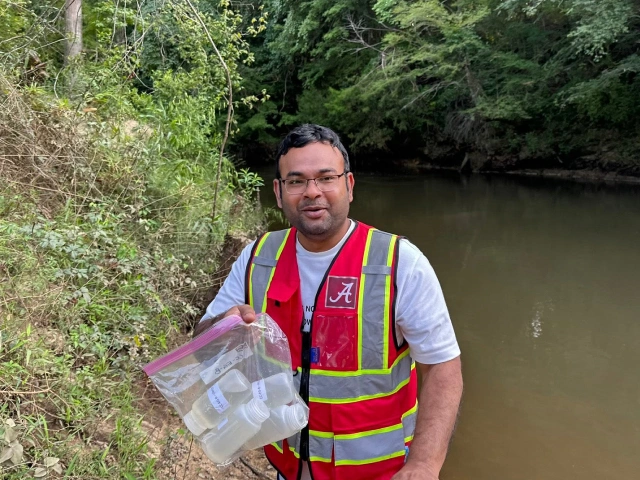
প্রশ্ন: একজন বিজ্ঞানীর কী কী গুণ থাকা প্রয়োজন বলে মনে করেন?
উত্তর: আমার মতে, একজন ভালো বিজ্ঞানীর সবচেয়ে গুরুত্বপূর্ণ গুণ হলো কৌতূহল। বিজ্ঞান শুরুই হয় প্রশ্ন থেকে। কেন একটি ঘটনা ঘটছে, কীভাবে একটি সমস্যা সমাধান করা যায়, বা আমরা আরও ভালো কিছু করতে পারি কি না—এই প্রশ্নগুলোই নতুন জ্ঞান ও আবিষ্কারের পথ তৈরি করে।
দ্বিতীয় গুরুত্বপূর্ণ গুণ হলো অধ্যবসায়। গবেষণায় সাফল্যের চেয়ে ব্যর্থতার সংখ্যাই সাধারণত বেশি হয়। একটি পরীক্ষায় কাঙ্ক্ষিত ফল না আসতে পারে, একটি ধারণা ভুল প্রমাণিত হতে পারে। কিন্তু একজন বিজ্ঞানী ব্যর্থতাকে শেষ নয়, বরং শেখার সুযোগ হিসেবে দেখেন। অনেক বড় আবিষ্কারের পেছনে অসংখ্য ব্যর্থ প্রচেষ্টা লুকিয়ে থাকে।
তৃতীয়ত, একজন বিজ্ঞানীর মধ্যে সততা ও সত্যের প্রতি শ্রদ্ধা থাকতে হবে। গবেষণার ফলাফল নিজের প্রত্যাশার সঙ্গে না মিললেও সত্যকে গ্রহণ করার মানসিকতা থাকতে হবে। বিজ্ঞানের শক্তি এখানেই যে এটি মতামতের নয়, প্রমাণের ওপর দাঁড়িয়ে থাকে।
এ ছাড়া সৃজনশীলতা, দলগতভাবে কাজ করার দক্ষতা এবং শেখার আগ্রহ একজন বিজ্ঞানীর জন্য অত্যন্ত গুরুত্বপূর্ণ। বর্তমানে অধিকাংশ বৈজ্ঞানিক সমস্যা এতটাই জটিল যে একা সমাধান করা সম্ভব নয়। তাই বিভিন্ন ক্ষেত্রের মানুষের সঙ্গে কাজ করতে এবং নতুন জ্ঞান গ্রহণ করতে জানতে হয়।
শিক্ষার্থী ও নবীন গবেষকদের জন্য আমার পরামর্শ হলো, সবকিছু জানার চেষ্টা না করে প্রশ্ন করতে শিখুন। ভালো প্রশ্নই একজন গবেষকের সবচেয়ে বড় শক্তি। ফলাফলের পেছনে না ছুটে শেখার আনন্দ উপভোগ করুন, কারণ বিজ্ঞান আসলে কোনো গন্তব্য নয়, এটি সত্য অনুসন্ধানের এক অবিরাম যাত্রা। একজন গবেষকের সবচেয়ে বড় পরিচয় তিনি কতটা জানেন তা নয়, বরং তিনি কতটা জানতে আগ্রহী।
প্রশ্ন: বাংলাদেশের তরুণ শিক্ষার্থীরা যারা বিজ্ঞানে কাজ করতে চায়, তাদের জন্য আপনার কোনো বার্তা আছে?
উত্তর: বাংলাদেশের তরুণদের জন্য আমার সবচেয়ে বড় বার্তা হলো, বড় স্বপ্ন দেখতে ভয় পেয়ো না। বিজ্ঞান এমন একটি ক্ষেত্র, যেখানে আপনার জন্মস্থান, আর্থিক অবস্থা বা পরিচয়ের চেয়ে বেশি গুরুত্বপূর্ণ হলো আপনার কৌতূহল, পরিশ্রম এবং শেখার আগ্রহ। আজকের পৃথিবীতে একটি ছোট শহর বা গ্রামের একজন শিক্ষার্থীও বিশ্বমানের গবেষণায় অবদান রাখতে পারে, যদি সে দৃঢ়ভাবে নিজের লক্ষ্য ধরে রাখতে পারে।
আমি মনে করি, একজন শিক্ষার্থীর সবচেয়ে বড় শক্তি হলো প্রশ্ন করার সাহস। শুধু পরীক্ষায় ভালো নম্বর পাওয়ার জন্য পড়াশোনা না করে, কেন এবং কীভাবে বিষয়গুলো কাজ করে তা বোঝার চেষ্টা করুন। পাঠ্যবইয়ের বাইরে বই পড়ুন, নতুন প্রযুক্তি সম্পর্কে জানুন, গবেষণাপত্র পড়ার অভ্যাস গড়ে তুলুন এবং বাস্তব জীবনের সমস্যাগুলোকে বৈজ্ঞানিক দৃষ্টিতে দেখার চেষ্টা করুন।
আরেকটি বিষয় আমি বিশেষভাবে বলতে চাই, ব্যর্থতাকে কখনো ভয় পাবেন না। গবেষণার জগতে ব্যর্থতা খুবই স্বাভাবিক। অনেক সময় একটি সফল ফলাফলের পেছনে অসংখ্য ব্যর্থ পরীক্ষা লুকিয়ে থাকে। ব্যর্থতা মানে আপনি থেমে গেছেন নয়, বরং আপনি নতুন কিছু শিখেছেন। যারা দীর্ঘ সময় ধরে ধৈর্য ধরে চেষ্টা চালিয়ে যেতে পারে, তারাই শেষ পর্যন্ত সফল হয়।
সবশেষে, আমি চাই তরুণরা শুধু নিজেদের সাফল্যের জন্য নয়, সমাজ ও দেশের সমস্যা সমাধানের লক্ষ্য নিয়েও বিজ্ঞানচর্চা করুক। বাংলাদেশ জলবায়ু পরিবর্তন, পানি দূষণ, জনস্বাস্থ্য, কৃষি ও জ্বালানি নিরাপত্তাসহ নানা চ্যালেঞ্জের মুখোমুখি। আপনাদের মধ্য থেকেই ভবিষ্যতের সেই বিজ্ঞানীরা উঠে আসবেন, যারা এসব সমস্যার সমাধান খুঁজে বের করবেন এবং বিশ্বমঞ্চে বাংলাদেশের প্রতিনিধিত্ব করবেন।
মনে রাখবেন, বিজ্ঞান কেবল একটি পেশা নয়; এটি হচ্ছে পৃথিবীকে আরও ভালোভাবে বোঝা এবং মানুষের জীবনকে আরও সুন্দর করার একটি শক্তিশালী মাধ্যম। কৌতূহলী থাকুন, শিখতে থাকুন এবং নিজের সক্ষমতার ওপর বিশ্বাস রাখুন। আজকের একজন কৌতূহলী শিক্ষার্থীই আগামী দিনের একজন পথপ্রদর্শক বিজ্ঞানী হতে পারে।
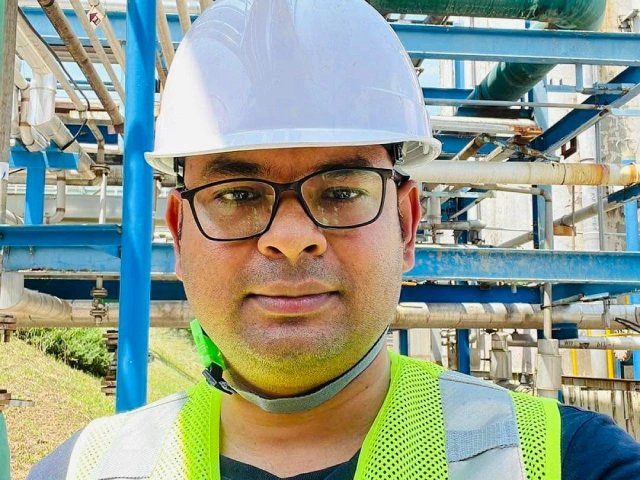
প্রশ্ন: অন্য কোনো মতামত বা অভিজ্ঞতা কি আমাদের সঙ্গে শেয়ার করতে চান?
উত্তর: আমি এই অংশে আমার জীবনের একটি গুরুত্বপূর্ণ পরিবর্তনের কথা বলতে চাই—‘ছাত্ররাজনীতি থেকে গবেষণা: আমার জীবনের একটি গুরুত্বপূর্ণ মোড়’।
আমি ২০১৪ সালে ঢাকা বিশ্ববিদ্যালয় থেকে স্নাতকোত্তর (এমএস) সম্পন্ন করি। ছাত্রজীবনে আমি সক্রিয়ভাবে রাজনীতির সঙ্গে যুক্ত ছিলাম এবং ঢাকা বিশ্ববিদ্যালয় জাতীয়তাবাদী ছাত্রদলের যুগ্ম সম্পাদক হিসেবে দায়িত্ব পালন করেছি। স্নাতকোত্তর শেষ করার পরও কিছু সময় পূর্ণকালীন রাজনীতির সঙ্গে সম্পৃক্ত ছিলাম।
তবে ২০১৯ সালের দিকে আমি গভীরভাবে উপলব্ধি করি যে শুধু গতানুগতিক রাজনৈতিক কর্মকাণ্ডের মাধ্যমে দেশ ও সমাজের জন্য দীর্ঘমেয়াদে কার্যকর অবদান রাখা আমার পক্ষে সম্ভব হবে না। আমি বুঝতে পারি, দেশের জন্য সত্যিকার অর্থে কিছু করতে হলে প্রথমে নিজেকে জ্ঞান, দক্ষতা ও যোগ্যতায় সমৃদ্ধ করতে হবে। কোনো একটি নির্দিষ্ট ক্ষেত্রে বিশেষজ্ঞ হয়ে সমাজ ও দেশের উন্নয়নে অবদান রাখার মধ্যেই আমি আমার ভবিষ্যৎ পথ খুঁজে পাই।
সেই উপলব্ধি থেকেই আমি রাজনীতিকে সাময়িকভাবে বিদায় জানিয়ে গবেষণার পথে যাত্রা শুরু করি এবং পিএইচডি করার জন্য বিদেশে আসি। আজ গবেষণা ও বিজ্ঞানচর্চার মাধ্যমে আমি পরিবেশ ও জনস্বাস্থ্যের গুরুত্বপূর্ণ সমস্যা নিয়ে কাজ করার সুযোগ পাচ্ছি। পেছনে ফিরে তাকালে মনে হয়, জীবনের সেই সিদ্ধান্তটি ছিল আমার সবচেয়ে গুরুত্বপূর্ণ সিদ্ধান্তগুলোর একটি।
তরুণদের প্রতি আমার বার্তা হলো, জীবনের লক্ষ্য পরিবর্তন করতে কখনো ভয় পাওয়া উচিত নয়। আপনি আজ যে পথে আছেন, ভবিষ্যতে হয়তো আরও বড় কোনো লক্ষ্য বা স্বপ্ন আপনাকে নতুন পথে নিয়ে যাবে। গুরুত্বপূর্ণ বিষয় হলো, নিজের সক্ষমতাকে বিকশিত করা এবং সমাজের জন্য অর্থবহ অবদান রাখার প্রস্তুতি নেওয়া।
আমি দৃঢ়ভাবে বিশ্বাস করি, জ্ঞান ও দক্ষতাই একটি জাতির সবচেয়ে বড় শক্তি। ভবিষ্যতে সুযোগ পেলে আমি আমার অর্জিত জ্ঞান, গবেষণার অভিজ্ঞতা এবং আন্তর্জাতিক অভিজ্ঞতা বাংলাদেশের শিক্ষা, গবেষণা ও পরিবেশ উন্নয়নে কাজে লাগাতে চাই। ইনশাআল্লাহ, দেশের প্রতি এই দায়বদ্ধতাই আমার ভবিষ্যৎ পথচলার অন্যতম প্রেরণা।
একজন প্রাক্তন ছাত্রনেতা হিসেবে আমার কাছে সবচেয়ে বড় শিক্ষা হলো, মানুষ পদ দিয়ে নয়, তার জ্ঞান, দক্ষতা এবং সমাজের জন্য রেখে যাওয়া অবদান দিয়ে স্মরণীয় হয়ে থাকে।
যোগাযোগের তথ্য
ইমেইল: [email protected]
🔗 প্রোফাইল লিংক
🔎 Google Scholar: Google Scholar Profile
💼 LinkedIn: LinkedIn Profile
🧪 ResearchGate: ResearchGate Profile
ড. আবদুল্লাহ আল মাসুদের গবেষণার মূল বিষয় পরিবেশ দূষণ, পানি নিরাপত্তা এবং উদীয়মান দূষকের ঝুঁকি মোকাবিলা। PFAS, pharmaceuticals ও pesticides-এর মতো দূষক শনাক্তকরণ ও অপসারণের পাশাপাশি বর্জ্যকে মূল্যবান উপকরণে রূপান্তরের গবেষণা পরিবেশবান্ধব ও টেকসই প্রযুক্তি উন্নয়নে গুরুত্বপূর্ণ ভূমিকা রাখতে পারে। তাঁর গবেষণাযাত্রা আরও দেখায় যে জ্ঞান অর্জন, অধ্যবসায় এবং নিজের লক্ষ্য পুনর্নির্ধারণের মাধ্যমে একজন গবেষক আন্তর্জাতিক পরিসরে কাজ করার সুযোগ তৈরি করতে পারেন। বিজ্ঞানী.অর্গ টিম ড. আবদুল্লাহ আল মাসুদের গবেষণা ও ভবিষ্যৎ কর্মকাণ্ডের জন্য শুভকামনা জানায়। তাঁর গবেষণা বাংলাদেশের তরুণদের বিজ্ঞান ও গবেষণায় আগ্রহী হতে অনুপ্রাণিত করুক—এই প্রত্যাশা।
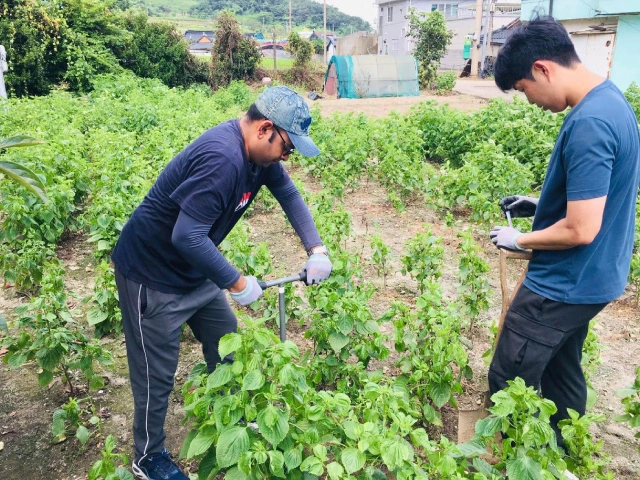
“Clear Water Is Not Always Safe”: Dr. Abdullah Al Masud on Environmental Research
Dr. Md. Abdullah Al Masud was born in Bancharampur, Brahmanbaria, Bangladesh. He completed his undergraduate and master’s degrees in the Department of Geology at the University of Dhaka. He later pursued a PhD in Environmental Engineering at Kyungpook National University in South Korea. After completing his PhD, he conducted 14 months of postdoctoral research at Kyungpook National University and subsequently spent 11 months as a postdoctoral researcher at The University of Alabama in the United States.
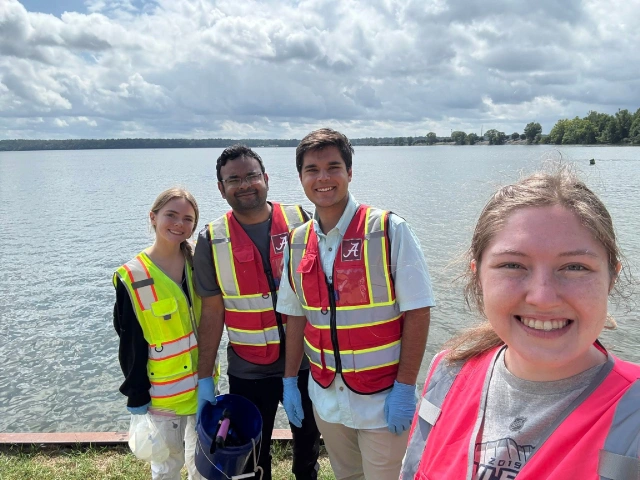
Dr. Masud is currently working as a Research Engineer in the Department of Civil, Construction, and Environmental Engineering at The University of Alabama. His research focuses on environmental pollution and water safety, particularly emerging contaminants such as per- and polyfluoroalkyl substances (PFAS), pharmaceuticals, pesticides, and other contaminants found in water and the environment.
His work also explores contaminant transport, environmental risks, remediation technologies, and sustainable approaches to pollution control. In addition, he investigates ways to convert industrial and agricultural waste into valuable materials, including environmentally friendly catalysts. Through these research activities, he aims to contribute to sustainable technologies, environmental protection, and improved water safety.
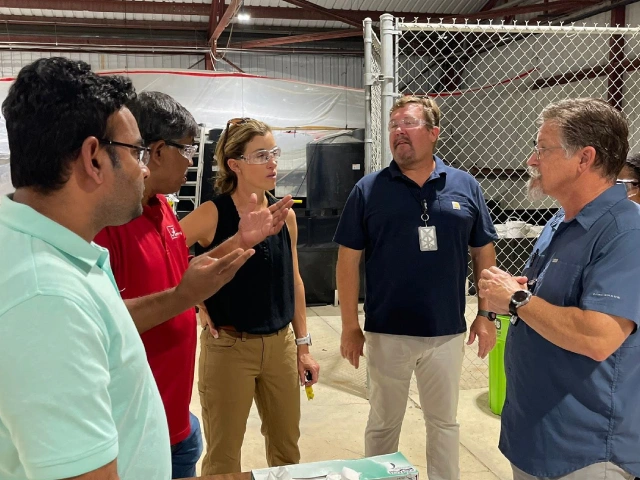
💬 Interview
Question: First, please tell us about yourself.
Answer: Thank you. I am Dr. Md. Abdullah Al Masud, and I was born in Bancharampur, Brahmanbaria, Bangladesh. I completed my undergraduate and master’s degrees in the Department of Geology at the University of Dhaka. I then earned my PhD in Environmental Engineering from Kyungpook National University in South Korea.
After completing my PhD, I conducted 14 months of postdoctoral research at Kyungpook National University and subsequently spent 11 months conducting postdoctoral research at The University of Alabama in the United States. I am currently working as a Research Engineer at The University of Alabama.
Question: What is your research focus?
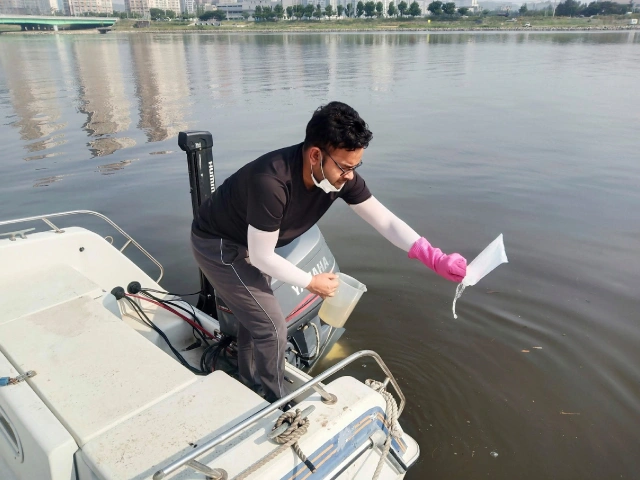
Answer: I conduct research on environmental pollution and water safety. My primary research focuses on understanding the presence, transport, impacts, and effective removal of emerging contaminants in water and the environment. These include PFAS, often referred to as “forever chemicals,” pharmaceuticals, pesticides, and other harmful contaminants.
I use advanced analytical technologies to investigate how these contaminants move through water systems and what kinds of risks they may pose to human health and the environment.
I also conduct research on converting different types of environmental waste into valuable materials. In particular, I investigate how industrial and agricultural waste can be transformed into environmentally friendly catalysts that can help reduce pollution in water and the environment.
The overall goal of my research is to contribute to environmental protection, water safety, and a cleaner and healthier future through the development of sustainable and green technologies.
Question: How does your research benefit, or potentially benefit, society?
Answer: My research generates important information related to environmental and public health that can support safer and more sustainable decision-making in the future. Emerging contaminants are often invisible to the human eye, but they can have long-term impacts on human health and the environment.
Research-based information about the presence, distribution, and risks of these contaminants can help policymakers, water management agencies, and industries take more effective measures.
I am also working on approaches to convert environmental waste into valuable materials. Such approaches could help reduce waste-management costs and increase resource recovery and reuse. Research of this kind can contribute to the development of environmentally friendly technologies, the growth of a green economy, and progress toward the Sustainable Development Goals.
I hope that the outcomes of my research will contribute to ensuring a healthier and cleaner environment for future generations.
Question: Would you like to share any memorable or important experience from your research journey?
Answer: One of the most important lessons I have learned throughout my research journey is that major discoveries often emerge through failure. During my PhD and subsequent research career, there have been many occasions when I did not obtain the expected results despite months of hard work.
Sometimes experimental results changed repeatedly. At other times, the complexity of advanced instruments or the variability of samples required me to redesign the entire research plan. These experiences taught me patience, perseverance, and problem-solving skills.
One particular experience had a strong impact on me. During my research, I was analyzing water samples that appeared completely clear and safe to the human eye. However, extremely small concentrations of harmful contaminants were present in them.
That experience made me realize that one of the greatest strengths of science is its ability to identify problems that are not visible to us but may still be important for human health and the environment. It taught me to view research not simply as a profession, but also as a responsibility to contribute to society.
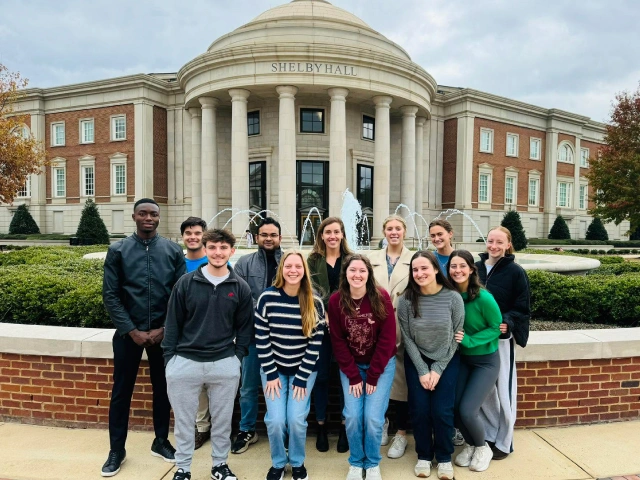
Another aspect of my journey continues to inspire me. I began my educational journey as a student from Bangladesh and eventually had the opportunity to work in an international research environment with researchers from different countries.
This experience taught me that knowledge and research have no geographical boundaries. If a student is curious, hardworking, and persistent, they can contribute to world-class research. This belief continues to motivate me to take on new challenges and encourage future generations to pursue science.
Question: What qualities do you think a scientist should have?
Answer: In my opinion, curiosity is the most important quality of a good scientist. Science begins with questions. Questions such as why something happens, how a problem can be solved, or whether something can be done better create pathways toward new knowledge and discoveries.
The second important quality is perseverance. In research, failures are generally more common than successes. An experiment may not produce the expected result, or an idea may be proven wrong. However, a scientist should view failure not as an ending, but as an opportunity to learn. Many major discoveries have been built upon countless unsuccessful attempts.
Third, a scientist must have integrity and respect for the truth. Even when research findings do not match our expectations, we must be willing to accept the truth. The strength of science lies in the fact that it is based on evidence rather than opinion.
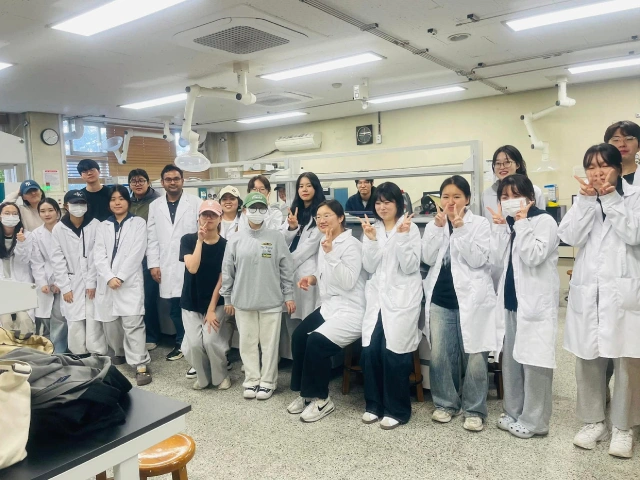
Creativity, teamwork, and a willingness to learn are also extremely important qualities for a scientist. Most scientific problems today are so complex that they cannot be solved by individuals working alone. Therefore, researchers must be able to collaborate with people from different disciplines and continuously acquire new knowledge.
My advice to students and early-career researchers is to learn how to ask questions rather than trying to know everything. A good question is one of a researcher’s greatest strengths. Instead of focusing only on results, enjoy the process of learning, because science is not a destination; it is an ongoing journey in the search for truth.
The greatest identity of a researcher is not how much they know, but how eager they are to learn.
Question: What message would you like to give to young Bangladeshi students who want to pursue science?
Answer: My biggest message to young people in Bangladesh is: do not be afraid to dream big.
Science is a field where curiosity, hard work, and a willingness to learn are often more important than where you were born, your financial background, or your identity. Today, a student from a small town or village can contribute to world-class research if they remain committed to their goals.
I believe that one of a student’s greatest strengths is the courage to ask questions. Instead of studying only to achieve good grades, try to understand why and how things work. Read beyond textbooks, learn about emerging technologies, develop the habit of reading research papers, and try to look at real-world problems from a scientific perspective.
I would also strongly encourage young people not to be afraid of failure. Failure is a normal part of research. Many unsuccessful experiments may lie behind a successful result. Failure does not mean that you have stopped progressing; it means that you have learned something new. Those who continue working patiently for a long time are the ones who ultimately succeed.
Finally, I want young people to pursue science not only for their personal success but also with the goal of solving problems faced by society and the country. Bangladesh faces many challenges, including climate change, water pollution, public health, agriculture, and energy security.
The future scientists who will emerge from among you can help address these challenges and represent Bangladesh on the global stage.
Remember that science is not merely a profession. It is a powerful way to understand the world better and improve human life. Stay curious, keep learning, and believe in your abilities. Today’s curious student can become tomorrow’s scientist and leader.
Question: Is there any other opinion or experience you would like to share?
Answer: I would like to share an important turning point in my life: “From Student Politics to Research: An Important Turning Point in My Life.”
I completed my master’s degree at the University of Dhaka in 2014. During my student years, I was actively involved in politics and served as Joint Secretary of the Bangladesh Jatiyatabadi Chhatra Dal at the University of Dhaka. Even after completing my master’s degree, I remained involved in full-time political activities for some time.
However, around 2019, I began to realize deeply that conventional political activities alone would not allow me to make the kind of long-term contribution to the country and society that I wanted to make. I understood that to make a meaningful contribution to my country, I first needed to develop myself through knowledge, skills, and expertise.
I began to see my future in becoming an expert in a specific field and contributing to society and the country through that expertise.
With this realization, I temporarily stepped away from politics and began my journey into research. I went abroad to pursue my PhD. Today, through research and scientific work, I have the opportunity to work on important issues related to the environment and public health.
Looking back, I believe that decision was one of the most important decisions of my life.
My message to young people is that they should never be afraid to change their goals in life. The path you are following today may not necessarily be the path you follow in the future. A larger goal or dream may lead you in a new direction.
What matters is developing your abilities and preparing yourself to make a meaningful contribution to society.
I strongly believe that knowledge and skills are among the greatest strengths of a nation. If I have the opportunity in the future, I would like to use my knowledge, research experience, and international experience to contribute to education, research, and environmental development in Bangladesh.
This sense of responsibility toward my country will remain one of the major sources of motivation in my future journey.
As a former student leader, one of the most important lessons I have learned is that people are not remembered for the positions they held, but for their knowledge, skills, and contributions to society.
Contact Information
Email: [email protected]
🔗 Profile Links
🔎 Google Scholar: Google Scholar Profile
💼 LinkedIn: LinkedIn Profile
🧪 ResearchGate: ResearchGate Profile
Dr. Abdullah Al Masud’s research focuses on environmental pollution, water safety, and the risks associated with emerging contaminants. His work on contaminants such as PFAS, pharmaceuticals, and pesticides, along with research on sustainable approaches to pollution control and waste-to-resource technologies, has relevance to environmental protection and public health.
His journey also demonstrates how knowledge, perseverance, and a willingness to redefine one’s goals can create opportunities to contribute to international research. Biggani.org wishes Dr. Abdullah Al Masud continued success in his research and professional journey. We hope his work and experiences will encourage young Bangladeshi students to pursue science, research, and innovation.


Leave a comment