

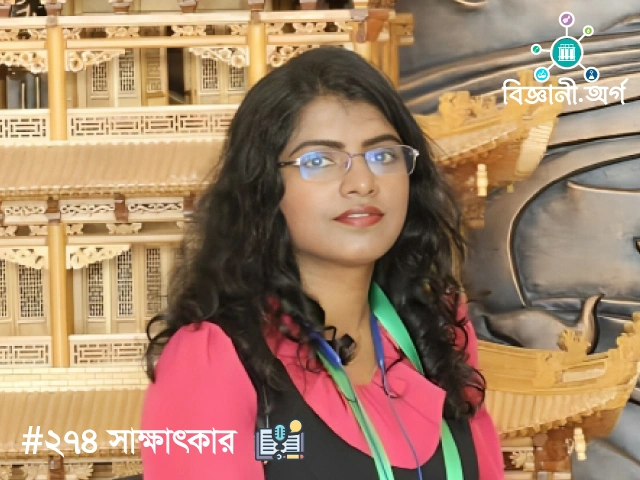
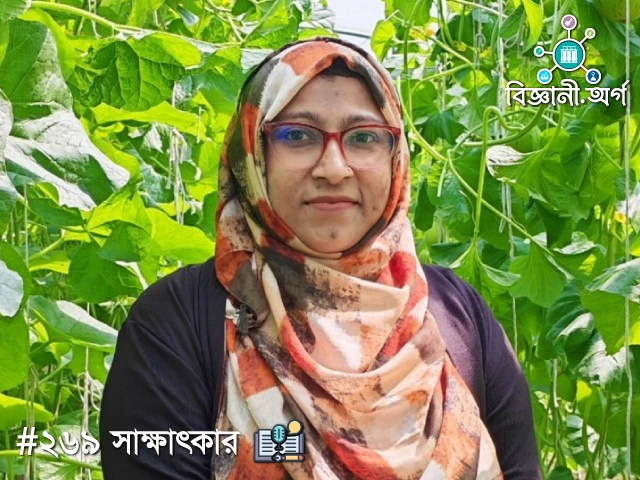
জলবায়ুর বদলে যাওয়া আচরণে কখনো খরা, কখনো আকস্মিক বন্যা, কখনো আবার লবণাক্ত মাটির সঙ্গে লড়ছেন বাংলাদেশের কৃষকেরা। এই বাস্তবতায় কীভাবে উদ্ভিদের জিনগত বৈশিষ্ট্য বুঝে সহনশীল ফসল তৈরি করা যায়, আর সেই গবেষণার সুফল কৃষকের হাতে পৌঁছায়—সেসব নিয়ে কথা বলেছেন চীনে কর্মরত বাংলাদেশি গবেষক ড. শিরিন আক্তার।
একজন কৃষক হয়তো বছরের পর বছর একই জমিতে চাষ করেছেন। বৃষ্টির ধরন বদলেছে, মাটিতে লবণ বেড়েছে, অথচ ফসলটি আগের মতো আর টিকছে না। সমস্যার উত্তর খুঁজতে বিজ্ঞানী উদ্ভিদের কোষে, জিনে এবং গবেষণাগারে নজর দেন। কিন্তু গবেষণাগারে পাওয়া উত্তর মাঠেও কাজ করবে কি না, তা জানার জন্য আবার সেই কৃষকের কাছেই ফিরতে হয়। ড. শিরিন আক্তারের বিজ্ঞানভাবনার কেন্দ্রে রয়েছে এই দুই জগতের যোগাযোগ।

চীনের লানচৌ বিশ্ববিদ্যালয়ের কলেজ অব প্যাস্টোরাল অ্যাগ্রিকালচারাল সায়েন্স অ্যান্ড টেকনোলজিতে পোস্টডক্টরাল গবেষক হিসেবে কাজ করছেন তিনি। বিজ্ঞানী ডট অর্গের এক আলোচনায় নিজের বেড়ে ওঠা, উদ্ভিদবিজ্ঞানের প্রতি আগ্রহ, বাংলাদেশের কৃষির চ্যালেঞ্জ এবং তরুণদের গবেষণায় এগিয়ে যাওয়ার পথ নিয়ে কথা বলেছেন। তাঁর কথায় বারবার ফিরে এসেছে একটি বিষয়: ভালো বৈজ্ঞানিক ধারণা তখনই সম্পূর্ণ হয়, যখন তার সুফল বাস্তব জীবনে পৌঁছায়।
প্রত্যন্ত জনপদ থেকে জিনতত্ত্বের পথে
বাংলাদেশের একটি প্রত্যন্ত, সুযোগসুবিধায় পিছিয়ে থাকা এলাকায় বড় হয়েছেন শিরিন আক্তার। ছোটবেলায় চারপাশে পেশা হিসেবে চিকিৎসক ও প্রকৌশলীর কথাই বেশি শুনতেন; গবেষক হওয়ার কথাটি সামনে আসেনি। কৃষিবিজ্ঞানে স্নাতক পর্যায়ে ভর্তি হওয়ার পর তাঁর সামনে ধীরে ধীরে অন্য একটি সম্ভাবনা খুলে যায়। কৃষিতত্ত্ব, উদ্যানতত্ত্ব, কীটতত্ত্ব ও মৃত্তিকাবিজ্ঞানের পাশাপাশি জিনতত্ত্ব পড়তে গিয়ে, তৃতীয় বা চতুর্থ সেমিস্টারে, তিনি বুঝতে পারেন বিষয়টি তাঁকে বিশেষভাবে টানে। অনেকের কাছে কঠিন মনে হলেও জীবের বৈশিষ্ট্য কীভাবে এক প্রজন্ম থেকে অন্য প্রজন্মে যায়, সেই প্রশ্ন তাঁকে আকৃষ্ট করে।
স্নাতকোত্তরের শুরুতে তাঁর ভাবনাও ছিল পরিচিত ছাত্রজীবনের মতো: এমন ফসল নিয়ে কাজ করা যায় কি না, যার গবেষণা দ্রুত শেষ করে ডিগ্রি পাওয়া সম্ভব। টমেটো বা আলুর কথাও ভেবেছিলেন। তখন এক শিক্ষকের প্রশ্ন—তিনি বিদেশে পড়তে চান কি না—তাঁর পথ বদলে দেয়। শিক্ষকের সহায়তায় তিনি গাজীপুরে বাংলাদেশ কৃষি গবেষণা ইনস্টিটিউটের বিজ্ঞানীদের সঙ্গে যুক্ত হন। সেখানে খরার চাপের মধ্যে ভুট্টার সহনশীলতা নিয়ে গবেষণা করেন। স্নাতকোত্তরের মৌখিক পরীক্ষার আগেই গবেষণাপত্র প্রকাশিত হয় তাঁর।
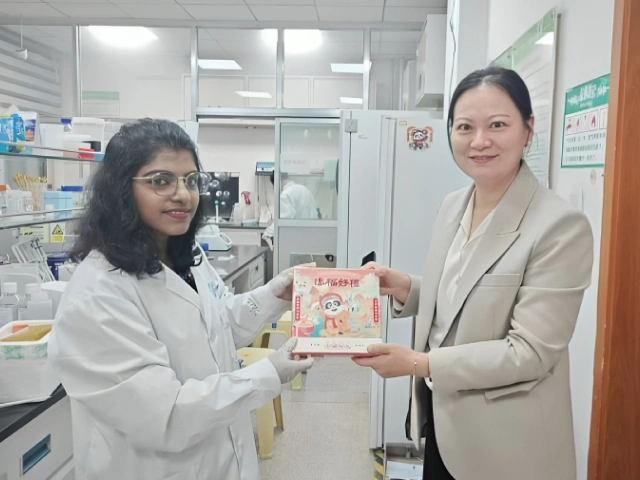
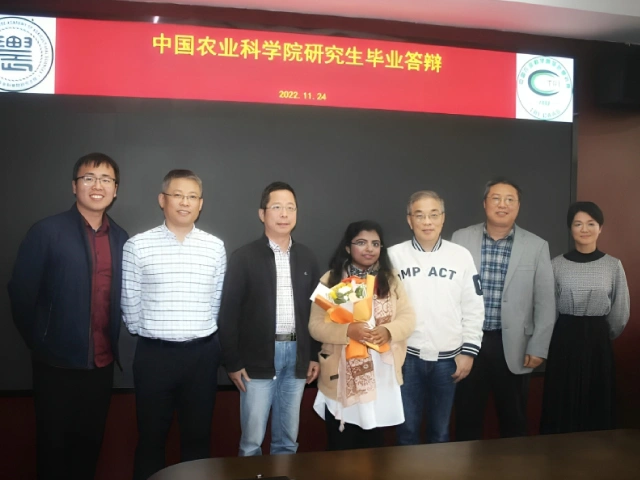
পাশের বাংলাদেশ ধান গবেষণা ইনস্টিটিউটের এক বিজ্ঞানী তাঁকে বিদেশে পিএইচডির আবেদন করতে উৎসাহ দেন। কিন্তু কোথায়, কীভাবে আবেদন করতে হয়, তা তখন তাঁর জানা ছিল না। চীনে পিএইচডি করেছেন এমন এক সহকর্মীর দিকনির্দেশনায় আবেদন করেন। বেইজিংয়ে চীনা কৃষিবিজ্ঞান একাডেমির এক অধ্যাপকের সঙ্গে সাক্ষাৎকারের পর তিনি সুযোগ পান। অধ্যাপক তাঁকে জানিয়েছিলেন, ওই পদে প্রায় এক হাজার জীবনবৃত্তান্তের মধ্য থেকে তাঁরটি বেছে নেওয়া হয়েছে। শিরিনের কাছে ঘটনাটি আত্মবিশ্বাসের বড় উৎস হয়ে ওঠে। তাঁর পাওয়া বৃত্তিতে শিক্ষার ব্যয়, আবাসন ও জীবনযাত্রার খরচ ছিল; বিমানভাড়া তাঁকে বহন করতে হয়েছিল। চীনা কৃষিবিজ্ঞান একাডেমির বিস্তৃত গবেষণা পরিবেশে পৌঁছে বিজ্ঞানচর্চার সম্ভাবনা সম্পর্কে তাঁর ধারণা আরও বদলে যায়।
জিনের তথ্য থেকে সহনশীল ফসল
উদ্ভিদের জিনকে ভাবা যায় তার বেড়ে ওঠার নির্দেশনার অংশ হিসেবে। কোন গাছের শিকড় গভীরে যাবে, লবণাক্ত মাটির চাপ কীভাবে সামলাবে বা খরায় কতটা টিকবে—এসবের সঙ্গে বিভিন্ন জিন ও পরিবেশের জটিল সম্পর্ক রয়েছে। জিনোমিক্স সেই জিনগত তথ্যকে বড় পরিসরে বোঝার চেষ্টা করে। আর বহুমাত্রিক জৈব বিশ্লেষণ বা মাল্টি-ওমিক্সে শুধু জিনের তালিকা দেখা হয় না; কোন অবস্থায় কোন জিন সক্রিয় হচ্ছে এবং কোষে তার প্রভাব কী হচ্ছে, সে ধরনের তথ্যও একসঙ্গে বিচার করা যায়। অনেকটা রান্নার বইয়ে উপকরণের তালিকা দেখার পাশাপাশি বাস্তবে কোন উপকরণ কখন ব্যবহৃত হচ্ছে এবং শেষ খাবারটি কেমন হচ্ছে, তা মিলিয়ে দেখার মতো।
তবে বিজ্ঞানীর সতর্কতা হলো, কোনো জাত নিয়ন্ত্রিত পরিবেশে ভালো ফল দিলেই কৃষকের মাঠে একই ফল দেবে, এমন নিশ্চয়তা নেই। মাঠে অনিয়মিত বৃষ্টি, তাপপ্রবাহ, আকস্মিক বন্যা, দীর্ঘ জলাবদ্ধতা ও মাটির লবণাক্ততা একসঙ্গে বা পালাক্রমে আঘাত হানতে পারে। বাংলাদেশের দক্ষিণাঞ্চলের দীর্ঘ জলাবদ্ধতা ও লবণাক্ত জমি নিয়ে আলোচনায় তিনি তাই একক কোনো ‘অলৌকিক জিনের’ সমাধান দেননি।
তাঁর ব্যাখ্যায়, গবেষকেরা এমন জিন ও বৈশিষ্ট্য খোঁজেন, যা শিকড়কে গভীরে যেতে, কোষের ভেতরে পানি ও লবণের ভারসাম্য বজায় রাখতে কিংবা ক্ষতিকর চাপ থেকে কোষকে রক্ষা করতে সাহায্য করে। উদাহরণ হিসেবে গভীর শিকড়যুক্ত উদ্ভিদ মাটির নিচের অপেক্ষাকৃত স্থিতিশীল পানি ও পুষ্টির উৎসে পৌঁছাতে পারে। আবার কোষে সোডিয়ামের পরিমাণ নিয়ন্ত্রণে জড়িত পরিবহনব্যবস্থা লবণাক্ত মাটির ক্ষতি কমাতে ভূমিকা রাখতে পারে। উদ্ভিদের প্রতিরক্ষামূলক কিছু এনজাইমও চাপের সময়ে কোষের ক্ষয় সামলাতে সাহায্য করে। কোনো একটি বৈশিষ্ট্যের কার্যকারিতা অবশ্য ফসল ও পরিবেশভেদে মাঠপর্যায়ে যাচাই করতে হয়।
এই কারণেই তাঁর কাছে বীজের জিনগত উন্নতির সঙ্গে সেচ, মাটির পরিচর্যা ও আবহাওয়ার তথ্য ব্যবহারের যোগসূত্র জরুরি। দূর থেকে ছবি ও পরিমাপের সাহায্যে জমির অবস্থা বোঝা—যাকে দূর অনুধাবন বলা হয়—এবং নির্ভরযোগ্য আবহাওয়ার পূর্বাভাস কৃষককে সিদ্ধান্ত নিতে সহায়তা করতে পারে। কিন্তু প্রযুক্তির পাশাপাশি কৃষকের অভিজ্ঞতারও মূল্য আছে। এক আন্তর্জাতিক সম্মেলনে নিউজিল্যান্ডের এক অধ্যাপকের কথা তাঁর মনে আছে: বহু বছর ফসল পর্যবেক্ষণ করা একজন কৃষক কোনো রোগের লক্ষণ সদ্য পাশ করা বিজ্ঞানীর আগেই চিনতে পারেন। তাই গবেষণার পরীক্ষাস্থল হিসেবে কৃষকের মাঠ এবং গবেষণার সঙ্গী হিসেবে কৃষক—দুটিই প্রয়োজন।
আবিষ্কার থেকে বীজ পৌঁছানো পর্যন্ত
নতুন ফসলের জাত উদ্ভাবনের পথ বোঝাতে ড. শিরিন প্রচলিত ও আধুনিক পদ্ধতির সময়ের পার্থক্যের কথা বলেছেন। তাঁর বর্ণনায়, প্রচলিত দীর্ঘ প্রজননপ্রক্রিয়ায় একটি জাত তৈরি ও ছাড় করতে সাত থেকে আট বছর লাগতে পারত; দ্রুত পদ্ধতি ব্যবহার করে কিছু ক্ষেত্রে তা দুই থেকে চার বছরে নামানো সম্ভব হচ্ছে। এই সময়সীমা সব ফসল বা সব দেশের জন্য এক নিয়ম নয়—গবেষণা, মাঠপরীক্ষা ও অনুমোদনের ধরন অনুযায়ী তা বদলায়।
পদ্ধতিগুলোর নাম কঠিন শোনালেও উদ্দেশ্য বোঝা যায় সহজভাবে। জিনের সঙ্গে যুক্ত পরিচিত চিহ্ন দেখে সম্ভাবনাময় চারা বাছাই করলে সব গাছ বড় হওয়া পর্যন্ত অপেক্ষা করতে হয় না; এটি চিহ্ননির্ভর নির্বাচন। ক্রিসপার পদ্ধতিতে নির্দিষ্ট জিনগত অংশে পরিবর্তনের সুযোগ থাকে। কোনো জিনের কার্যকলাপ কমিয়ে বা বাড়িয়ে তার ভূমিকা পরীক্ষা করার পদ্ধতিও রয়েছে। পাশাপাশি একসঙ্গে বহু গাছের উচ্চতা, বৃদ্ধি বা রোগের লক্ষণ পরিমাপ, যন্ত্র দিয়ে মাঠের কিছু কাজ করা এবং ড্রোনের সাহায্যে ফসল পর্যবেক্ষণ প্রজনন গবেষণার গতি বাড়াতে পারে। প্রতিটি পদ্ধতির উপযোগিতা ও প্রয়োগ স্থানীয় নিয়ম এবং মাঠের ফলাফলের ওপর নির্ভর করে।
তবু দ্রুত আবিষ্কারের পরও কাজ শেষ হয় না। প্রথমে বৈশিষ্ট্য শনাক্ত করতে হয়, তারপর নিয়ন্ত্রিত পরিবেশে পরীক্ষা, অন্য জাতে সেই বৈশিষ্ট্য যুক্ত করার চেষ্টা, ভিন্ন ভিন্ন স্থানে মাঠপরীক্ষা, পর্যাপ্ত বীজ উৎপাদন এবং কৃষকের কাছে তথ্য ও বীজ পৌঁছানো—প্রতিটি ধাপ দরকার। কোনো ধাপে বাধা পড়লে ভালো গবেষণাও কৃষকের উপকারে আসে না। শিরিনের কাছে গবেষণার সাফল্য তাই শুধু গবেষণাপত্রের পাতায় নয়; মাঠে ফলন ও কৃষকের জীবনে তার প্রভাবেও মাপা উচিত।
বাংলাদেশে গবেষণার সুযোগ ও কৃষির বাস্তবতা
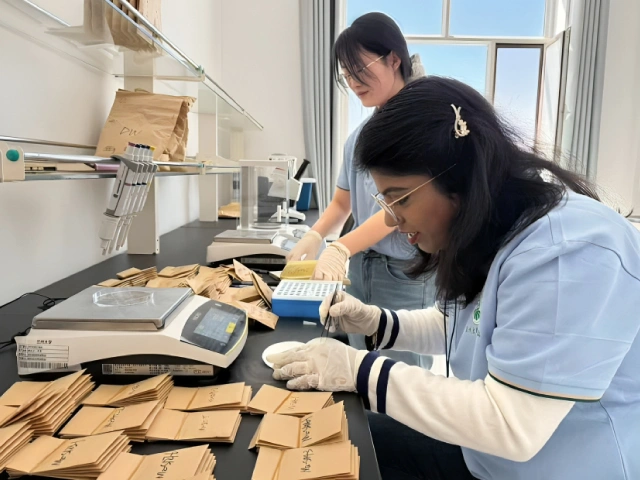
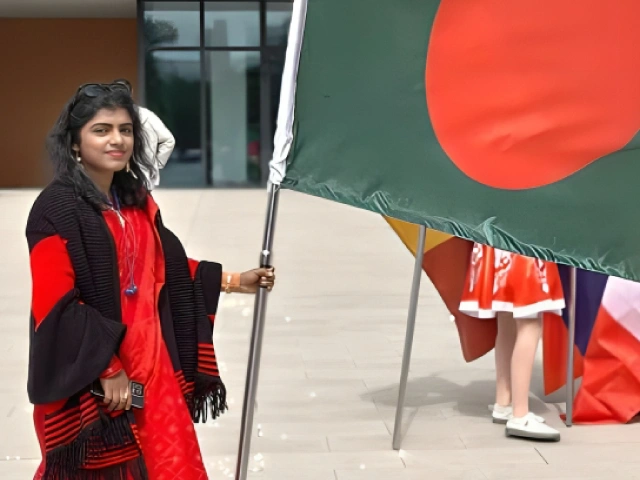
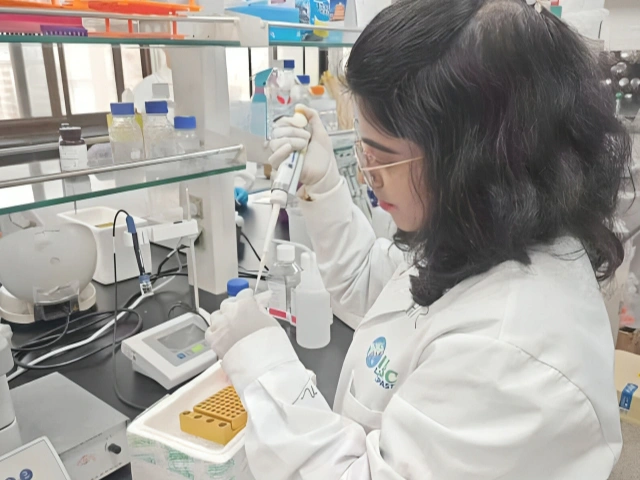
চীনে স্নাতক ও স্নাতকোত্তরের অনেক শিক্ষার্থীকে অল্প বয়স থেকেই গবেষণার যন্ত্র ব্যবহার করতে দেখে শিরিন আক্তার মুগ্ধ হয়েছেন। জিনগত উপাদানের নির্দিষ্ট অংশ শনাক্ত ও বহুগুণ করার যন্ত্র, কোষের কার্যকলাপ জানার পরীক্ষা কিংবা উপাদান আলাদা করে বিশ্লেষণের যন্ত্র—এসব হাতে-কলমে ব্যবহারের সুযোগ তাঁদের থাকে বলে তিনি জানান। বিপরীতে বাংলাদেশের অনেক প্রতিষ্ঠানে দামি যন্ত্র নষ্ট হওয়ার আশঙ্কা এবং মেরামতের অর্থের অভাবে শিক্ষার্থীদের সেগুলো ব্যবহার করতে দেওয়া হয় না। তাঁর নিজের অভিজ্ঞতায় ব্যবহারিক ক্লাসের অনেক সময় কেটেছে কোষের ছবি আঁকা বা অল্প সময়ে পাতার নাম মুখস্থ করে শনাক্ত করার অনুশীলনে।
তিনি প্রশ্ন তুলেছেন শিক্ষক নিয়োগ ও গবেষণা প্রশিক্ষণের সম্পর্ক নিয়েও। শুধু ফলাফলের গড় নম্বর দেখে শিক্ষক নির্বাচন করলে গবেষণার অভিজ্ঞতা ও শিক্ষার্থীকে হাতে-কলমে শেখানোর সামর্থ্য আড়ালে পড়ে যেতে পারে—এটি তাঁর পর্যবেক্ষণ। তাঁর বক্তব্যের মর্ম হলো, শিক্ষার্থীকে প্রশ্ন করতে, পরীক্ষা চালাতে এবং ভুলের কারণ খুঁজতে দিতে হবে। একটি পরীক্ষা ব্যর্থ হলে কেন হলো, সেটি খুঁজে দেখা গবেষণারই অংশ।
বাংলাদেশের কৃষির সমস্যা আবার গবেষণাগারের দেয়ালের বাইরেও বিস্তৃত। এক শিক্ষার্থীর প্রশ্নের জবাবে তিনি ভেজাল সার ও সরবরাহব্যবস্থার অনিয়মের কথা বলেন। কৃষক প্রকৃত মানের সার না পেলে পরিশ্রমের পরও কাঙ্ক্ষিত ফলন পান না। এ জন্য মান পরীক্ষা, কার্যকর নজরদারি এবং স্বচ্ছ সরবরাহব্যবস্থার প্রয়োজন। অন্যদিকে নগরায়ণ ও জনসংখ্যার চাপে চাষের জমি কমছে। তাঁর প্রস্তাব, সম্ভব যেখানে স্বল্পমেয়াদি ও বেশি ফলনশীল ফসলের মাধ্যমে একই জমি থেকে বছরে একাধিকবার ফসল তোলার সুযোগ বাড়াতে হবে। তবে জলাবদ্ধতা, লবণাক্ততা বা খরাপ্রবণ এলাকায় কোন জাত ও কতটি মৌসুম বাস্তবে সম্ভব, তা স্থানীয় পরিস্থিতি দেখে ঠিক করতে হবে। প্রতিকূল জমি চাষযোগ্য রাখতে জলবায়ুসহিষ্ণু জাতের গুরুত্ব এখানেই।
নম্বরের বাইরে গবেষকের প্রস্তুতি
সহকারী উপস্থাপক হাসনা বানু জানতে চেয়েছিলেন, ভালো ফলাফলের বাইরে একজন গবেষকের আর কী প্রয়োজন। শিরিনের উত্তর—কৌতূহল, সমালোচনামূলক চিন্তা এবং বারবার ‘কেন’ জিজ্ঞাসা করার অভ্যাস। পরীক্ষার ফল প্রত্যাশামতো না এলে হাল ছেড়ে না দিয়ে পদ্ধতি ও ধারণা আবার যাচাই করতে হয়। মুখস্থ করে পরীক্ষায় পাস করা আর আগে অজানা সমস্যার সমাধান খুঁজে বের করা এক কাজ নয়।
তাঁর মতে, তুলনামূলক কম সিজিপিএ থাকলেই বিদেশে উচ্চশিক্ষার পথ বন্ধ হয়ে যায় না। আবেদন মূল্যায়নে গবেষণাপত্র, গবেষণাগারে কাজের অভিজ্ঞতা, ভাষাগত দক্ষতা, তথ্য বিশ্লেষণ, কম্পিউটারভিত্তিক কাজ এবং অন্যান্য উদ্যোগও গুরুত্ব পেতে পারে। তবে ভালো একাডেমিক ফল অর্জনের চেষ্টা চালিয়ে যেতে হবে। আগ্রহের বিষয়ে পাঁচ থেকে দশ দিনের প্রশিক্ষণেও প্রাথমিক হাতে-কলমে অভিজ্ঞতা পাওয়া যায়। উদাহরণ হিসেবে তিনি পিসিআর—জিনগত উপাদানের নির্দিষ্ট অংশ শনাক্ত ও বহুগুণ করার পদ্ধতি—এবং টিস্যু কালচারের কথা বলেছেন; টিস্যু কালচারে নিয়ন্ত্রিত পরিবেশে উদ্ভিদের ক্ষুদ্র অংশ থেকে নতুন চারা জন্মানো যায়। গবেষণাপত্র লেখা ও তথ্য বিশ্লেষণের দক্ষতাও ধীরে ধীরে গড়ে তুলতে বলেন তিনি। বিদেশে আবেদনের জন্য আইইএলটিএসে অন্তত ৬ দশমিক ৫ লক্ষ্য করার পরামর্শ দিয়েছেন; নির্দিষ্ট কর্মসূচির ভাষাগত শর্ত অবশ্য আলাদা করে দেখে নিতে হবে।
চীনে গবেষণার অভিজ্ঞতা তাঁর কাছে সমৃদ্ধ হলেও ভাষার বাধা ছিল বাস্তব। আন্তর্জাতিক পাঠ্যক্রম ইংরেজিতে হলেও দৈনন্দিন জীবন, গবেষণাগারের আলোচনা ও সহকর্মীদের যোগাযোগে চীনা ভাষা প্রয়োজন হতে পারে। সাধারণ কথাবার্তা শেখার চেয়ে চীনা ভাষায় জটিল গবেষণাপত্র পড়া আরও কঠিন। তাঁর পরামর্শ, যাওয়ার আগেই অন্তত দৈনন্দিন যোগাযোগের মতো ভাষা শেখা; এইচএসকে পরীক্ষার তৃতীয় স্তর পর্যন্ত প্রস্তুতি কাজে আসতে পারে। কিছু বৃত্তিতে ছয় মাস থেকে এক বছরের ভাষা শেখার সময় থাকে বলেও তিনি জানান। নিজের অভিজ্ঞতায় চীনকে নিরাপদ ও স্বাচ্ছন্দ্যময় মনে হয়েছে তাঁর; স্থানীয় মানুষের সঙ্গে আন্তরিকভাবে মিশলে সম্পর্ক গড়াও সহজ হয়। দীর্ঘমেয়াদে অবশ্য তিনি অন্য আন্তর্জাতিক গবেষণাকেন্দ্রেও কাজের সম্ভাবনা দেখছেন।
বৃত্তি খোঁজার ক্ষেত্রেও তাঁর পরামর্শ নির্দিষ্ট। প্রথমে নিজের গবেষণার বিষয়ের সঙ্গে মেলে এমন বিশ্ববিদ্যালয় ও গবেষণাগার খুঁজতে হবে। কেবল প্রতিষ্ঠানের পরিচিতি দেখে আবেদন না করে সংশ্লিষ্ট বিষয়ের সাম্প্রতিক গবেষণাপত্র পড়ে যোগাযোগের দায়িত্বে থাকা গবেষককে শনাক্ত করতে হবে। জীবনবৃত্তান্তে পড়াশোনা, গবেষণার বিষয়, হাতে-কলমে দক্ষতা ও প্রকাশিত কাজ স্পষ্টভাবে তুলে ধরতে হবে। তারপর ওই গবেষণাগারের কাজের সঙ্গে নিজের আগ্রহের যোগসূত্র ব্যাখ্যা করে সংক্ষিপ্ত, ব্যক্তিগত আবেদন পাঠাতে হবে; একই সাধারণ বার্তা সবাইকে পাঠিয়ে লাভ কম। পরিচিত শিক্ষকদের কাছ থেকে সুপারিশপত্র, প্রয়োজনীয় সনদের সত্যায়ন এবং সাক্ষাৎকারের আগে নিজের গবেষণা ভালোভাবে ঝালিয়ে নেওয়াও প্রস্তুতির অংশ। তথ্য খোঁজায় সার্চ ইঞ্জিন ও কৃত্রিম বুদ্ধিমত্তার সহায়তা নেওয়া যায়, তবে পাওয়া তথ্য মূল গবেষণাপত্র ও প্রতিষ্ঠানের তথ্যের সঙ্গে মিলিয়ে দেখা বুদ্ধিমানের।
গবেষণার জীবনও মানুষের জীবন
শেরপুরের নবম শ্রেণির এক শিক্ষার্থী জানতে চেয়েছিল চীনে একজন গবেষকের দিন কীভাবে কাটে। শিরিন জানিয়েছেন, ভোরে উঠে প্রার্থনা ও নাশতার পর সকাল সাড়ে আটটার মধ্যে গবেষণাগারে পৌঁছান। সকাল কাটে পরীক্ষা সাজানো, পরীক্ষাগারে কাজ বা তথ্য বিশ্লেষণে। দুপুরে কিছুক্ষণের বিরতির পর সন্ধ্যা পর্যন্ত আবার কাজ করেন। পরীক্ষার চাপ বা গবেষণা অনুদানের সময়সীমা ঘনিয়ে এলে রাত অনেক দূর পর্যন্ত কাজ করতে হয়। কিন্তু কিশোর শিক্ষার্থীকে তিনি একই সঙ্গে মনে করিয়ে দিয়েছেন, খেলাধুলা, বাইরে সময় কাটানো, রান্না, পরিবার ও নিজের ভালো লাগার জন্য জায়গা রাখা জরুরি। দীর্ঘ গবেষণাজীবনে মানসিক শক্তি ধরে রাখার জন্য এই ভারসাম্য দরকার।
গবেষণাগারের বাইরে তাঁর ঘরজুড়ে রয়েছে গাছ ও ক্যাকটাস। সবুজ দেখে দিনের শুরু তাঁকে শান্তি দেয়। বিরিয়ানি, মাছ ও মাংসের রান্না ভালোবাসেন; পত্রিকার জন্য গল্প ও প্রবন্ধও লেখেন। গবেষক না হলে শিক্ষকতা করতেন বলে জানিয়েছেন—শিক্ষার্থীদের সঙ্গে জ্ঞান ভাগ করার টান তাঁর বহুদিনের।
আলোচনায় ভারতের এক পিএইচডি গবেষক চিনাবাদাম থেকে ভুট্টার জিনতত্ত্বে গবেষণার বিষয় বদলের কথা তুলেছিলেন। শিরিন তাঁকে মনে করিয়ে দেন, স্বল্পমেয়াদি পোস্টডক্টরাল পদে প্রকাশনার চাপ থাকে এবং নতুন ফসল নিয়ে কাজের অভিজ্ঞতা মূল্যায়িত হয়। তাই শুধু নতুন ফসলের নাম নয়, বিভিন্ন ফসলে কাজে লাগে এমন নিজের দক্ষতা—জিনগত বৈশিষ্ট্যের সঙ্গে সম্পর্কিত অঞ্চল শনাক্ত করা, বড় পরিসরে জিনগত তথ্য বিশ্লেষণ, জীববৈজ্ঞানিক তথ্য বিশ্লেষণ এবং চিহ্ননির্ভর প্রজনন—আবেদনে ব্যাখ্যা করতে হবে। প্রয়োজনে বর্তমান গবেষণার ধারায় কাজ চালিয়ে নতুন বিষয়ের গবেষকদের সঙ্গে সহযোগিতা গড়াও পথ হতে পারে।
আলোচনার শেষে বিজ্ঞানী ডট অর্গের পক্ষ থেকে ড. রিপন শিকদার চীনে বাংলাদেশি শিক্ষার্থীদের সঙ্গে যোগাযোগ, পরামর্শ, অনলাইন আলোচনা ও বিজ্ঞানলেখার উদ্যোগে সহযোগিতার কথা বলেন। শিরিন আক্তার এতে আগ্রহ প্রকাশ করেন। গবেষণার ভিত্তি, তথ্য বিশ্লেষণ বা বিজ্ঞানভিত্তিক লেখায় দক্ষ শিক্ষার্থীদের সঙ্গে পর্যালোচনামূলক নিবন্ধ ও গবেষণাপত্রে কাজ করা এবং বৃত্তির আবেদনে দিকনির্দেশনা দেওয়ার ইচ্ছাও জানান।
প্রত্যন্ত এলাকার যে মেয়েটির কাছে একসময় ‘গবেষক’ পেশাটিই দৃশ্যমান ছিল না, তিনিই আজ কৃষি ও জলবায়ুর কঠিন প্রশ্ন নিয়ে আন্তর্জাতিক গবেষণাঙ্গনে কাজ করছেন। তাঁর যাত্রা শুধু ব্যক্তিগত অর্জনের গল্প নয়; বাংলাদেশের তরুণদের জন্য সম্ভাবনার একটি ছবি। সেই সম্ভাবনা পূর্ণতা পাবে যখন নতুন প্রজন্ম প্রশ্ন করার, যন্ত্র হাতে নেওয়ার, কৃষকের কথা শোনার এবং ব্যর্থ পরীক্ষা থেকে আবার শুরু করার সুযোগ পাবে। বিজ্ঞান তখন দূরের কোনো পরিচয় থাকবে না—নিজের দেশের মানুষের সমস্যার সমাধান খোঁজার একটি পথ হয়ে উঠবে।
যোগাযোগের তথ্য
ইমেইল: [email protected]
🔗 প্রোফাইল লিংক
🎓 গুগল স্কলার: Google Scholar
বিজ্ঞানী ডট অর্গের বিজ্ঞান সাক্ষাৎকার অবলম্বনে
বিশেষ অতিথি: ড. শিরিন আক্তার
উপস্থাপক: তাহসিন আহমেদ সুপ্তি
সহকারী উপস্থাপক: হাসনা বানু
ড. শিরিন আক্তারের সাক্ষাৎকারের ভিডিওটি ইউটিউবে নিম্নের লিংক এ দেখুন: 👇👇
From the Laboratory to the Farmer’s Field: Dr. Shirin Aktar’s Journey in Science
As the climate changes, farmers in Bangladesh face drought, sudden floods and increasingly saline soil. How can scientists use knowledge of plants’ genetic traits to develop more resilient crops? And how can those discoveries reach the people who grow our food? Bangladeshi researcher Dr. Shirin Aktar, who works in China, reflects on these questions and on her own path into science.
A farmer may have cultivated the same plot for decades. Then rainfall patterns change, salt builds up in the soil and a crop that once grew well begins to struggle. A scientist looking for answers studies the plant’s cells and genes in a laboratory. But to learn whether a laboratory finding can help, the scientist must return to the farmer’s field. The connection between those two worlds runs through Dr. Shirin Aktar’s view of research.
Dr. Aktar is a postdoctoral researcher at the College of Pastoral Agricultural Science and Technology at Lanzhou University in China. In a conversation hosted by Biggani.org, she spoke about growing up in Bangladesh, discovering her interest in plant science, the pressures on the country’s agriculture and the opportunities available to young researchers. One idea returned throughout the discussion: scientific insight realizes its value when it improves life beyond the laboratory.
From a Remote Community to Genetics
Dr. Aktar grew up in a remote, underprivileged part of Bangladesh. As a child, she heard a great deal about becoming a doctor or an engineer. Research hardly appeared as a possible career. Studying agriculture as an undergraduate gradually opened another path. Alongside agronomy, horticulture, entomology and soil science, she encountered genetics. By her third or fourth semester, she knew it held a special appeal. Although many students found the subject demanding, she wanted to understand how traits pass from one generation to the next.
At the beginning of her master’s degree, she had a practical thought familiar to many students: could she choose a crop that would allow her to finish her research and graduate quickly? She considered tomatoes and potatoes. Then a mentor asked whether she wanted to study abroad. Her answer was yes, and the question changed her direction. With his help, she began working with scientists at the Bangladesh Agricultural Research Institute in Gazipur, studying how maize copes with drought stress. She published a research paper before defending her master’s thesis.
A scientist at the nearby Bangladesh Rice Research Institute encouraged her to apply for a PhD abroad. Dr. Aktar wanted to try, but she did not know how scholarship applications worked—a gap in guidance that, she believes, affects many students in Bangladesh. A colleague who had completed a doctorate in China helped her navigate the process. After an interview with a professor at the Chinese Academy of Agricultural Sciences in Beijing, she was offered a place. The professor told her that he had selected her application from roughly 1,000 CVs. She recalls the news as a powerful boost to her confidence.
Her scholarship covered tuition, accommodation and living expenses; she paid for her flight. Arriving at the Chinese Academy of Agricultural Sciences and seeing its extensive research environment broadened her sense of what a scientific career could be.
From Genetic Information to Resilient Crops
A plant’s genes can be thought of as part of the instructions for how it grows. How deep its roots extend, how it responds to salty soil and how long it withstands drought depend on complex interactions among genes and the environment. Genomics examines genetic information on a broad scale. Multi-omics brings together several kinds of biological information: it may look beyond the list of genes to ask which genes become active under particular conditions and what happens inside the plant’s cells. It is rather like reading a recipe, then observing which ingredients are actually used, when they are added and how the finished dish turns out.
Dr. Aktar cautions that a crop variety that thrives in a controlled setting will not necessarily perform as well on a farm. Irregular rainfall, heat waves, flash floods, prolonged waterlogging and salinity may strike together or in succession. When the conversation turned to waterlogged and saline land in southern Bangladesh, she offered no single “miracle gene” as an answer.
Instead, she explained how researchers seek genes and traits that help roots grow deeper, maintain a workable balance of water and salt inside cells or protect those cells from stress. Deeper roots, for example, may reach more stable sources of water and nutrients below the surface. Transport systems that regulate sodium within plant cells can help limit damage in saline soil. Protective enzymes can also help cells withstand stress. Whether any promising trait makes a useful difference must be tested in the relevant crop and in real growing conditions.
That is why, in her view, genetic improvement belongs alongside better irrigation, soil management and weather information. Remote sensing—using observations made from a distance to assess the condition of fields—and reliable forecasts can help farmers make decisions. Yet farmers’ experience matters just as much as a new instrument. Dr. Aktar remembers a New Zealand professor at an international conference observing that a farmer who has watched crops for decades may recognize a disease symptom faster than a newly graduated scientist. Farmers’ fields must be places where innovations are tested, and farmers themselves must be partners in the work.
The Long Road from Discovery to Seed
To show how crop development is changing, Dr. Aktar contrasted conventional breeding timelines with newer approaches. In her account, developing and releasing a variety through a long conventional process could take seven to eight years; faster methods may shorten that to two to four years in some cases. These are not universal timelines. The crop, field trials and approval requirements all affect how long development takes.
The techniques may sound forbidding, but their purposes are easier to grasp. With marker-assisted selection, researchers use known genetic markers to identify promising seedlings instead of waiting for every plant to mature. CRISPR offers ways to make changes at specific locations in genetic material. Researchers may also reduce or increase the activity of a gene to investigate its role. Measuring the growth, height and signs of disease in many plants at once, using machinery for certain field tasks and monitoring crops with drones can accelerate the work. How any technique is used depends on local rules and, ultimately, on results in the field.
Even a faster discovery is only a beginning. Scientists must identify a useful trait, test it under controlled conditions, work to incorporate it into suitable crop varieties and run trials in different locations. Then they need to produce enough seed and ensure that farmers receive both the seed and the knowledge to use it. A failure anywhere along that route can keep a sound discovery from benefiting a single farmer. For Dr. Aktar, scientific success is therefore measured not only in research papers, but also in what happens to harvests and farmers’ lives.
Research Opportunities and Agricultural Realities in Bangladesh
Dr. Aktar has been struck by how early many undergraduate and master’s students in China begin using research equipment themselves. They have opportunities to run tests that amplify sections of genetic material, examine cellular activity and separate substances for analysis. In many Bangladeshi institutions, she said, students may see expensive instruments without being allowed to use them. Teachers worry that the equipment could break, while departments may lack the money to repair or replace it. In her own practical classes, she recalls spending considerable time drawing cells or memorizing leaves for rapid identification tests.
She also questioned whether academic grades alone should carry so much weight in faculty recruitment. In her observation, that approach can obscure whether a prospective teacher has conducted research and can mentor students in hands-on scientific work. Students need room to ask questions, carry out experiments and find out why a result went wrong. Investigating a failed experiment is itself part of research.
Bangladesh’s agricultural challenges extend well beyond the laboratory. Answering a student’s question, Dr. Aktar discussed adulterated fertilizer and failures in its supply chain. Farmers who pay for fertilizer that does not meet the promised standard can lose yield despite their hard work. Quality testing, effective oversight and transparent distribution are essential, she argued.
Meanwhile, farmland is under pressure from urbanization and population growth. Where conditions permit, she favors shorter-duration, higher-yielding crops that make it possible to harvest more than once from the same field each year. But the right variety and the realistic number of growing seasons depend on local conditions, especially where fields face flooding, salinity or drought. Climate-resilient crops matter because they may help farmers continue cultivating land under those pressures.
Preparing for Research Beyond Good Grades
Co-host Hasna Banu asked what a researcher needs besides strong academic results. Dr. Aktar’s answer began with curiosity, critical thinking and the habit of asking “why.” When an experiment does not produce the expected result, a researcher must revisit the method and the underlying idea. Passing an exam through memorization and finding a solution to an unanswered question call for different skills.
In her view, a modest CGPA does not automatically close the door to graduate study abroad. A selection committee may also consider publications, laboratory experience, language proficiency, data analysis, computer skills and other activities. Students should still work to strengthen their grades, while building a wider record of what they can do. Even a five-to-ten-day course can offer an introduction to practical techniques. She mentioned PCR, which is used to make many copies of a particular section of genetic material, and tissue culture, in which new plants can be grown from small pieces of plant tissue under controlled conditions. She also encouraged students to develop their abilities in data analysis and scientific writing. For some international applications, she recommended aiming for an IELTS score of at least 6.5; applicants need to check the requirements of each program.
Working in China has been rewarding for Dr. Aktar, but the language barrier has been real. A degree program may officially operate in English while daily life, laboratory discussions and exchanges among colleagues largely take place in Mandarin. Learning everyday conversation is one challenge; reading complex scientific work in Chinese is another. She recommends learning enough Mandarin for daily communication before arrival and suggests that preparation around HSK Level 3 can help. Some scholarships, she noted, provide six months to a year for language study. In her own experience, China has been a safe and comfortable place to live, and approaching local people with openness helps build friendships. In the longer term, she is interested in opportunities at research centers elsewhere in the world.
Her advice on scholarships is concrete. Start by finding universities and laboratories working on the specific subject that interests you. Read recent papers in the field and identify the corresponding researchers instead of applying solely on the basis of an institution’s name. Prepare a clear CV covering your education, research topic, practical skills and published work. Then write a concise message explaining how your interests connect with that laboratory’s projects. Sending the same generic email to everyone is unlikely to make a strong impression. Recommendations from teachers who know your work, properly prepared academic documents and a careful review of your own research before an interview all matter. Search engines and AI tools can assist the search, but their findings should be checked against the papers and institutions themselves.
The Human Life Behind the Research
A ninth-grade student from Sherpur asked what a researcher’s day in China looks like. Dr. Aktar described waking early, praying and having breakfast before reaching the laboratory by about 8:30 a.m. Her mornings may involve setting up experiments, working at the bench or analyzing data. After a midday break, she returns to work until the evening. When experiments are demanding or a grant deadline approaches, work can continue late into the night. But her advice to the young student was also to make time for sports, the outdoors, cooking, family and personal interests. That balance helps sustain the resilience needed for a long research career.
Outside the laboratory, plants and cacti fill her room. Starting the day surrounded by greenery brings her peace. She enjoys cooking biryani, fish and meat dishes, and writes stories and articles for magazines. Had she not become a researcher, she said, she would have liked to teach. Sharing knowledge with students has long appealed to her.
An audience member completing a PhD in India raised a different question: how to move from research on groundnut to maize genetics. Dr. Aktar noted that postdoctoral appointments are often short and carry demanding publication expectations. Experience with the new crop will be considered. An applicant should therefore explain the skills that transfer across crops—not merely express interest in maize. These might include mapping regions of the genome linked to a trait, analyzing large genetic datasets, using bioinformatics tools and applying marker-assisted breeding. Another route would be to continue working in a familiar crop while building collaborations with maize researchers.
Toward the end of the conversation, Dr. Ripon Shikder, speaking for Biggani.org, proposed collaboration on mentoring Bangladeshi students in China, online discussions and science writing. Dr. Aktar welcomed the idea. She expressed interest in working with students who have a grounding in research, data analysis or scientific writing on review articles and research papers, and in guiding them through scholarship applications.
The girl from a remote community who once did not see “researcher” as a possible career now works on difficult questions about agriculture and climate in an international research setting. Her journey is an individual achievement and a picture of what may be possible for young people in Bangladesh. That possibility grows stronger when they can ask questions, handle research instruments, listen to farmers and begin again after an experiment fails. Science then becomes a practical way to seek answers to the problems people face at home.
Contact Information
Email: [email protected]
🔗 Profile Links
🎓 Google Scholar: Google Scholar
Based on a science interview by Biggani.org
Special Guest: Dr. Shirin Aktar
Host: Tahsin Ahmed Supti
Co-host: Hasna Banu
Watch the video of Dr. Shirin Aktar’s interview on YouTube at the link below: 👇👇👇



Leave a comment