


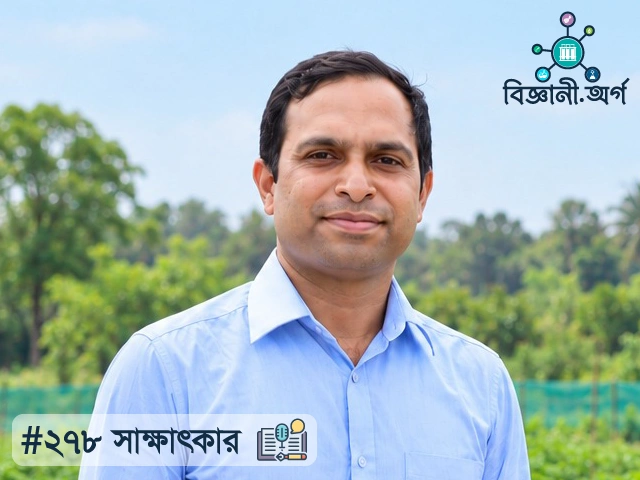
মানিক চন্দ্র কর্মকার বর্তমানে ঢাকার শেরেবাংলা কৃষি বিশ্ববিদ্যালয়ে পিএইচডি ফেলো হিসেবে গবেষণা করছেন। কৃষিতে স্নাতক এবং ক্রপ বোটানিতে স্নাতকোত্তর ডিগ্রি অর্জনের পাশাপাশি তিনি বীজ প্রযুক্তি বিষয়ে বিশেষায়িত প্রশিক্ষণ নিয়েছেন। তাঁর শিক্ষা ও পেশাগত অভিজ্ঞতার প্রধান ক্ষেত্র কৃষি, বীজ প্রযুক্তি, ফসল উৎপাদন এবং বীজ ব্যবস্থাপনা।
বাংলাদেশ কৃষি উন্নয়ন কর্পোরেশনে তিনি মাঠপর্যায়ে বীজ উৎপাদনের পরিকল্পনা, কৃষক পর্যায়ে বীজ উৎপাদন, ফসলের চারা ও কলম উৎপাদন এবং বাজারজাতকরণ-সংক্রান্ত কাজে যুক্ত ছিলেন। কৃষি মন্ত্রণালয়ের বীজ শাখায় কাজের অভিজ্ঞতার মাধ্যমে জাতীয় বীজ নীতি, বীজ আইন ও বিধিমালা, উদ্ভিদ জাত সুরক্ষা, বীজব্যবস্থা পর্যবেক্ষণ এবং আন্তর্জাতিক বীজ সহযোগিতা বিষয়ে বাস্তব অভিজ্ঞতা অর্জন করেছেন। বীজ আমদানিসংক্রান্ত সরকারি কার্যক্রম ডিজিটালাইজেশনেও তিনি অবদান রেখেছেন।

কোরিয়া, চীন, থাইল্যান্ড, ভারত, ফিলিপাইন ও নেপালে বীজশিল্প, হাইব্রিড ধান প্রযুক্তি, ফসল উৎপাদন ও কৃষি গবেষণাবিষয়ক প্রশিক্ষণ, কর্মশালা, সম্মেলন ও শিক্ষাসফরে অংশ নিয়েছেন। বর্তমানে তাঁর পিএইচডি গবেষণার মূল বিষয় হলো ন্যানো ইউরিয়া, প্রচলিত ইউরিয়া ও জৈবসারের সমন্বিত ব্যবস্থাপনার মাধ্যমে বীজ আলুর ফলন, গুণগত মান, মাটির স্বাস্থ্য ও অর্থনৈতিক লাভজনকতা মূল্যায়ন।
নাগরিকত্ব: বাংলাদেশী
💬 প্রশ্নোত্তর পর্ব
প্রশ্ন: আপনার গবেষণার প্রধান বিষয় কী?
উত্তর: আমার স্নাতকোত্তর গবেষণায় টিস্যু কালচার প্রযুক্তিতে ব্যবহৃত এগার মিডিয়ার স্বল্পমূল্যের বিকল্প সলিডিফাইং এজেন্ট নিয়ে কাজ করেছি। এর উদ্দেশ্য ছিল টিস্যু কালচারের মাধ্যমে বীজ আলুর উৎপাদন খরচ কমানো, যাতে কৃষকের কাছে তুলনামূলক কম মূল্যে বীজ আলু পৌঁছানো সম্ভব হয়।
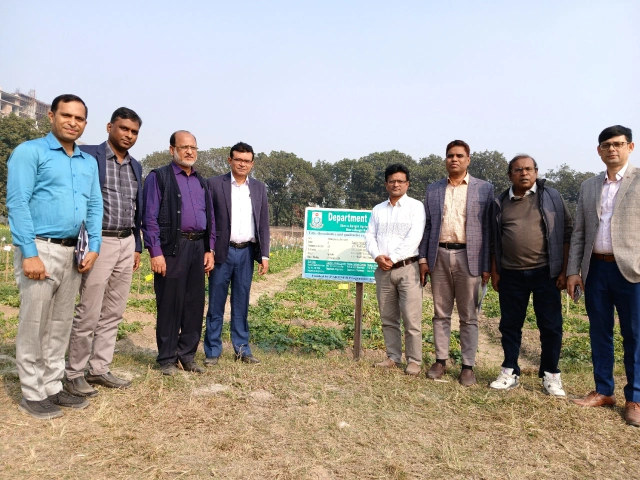
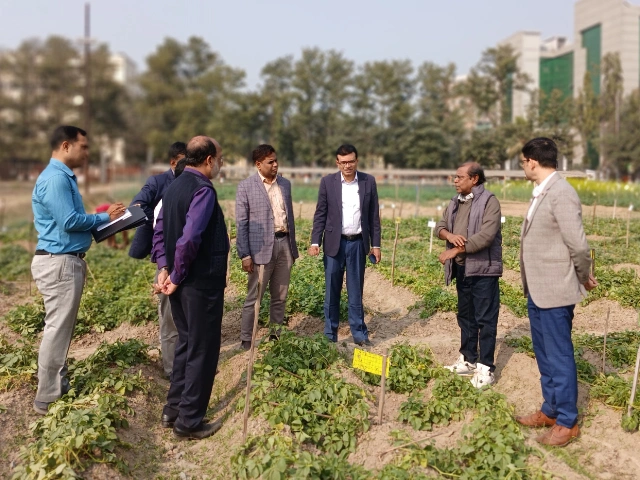
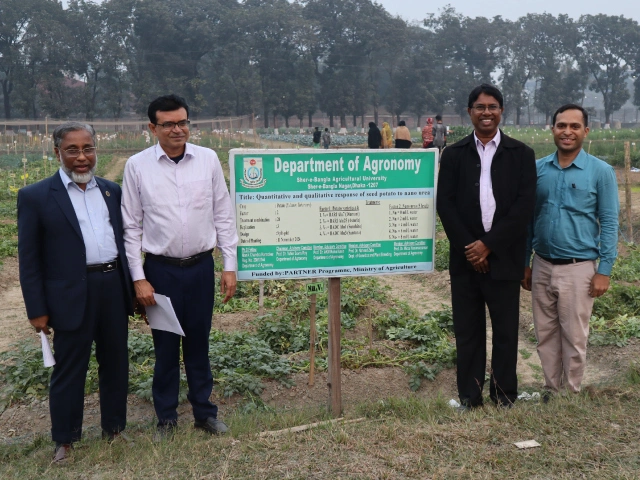
বর্তমানে আমার পিএইচডি গবেষণায় নির্দিষ্ট আলুর জাতে সমন্বিত পুষ্টি ব্যবস্থাপনার প্রভাব নিয়ে কাজ করছি। বিশেষভাবে ন্যানো ইউরিয়া, প্রচলিত ইউরিয়া ও জৈবসারের সমন্বিত ব্যবহারের মাধ্যমে বীজ আলুর ফলন, গুণগত মান, মাটির স্বাস্থ্য এবং অর্থনৈতিক লাভজনকতা উন্নয়নের বিষয়টি মূল্যায়ন করছি। বাংলাদেশের মানসম্মত বীজ আলুর ঘাটতি, কম উৎপাদনশীলতা এবং আরও কার্যকর ও পরিবেশবান্ধব পুষ্টি ব্যবস্থাপনার প্রয়োজনীয়তাকে সামনে রেখে গবেষণাটি পরিকল্পনা করা হয়েছে।
প্রশ্ন: আপনার পিএইচডি গবেষণার লক্ষ্য কী এবং এর ফলাফল কৃষকদের কীভাবে সহায়তা করতে পারে?
উত্তর: আমার পিএইচডি গবেষণার মূল লক্ষ্য হলো প্রচলিত দানাদার ইউরিয়া সারের সঙ্গে ন্যানো ইউরিয়া ও জৈবসারের সমন্বয়ের মাধ্যমে কম খরচে, কার্যকর ও টেকসই উপায়ে মানসম্মত বীজ আলু উৎপাদনের একটি উপযোগী পদ্ধতি নির্ধারণ করা।
এ গবেষণায় ন্যানো ইউরিয়া, প্রচলিত দানাদার ইউরিয়া, জৈবসার, উপযুক্ত রোপণ দূরত্ব এবং নির্দিষ্ট আলুর জাতের মধ্যে সমন্বয় পরীক্ষা করা হবে। এতে ফলন ও বীজের গুণগত মানের পাশাপাশি মাটির স্বাস্থ্য এবং অর্থনৈতিক লাভজনকতাও মূল্যায়ন করা হবে।
গবেষণার মাধ্যমে ন্যানো ইউরিয়া বীজ আলুর গুণগত মানে কোনো উল্লেখযোগ্য পার্থক্য সৃষ্টি করে কি না এবং এর ব্যবহার অর্থনৈতিকভাবে লাভজনক কি না, তা জানা যাবে। ফলাফল কৃষকদের সারের সঠিক ব্যবহার, উৎপাদন খরচ কমানো এবং মানসম্মত বীজ আলু উৎপাদনের সিদ্ধান্ত নিতে সহায়তা করতে পারে।
মানসম্মত বীজ আলুর প্রাপ্যতা বাড়লে দেশের সামগ্রিক আলু উৎপাদনও উন্নত হতে পারে। ভবিষ্যতে এ গবেষণার ফলাফল কৃষক, বীজ উৎপাদক, কৃষি সম্প্রসারণকর্মী, গবেষক এবং নীতিনির্ধারকদের জন্য বৈজ্ঞানিক তথ্য হিসেবে কাজে লাগতে পারে।
প্রশ্ন: গবেষণার সময় কোনো বিশেষ চ্যালেঞ্জের মুখোমুখি হয়েছেন? কীভাবে তা মোকাবিলা করেছেন?
উত্তর: আমার মতে, একজন ভালো পরামর্শক গবেষণার অন্যতম প্রধান চালিকাশক্তি। স্নাতকোত্তর গবেষণায় বীজ আলুর টিস্যু কালচার করতে গিয়ে জুন-জুলাই মাসে আলুর এক্সপ্লান্ট সংগ্রহে সমস্যায় পড়েছিলাম। বীজ আলু অন্ধকার পরিবেশে পাটের বস্তা দিয়ে ঢেকে রাখার পরও প্রত্যাশিত ফল পাওয়া যাচ্ছিল না।
তখন আমার তত্ত্বাবধায়ক কলাগাছের কাণ্ডের রস এবং জিবেরেলিন প্রয়োগের মাধ্যমে আলুর সুপ্তাবস্থা ভাঙার একটি পদ্ধতি অনুসরণের পরামর্শ দেন। সেই পরামর্শ অনুযায়ী কাজ করে প্রয়োজনীয় এক্সপ্লান্ট সংগ্রহ করতে সক্ষম হই।
পিএইচডি গবেষণার ক্ষেত্রেও চারটি আলুর জাত নিয়ে কাজ করার সময় বিএডিসি আলু-১ (সানসাইন) জাতটির অঙ্কুরোদ্গমে সমস্যা দেখা দেয়। পরে বীজগুলো আলাদাভাবে অন্ধকার পরিবেশে রেখে অঙ্কুরোদ্গম ত্বরান্বিত করতে হয়েছে। গবেষণায় এ ধরনের বাস্তব সমস্যার সমাধান ধৈর্য, পর্যবেক্ষণ এবং সঠিক পরামর্শের গুরুত্ব শেখায়।
প্রশ্ন: আপনার মতে একজন ভালো বিজ্ঞানীর সবচেয়ে গুরুত্বপূর্ণ গুণগুলো কী?
উত্তর: আমার মতে, একজন ভালো বিজ্ঞানীর সবচেয়ে গুরুত্বপূর্ণ গুণ হলো কৌতূহল এবং নতুন কিছু শেখার আগ্রহ। একজন গবেষকের নিয়মিত গবেষণাপত্র পড়ার অভ্যাস থাকা উচিত। প্রতিদিন অন্তত একটি গবেষণাপত্র দেখার চেষ্টা করা প্রয়োজন এবং আমাদের চারপাশে কী ধরনের সমস্যা রয়েছে, তা নিয়ে ভাবতে হবে।
একজন বিজ্ঞানী কোনো বিষয়কে শুধু প্রচলিত ধারণার ভিত্তিতে গ্রহণ করবেন না; তাঁকে প্রশ্ন করতে হবে, পর্যবেক্ষণ করতে হবে এবং প্রমাণের ভিত্তিতে সিদ্ধান্ত নিতে হবে। গবেষণায় প্রত্যাশিত ফল না এলেও হতাশ না হয়ে বারবার পরীক্ষা, বিশ্লেষণ ও যাচাই করার মানসিকতা থাকতে হবে।
একই সঙ্গে তথ্য উপস্থাপনে সততা, নিজের ভুল স্বীকার করার সাহস, অন্যের মতামত গ্রহণের উদারতা এবং নিরপেক্ষতা অত্যন্ত গুরুত্বপূর্ণ। একজন বিজ্ঞানীর ভালো তথ্য বিশ্লেষণ দক্ষতা, যোগাযোগ দক্ষতা এবং দলগতভাবে কাজ করার সক্ষমতাও থাকা প্রয়োজন।
সবচেয়ে গুরুত্বপূর্ণ বিষয় হলো, একজন বিজ্ঞানীকে তাঁর গবেষণার সামাজিক, অর্থনৈতিক ও পরিবেশগত প্রভাব সম্পর্কে দায়িত্বশীল হতে হবে এবং এমন জ্ঞান সৃষ্টির চেষ্টা করতে হবে, যা মানুষের জীবন, সমাজ ও দেশের উন্নয়নে বাস্তব অবদান রাখতে পারে।
প্রশ্ন: বাংলাদেশের যেসব তরুণ শিক্ষার্থী ভবিষ্যতে বিজ্ঞান ও গবেষণায় কাজ করতে চায়, তাদের জন্য আপনার পরামর্শ কী?
উত্তর: বাংলাদেশের যেসব তরুণ শিক্ষার্থী বিজ্ঞানে কাজ করতে চায়, তাদের প্রতি আমার বার্তা হলো—বিজ্ঞানকে শুধু একটি বিষয় হিসেবে নয়, বরং সমস্যা সমাধানের একটি পদ্ধতি হিসেবে দেখুন। কৌতূহলী হন, প্রশ্ন করতে শিখুন, প্রমাণের ভিত্তিতে চিন্তা করুন এবং ব্যর্থতাকে শেখার একটি অংশ হিসেবে গ্রহণ করুন।
শুরু থেকেই গবেষণার মৌলিক পদ্ধতি, তথ্য বিশ্লেষণ, বৈজ্ঞানিক লেখালেখি, ইংরেজিতে যোগাযোগ এবং প্রয়োজনীয় ডিজিটাল দক্ষতা আয়ত্ত করার চেষ্টা করুন। একজন ভালো পরামর্শক খুঁজুন এবং নিয়মিত দেশি-বিদেশি গবেষণাপত্র পড়ুন।
সবচেয়ে গুরুত্বপূর্ণ হলো—আমাদের বাস্তব সমস্যা, যেমন কৃষি, স্বাস্থ্য, পরিবেশ, খাদ্যনিরাপত্তা, জলবায়ু পরিবর্তন এবং প্রযুক্তিগত চ্যালেঞ্জকে গবেষণার বিষয় হিসেবে দেখুন। ধৈর্য, কঠোর পরিশ্রম এবং শেখার আগ্রহ বজায় রাখতে পারলে সীমিত সম্পদ দিয়েও আন্তর্জাতিক মানের গবেষণা করা সম্ভব। আজকের তরুণ গবেষকেরাই আগামী দিনের বাংলাদেশকে জ্ঞান, উদ্ভাবন ও বিজ্ঞানের মাধ্যমে এগিয়ে নেবে।
🔗 প্রোফাইল লিংক
💼 লিংকডইন: www.linkedin.com
🎓 গুগল স্কলার: scholar.google.com
🔬 রিসার্চগেট: www.researchgate.net
যোগাযোগের তথ্য
📧 ইমেইল: [email protected]
মানিক চন্দ্র কর্মকারের গবেষণায় বীজ প্রযুক্তি, ফসল উৎপাদন, মাটির স্বাস্থ্য এবং অর্থনৈতিক লাভজনকতাকে একই কাঠামোর মধ্যে বিবেচনা করার প্রয়াস দেখা যায়। বিশেষ করে বাংলাদেশের মানসম্মত বীজ আলুর প্রাপ্যতা বৃদ্ধি এবং সারের কার্যকর ও টেকসই ব্যবহারের সঙ্গে তাঁর গবেষণার প্রত্যক্ষ সম্পর্ক রয়েছে। গবেষণাগারের বৈজ্ঞানিক অনুসন্ধানের পাশাপাশি মাঠপর্যায়ের অভিজ্ঞতা ও কৃষিনীতি সম্পর্কে তাঁর জ্ঞান গবেষণাকে বাস্তব প্রয়োগের সঙ্গে যুক্ত করেছে। বিজ্ঞানী অর্গ টিম তাঁর গবেষণার সফলতা কামনা করছে এবং ভবিষ্যতে বাংলাদেশের কৃষি ও বীজ প্রযুক্তির উন্নয়নে তাঁর গবেষণা কার্যকর ভূমিকা রাখবে—এই প্রত্যাশা ব্যক্ত করছে।
Exploring Sustainable Seed Potato Production — A Conversation with Manik Chandra Karmakar
Manik Chandra Karmakar is currently a PhD Fellow at Sher-e-Bangla Agricultural University, Dhaka. He holds an undergraduate degree in agriculture and a postgraduate degree in Crop Botany, along with specialized training in Seed Technology. His academic and professional experience covers agriculture, seed technology, crop production, and seed management.
He has experience with the Bangladesh Agricultural Development Corporation, where his work involved planning field-level seed production, farmer-level seed production, production of seedlings and planting materials, and related marketing activities. Through his work with the Seed Wing of the Ministry of Agriculture, he also gained practical experience in national seed policy, seed laws and regulations, Plant Variety Protection, seed-system monitoring, and international seed cooperation. He has also contributed to the digitalization of government processes related to seed imports.
His international exposure includes training programs, study tours, workshops, and conferences in Korea, China, Thailand, India, the Philippines, and Nepal, covering seed industry development, hybrid rice technology, crop production, and international agricultural research.
His current PhD research examines the effects of integrated nutrient management on seed potato production, with particular attention to nano urea, conventional urea, and organic manure, and their impact on yield, quality, soil health, and economic profitability.
Citizenship: Bangladeshi
💬 Q&A Session
Question: What is the main focus of your research?
Answer: In my postgraduate research, I worked on finding a low-cost alternative solidifying agent to agar media used in tissue culture technology. The aim was to reduce the production cost of seed potatoes through tissue culture so that farmers could have access to seed potatoes at a lower price.
Currently, in my PhD research, I am studying the effects of Integrated Nutrient Management on a specific potato variety. In particular, I am evaluating the combined use of nano urea, conventional urea, and organic manure to improve seed potato yield, quality, soil health, and economic profitability.
The research has been designed in response to the shortage of quality seed potatoes in Bangladesh, relatively low productivity, and the need for more efficient and environmentally sustainable nutrient-management practices.
Question: What is the main objective of your PhD research, and how could its findings benefit farmers?
Answer: The main objective of my PhD research is to identify a suitable method for producing quality seed potatoes in a low-cost, efficient, and sustainable way by combining nano urea and organic manure with conventional granular urea fertilizer.
The research will examine different combinations of nano urea, conventional granular urea, organic manure, suitable planting distances, and a specific potato variety. In addition to yield and seed quality, soil health and economic profitability will also be evaluated.
The study will help determine whether nano urea creates meaningful differences in the quality of seed potatoes and whether its use is economically profitable in seed potato production.
The findings may help farmers make better decisions about fertilizer use, reduce production costs, and produce higher-quality seed potatoes. Increasing the availability of quality seed potatoes may also contribute to improving overall potato production.
Because the research also evaluates soil characteristics and economic returns, it may contribute to developing a more practical and comprehensive production strategy from both environmental and economic perspectives.
In the future, the findings could provide useful scientific information for farmers, seed producers, agricultural extension professionals, researchers, and policymakers, and may contribute to improving seed potato quality and increasing seed production in Bangladesh.
Question: Have you faced any particular challenges during your research? How did you deal with them?
Answer: I believe that a good mentor is one of the most important driving forces in research.
During my postgraduate research on seed potato tissue culture, I faced difficulties collecting potato explants during June and July. Even after keeping the seed potatoes covered with jute sacks in a dark place, the method was not working as expected.
My supervisor advised me to use juice from the main stem of a banana plant along with gibberellin to help break potato dormancy. Following this advice, I was eventually able to obtain the required explants.
During my PhD research, I encountered another challenge while working with four potato varieties. At the time of planting, BADC Alu-1 (Sunshine) was not sprouting properly. I later kept the seed potatoes separately in a dark place under jute covering to accelerate sprouting.
Experiences like these have shown me the importance of patience, observation, practical problem-solving, and proper guidance in research.
Question: In your opinion, what are the most important qualities of a good scientist?
Answer: In my opinion, the most important qualities of a good scientist are curiosity and a willingness to learn new things.
A researcher should develop the habit of reading research papers regularly. I believe researchers should try to review at least one research paper every day and think about the new problems that exist around us.
A scientist should not accept something simply because it is commonly believed. They should ask questions, observe carefully, and make decisions based on evidence.
Even when research does not produce the expected results, a scientist should not become discouraged. Instead, they should be willing to repeat experiments, analyze the findings, and verify the results.
Honesty in presenting data, the courage to acknowledge mistakes, openness to other people’s opinions, and objectivity are also extremely important.
A scientist should also develop strong data-analysis skills, communication skills, and the ability to work effectively in a team.
Most importantly, scientists should remain responsible for the social, economic, and environmental impacts of their research and should try to generate knowledge that can make a practical contribution to people’s lives, society, and national development.
Question: What advice would you give to young Bangladeshi students who want to pursue science and research?
Answer: My message to young Bangladeshi students who want to work in science is to view science not simply as an academic subject, but as a method of solving problems.
Be curious, learn to ask questions, think based on evidence, and accept failure as part of the learning process.
From the beginning, try to develop fundamental research skills, data-analysis skills, scientific writing abilities, English communication skills, and the necessary digital skills.
Find a good mentor and regularly read both national and international research publications.
Most importantly, consider real-world challenges in areas such as agriculture, health, the environment, food security, climate change, and technology as potential research problems.
If you maintain patience, work hard, and continue learning, it is possible to conduct internationally competitive research even with limited resources.
Today’s young researchers will help move Bangladesh forward through knowledge, innovation, and science.
🔗 Profile Links
🔗 LinkedIn: www.linkedin.com
🎓 Google Scholar: scholar.google.com
🔬 ResearchGate: www.researchgate.net
Contact Information
📧 Email: [email protected]
Manik Chandra Karmakar’s research brings together seed technology, crop production, soil health, and economic considerations within a practical agricultural framework. His current work on nano urea, conventional fertilizer, organic manure, and seed potato production is directly connected to the challenge of improving the availability and quality of seed potatoes in Bangladesh. His experience across field-level agricultural production, seed management, agricultural policy, and academic research also connects scientific investigation with practical application. The biggani.org team wishes him continued success in his research and hopes that his work will contribute to the advancement of sustainable agriculture and seed technology in Bangladesh.




Leave a comment