


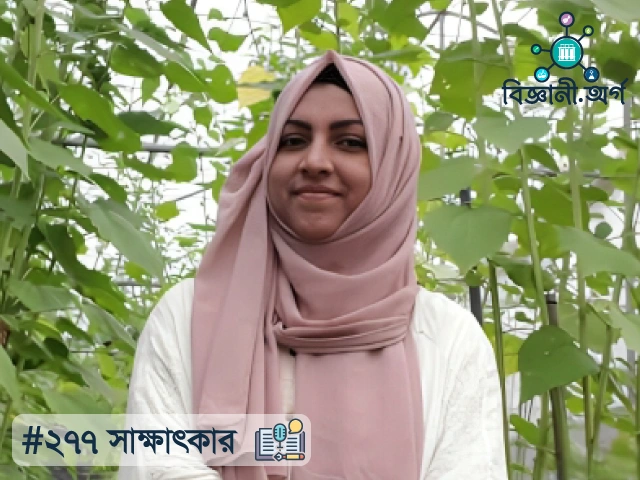
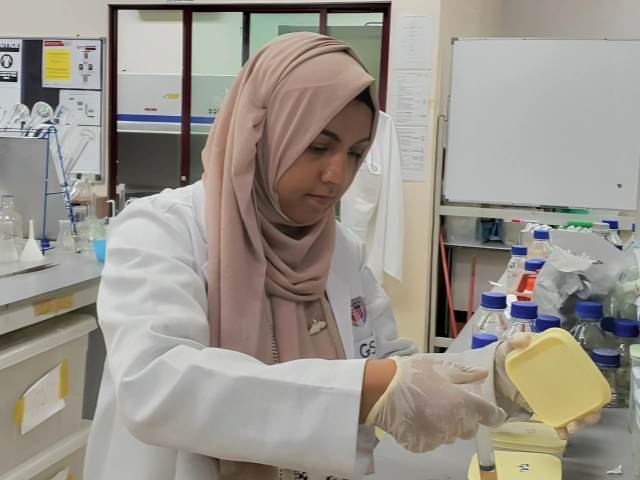
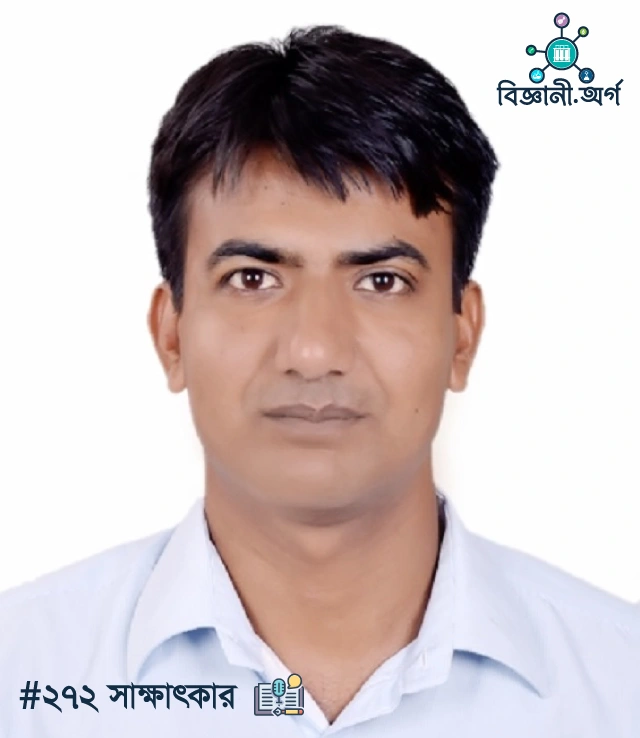
জন্নাতুল ফেরদৌস বাংলাদেশের একজন কৃষিবিজ্ঞানী ও গবেষক। তিনি বর্তমানে বাংলাদেশ সরকারের কৃষি মন্ত্রণালয়ের অধীন বাংলাদেশ পাট গবেষণা ইনস্টিটিউট (BJRI)-এ জ্যেষ্ঠ বৈজ্ঞানিক কর্মকর্তা হিসেবে কর্মরত। তাঁর একাডেমিক পটভূমি কৃষিবিজ্ঞান ও অ্যাগ্রোনমিতে। তিনি বাংলাদেশের বঙ্গবন্ধু শেখ মুজিবুর রহমান কৃষি বিশ্ববিদ্যালয় থেকে অ্যাগ্রোনমিতে স্নাতকোত্তর ডিগ্রি সম্পন্ন করেছেন। বর্তমানে তিনি মালয়েশিয়ার Universiti Putra Malaysia (UPM)-এ পিএইচডি গবেষণা করছেন।
তাঁর গবেষণার ক্ষেত্রের মধ্যে রয়েছে অণুজীববিজ্ঞান, উদ্ভিদ–অণুজীব আন্তঃক্রিয়া, মৃত্তিকাবিজ্ঞান, কৃষিতত্ত্ব এবং আঁশজাত ফসলের সংগ্রহোত্তর প্রক্রিয়াজাতকরণ। বাংলাদেশ পাট গবেষণা ইনস্টিটিউটে কাজের অভিজ্ঞতার মাধ্যমে তিনি আঁশজাত ফসলের উৎপাদন ও আঁশের গুণগত মান নিয়ে গবেষণায় যুক্ত হয়েছেন। বর্তমানে তাঁর পিএইচডি গবেষণায় উপকারী অণুজীব ব্যবহার করে আঁশজাত ফসলের উৎপাদনশীলতা বৃদ্ধি এবং জাগ বা রেটিং প্রক্রিয়াকে আরও দক্ষ ও পরিবেশবান্ধব করার সম্ভাবনা অনুসন্ধান করা হচ্ছে।

বাংলাদেশে তাঁর মূল কর্মস্থল হলেও বর্তমানে উচ্চতর গবেষণার জন্য তিনি মালয়েশিয়ায় অবস্থান করছেন। তাঁর গবেষণার দীর্ঘমেয়াদি লক্ষ্য হলো অণুজীবভিত্তিক কৃষি প্রযুক্তিকে এমন ব্যবহারিক সমাধানে রূপ দেওয়া, যা কৃষক ও প্রাকৃতিক আঁশশিল্পের জন্য কার্যকর হতে পারে।
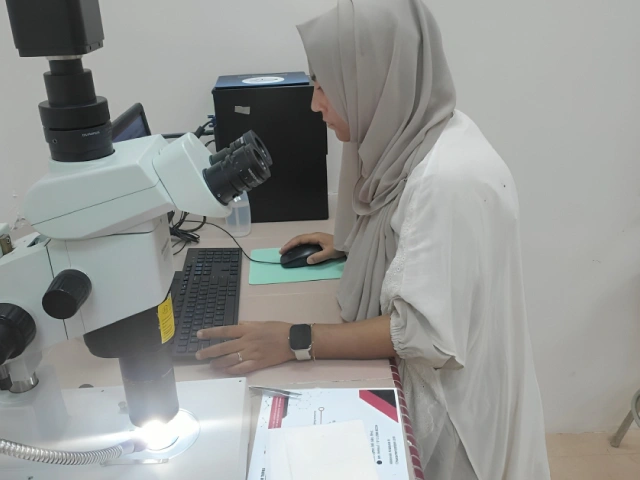
💬 প্রশ্নোত্তর পর্ব
প্রশ্ন: আপনার নিজের পরিচয়, বর্তমান কর্মক্ষেত্র এবং গবেষণার বিষয় সম্পর্কে বলুন।
উত্তর: আমি জন্নাতুল ফেরদৌস। বাংলাদেশ সরকারের কৃষি মন্ত্রণালয়ের অধীন বাংলাদেশ পাট গবেষণা ইনস্টিটিউটে জ্যেষ্ঠ বৈজ্ঞানিক কর্মকর্তা হিসেবে কর্মরত আছি। বর্তমানে আমি Universiti Putra Malaysia-তে পিএইচডি গবেষণা করছি।
আমার গবেষণার আগ্রহের ক্ষেত্রগুলোর মধ্যে রয়েছে অণুজীববিজ্ঞান, উদ্ভিদ–অণুজীব আন্তঃক্রিয়া, মৃত্তিকাবিজ্ঞান, কৃষিতত্ত্ব এবং প্রাকৃতিক আঁশজাত ফসল। বাংলাদেশ পাট গবেষণা ইনস্টিটিউটে কাজের অভিজ্ঞতা আমাকে আঁশজাত ফসলের উৎপাদন ও আঁশের গুণগত মান সম্পর্কে কাজ করার একটি শক্ত ভিত্তি তৈরি করে দিয়েছে। একই সঙ্গে ফসলের উৎপাদন এবং আঁশ প্রক্রিয়াজাতকরণ উন্নত করার জন্য উপকারী অণুজীব ব্যবহারের প্রতি আমার আগ্রহ তৈরি হয়েছে।
বর্তমানে আমার পিএইচডি গবেষণার মূল লক্ষ্য হলো অণুজীবভিত্তিক পদ্ধতি ব্যবহার করে আঁশজাত ফসলের উৎপাদনশীলতা এবং আঁশের জাগ বা রেটিং প্রক্রিয়ার দক্ষতা বৃদ্ধি করা, যাতে আরও টেকসইভাবে আঁশ উৎপাদন করা সম্ভব হয়।
ভবিষ্যতে আমি অণুজীবীয় জীবপ্রযুক্তি, ফসল ব্যবস্থাপনা, উপকারী ব্যাকটেরিয়া এবং প্রাকৃতিক আঁশ নিয়ে সমন্বিতভাবে কাজ চালিয়ে যেতে চাই। গবেষণার ফলাফলকে কৃষক ও আঁশশিল্পের জন্য ব্যবহারিক সুবিধায় রূপ দেওয়াই আমার অন্যতম লক্ষ্য।
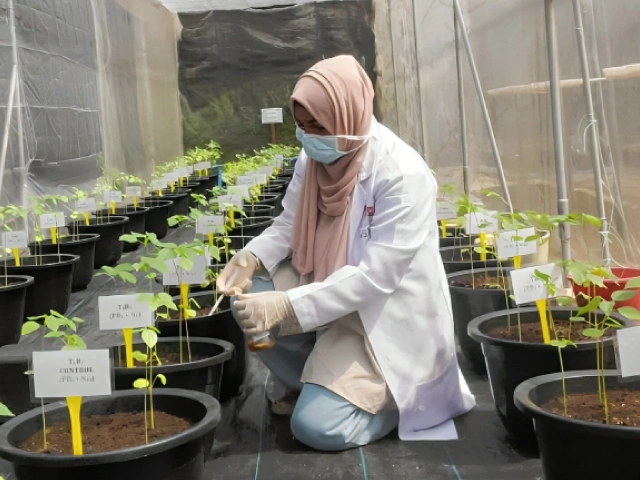
প্রশ্ন: আপনার গবেষণার প্রধান ক্ষেত্র কী এবং কোন সমস্যার সমাধান করতে আপনি কাজ করছেন?
উত্তর: আমার গবেষণার ক্ষেত্রগুলোর মধ্যে রয়েছে অণুজীববিজ্ঞান, উদ্ভিদ–অণুজীব আন্তঃক্রিয়া, মৃত্তিকাবিজ্ঞান, কৃষিতত্ত্ব এবং আঁশজাত ফসলের সংগ্রহোত্তর প্রক্রিয়াজাতকরণ।
আমি মূলত আঁশজাত ফসলের উৎপাদন ও প্রক্রিয়াজাতকরণকে আরও টেকসই ও কার্যকর করার সমস্যাটি নিয়ে কাজ করছি। আঁশজাত ফসলের ক্ষেত্রে পর্যাপ্ত জৈবভর ও আঁশের উৎপাদন নিশ্চিত করা একটি গুরুত্বপূর্ণ বিষয়। একই সঙ্গে প্রচলিত আঁশ প্রক্রিয়াজাতকরণ বা জাগ দেওয়ার পদ্ধতি সময়সাপেক্ষ হতে পারে এবং এর ফলে আঁশের গুণগত মানও প্রভাবিত হতে পারে।
এই কারণে আমার গবেষণায় অণুজীবভিত্তিক পদ্ধতির মাধ্যমে ফসলের উৎপাদনশীলতা বৃদ্ধি এবং আরও টেকসই উপায়ে আঁশের জাগ প্রক্রিয়ার দক্ষতা উন্নত করার বিষয়টিকে গুরুত্ব দেওয়া হচ্ছে।
প্রশ্ন: আপনার গবেষণা সমাজ, কৃষক এবং প্রাকৃতিক আঁশশিল্পের জন্য কীভাবে উপকারী হতে পারে?
উত্তর: আমার গবেষণা আঁশজাত ফসলের উৎপাদন ও প্রক্রিয়াজাতকরণকে আরও টেকসই এবং কার্যকর করতে ভূমিকা রাখতে পারে।
অণুজীবভিত্তিক প্রযুক্তি উন্নয়নের মাধ্যমে ফসলের বৃদ্ধি এবং পুষ্টি উপাদান গ্রহণের সক্ষমতা বাড়ানো সম্ভব হতে পারে। একই সঙ্গে রাসায়নিক উপকরণের ওপর নির্ভরতা কমানোরও সুযোগ তৈরি হতে পারে।
অন্যদিকে, জৈবিক জাগ প্রক্রিয়ায় উপকারী অণুজীব ব্যবহার করা গেলে আঁশ প্রক্রিয়াজাতকরণ আরও দক্ষ ও পরিবেশবান্ধব হতে পারে। ভবিষ্যতে এই পদ্ধতি কৃষকদের আঁশের উৎপাদন বাড়ানো, উৎপাদন ও প্রক্রিয়াজাতকরণ ব্যয় কমানো এবং সম্ভাব্যভাবে আঁশের গুণগত মান উন্নত করতে সহায়তা করতে পারে।
জাগ দেওয়ার সময় কমানো এবং সংশ্লিষ্ট পরিবেশগত প্রভাব হ্রাস করতেও এ ধরনের গবেষণা ভূমিকা রাখতে পারে। সামগ্রিকভাবে গবেষণাটি কৃষক, আঁশ প্রক্রিয়াজাতকারী এবং প্রাকৃতিক আঁশশিল্পের জন্য আরও টেকসই ও ব্যয়সাশ্রয়ী উৎপাদনব্যবস্থা গড়ে তুলতে সহায়ক হতে পারে।
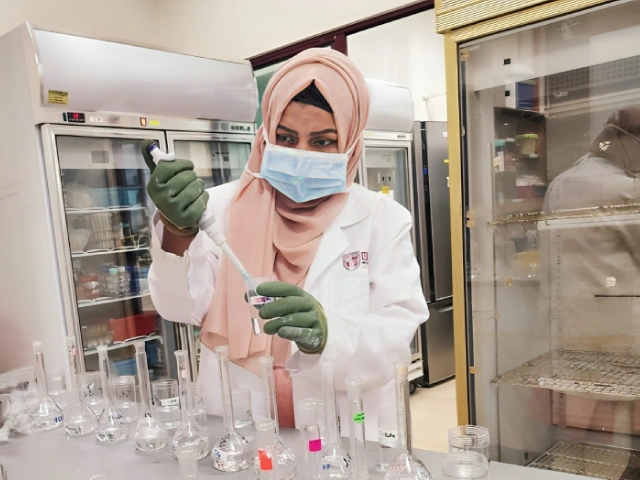
প্রশ্ন: আপনার গবেষণাজীবনের স্মরণীয় অভিজ্ঞতা কী? গবেষণার চ্যালেঞ্জগুলো কীভাবে মোকাবিলা করেন?
উত্তর: আমার গবেষণাজীবনের অন্যতম স্মরণীয় অভিজ্ঞতা হলো নতুন একটি গবেষণা পরিবেশের সঙ্গে মানিয়ে নেওয়া এবং বৈজ্ঞানিক গবেষণার বিভিন্ন পদ্ধতি শেখা।
বিভিন্ন একাডেমিক ও সাংস্কৃতিক পটভূমির গবেষকদের সঙ্গে কাজ করার অভিজ্ঞতা আমার স্বাধীনভাবে কাজ করার সক্ষমতা, অভিযোজন ক্ষমতা, যোগাযোগ এবং সহযোগিতার দক্ষতা বাড়িয়েছে।
গবেষণায় অপ্রত্যাশিত সমস্যা দেখা দিলে আমি প্রথমে সমস্যাটি সুনির্দিষ্টভাবে চিহ্নিত করার চেষ্টা করি। এরপর সম্ভাব্য সমাধানগুলো মূল্যায়ন করি, সহকর্মীদের সঙ্গে আলোচনা করি এবং প্রয়োজন হলে পরীক্ষার পদ্ধতিতে পরিবর্তন আনি।
এই অভিজ্ঞতাগুলো আমার সমস্যা সমাধান ও সমালোচনামূলক চিন্তার সক্ষমতা উল্লেখযোগ্যভাবে বৃদ্ধি করেছে এবং একজন গবেষক হিসেবে আমার পেশাগত বিকাশে গুরুত্বপূর্ণ ভূমিকা রেখেছে।
প্রশ্ন: একজন ভালো বিজ্ঞানীর মধ্যে কোন গুণগুলো থাকা প্রয়োজন বলে আপনি মনে করেন?
উত্তর: আমার মতে, একজন ভালো বিজ্ঞানীর মধ্যে কৌতূহল, সততা, ধৈর্য, সমালোচনামূলক চিন্তাশক্তি এবং শেখার আগ্রহ থাকা প্রয়োজন।
গবেষণা সব সময় পরিকল্পনা অনুযায়ী এগোয় না। তাই পরিবর্তিত পরিস্থিতির সঙ্গে খাপ খাওয়ানোর সক্ষমতা, প্রতিকূলতা মোকাবিলার মানসিক শক্তি এবং সমস্যা সমাধানের দক্ষতাও অত্যন্ত গুরুত্বপূর্ণ।
একই সঙ্গে একজন বিজ্ঞানীর অন্যদের সঙ্গে কার্যকরভাবে যোগাযোগ ও সহযোগিতা করার সক্ষমতা থাকা উচিত। গবেষণার ক্ষেত্রে তাঁকে নিরপেক্ষ থাকতে হবে এবং বৈজ্ঞানিক সততার প্রতি অঙ্গীকারবদ্ধ থাকতে হবে।
আমার মতে, প্রতিভার পাশাপাশি ধারাবাহিকতা এবং কাজের প্রতি নিষ্ঠাও একজন বিজ্ঞানীর জন্য সমানভাবে গুরুত্বপূর্ণ।
প্রশ্ন: যেসব তরুণ শিক্ষার্থী ভবিষ্যতে বিজ্ঞানী বা গবেষক হতে চায়, তাদের জন্য আপনার পরামর্শ কী?
উত্তর: তরুণ শিক্ষার্থীদের প্রতি আমার পরামর্শ হলো—কৌতূহলী থাকো, ধৈর্য ধরো, নিজের ওপর আস্থা রাখো এবং চ্যালেঞ্জ বা ব্যর্থতাকে ভয় পেয়ো না।
গবেষণা একটি দীর্ঘ যাত্রা। প্রতিটি পরীক্ষা প্রত্যাশিত ফল দেবে—এমন নয়। প্রতিটি চ্যালেঞ্জ থেকেই নতুন কিছু শেখার, নিজের দক্ষতা বাড়ানোর এবং একজন গবেষক হিসেবে বিকশিত হওয়ার সুযোগ পাওয়া যায়।
আমি শিক্ষার্থীদের মৌলিক বিষয়গুলোর ওপর শক্ত ভিত্তি তৈরি করতে, সমালোচনামূলকভাবে চিন্তা করতে, প্রশ্ন করতে, সহযোগিতার মাধ্যমে কাজ করতে এবং নিয়মিত নতুন দক্ষতা অর্জন করতে উৎসাহিত করব।
সবচেয়ে গুরুত্বপূর্ণ বিষয় হলো, গবেষণায় সব সময় সততা ও নৈতিকতা বজায় রাখতে হবে। পাশাপাশি এমন একটি গবেষণার ক্ষেত্র বেছে নেওয়া উচিত, যার প্রতি সত্যিকার অর্থেই আগ্রহ রয়েছে। বিজ্ঞান ও সমাজে অর্থবহ অবদান রাখার লক্ষ্য নিয়ে সেই কাজের প্রতি ধারাবাহিকভাবে নিবেদিত থাকাও গুরুত্বপূর্ণ।
🔗 প্রোফাইল লিংক
🔬 রিসার্চগেট: Jannatul Ferdous
🆔 ORCID: 0000-0003-0175-5715
Contact Info
📧 ইমেইল: [email protected]
অণুজীববিজ্ঞান, কৃষিতত্ত্ব এবং প্রাকৃতিক আঁশ গবেষণার সমন্বয়ে জন্নাতুল ফেরদৌসের গবেষণা বাংলাদেশের গুরুত্বপূর্ণ অর্থকরী ফসল পাটসহ অন্যান্য আঁশজাত ফসলের টেকসই উৎপাদন ও প্রক্রিয়াজাতকরণের সঙ্গে সরাসরি সম্পর্কিত। বিশেষ করে উপকারী অণুজীবের মাধ্যমে উৎপাদনশীলতা বৃদ্ধি এবং জাগ প্রক্রিয়াকে আরও কার্যকর ও পরিবেশবান্ধব করার প্রচেষ্টা ভবিষ্যতে কৃষি ও আঁশশিল্পে ব্যবহারিক প্রয়োগের সুযোগ তৈরি করতে পারে। বিজ্ঞানী অর্গ টিম জন্নাতুল ফেরদৌসের গবেষণাজীবনের উত্তরোত্তর সাফল্য কামনা করছে। তাঁর গবেষণার পথচলা বাংলাদেশের তরুণ শিক্ষার্থীদের বিজ্ঞান ও গবেষণায় আগ্রহী হতে উৎসাহিত করুক—এই প্রত্যাশা।
#277 Microbial Approaches for Sustainable Jute Production — A Conversation with Jannatul Ferdous
Jannatul Ferdous is a Bangladeshi agricultural scientist and researcher. She is currently serving as a Senior Scientific Officer at the Bangladesh Jute Research Institute (BJRI) under the Ministry of Agriculture, Bangladesh. She is also pursuing her PhD at Universiti Putra Malaysia (UPM).
Her research interests include microbiology, plant–microbe interactions, soil science, agronomy, and the post-harvest processing of fibre crops. Her professional experience at BJRI has provided her with a strong foundation in fibre-crop production and fibre quality and has encouraged her interest in the use of beneficial microorganisms to improve crop production and fibre processing.
Her current PhD research focuses on microbial-based approaches to improving fibre-crop productivity and enhancing the efficiency of fibre retting for more sustainable fibre production.
Although her primary professional affiliation is in Bangladesh, she is currently conducting her higher studies and research in Malaysia. Her long-term research interest lies at the intersection of microbial biotechnology, crop management, beneficial bacteria, and natural-fibre research, with the goal of translating scientific findings into practical benefits for farmers and the fibre industry.
💬 Q&A
Question: Please introduce yourself and tell us about your current workplace and research interests.
Answer: My name is Jannatul Ferdous, and I am serving as a Senior Scientific Officer at the Bangladesh Jute Research Institute under the Ministry of Agriculture, Bangladesh. Currently, I am pursuing my PhD at Universiti Putra Malaysia.
My research interests include microbiology, plant–microbe interactions, soil science, agronomy, and natural-fibre crops. My experience at BJRI has given me a strong foundation in fibre-crop production and fibre quality, and it has developed my interest in using beneficial microorganisms to improve crop production and fibre processing.
Currently, my PhD research focuses on a microbial-based approach to improving fibre-crop productivity and fibre retting efficiency for more sustainable fibre production.
In the future, I would like to continue working at the interface of microbial biotechnology, crop management, beneficial bacteria, and natural-fibre research, with the aim of translating research into practical benefits for farmers and the fibre industry.
Question: What are your main research areas, and what problem are you trying to address?
Answer: My research areas include microbiology, plant–microbe interactions, soil science, agronomy, and the post-harvest processing of fibre crops.
The main problem I want to address is the sustainability and efficiency of fibre-crop production and processing. Fibre crops can face challenges in achieving high biomass and fibre productivity, while conventional fibre processing can be time-consuming and may affect fibre quality.
My research is therefore focused on developing a microbial-based approach to improve crop productivity and enhance the efficiency of fibre retting in a more sustainable way.
Question: How could your research benefit society, farmers, and the natural-fibre industry?
Answer: My research could benefit society by contributing to more sustainable and efficient fibre-crop production and processing.
By developing microbial-based technologies, my research aims to improve crop growth and nutrient acquisition while reducing dependence on chemical inputs.
At the same time, the use of beneficial microorganisms for biological retting could make fibre processing more efficient and environmentally friendly.
In the future, this approach could help farmers increase fibre production, reduce production and processing costs, and potentially improve fibre quality. It may also contribute to more sustainable fibre-processing practices by reducing retting time and associated environmental impacts.
Ultimately, the research could benefit farmers, fibre processors, and the natural-fibre industry by supporting more sustainable and cost-effective fibre production.
Question: What has been one of the most memorable experiences in your research journey, and how do you deal with research challenges?
Answer: One of the most memorable experiences in my research journey has been adapting to a new research environment and learning different approaches to scientific research.
Working with researchers from diverse academic and cultural backgrounds has strengthened my independence, adaptability, communication, and collaboration skills.
I have also learned to approach unexpected research challenges systematically by identifying the problem, evaluating possible solutions, discussing them with colleagues, and improving the experimental approach when necessary.
Overall, this experience has significantly strengthened my problem-solving and critical-thinking abilities and has contributed greatly to my professional development as a researcher.
Question: What qualities do you believe a good scientist should have?
Answer: In my view, a good scientist should have curiosity, integrity, patience, critical thinking, honesty, and a willingness to learn.
Research does not always go as planned, so adaptability, resilience, and problem-solving skills are also very important.
At the same time, a scientist should be able to communicate and collaborate effectively with others while remaining objective and committed to scientific integrity.
Consistency and dedication are often just as important as talent.
Question: What advice would you give to young students who want to become scientists or researchers?
Answer: My advice to young students is to stay curious, be patient and confident, and never be afraid of challenges or failure.
Research is a journey, and not every experiment will produce the expected result. Every challenge is an opportunity to learn, improve, and develop as a researcher.
I would also encourage them to build strong fundamentals, think critically, ask questions, work collaboratively, and continuously develop new skills.
Most importantly, they should always maintain honesty and integrity in their research. Finally, I would encourage them to choose a research area they are genuinely passionate about and remain committed to making a meaningful contribution to science and society.
🔗 Profile Links
🔬 ResearchGate: Jannatul Ferdous
🆔 ORCID: 0000-0003-0175-5715
Contact Information
📧 Email: [email protected]
Jannatul Ferdous’s research brings together microbiology, agronomy, and natural-fibre science to address practical challenges in sustainable fibre-crop production and processing. Her work on beneficial microorganisms, crop productivity, and biological retting has the potential to contribute to more efficient and environmentally responsible approaches to natural-fibre production. The biggani.org team wishes Jannatul Ferdous continued success in her research journey and hopes that her work will encourage young Bangladeshi students to develop an interest in science, agriculture, and research.





Leave a comment