


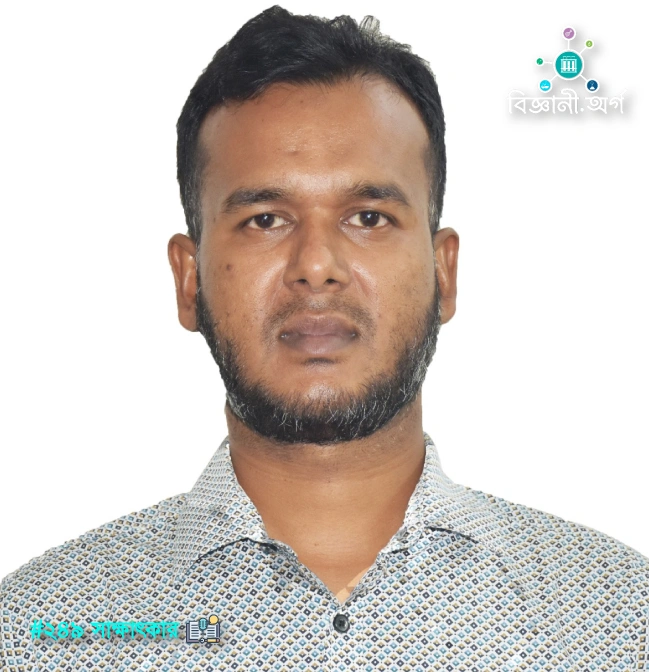
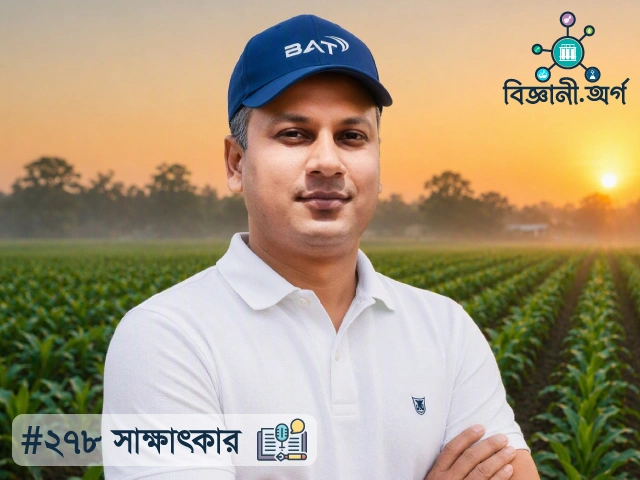
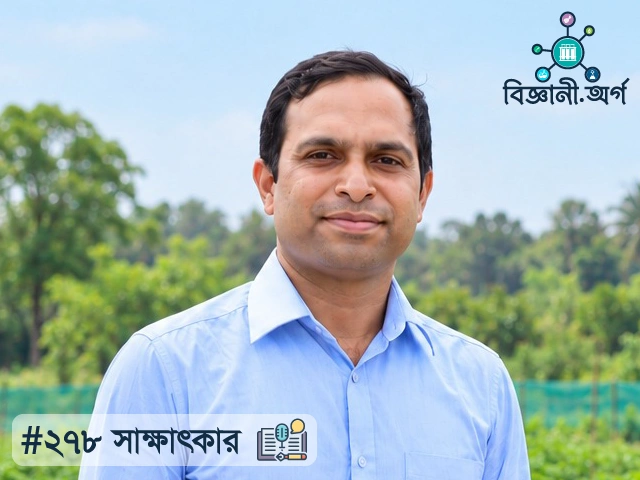
মুহিউদ্দীন ফারুকী বাংলাদেশের একজন কৃষি ও উদ্ভিদ জিনতত্ত্ব গবেষক, যিনি বর্তমানে ঢাকাস্থ International Rice Research Institute (IRRI)-তে Assistant Scientist (Breeding) হিসেবে কর্মরত আছেন। তিনি ২০১০ সালে বাংলাদেশ কৃষি বিশ্ববিদ্যালয় (BAU) থেকে কৃষিতে স্নাতক (অনার্স) এবং ২০১২ সালে একই প্রতিষ্ঠান থেকে জেনেটিক্স অ্যান্ড প্ল্যান্ট ব্রিডিং বিষয়ে স্নাতকোত্তর ডিগ্রি অর্জন করেন। পরবর্তীতে ২০১৫ সালে জার্মানির University of Hohenheim থেকে Crop Sciences বিষয়ে দ্বিতীয় মাস্টার্স সম্পন্ন করেন। তিনি ২০২০ সালে চীনের Institute of Crop Sciences, Graduate School of Chinese Academy of Agricultural Sciences (GSCAAS) থেকে Plant Molecular Biology and Genetic Engineering (Major: Biochemistry and Molecular Biology) বিষয়ে পিএইচডি ডিগ্রী অর্জন করেন। তার গবেষণার মূল ক্ষেত্র হলো ধানের জিনতত্ত্ব, মলিকুলার ব্রিডিং, জলবায়ু সহনশীল জাত উন্নয়ন এবং ডেটা-ভিত্তিক আধুনিক ব্রিডিং পদ্ধতি। তিনি খরা, বন্যা, লবণাক্ততা ও ঠান্ডা সহনশীল ধানের জাত উন্নয়নে কাজ করছেন। পাশাপাশি উচ্চ-থ্রুপুট ফেনোটাইপিং ও জিনোমিক ডেটা বিশ্লেষণের মাধ্যমে দ্রুত ও কার্যকর জাত নির্বাচন নিয়ে গবেষণা করছেন। তাঁর কাজ বাংলাদেশের খাদ্য নিরাপত্তা ও টেকসই কৃষি উন্নয়নের সঙ্গে সরাসরি সম্পর্কিত।
💬 প্রশ্নোত্তর পর্ব:

প্রশ্ন: প্রথমেই আপনার সম্বন্ধে আমরা জানতে চাই।
উত্তর: আমি মুহিউদ্দিন ফারুকী। ১৯৮৯ সালের ২২ ফেব্রুয়ারি বগুড়া জেলার সদর উপজেলার নিশিন্দারা শৈলার পাড়ায় জন্মগ্রহণ করি। আমি ২০১০ সালে Bangladesh Agricultural University থেকে বিএসসি এজি (অনার্স) এবং ২০১২ সালে একই বিশ্ববিদ্যালয় থেকে জেনেটিক্স অ্যান্ড প্ল্যান্ট ব্রিডিং বিষয়ে এমএস ডিগ্রি অর্জন করি। পরবর্তীতে ২০১৫ সালে জার্মানির University of Hohenheim থেকে Crop Sciences বিষয়ে দ্বিতীয় মাস্টার্স সম্পন্ন করি। এছাড়াও ২০২০ সালে চীনের Chinese Academy of Agricultural Sciences থেকে Biochemistry and Molecular Biology বিষয়ে পিএইচডি ডিগ্রি অর্জন করি। বর্তমানে আমি International Rice Research Institute (IRRI), বাংলাদেশে Assistant Scientist (Breeding) হিসেবে কর্মরত আছি। গবেষণা ও পেশাগত কাজের পাশাপাশি আমি বাংলা, ইংরেজি, জার্মান, আরবি ও চীনা ভাষায় দক্ষতা অর্জন করেছি।
প্রশ্ন: আপনার গবেষণার বিষয় কী?
উত্তর: আমার গবেষণার প্রধান ক্ষেত্র হলো ধানের জিনতত্ত্ব, মলিকুলার ব্রিডিং, জলবায়ু সহনশীল জাত উন্নয়ন, ফেনোটাইপিং এবং ডেটা-ভিত্তিক প্রজনন গবেষণা। আন্তর্জাতিক গবেষণা ও সহযোগিতামূলক কার্যক্রমের মাধ্যমে টেকসই ও জলবায়ু সহনশীল কৃষি উন্নয়নে অবদান রাখাই আমার অন্যতম লক্ষ্য।
প্রশ্ন: আপনার গবেষণার কাজগুলি কিভাবে আমাদের উপকৃত করছে কিংবা করবে?
উত্তর: আমার গবেষণার মূল লক্ষ্য হলো জলবায়ু পরিবর্তনের প্রভাব মোকাবিলা করে অধিক ফলনশীল, পুষ্টিসমৃদ্ধ এবং পরিবেশ-সহনশীল ধানের জাত উন্নয়ন করা, যা সরাসরি কৃষক, ভোক্তা এবং দেশের খাদ্য নিরাপত্তায় ইতিবাচক প্রভাব ফেলবে। ধানের জিনতত্ত্ব, মলিকুলার ব্রিডিং এবং আধুনিক ফেনোটাইপিং প্রযুক্তি ব্যবহার করে আমি এমন জাত উন্নয়নে কাজ করছি, যা খরা, ঠান্ডা, বন্যা, লবণাক্ততা ও বিভিন্ন রোগবালাই সহ্য করতে সক্ষম।
ড্রোন-ভিত্তিক ফেনোটাইপিং, জিনোমিক বিশ্লেষণ এবং ডেটা-ভিত্তিক ব্রিডিংয়ের মাধ্যমে দ্রুত ও নির্ভুলভাবে উন্নত জাত নির্বাচন সম্ভব হচ্ছে। এতে সময় ও ব্যয় কমে আসছে এবং নতুন জাত দ্রুত কৃষকের কাছে পৌঁছানো সম্ভব হচ্ছে। সব মিলিয়ে এই গবেষণা খাদ্য ও পুষ্টি নিরাপত্তা নিশ্চিতকরণে গুরুত্বপূর্ণ ভূমিকা রাখবে।
প্রশ্ন: গবেষণা কাজের বিশেষ কোন অভিজ্ঞতা কি আমাদের সাথে শেয়ার করবেন?
উত্তর: আমার পিএইচডি ডিফেন্সের পর থিসিস সংশোধন ও বিভিন্ন ডকুমেন্টেশন সম্পন্ন করার জন্য প্রায় দুই মাস সময় ছিল। রিভিউয়ারদের একটি গুরুত্বপূর্ণ সুপারিশ ছিল Earliness এবং Late InDel মার্কারের পার্থক্য স্পষ্টভাবে দেখানোর জন্য একটি পরিষ্কার জেল ফটোগ্রাফ সংযোজন করা। আমি বহুবার PCR প্রোডাক্ট প্রস্তুত করে জেল রান করি, কিন্তু কাঙ্ক্ষিত ফল পাচ্ছিলাম না।
প্রায় বিশবারেরও বেশি চেষ্টা করার পরও সফল না হওয়ায় সময় খুব সীমিত হয়ে আসে। চীন ছাড়ার মাত্র এক সপ্তাহ আগে এক রাতে প্রায় ১১টার দিকে আবারও চেষ্টা করি। সেই রাতে অবশেষে আমি একটি নিখুঁত জেল ইমেজ পাই। সেই মুহূর্তটি আমার কাছে “ইউরেকা” অভিজ্ঞতার মতো ছিল। এই অভিজ্ঞতা আমাকে শিখিয়েছে যে গবেষণায় ধৈর্য, অধ্যবসায় এবং ধারাবাহিক চেষ্টা অত্যন্ত গুরুত্বপূর্ণ।
প্রশ্ন: একজন বিজ্ঞানীর কি কি গুণ থাকা প্রয়োজন বলে মনে করেন?
উত্তর: একজন বিজ্ঞানীর মধ্যে কৌতূহল, ধৈর্য, অধ্যবসায় এবং সততা থাকা অত্যন্ত গুরুত্বপূর্ণ। গবেষণায় তথ্য ও ফলাফলের স্বচ্ছতা বজায় রাখা অপরিহার্য। পাশাপাশি সমালোচনামূলক চিন্তাভাবনা, সমস্যা সমাধানের দক্ষতা এবং আন্তঃবিষয়ক সহযোগিতার মানসিকতা প্রয়োজন। বর্তমান যুগে প্রযুক্তির দ্রুত পরিবর্তনের কারণে একজন বিজ্ঞানীর নিয়মিত শেখার আগ্রহ থাকা উচিত। সবচেয়ে গুরুত্বপূর্ণ বিষয় হলো, গবেষণার লক্ষ্য হওয়া উচিত মানবকল্যাণে বাস্তব অবদান রাখা।
প্রশ্ন: বাংলাদেশের তরুণ শিক্ষার্থী যারা বিজ্ঞানে কাজ করতে চায়—তাদের জন্য আপনার বার্তা কী?
উত্তর: যারা বিজ্ঞানে কাজ করতে চায় তাদের প্রথমত কৌতূহলী হতে হবে এবং নতুন কিছু জানার আগ্রহ থাকতে হবে। দ্বিতীয়ত, ধৈর্য ও অধ্যবসায় অত্যন্ত প্রয়োজন, কারণ গবেষণায় সফলতা দ্রুত আসে না। অনেক সময় দীর্ঘ সময় ধরে চেষ্টা এবং ব্যর্থতার মধ্য দিয়েই সফলতা অর্জিত হয়।
📌 Contact Info
📧 Email: [email protected]
🔗 LinkedIn: https://www.linkedin.com/in/muhiuddin-faruquee-2a26a571/
মুহিউদ্দীন ফারুকীর ধান গবেষণা ও জলবায়ু সহনশীল কৃষি উদ্ভাবনে অবদান বাংলাদেশের কৃষি গবেষণায় একটি গুরুত্বপূর্ণ সংযোজন। তাঁর গবেষণা আধুনিক জিনতত্ত্ব, মলিকুলার ব্রিডিং এবং ডেটা-ভিত্তিক প্রযুক্তির মাধ্যমে খাদ্য নিরাপত্তা নিশ্চিতকরণের পথে নতুন সম্ভাবনা তৈরি করছে। বিজ্ঞানী অর্গ টিম তাঁর এই গবেষণার জন্য শুভকামনা জানাচ্ছে। তাঁর কাজ বাংলাদেশের তরুণ গবেষকদের জন্য অনুপ্রেরণার উৎস হয়ে থাকবে।
Rice Genetics and Climate-Resilient Breeding: A Conversation with Muhiuddin Faruquee
Muhiuddin Faruquee is a Bangladeshi agricultural scientist specializing in rice genetics and molecular breeding. He is currently working as an Assistant Scientist (Breeding) at the International Rice Research Institute (IRRI), Dhaka, Bangladesh. He completed his BSc in Agriculture (Hons) in 2010 and MSc in Genetics and Plant Breeding in 2012 from Bangladesh Agricultural University (BAU). Later, he earned a second MSc in Crop Sciences from the University of Hohenheim, Germany, in 2015. In 2020, He earned his PhD degree in Plant Molecular Biology and Genetic Engineering (Major: Biochemistry and Molecular Biology) from the Institute of Crop Sciences, Graduate School of Chinese Academy of Agricultural Sciences (GSCAAS).
His research focuses on rice genetics, molecular breeding, climate-resilient crop development, and data-driven breeding strategies. He works on developing rice varieties that are tolerant to drought, flood, salinity, cold, and diseases. He also applies modern phenotyping tools, genomic analysis, and high-throughput data approaches to accelerate breeding programs. His work contributes directly to food security and sustainable agriculture, particularly in climate-vulnerable regions like Bangladesh.
💬 Interview Section:
Question: Please introduce yourself.
Answer: I am Muhiuddin Faruquee. I was born on 22 February 1989 in Nishindara Shailarpar, Bogura Sadar, Bogura district, Bangladesh. I completed my BSc in Agriculture (Hons) in 2010 and MSc in Genetics and Plant Breeding in 2012 from Bangladesh Agricultural University. Later, I earned a second MSc in Crop Sciences from the University of Hohenheim, Germany, in 2015. In 2020, I completed my PhD in Biochemistry and Molecular Biology from the Chinese Academy of Agricultural Sciences (GSCAAS), China. I am currently working as an Assistant Scientist (Breeding) at IRRI Bangladesh. Alongside my professional work, I am proficient in Bangla, English, German, Arabic, and Chinese.
Question: What is your research focus?
Answer: My primary research area is rice genetics, molecular breeding, climate-resilient variety development, phenotyping, and data-driven breeding research. Through international collaboration and advanced research approaches, my goal is to contribute to sustainable and climate-resilient agriculture.
Question: How does your research benefit society?
Answer: My research aims to develop high-yielding, nutrient-rich, and climate-resilient rice varieties that can withstand drought, flood, salinity, cold, and diseases. These varieties can directly benefit farmers, consumers, and national food security.
By using modern breeding tools such as genomic analysis, drone-based phenotyping, and data-driven selection methods, we can accelerate the development of improved varieties. This reduces time and cost while ensuring that better rice varieties reach farmers more quickly. Overall, my research contributes to food and nutritional security in the context of climate change.
Question: Can you share a special research experience?
Answer: After my PhD defense, I had about two months to complete thesis revisions and documentation. One of the reviewers requested a clear gel image showing the difference between Earliness and Late InDel markers. I repeatedly prepared PCR products and ran gels, but I could not achieve a clear result.
After more than twenty unsuccessful attempts, time was running out. Just one week before leaving China, I tried again late at night around 11 PM in the laboratory. That night, I finally obtained a perfect gel image. The moment felt like a “Eureka” experience. This taught me that patience, persistence, and continuous effort are essential in scientific research.
Question: What qualities should a scientist have?
Answer: A scientist should have curiosity, patience, perseverance, and integrity. Transparency in data and results is fundamental in research. Critical thinking, problem-solving ability, and interdisciplinary collaboration are also very important. In today’s rapidly changing technological world, continuous learning is essential. Most importantly, scientific research should aim to serve humanity.
Question: What message do you have for young students in Bangladesh who want to pursue science?
Answer: Students interested in science should first develop curiosity and a strong desire to learn new things. Secondly, patience and perseverance are essential because success in research rarely comes quickly. It often requires long-term effort and repeated failure before achieving meaningful results.
📌 Contact Info
📧 Email: [email protected]
🔗 LinkedIn: https://www.linkedin.com/in/muhiuddin-faruquee-2a26a571/
Muhiuddin Faruquee’s contributions to rice genetics and climate-resilient agriculture represent an important advancement in agricultural research. His work integrating molecular breeding, genomics, and modern phenotyping technologies offers promising solutions for food security under climate stress. The biggani.org team extends its best wishes for his continued success. His research journey is expected to inspire young scientists in Bangladesh and beyond.



Leave a comment