

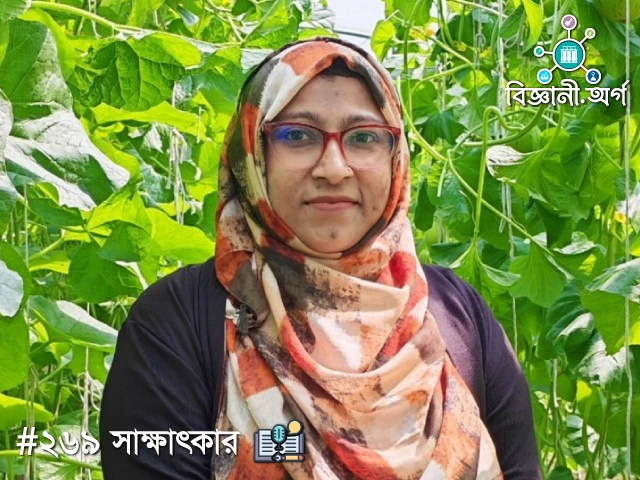
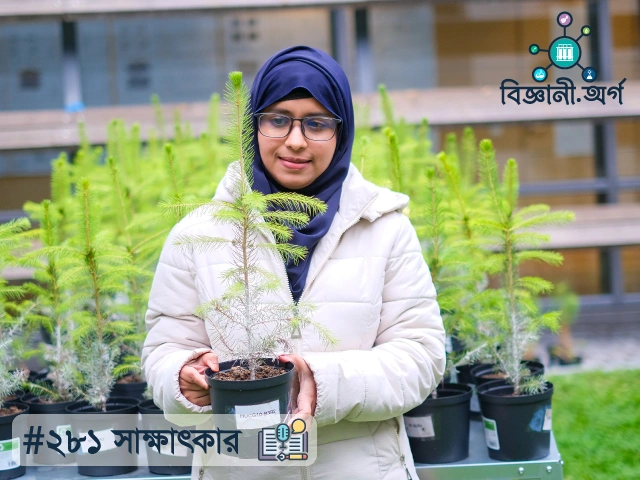
সাবিহা রোকসানা বাংলাদেশ সরকারের Cotton Development Board (CDB)-এর একজন কর্মকর্তা। বর্তমানে তিনি সরকারি দায়িত্ব থেকে প্রেষণে Universiti Putra Malaysia (UPM), Malaysia-তে পিএইচডি গবেষণা করছেন। তাঁর গবেষণার মূল আগ্রহ টেকসই কৃষি, মৃত্তিকা বিজ্ঞান, উদ্ভিদ–অণুজীব সম্পর্ক এবং পরিবেশগত চাপের মধ্যে ফসল উৎপাদন। বিশেষ করে তুলাকে মডেল ফসল হিসেবে ব্যবহার করে তিনি এমন পরিবেশবান্ধব কৃষি-পদ্ধতি নিয়ে কাজ করছেন, যা মাটির স্বাস্থ্য রক্ষা, কৃষি সম্পদের কার্যকর ব্যবহার এবং প্রতিকূল পরিবেশে ফসল উৎপাদনে সহায়ক হতে পারে।
তাঁর গবেষণার একটি গুরুত্বপূর্ণ দিক হলো কৃষি বর্জ্যকে সম্ভাব্য কৃষিসম্পদ হিসেবে ব্যবহার করা। কৃষি কার্যক্রমে উৎপন্ন বিভিন্ন বর্জ্য যথাযথভাবে ব্যবহারের মাধ্যমে মাটির গুণমান উন্নয়ন, ফসল উৎপাদনে সহায়তা এবং রাসায়নিক সারের ওপর অতিরিক্ত নির্ভরতা কমানোর সম্ভাবনা নিয়ে তিনি কাজ করছেন। UPM-এর Soil Science ও Land Management গবেষণাতেও মাটির উর্বরতা, মাটি ও পানি ব্যবস্থাপনা, জৈব উপাদান এবং টেকসই ফসল উৎপাদনের মতো বিষয় গুরুত্ব পায়।

বাংলাদেশের কৃষি খাতের সঙ্গে তাঁর পেশাগত অভিজ্ঞতা এবং মালয়েশিয়ায় উচ্চশিক্ষা ও গবেষণার সমন্বয় তাঁর গবেষণাকে বাস্তব কৃষি সমস্যার সঙ্গে যুক্ত করার সুযোগ তৈরি করেছে।
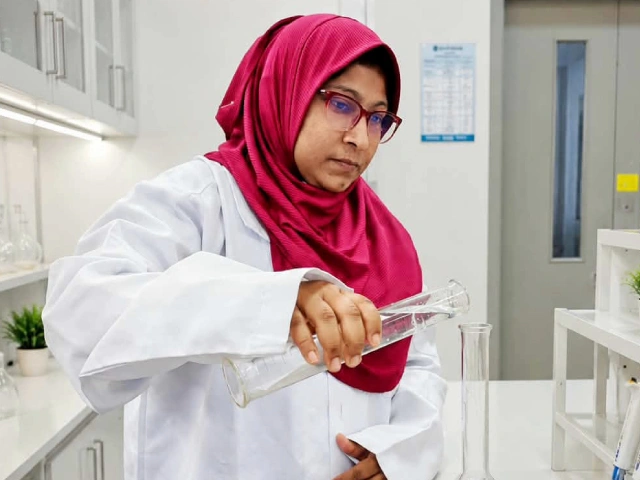
প্রশ্নোত্তর পর্ব
প্রশ্ন: আপনার সম্পর্কে সংক্ষেপে জানতে চাই। আপনি বর্তমানে কী নিয়ে কাজ করছেন?
উত্তর: আমি সাবিহা রোকসানা, বাংলাদেশ সরকারের Cotton Development Board (CDB)-এর একজন কর্মকর্তা। বর্তমানে প্রেষণে Universiti Putra Malaysia (UPM)-তে পিএইচডি করছি। আমার একাডেমিক ও পেশাগত আগ্রহ মূলত মৃত্তিকা বিজ্ঞান, টেকসই কৃষি এবং তুলা উৎপাদনকে ঘিরে। গবেষণার মাধ্যমে আমি এমন পরিবেশবান্ধব পদ্ধতি অনুসন্ধান করছি, যা পরিবেশগত চাপের মধ্যেও তুলা উৎপাদন বাড়াতে এবং কৃষি সম্পদের আরও কার্যকর ব্যবহার নিশ্চিত করতে সহায়তা করতে পারে।
প্রশ্ন: আপনার গবেষণার মূল ক্ষেত্র কী?
উত্তর: আমার গবেষণার মূল ক্ষেত্র হলো টেকসই কৃষি, মৃত্তিকা বিজ্ঞান এবং উদ্ভিদ–অণুজীবের পারস্পরিক সম্পর্ক। পরিবেশগত চাপের মধ্যে ফসল উৎপাদন উন্নত করার জন্য পরিবেশবান্ধব পদ্ধতি উদ্ভাবনের বিষয়ে আমি কাজ করছি। আমার গবেষণায় তুলাকে মডেল ফসল হিসেবে ব্যবহার করছি।
প্রশ্ন: তুলা উৎপাদন ও কৃষি বর্জ্য নিয়ে আপনার গবেষণার প্রয়োজনীয়তা কী?
উত্তর: তুলা একটি গুরুত্বপূর্ণ কৃষিজ ফসল। তবে পানির স্বল্পতা এবং অন্যান্য পরিবেশগত চাপের কারণে তুলা উৎপাদন ব্যাহত হতে পারে। অন্যদিকে, কৃষি কার্যক্রম থেকে প্রচুর পরিমাণে বর্জ্য উৎপন্ন হয়, যা অনেক সময় যথাযথভাবে ব্যবহার করা হয় না। আমার গবেষণার লক্ষ্য হলো এই দুটি সমস্যার মধ্যে একটি কার্যকর সংযোগ তৈরি করা—অর্থাৎ কৃষি বর্জ্যকে কীভাবে উপযোগী কৃষিসম্পদে রূপান্তর করা যায়, তা অনুসন্ধান করা।
দীর্ঘমেয়াদে এই পদ্ধতি মাটির স্বাস্থ্য উন্নত করতে, খরার মতো পরিস্থিতিতে তুলা উৎপাদনে সহায়তা করতে, কৃষি বর্জ্য কমাতে এবং রাসায়নিক সারের ওপর অতিরিক্ত নির্ভরতা হ্রাস করতে পারে। এর মাধ্যমে আরও টেকসই কৃষিব্যবস্থা গড়ে তোলার সম্ভাবনা রয়েছে।
প্রশ্ন: আপনার গবেষণাজীবনে সবচেয়ে গুরুত্বপূর্ণ অভিজ্ঞতাগুলোর একটি কী?
উত্তর: আমার গবেষণাজীবনের সবচেয়ে গুরুত্বপূর্ণ অভিজ্ঞতাগুলোর একটি হলো—গবেষণার পরিকল্পনা সব সময় প্রত্যাশামতো এগোয় না। কখনো কখনো গবেষণার ফলাফল অপ্রত্যাশিত হতে পারে। তবে সেই অপ্রত্যাশিত ফলাফল থেকেও নতুন কিছু শেখার সুযোগ তৈরি হয়। এই অভিজ্ঞতা আমাকে ধৈর্যশীল, নমনীয় এবং গবেষণার বিভিন্ন চ্যালেঞ্জ মোকাবিলায় আত্মবিশ্বাসী হতে শিখিয়েছে।
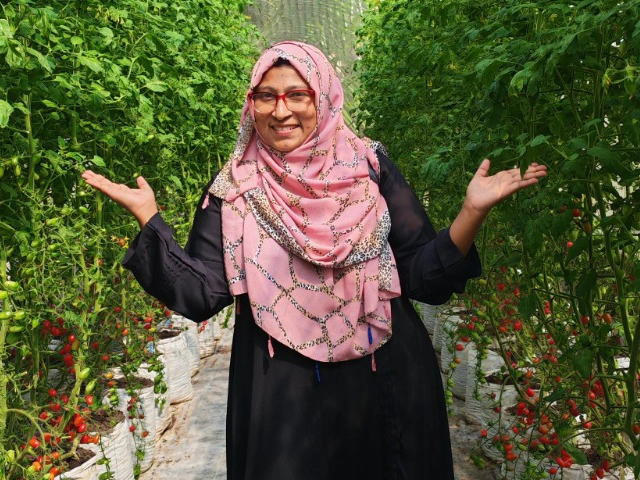
প্রশ্ন: আপনার মতে একজন ভালো গবেষকের কী কী গুণ থাকা প্রয়োজন?
উত্তর: আমার মতে, একজন গবেষকের মধ্যে অধ্যবসায়, ধৈর্য, সততা, শৃঙ্খলা, কৌতূহল এবং মুক্তমনা হওয়ার মতো গুণ থাকা প্রয়োজন।
প্রশ্ন: বাংলাদেশের তরুণ শিক্ষার্থী ও গবেষকদের জন্য আপনার পরামর্শ কী?
উত্তর: বাংলাদেশের তরুণ শিক্ষার্থীদের প্রতি আমার পরামর্শ হলো—কৌতূহলী থাকুন, নিয়মিত কাজ করুন এবং চ্যালেঞ্জকে ভয় পাবেন না। একটি শক্তিশালী একাডেমিক ভিত্তি তৈরি করতে হবে এবং ধাপে ধাপে গবেষণার দক্ষতা উন্নত করতে হবে।
ব্যর্থ পরীক্ষা-নিরীক্ষা এবং সমালোচনাকে ব্যর্থতা হিসেবে না দেখে শেখার প্রক্রিয়ার অংশ হিসেবে গ্রহণ করা উচিত। গবেষণার পথে আত্মবিশ্বাস ও ধৈর্য ধরে রাখা সবচেয়ে গুরুত্বপূর্ণ বিষয়গুলোর একটি।
প্রোফাইল লিংক
📧 ইমেইল: [email protected]
🔗 প্রোফাইল লিংক
💼 LinkedIn: https://www.linkedin.com/in/roksana-sabiha-upm-5b7a1142b
🔬 ResearchGate: https://www.researchgate.net/profile/Sabiha-Roksana
সাবিহা রোকসানার গবেষণার অন্যতম গুরুত্বপূর্ণ দিক হলো কৃষি উৎপাদনের সঙ্গে পরিবেশগত স্থায়িত্বের সমন্বয় ঘটানোর চেষ্টা। মাটির স্বাস্থ্য, উদ্ভিদ–অণুজীবের সম্পর্ক, কৃষি বর্জ্যের পুনর্ব্যবহার এবং পরিবেশগত চাপের মধ্যে তুলা উৎপাদনের মতো বিষয় নিয়ে তাঁর কাজ টেকসই কৃষির বিভিন্ন বাস্তব সমস্যার সঙ্গে যুক্ত। একই সঙ্গে গবেষণার অনিশ্চয়তা, ব্যর্থতা ও সমালোচনাকে শেখার অংশ হিসেবে গ্রহণ করার তাঁর দৃষ্টিভঙ্গি তরুণ গবেষকদের জন্য গুরুত্বপূর্ণ। বিজ্ঞানী.অর্গ টিম সাবিহা রোকসানার গবেষণার সফলতা ও ভবিষ্যৎ পথচলার জন্য শুভকামনা জানাচ্ছে। তাঁর গবেষণা বাংলাদেশের কৃষি ও তরুণ গবেষকদের জন্য নতুন সম্ভাবনার পথ তৈরি করুক—এই প্রত্যাশা।
Turning Agricultural Waste into Sustainable Resources: An Interview with Sabiha Roksana
Sabiha Roksana is a government officer working with the Cotton Development Board (CDB), Bangladesh. She is currently pursuing her PhD at Universiti Putra Malaysia (UPM) on deputation. Her academic and professional interests focus on soil science, sustainable agriculture, cotton production and plant–microbe interactions.
Her research explores environmentally friendly approaches to improving crop production under environmental stress, with cotton being used as a model crop. A major focus of her work is investigating how agricultural waste can be transformed into useful agricultural resources. Through this approach, her research seeks to address multiple challenges associated with modern agriculture, including soil degradation, water scarcity, agricultural waste and excessive dependence on chemical fertilizers.
By connecting soil health, plant–microbe interactions and sustainable resource management, her research aims to contribute to more environmentally responsible agricultural practices. Her professional experience with the Cotton Development Board in Bangladesh, combined with her doctoral research at UPM in Malaysia, provides an opportunity to connect practical agricultural challenges with scientific research.
Interview
Q&A Session
Question: Could you briefly introduce yourself and tell us what you are currently working on?
Answer: I am Sabiha Roksana, a government officer working with the Cotton Development Board (CDB), Bangladesh. I am currently pursuing my PhD at Universiti Putra Malaysia (UPM) on deputation. My academic and professional interests are mainly related to soil science, sustainable agriculture and cotton production. Through my research, I am exploring environmentally friendly approaches that can help improve cotton production under environmental stress while making better use of agricultural resources.
Question: What is the main focus of your research?
Answer: My main area of research is sustainable agriculture, soil science and plant–microbe interactions for developing environmentally friendly approaches to improve crop production under environmental stress. I use cotton as a model crop for my studies.
Question: Why is your research on cotton production and agricultural waste important?
Answer: Cotton is an important agricultural crop, but its production can be affected by water scarcity and other environmental stresses. At the same time, agricultural activities generate large amounts of waste that can often be underutilized.
My research aims to connect these two challenges by exploring how agricultural waste can be converted into useful agricultural resources. In the long term, this approach could help improve soil health, support cotton production under drought conditions, reduce agricultural waste and decrease excessive dependence on chemical fertilizers for more sustainable agriculture.
Question: What has been one of the most impactful experiences in your research journey?
Answer: One of the most impactful experiences in my research journey was learning that research does not always go as planned. Sometimes results are unexpected, but they can teach us something new. This taught me to be patient, flexible and confident in facing challenges.
Question: In your opinion, what qualities should a researcher have?
Answer: In my opinion, a researcher should be persistent, patient, honest, disciplined, curious and open-minded.
Question: What is your advice to young students and aspiring researchers in Bangladesh?
Answer: My advice to young students in Bangladesh is to stay curious, work consistently and do not be afraid of challenges. A strong academic foundation should be developed and research skills should be improved step by step.
Unsuccessful experiments and criticism should be viewed as part of the learning process, not as failures. Most importantly, confidence and patience should be maintained throughout the research journey.
Sabiha Roksana
📧 Email: [email protected]
🔗 Profile Links
💼 LinkedIn: https://www.linkedin.com/in/roksana-sabiha-upm-5b7a1142b
🔬 ResearchGate: https://www.researchgate.net/profile/Sabiha-Roksana
Sabiha Roksana’s research brings together soil science, plant–microbe interactions, agricultural waste management and sustainable cotton production to address important challenges in modern agriculture. Her work explores how agricultural waste can be converted into useful resources while improving soil health and supporting crop production under environmental stress. Her perspective on unexpected research results also highlights the importance of patience, flexibility and continuous learning in scientific research. For young researchers, her journey demonstrates the value of curiosity, consistency and resilience. The biggani.org team wishes Sabiha Roksana continued success in her research and academic journey.



Leave a comment