



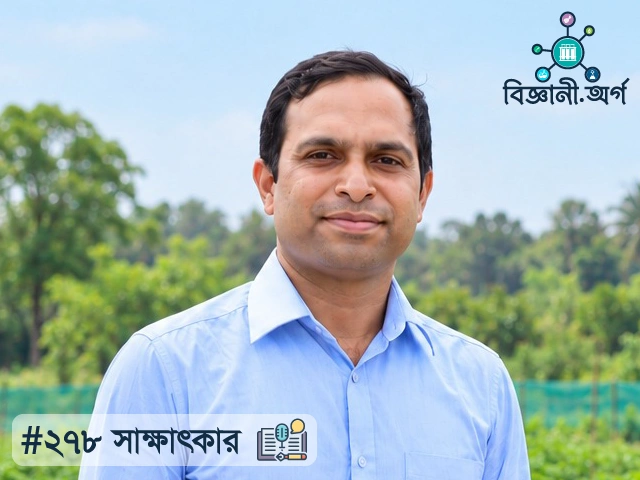
ড. দিয়েগো ফার্নান্দো গার্সিয়া কাস্তিলো কলম্বিয়ার একজন বিবর্তনীয় জিনোমিক্স গবেষক, জীবতথ্যবিজ্ঞানী ও বৈজ্ঞানিক সফটওয়্যার প্রকৌশলী। বর্তমানে তিনি অস্ট্রিয়ার ভিয়েনায় অবস্থান করছেন এবং স্বতন্ত্র গবেষক হিসেবে কাজ করছেন। বৈজ্ঞানিক সফটওয়্যার উন্নয়ন, জিনোমিক্স, জীবতথ্যবিজ্ঞান ও গবেষণাভিত্তিক তথ্যপ্রযুক্তি অবকাঠামোয় তাঁর আট বছরের বেশি সম্মিলিত অভিজ্ঞতা রয়েছে।
তিনি চীনের বেইজিংয়ে অবস্থিত চাইনিজ একাডেমি অব অ্যাগ্রিকালচারাল সায়েন্সেস থেকে ২০২০ সালে জীবতথ্যবিজ্ঞানে স্নাতকোত্তর ডিগ্রি অর্জন করেন। পরবর্তী সময়ে অস্ট্রিয়ার ইনস্টিটিউট অব সায়েন্স অ্যান্ড টেকনোলজি অস্ট্রিয়া (ISTA) থেকে ২০২৬ সালে ডেটা সায়েন্স অ্যান্ড সায়েন্টিফিক কম্পিউটিংয়ে পিএইচডি সম্পন্ন করেন। তাঁর পিএইচডি গবেষণার প্রধান ক্ষেত্র ছিল বিবর্তনীয় জিনোমিক্স।

পিএইচডি গবেষণায় তিনি Littorina saxatilis প্রজাতির সামুদ্রিক শামুকের স্থানীয় অভিযোজন নিয়ে কাজ করেন। জীবজগতের জিনগত বৈচিত্র্য কীভাবে পরিবেশের সঙ্গে অভিযোজনে ভূমিকা রাখে, তা বোঝাই তাঁর গবেষণার অন্যতম লক্ষ্য। তিনি গবেষণায় ব্যবহারযোগ্য LittorinaDB ও WheatGene-এর মতো জিনোমিক তথ্যভান্ডার উন্নয়নের সঙ্গেও যুক্ত ছিলেন।
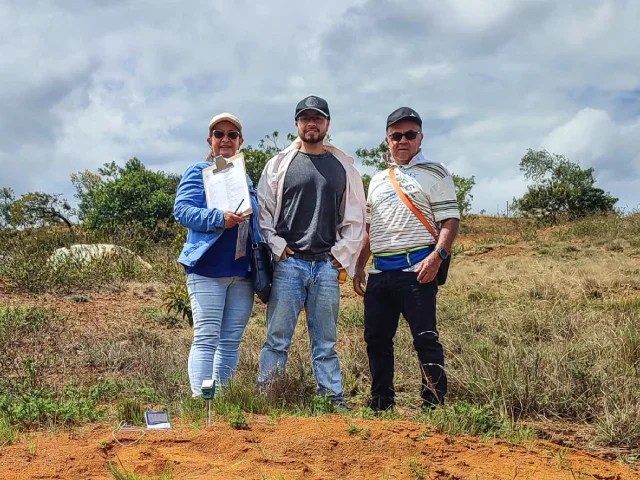
সম্প্রতি তিনি কলম্বিয়ার পাতা কাটা পিঁপড়ার দুটি প্রজাতির পরিবেশগত পরিসর নিয়ে গবেষণা করেছেন। ভবিষ্যতে এই গবেষণাকে জিনোমিক্সের সঙ্গে যুক্ত করে প্রজাতিগুলোর অভিযোজনগত পার্থক্য বিশ্লেষণের পরিকল্পনা রয়েছে তাঁর। তাঁর গবেষণা ও পেশাগত অভিজ্ঞতা জীববিজ্ঞান, তথ্যবিশ্লেষণ ও সফটওয়্যার প্রকৌশলের সমন্বয়কে তুলে ধরে।
💬 প্রশ্নোত্তর পর্ব
প্রশ্ন ১: আপনার পরিচয়, শিক্ষাগত যোগ্যতা ও গবেষণার অভিজ্ঞতা সম্পর্কে জানতে চাই।
উত্তর: আমি একজন বৈজ্ঞানিক সফটওয়্যার প্রকৌশলী ও জীবতথ্যবিজ্ঞানী। বিবর্তনীয় জিনোমিক্সে আমার পিএইচডি ডিগ্রি রয়েছে। বৈজ্ঞানিক সফটওয়্যার উন্নয়ন, জিনোমিক্স, গবেষণাভিত্তিক তথ্যপ্রযুক্তি প্ল্যাটফর্ম এবং জীবতথ্যবিজ্ঞান মিলিয়ে আমার আট বছরের বেশি অভিজ্ঞতা রয়েছে।
আমার বয়স ৩৬ বছর। আমি কলম্বিয়ার নাগরিক এবং বর্তমানে অস্ট্রিয়ার ভিয়েনায় বসবাস করছি।
২০২০ সালে আমি চীনের বেইজিংয়ে অবস্থিত চাইনিজ একাডেমি অব অ্যাগ্রিকালচারাল সায়েন্সেস থেকে স্নাতকোত্তর ডিগ্রি অর্জন করি। এরপর অস্ট্রিয়ার ইনস্টিটিউট অব সায়েন্স অ্যান্ড টেকনোলজি অস্ট্রিয়া (ISTA) থেকে ২০২৬ সালে পিএইচডি সম্পন্ন করি। আমার পিএইচডি গবেষণার মূল বিষয় ছিল বিবর্তনীয় জিনোমিক্স।
প্রশ্ন ২: আপনার গবেষণার প্রধান বিষয় কী? বর্তমানে আপনি কোন গবেষণা নিয়ে কাজ করছেন?
উত্তর: আমার গবেষণার প্রধান বিষয় হলো স্থানীয় অভিযোজন বা Local Adaptation।
বিবর্তনীয় জীববিজ্ঞানের পরিপ্রেক্ষিতে স্থানীয় অভিযোজন এমন একটি প্রক্রিয়া, যার মাধ্যমে কোনো জীবের একটি জনগোষ্ঠী বংশগত ডিএনএ পরিবর্তনের ফলে অন্য পরিবেশের জনগোষ্ঠীর তুলনায় নিজেদের স্থানীয় পরিবেশে অধিক উপযোগী হয়ে ওঠে।
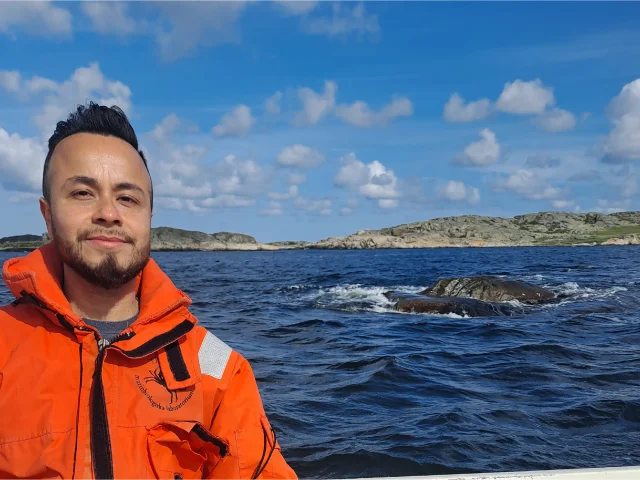
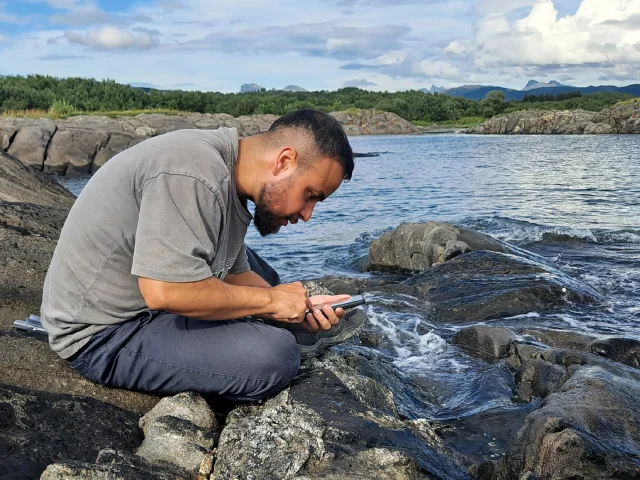
অস্ট্রিয়ার ISTA-তে পিএইচডি গবেষণার সময় আমি Littorina saxatilis নামক একটি সামুদ্রিক শামুকের প্রজাতি নিয়ে গবেষণা করেছি। এই প্রজাতির পরীক্ষামূলকভাবে নতুন পরিবেশে স্থানান্তরিত জনগোষ্ঠীকে মডেল হিসেবে ব্যবহার করে আমি স্থানীয় অভিযোজনের বিবর্তনীয় প্রক্রিয়া বোঝার চেষ্টা করেছি।
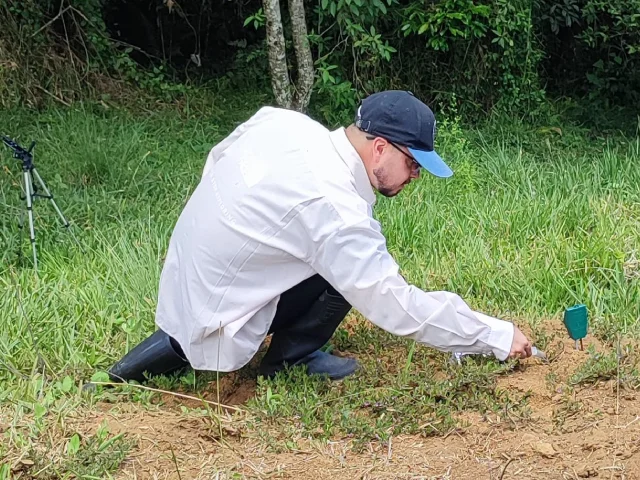
সম্প্রতি পিএইচডি শেষ করার পর আমি গবেষণাজীবনের একটি পরিবর্তনকাল অতিক্রম করছি। এর মধ্যে কলম্বিয়ার পাতা কাটা পিঁপড়ার দুটি প্রজাতি নিয়ে একটি গবেষণা করেছি। গবেষণাটির উদ্দেশ্য ছিল এই দুটি প্রজাতির বাস্তব পরিবেশগত পরিসরের ব্যাপ্তি বা Realized Niche Breadth-এর পার্থক্য বোঝা।
বাস্তুবিদ্যায় Niche বলতে একটি বাস্তুতন্ত্রের মধ্যে কোনো প্রজাতির ভূমিকা ও পরিবেশের সঙ্গে তার সম্পর্ককে বোঝায়। একে একটি বহুমাত্রিক পরিসর হিসেবে বিবেচনা করা যায়, যেখানে পরিবেশের বিভিন্ন উপাদানের সঙ্গে প্রজাতিটির পারস্পরিক সম্পর্ক অন্তর্ভুক্ত থাকে।
ভবিষ্যতে আমি এই গবেষণাকে জিনোমিক্স পর্যন্ত সম্প্রসারিত করতে চাই। বিশেষভাবে জানতে চাই, প্রজাতিগুলোর পরিবেশগত পরিসরের ব্যাপ্তিতে যে পার্থক্য দেখা যায়, তা তাদের জিনোমেও প্রতিফলিত হয় কি না।
প্রশ্ন ৩: আপনার গবেষণা পরিবেশ, কৃষি ও জীবজগতের জন্য কীভাবে গুরুত্বপূর্ণ ভূমিকা রাখতে পারে?
উত্তর: স্থানীয় অভিযোজন সম্পর্কে ভালোভাবে বুঝতে পারলে পরিবেশের পরিবর্তনের প্রতি বিভিন্ন প্রাণী, উদ্ভিদ ও রোগজীবাণু কীভাবে প্রতিক্রিয়া জানাতে পারে, সে সম্পর্কে পূর্বাভাস দেওয়া সম্ভব হতে পারে।
পরিবেশগত পরিবর্তনের মধ্যে বৈশ্বিক উষ্ণায়ন, মানুষের কর্মকাণ্ডের মাধ্যমে নতুন পরিবেশে প্রজাতির প্রবেশ এবং প্রাকৃতিক আবাসস্থলের রূপান্তরের মতো বিষয় অন্তর্ভুক্ত রয়েছে।
এসব পরিবর্তনের ফলে বিভিন্ন জীবের ওপর কী ধরনের প্রভাব পড়তে পারে, তা বোঝার জন্য স্থানীয় অভিযোজন নিয়ে গবেষণা গুরুত্বপূর্ণ।
এ ছাড়া কৃষিক্ষেত্রেও এই গবেষণার ব্যবহার রয়েছে। উদাহরণস্বরূপ, স্থানীয় অভিযোজনের প্রক্রিয়া বোঝার মাধ্যমে প্রতিকূল পরিবেশে অধিক সহনশীল ফসলের জাত শনাক্ত করা সম্ভব হতে পারে।
প্রশ্ন ৪: গবেষণাজীবনে এমন কোনো অভিজ্ঞতা রয়েছে কি, যা আপনার চিন্তাভাবনা বা জীবনদৃষ্টিকে বিশেষভাবে প্রভাবিত করেছে?
উত্তর: আমার গবেষণার একটি গুরুত্বপূর্ণ অংশ ছিল পরীক্ষামূলকভাবে নতুন পরিবেশে স্থানান্তরিত সামুদ্রিক শামুকের একটি জনগোষ্ঠী নিয়ে কাজ করা।
এই পরীক্ষাটি ১৯৯২ সালে সুইডেনে শুরু হয়েছিল। তখন আমার বয়স ছিল মাত্র দুই বছর এবং আমি কলম্বিয়ায় বসবাস করছিলাম।
বহু বছর পর সেই পরীক্ষার ওপর ভিত্তি করে গবেষণা করার সুযোগ আমার জীবনে গভীর প্রভাব ফেলেছে।
এই অভিজ্ঞতা আমাকে উপলব্ধি করতে সাহায্য করেছে যে বৈজ্ঞানিক গবেষণার গুরুত্ব একজন গবেষকের ব্যক্তিগত জীবন বা কর্মজীবনের মধ্যেই সীমাবদ্ধ থাকে না। একটি গবেষণা ভবিষ্যতের বিজ্ঞানীদের ওপর ইতিবাচক প্রভাব ফেলতে পারে।
আমরা কখনোই নিশ্চিতভাবে জানি না, ভবিষ্যতে কে আমাদের কাজকে এগিয়ে নিয়ে যাবে কিংবা নতুনভাবে সম্প্রসারিত করবে।
তবে আমাদের অবদান যত ছোটই মনে হোক না কেন, তা কখনো কখনো মানবজাতির জন্য আরও বড় বৈজ্ঞানিক আবিষ্কারের ভিত্তি হয়ে উঠতে পারে।
প্রশ্ন ৫: আপনার মতে একজন সফল বিজ্ঞানী বা গবেষক হওয়ার জন্য কোন গুণগুলো সবচেয়ে বেশি প্রয়োজন?
উত্তর: আমার মতে, একজন বিজ্ঞানীর প্রথম এবং প্রধান গুণ হওয়া উচিত কৌতূহল। কৌতূহলই নতুন বৈজ্ঞানিক আবিষ্কারের মূল চালিকাশক্তি।
দ্বিতীয়ত, একজন বিজ্ঞানীর প্রতিকূলতা মোকাবিলা করে এগিয়ে যাওয়ার মানসিক সক্ষমতা বা Resilience থাকা প্রয়োজন।
গবেষণার সময় নানা ধরনের বাধা আসতে পারে। যেমন আর্থিক সমস্যা, সহকর্মীদের সঙ্গে ভুল-বোঝাবুঝি, সমালোচনা কিংবা পরীক্ষায় প্রত্যাশিত ফলাফল না পাওয়া। এসব পরিস্থিতিতে ধৈর্য ধরে কাজ চালিয়ে যাওয়া অত্যন্ত গুরুত্বপূর্ণ।
তৃতীয়ত, আমি গবেষণায় নৈতিকতার বিষয়টি উল্লেখ করতে চাই। শুধু গবেষণার ফলাফল তৈরি বা প্রকাশ করার ক্ষেত্রেই নয়, সহকর্মী ও অন্য মানুষের সঙ্গে সম্পর্ক বজায় রাখার ক্ষেত্রেও নৈতিক আচরণ প্রয়োজন।
সবশেষে, একজন গবেষকের ভালো যোগাযোগদক্ষতা থাকা জরুরি। নিজের গবেষণার ধারণা অন্যদের কাছে পরিষ্কারভাবে ব্যাখ্যা করা এবং গবেষণার ফলাফল যথাযথভাবে উপস্থাপন করার সক্ষমতা একজন বিজ্ঞানীর জন্য অত্যন্ত গুরুত্বপূর্ণ।
প্রশ্ন ৬: যারা ভবিষ্যতে বিজ্ঞানী বা গবেষক হতে চায়, বিশেষ করে তরুণ শিক্ষার্থীদের জন্য আপনার পরামর্শ কী?
উত্তর: আমার প্রধান পরামর্শ হলো, বিনয়ের সঙ্গে সমালোচনা গ্রহণ করতে শিখুন এবং সমালোচনার ইতিবাচক দিকগুলো কাজে লাগিয়ে নিজেকে একজন গবেষক হিসেবে আরও উন্নত করার চেষ্টা করুন।
শিক্ষাঙ্গন ও গবেষণার পরিবেশে সমালোচনা এবং প্রতিযোগিতা অনেক সময় নিজের দক্ষতার প্রতি আত্মবিশ্বাস কমিয়ে দিতে পারে।
তবে এসব পরিস্থিতিতে নিজের ওপর বিশ্বাস রাখা অত্যন্ত গুরুত্বপূর্ণ।
নিজের সামর্থ্যের প্রতি আস্থা বজায় রাখুন এবং ইতিবাচক ও নেতিবাচক—উভয় ধরনের অভিজ্ঞতা থেকে শেখার চেষ্টা চালিয়ে যান।
গবেষণার প্রতিটি অভিজ্ঞতাই নিজেকে উন্নত করার একটি সুযোগ। তাই আত্মবিশ্বাস বজায় রেখে শেখার প্রক্রিয়া অব্যাহত রাখা উচিত।
🔗 প্রোফাইল লিংক ও যোগাযোগের তথ্য
📧 ইমেইল: [email protected]
🔗 লিংকডইন: linkedin.com/in/diego-garcia-castillo
🎓 গুগল স্কলার: Google Scholar Profile
💻 গিটহাব: github.com/fernandoGarcia21
🌐 ওয়েবসাইট: www.littorinadb.com
ড. দিয়েগো ফার্নান্দো গার্সিয়া কাস্তিলোর গবেষণা জীবজগতের বিবর্তন ও পরিবেশের সঙ্গে অভিযোজনের প্রক্রিয়া বোঝার ক্ষেত্রে গুরুত্বপূর্ণ বৈজ্ঞানিক প্রশ্ন তুলে ধরে। সামুদ্রিক শামুক ও পাতা কাটা পিঁপড়া নিয়ে তাঁর গবেষণা পরিবেশগত পরিবর্তনের সঙ্গে জীবের সম্পর্ক বোঝার প্রচেষ্টার অংশ। পাশাপাশি জীবতথ্যবিজ্ঞান ও বৈজ্ঞানিক সফটওয়্যার উন্নয়নে তাঁর অভিজ্ঞতা আধুনিক গবেষণায় আন্তবিষয়ক জ্ঞানের গুরুত্ব প্রকাশ করে। গবেষণায় কৌতূহল, নৈতিকতা, অধ্যবসায় ও সমালোচনা গ্রহণের বিষয়ে তাঁর পরামর্শ বাংলাদেশের তরুণ শিক্ষার্থী ও গবেষকদের জন্য শিক্ষণীয়। বিজ্ঞানী ডট অর্গ টিম তাঁর গবেষণাজীবনের ধারাবাহিক সাফল্য কামনা করছে। ভবিষ্যতে তাঁর গবেষণা নতুন বৈজ্ঞানিক জ্ঞান সৃষ্টিতে অবদান রাখবে—এমন প্রত্যাশা রইল।
Understanding How Species Adapt to Their Environments: An Interview with Dr. Diego Fernando García Castillo
Dr. Diego Fernando García Castillo is a Colombian evolutionary genomics researcher, bioinformatician and scientific software engineer currently based in Vienna, Austria. He has more than eight years of combined experience in scientific software development, genomics, bioinformatics and research data infrastructure.
He earned his Master’s degree in Bioinformatics from the Chinese Academy of Agricultural Sciences in Beijing, China, in 2020. He subsequently completed his PhD at the Institute of Science and Technology Austria (ISTA) in 2026, specializing in evolutionary genomics within the field of data science and scientific computing.
His doctoral research investigated local adaptation in experimentally introduced populations of the marine snail Littorina saxatilis, examining how genetic variation contributes to adaptation in different environments.
Dr. García Castillo has also contributed to developing scientific databases, including LittorinaDB and WheatGene, supporting genomic research and biological data analysis.
Currently working as an independent researcher, he has investigated ecological niche breadth in two species of Colombian leaf-cutter ants. He plans to extend this research into evolutionary genomics to understand how ecological differences are reflected in genetic variation. His work combines evolutionary biology, computational analysis and scientific software engineering.
💬 Interview: Questions and Answers
Question 1: Could you introduce yourself and tell us about your educational background and research experience?
Answer:
I am a scientific software engineer and bioinformatician with a PhD in Evolutionary Genomics and more than eight years of combined experience spanning scientific software development, genomics, research data platforms and bioinformatics.
I am 36 years old, originally from Colombia and currently based in Vienna, Austria.
In 2020, I completed my Master’s degree at the Chinese Academy of Agricultural Sciences (GSCAAS) in Beijing, China.
In 2026, I graduated with a PhD from the Institute of Science and Technology Austria (ISTA), where my research focused on Evolutionary Genomics.
Question 2: What is your primary research focus, and what are you currently working on?
Answer:
My primary research topic is local adaptation.
Within the context of Evolutionary Biology, local adaptation is the process through which populations of living organisms become better adapted to their local environments than populations from elsewhere, as a result of heritable changes in their DNA.
During my PhD at ISTA, I studied this evolutionary process using experimentally introduced populations of the marine snail Littorina saxatilis as a model system.
Currently, I am in a transition period after completing my PhD. Recently, I conducted research on leaf-cutter ants from Colombia to understand differences in realized niche breadth between two species.
In ecology, a niche refers to the role a species plays within an ecosystem. It can be viewed as a multidimensional space comprising all the factors through which a species interacts with its environment.
I am planning to expand this research toward genomics to understand how differences in realized niche breadth are also reflected in the genomes of these species.
Question 3: How can your research contribute to our understanding of environmental changes, agriculture and biodiversity?
Answer:
By understanding local adaptation, we can anticipate how animals, plants, pathogens and other organisms may respond to environmental changes.
Such environmental changes might include global warming, human-driven introductions of species and habitat transformation.
Understanding these evolutionary processes can help us predict how different organisms may respond to changing environmental conditions.
Additionally, understanding local adaptation can contribute to agriculture. For example, it may help identify crop varieties that are more resilient to environmental challenges.
Question 4: Has there been any particular experience during your research career that significantly influenced your perspective on science or life?
Answer:
As part of my research, I investigated an experimentally introduced population of marine snails.
That experiment started in 1992 in Sweden, when I was only two years old and living in Colombia.
This experience had a significant impact on my life because it confirmed my belief that scientific work goes beyond the individual researcher and can positively influence future scientists.
We do not know who will take over and expand our work in the future.
However, our contributions, no matter how small they may seem, can become the springboard for greater discoveries that benefit humanity.
Question 5: In your opinion, what are the most important qualities required to become a successful scientist or researcher?
Answer:
In my opinion, a scientist should primarily be curious. Curiosity is the fuel for scientific discoveries.
Second, a scientist must develop resilience. Throughout the course of research, many obstacles may arise, including financial difficulties, misunderstandings with colleagues, criticism and failed experiments.
It is essential to remain determined and continue working despite these challenges.
Third, I would emphasize ethical conduct, both when producing and communicating research results and when maintaining professional and personal relationships.
Finally, good communication skills are essential. Scientists must be able to explain their research ideas clearly and effectively communicate their findings to others.
Question 6: What advice would you give to young students, particularly those who aspire to become scientists or researchers?
Answer:
Learn to accept criticism with humility and take the best parts of it to improve as a scientist.
Often, criticism and competitiveness within academic environments can erode your confidence in your abilities.
However, it is important to keep believing in yourself.
Continue learning from both positive and negative experiences, and use these opportunities to develop your skills and grow as a researcher.
🔗 Profile Links and Contact Information
📧 Email: [email protected]
🔗 LinkedIn: linkedin.com/in/diego-garcia-castillo
🎓 Google Scholar: Google Scholar Profile
💻 GitHub: github.com/fernandoGarcia21
🌐 Website: www.littorinadb.com
Dr. Diego Fernando García Castillo’s research contributes to understanding evolutionary processes and how organisms adapt to changing environments. His investigations involving marine snails and leaf-cutter ants highlight the importance of integrating evolutionary biology with genomic and computational approaches.
His emphasis on curiosity, resilience, ethical conduct and learning from criticism offers valuable lessons for aspiring scientists, particularly young researchers in Bangladesh.
The biggani.org team appreciates his dedication to scientific research and knowledge sharing. We wish Dr. García Castillo continued success in his research career and hope his work inspires future generations of scientists.





Leave a comment