

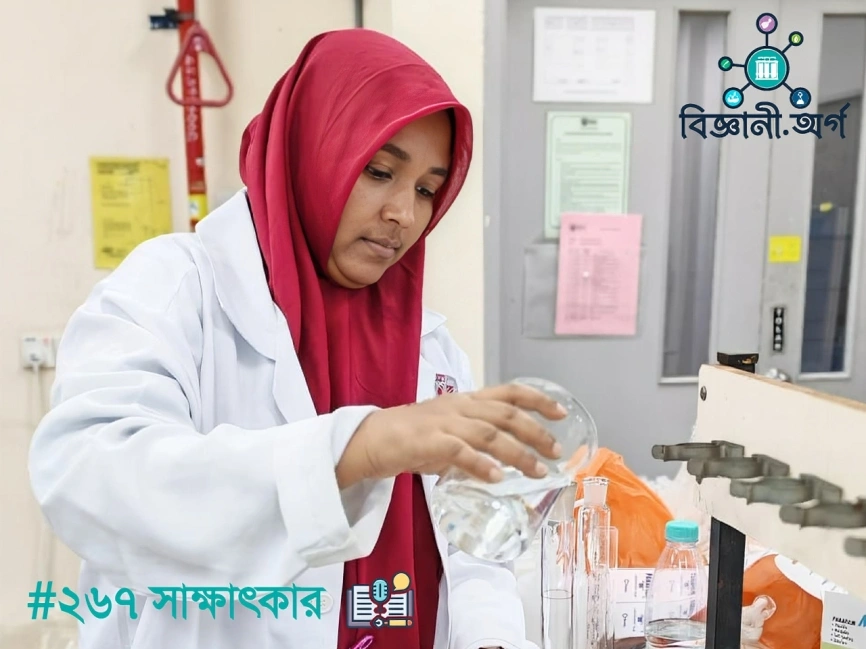
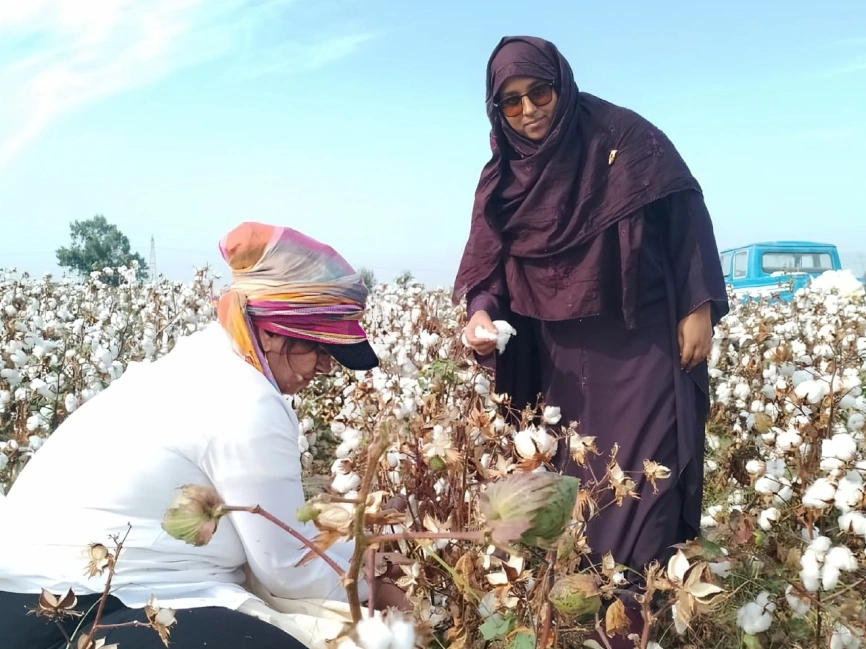
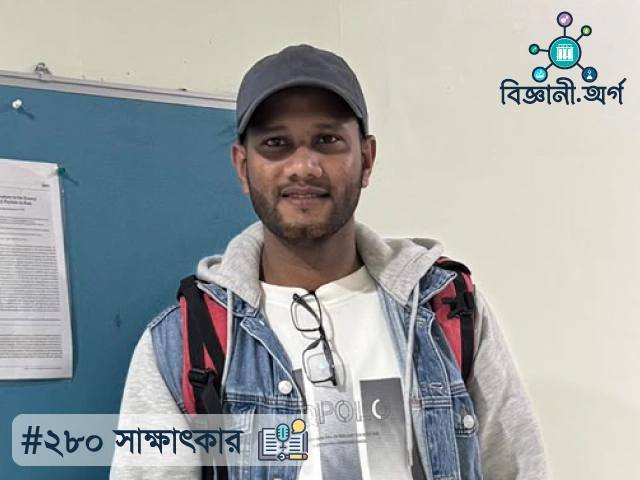
মোছা: জেমি আক্তার বাংলাদেশ কৃষি বিশ্ববিদ্যালয় থেকে উদ্যানতত্ত্ব (Horticulture) বিষয়ে স্নাতক ও স্নাতকোত্তর ডিগ্রি অর্জন করেছেন। ২০২০ সালে তিনি বাংলাদেশ সরকারের Cotton Development Board-এ Cotton Development Officer হিসেবে কর্মজীবন শুরু করেন এবং বর্তমানে Bogura Zone-এ দায়িত্ব পালন করছেন। পাশাপাশি তিনি মালয়েশিয়ার Universiti Putra Malaysia (UPM)-এর Department of Land Management-এ পিএইচডি গবেষণায় নিয়োজিত রয়েছেন।
তাঁর বর্তমান গবেষণার প্রধান বিষয় হলো লবণাক্ত মাটিতে তুলাগাছের বৃদ্ধি ও উৎপাদনশীলতা উন্নত করার জন্য মাইক্রোবভিত্তিক বায়োফার্টিলাইজার বা জৈবসারভিত্তিক পদ্ধতির অনুসন্ধান। মাটির লবণাক্ততা উদ্ভিদের পানি ও পুষ্টি গ্রহণে বাধা সৃষ্টি করে এবং এর ফলে বৃদ্ধি ও উৎপাদন কমে যেতে পারে। এ সমস্যা মোকাবিলায় তিনি এমন একটি জৈবিক পদ্ধতি নিয়ে কাজ করছেন, যা তুলাগাছের লবণাক্ততা সহনশীলতা বৃদ্ধি এবং উদ্ভিদের শারীরবৃত্তীয় কার্যক্রম বজায় রাখতে সহায়তা করতে পারে। তাঁর গবেষণায় রাসায়নিক উপকরণের ওপর অতিরিক্ত নির্ভরতা কমিয়ে মাটি ও উদ্ভিদের জন্য আরও টেকসই ব্যবস্থাপনার সম্ভাবনাও অনুসন্ধান করা হচ্ছে।

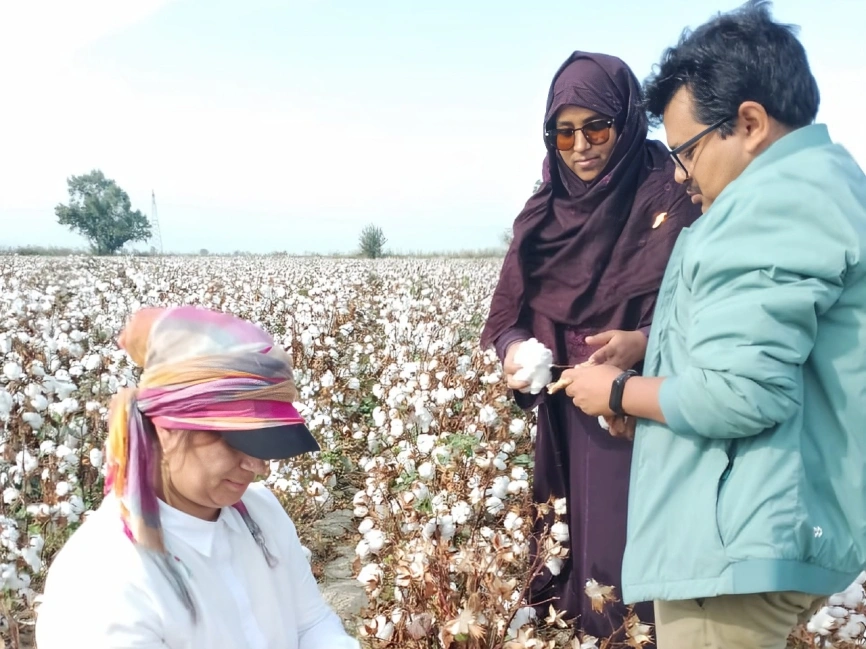
💬 প্রশ্নোত্তর পর্ব
প্রশ্ন: আপনার নিজের সম্পর্কে এবং আপনার বর্তমান গবেষণা সম্পর্কে জানতে চাই।
উত্তর: আমার নাম মোছা: জেমি আক্তার। বর্তমানে আমি Cotton Development Board-এর Bogura Zone-এ Cotton Development Officer হিসেবে কর্মরত আছি। আমি Bangladesh Agricultural University থেকে Horticulture বিষয়ে স্নাতক ও স্নাতকোত্তর ডিগ্রি সম্পন্ন করেছি। ২০২০ সালে Cotton Development Board-এ Cotton Development Officer হিসেবে যোগদান করি। বর্তমানে আমি Universiti Putra Malaysia (UPM)-এর Department of Land Management-এ পিএইচডি করছি।
সহজভাবে বলতে গেলে, আমার গবেষণার মূল বিষয় হলো লবণাক্ত মাটিতে তুলাগাছের বৃদ্ধি আরও টেকসইভাবে কীভাবে উন্নত করা যায়। লবণাক্ততার কারণে উদ্ভিদের জন্য পানি ও প্রয়োজনীয় পুষ্টি গ্রহণ কঠিন হয়ে পড়ে, যা উদ্ভিদের বৃদ্ধি ও উৎপাদনশীলতার ওপর নেতিবাচক প্রভাব ফেলতে পারে। আমি মাইক্রোবভিত্তিক একটি বায়োফার্টিলাইজার পদ্ধতি নিয়ে গবেষণা করছি, যা তুলাগাছকে লবণাক্ততা সহ্য করতে এবং তুলনামূলকভাবে ভালো বৃদ্ধি ও শারীরবৃত্তীয় কার্যক্রম বজায় রাখতে সহায়তা করতে পারে।
এই গবেষণায় জৈবিক পদ্ধতির মাধ্যমে মাটি ও উদ্ভিদের স্বাস্থ্য উন্নত করার পাশাপাশি রাসায়নিক উপকরণের ওপর অতিরিক্ত নির্ভরতা কমানোর সম্ভাবনাও অনুসন্ধান করা হচ্ছে। গবেষণার স্বার্থে এই পর্যায়ে প্রযুক্তিটির সম্পূর্ণ ফর্মুলেশন বা নির্দিষ্ট উপাদান প্রকাশ করতে আমি আগ্রহী নই।
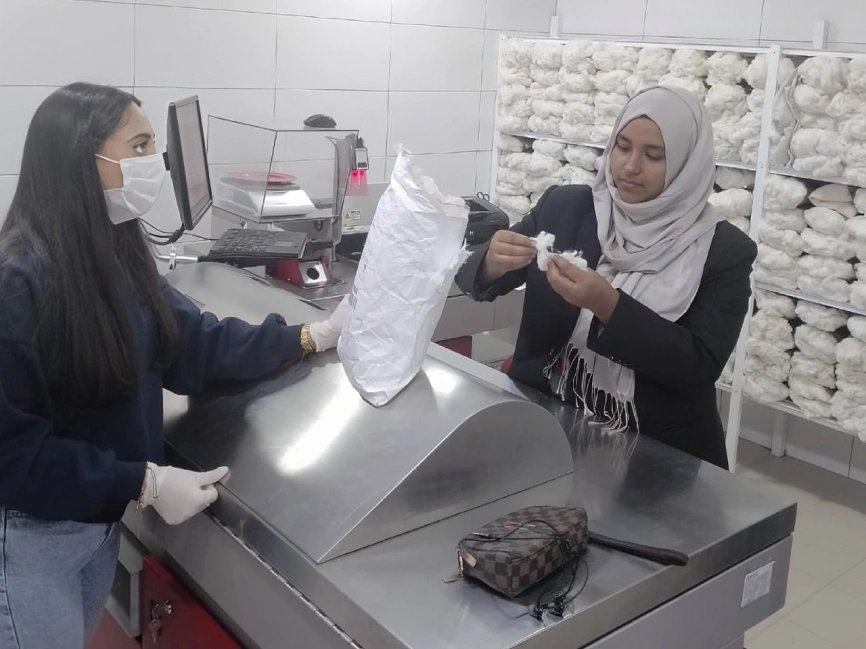
প্রশ্ন: আপনার গবেষণার গুরুত্ব কোথায় বলে মনে করেন?
উত্তর: লবণাক্ততা কৃষিক্ষেত্রে একটি গুরুত্বপূর্ণ সমস্যা, বিশেষ করে বাংলাদেশের উপকূলীয় ও লবণাক্ততাপ্রবণ বিভিন্ন অঞ্চলে। এটি ফসলের উৎপাদনশীলতা কমিয়ে দিতে পারে এবং টেকসই কৃষিকে আরও কঠিন করে তুলতে পারে।
আমার গবেষণা লবণাক্ত পরিবেশে তুলা উৎপাদন উন্নত করার জন্য একটি পরিবেশবান্ধব ও টেকসই পদ্ধতি উদ্ভাবনে অবদান রাখতে পারে বলে আশা করছি। দীর্ঘমেয়াদে এ ধরনের প্রযুক্তি কৃষকদের ফসলের কর্মক্ষমতা উন্নত করতে, কৃষি উপকরণের ব্যবহার আরও কার্যকর করতে এবং রাসায়নিক সারের ওপর অতিরিক্ত নির্ভরতা কমাতে সহায়তা করতে পারে।
প্রশ্ন: আপনার গবেষণা জীবনের সবচেয়ে গুরুত্বপূর্ণ বা স্মরণীয় অভিজ্ঞতা কোনটি?
উত্তর: আমার গবেষণা জীবনের সবচেয়ে অর্থবহ অভিজ্ঞতাগুলোর একটি হলো—বৈজ্ঞানিক গবেষণা সবসময় সরল পথে এগোয় না। অনেক সময় পরীক্ষার ফলাফল প্রত্যাশিত ফলের সঙ্গে মেলে না। আবার কখনো ছোট কোনো কারিগরি সমস্যার সমাধান করতেও অনেক সময় ও ধৈর্যের প্রয়োজন হয়।
এসব অভিজ্ঞতা আমাকে বুঝিয়েছে যে গবেষণায় সফল হওয়ার জন্য ধৈর্য, অধ্যবসায় এবং সমস্যা মোকাবিলার মানসিকতা অত্যন্ত গুরুত্বপূর্ণ।
প্রশ্ন: একজন ভালো গবেষকের কী কী গুণ থাকা প্রয়োজন বলে আপনি মনে করেন?
উত্তর: আমার মতে, একজন গবেষকের মধ্যে অধ্যবসায়, ধৈর্য, সততা, শৃঙ্খলাবোধ, কৌতূহল এবং মুক্তমনা চিন্তাভাবনা থাকা প্রয়োজন।
প্রশ্ন: বাংলাদেশে তরুণ শিক্ষার্থীদের গবেষণায় আগ্রহী হওয়ার জন্য আপনি কী পরামর্শ দেবেন?
উত্তর: বাংলাদেশে কৃষি, পরিবেশ, স্বাস্থ্য, খাদ্যনিরাপত্তা এবং অন্যান্য ক্ষেত্রে অনেক চ্যালেঞ্জ রয়েছে। এসব চ্যালেঞ্জই অর্থবহ গবেষণার সুযোগ তৈরি করে।
শিক্ষার্থীদের প্রথমে মৌলিক জ্ঞানকে শক্তিশালী করতে হবে। পাশাপাশি আধুনিক বৈজ্ঞানিক পদ্ধতি ও গবেষণার কৌশল শেখা প্রয়োজন। সবচেয়ে গুরুত্বপূর্ণ হলো, গবেষণার বিষয়কে সমাজের বাস্তব সমস্যার সঙ্গে যুক্ত করার চেষ্টা করা। বাস্তব সমস্যার সমাধানে অবদান রাখতে পারে—এমন গবেষণা সমাজ ও দেশের জন্য দীর্ঘমেয়াদে বেশি কার্যকর হতে পারে।
যোগাযোগের তথ্য
ইমেইল: [email protected]
🔗 প্রোফাইল লিংক
🔬 ResearchGate: https://www.researchgate.net/profile/Mst-Akter-98
লবণাক্ততা বাংলাদেশের কৃষির জন্য একটি গুরুত্বপূর্ণ চ্যালেঞ্জ, বিশেষ করে উপকূলীয় ও লবণাক্ততাপ্রবণ অঞ্চলে। মোছা: জেমি আক্তারের গবেষণা লবণাক্ত পরিবেশে তুলার উৎপাদনশীলতা উন্নয়নের পাশাপাশি জৈবিক ও পরিবেশবান্ধব কৃষি ব্যবস্থাপনার সম্ভাবনা অনুসন্ধান করছে। তাঁর গবেষণা-অভিজ্ঞতা থেকে স্পষ্ট যে বৈজ্ঞানিক গবেষণায় ধৈর্য, সততা ও অধ্যবসায়ের পাশাপাশি বাস্তব সমস্যাকে গবেষণার সঙ্গে যুক্ত করার গুরুত্ব রয়েছে। বিজ্ঞানী.অর্গ টিম তাঁর গবেষণার সফলতা কামনা করছে। তাঁর গবেষণা বাংলাদেশের তরুণ শিক্ষার্থীদের বিজ্ঞান ও গবেষণায় আরও উৎসাহিত করবে—এই প্রত্যাশা রইল।
Sustainable Cotton Production Under Salinity: Exploring Microbial Solutions — An Interview with Mst. Jamy Akter
Mst. Jamy Akter is a Cotton Development Officer at the Cotton Development Board, Bogura Zone, Bangladesh. She completed both her Bachelor’s and Master’s degrees in Horticulture from Bangladesh Agricultural University. In 2020, she joined the Cotton Development Board as a Cotton Development Officer.
Alongside her professional responsibilities, she is currently pursuing her Ph.D. in the Department of Land Management at Universiti Putra Malaysia (UPM), Malaysia.
Her current research focuses on developing sustainable approaches to improve cotton growth and performance under saline soil conditions. Soil salinity can interfere with plants’ ability to absorb water and nutrients, resulting in reduced growth and productivity. Her research investigates a microbial-based biofertilizer approach that may help cotton plants tolerate salinity while maintaining better growth and physiological performance.
The research also examines the potential of biological approaches to support healthier soil and plants while reducing excessive dependence on chemical agricultural inputs. Her research is particularly relevant to regions where soil salinity poses a significant challenge to agricultural productivity.
💬 Interview
Question: Could you tell us about yourself and your current research?
Answer: My name is Mst. Jamy Akter. I am currently serving as a Cotton Development Officer at the Cotton Development Board, Bogura Zone. I completed both my Bachelor’s and Master’s degrees in Horticulture from Bangladesh Agricultural University. In 2020, I joined the Cotton Development Board as a Cotton Development Officer.
At present, I am pursuing my Ph.D. in the Department of Land Management at Universiti Putra Malaysia (UPM).
In simple terms, my research is about finding a more sustainable way to help cotton plants grow better when they are exposed to saline soil conditions. Salinity makes it difficult for plants to absorb water and nutrients properly and can negatively affect their growth and productivity.
I am studying a microbial-based biofertilizer approach that may help cotton plants tolerate salinity and maintain better growth and physiological performance. The research also explores how biological approaches can support healthier soil and plants while reducing excessive dependence on chemical inputs.
For research development reasons, I prefer not to disclose the complete formulation or specific components of the technology at this stage.
Question: Why is your research important, particularly in the context of Bangladesh?
Answer: Salinity is an important agricultural problem, particularly in many coastal and affected areas of Bangladesh. It can reduce crop productivity and make sustainable farming more difficult.
My research is expected to contribute to the development of an environmentally friendly and sustainable approach for improving cotton production under saline conditions.
In the long term, such technologies could help farmers improve crop performance, use agricultural inputs more efficiently, and reduce excessive dependence on chemical fertilizers.
Question: What has been one of the most meaningful experiences in your research journey?
Answer: One of the most meaningful experiences in my research journey has been learning that scientific research is not always a straight path.
Experiments may not produce the expected results, and sometimes even small technical problems can require significant time and patience to solve.
These experiences have taught me the importance of patience, persistence, and the ability to deal with unexpected challenges in scientific research.
Question: In your opinion, what qualities should a researcher have?
Answer: In my opinion, a researcher should be persistent, patient, honest, disciplined, curious, and open-minded.
Question: What advice would you give to young students in Bangladesh who are interested in research?
Answer: Bangladesh has many challenges in agriculture, environment, health, food security, and other areas, and these challenges create opportunities for meaningful research.
Students should develop strong fundamental knowledge, learn modern scientific techniques, and try to connect their research with real problems in society.
Research becomes more meaningful when it addresses real-world challenges and contributes to solving problems faced by people and communities.
Contact Info
Email: [email protected]
🔗 Profile Links
🔬 ResearchGate: https://www.researchgate.net/profile/Mst-Akter-98
Mst. Jamy Akter’s research focuses on an important agricultural challenge: improving cotton growth and productivity under saline soil conditions. By exploring a microbial-based biofertilizer approach, her work seeks to identify more sustainable and environmentally friendly alternatives for agricultural production.
Her research journey also highlights the importance of patience, persistence, scientific integrity, and openness to unexpected results. Connecting research with real agricultural challenges can contribute to developing practical solutions for farmers and strengthening sustainable agriculture.
The Biggani.com team wishes Mst. Jamy Akter continued success in her Ph.D. research and professional career. We hope her research journey will encourage more young Bangladeshi students to pursue scientific research and work toward solving real-world challenges.





Leave a comment