


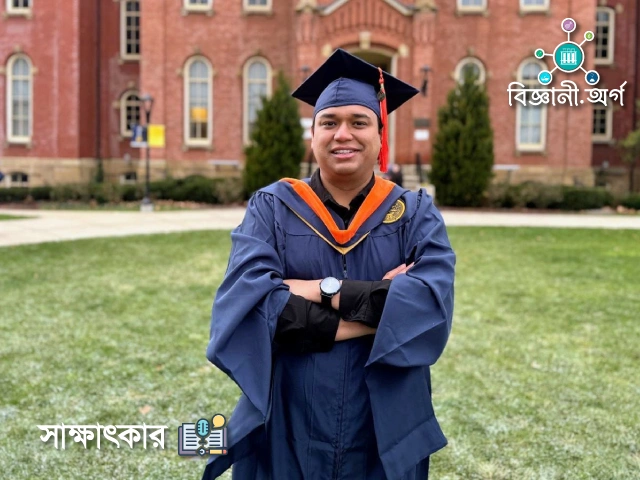
আসিফ রহমান একজন বাংলাদেশি গবেষক, যিনি বর্তমানে যুক্তরাষ্ট্রের West Virginia University Research Corporation–এর Department of Medicine–এ Research Analyst হিসেবে কর্মরত। তিনি ২০০৯ সালে মতিঝিল আইডিয়াল স্কুল অ্যান্ড কলেজ থেকে SSC এবং ২০১১ সালে নটরডেম কলেজ, ঢাকা থেকে HSC সম্পন্ন করেন। পরবর্তীতে বাংলাদেশ টেক্সটাইল বিশ্ববিদ্যালয় (BUTEX) থেকে Textile Engineering বিষয়ে (Textile Management বিভাগ) স্নাতক ডিগ্রি অর্জন করেন।
কর্মজীবনের শুরুতে টেক্সটাইল খাতে কাজ করার পর তিনি ডেটা ও স্বাস্থ্যসেবাভিত্তিক গবেষণায় আগ্রহী হন। সেই আগ্রহ থেকেই ২০২২ সালে তিনি West Virginia University–তে Industrial Engineering বিষয়ে মাস্টার্স প্রোগ্রামে ভর্তি হন। তাঁর গবেষণার মূল ক্ষেত্র ছিল Data Science and Analytics in Healthcare। ২০২৪ সালে মাস্টার্স সম্পন্ন করার পর তিনি একই বিশ্ববিদ্যালয়ের গবেষণা কর্পোরেশনে যুক্ত হন।

বর্তমানে তাঁর গবেষণার মূল লক্ষ্য হলো স্বাস্থ্যসেবায় ডেটা সায়েন্স ও মেশিন লার্নিং ব্যবহার করে রোগ নির্ণয়, ঝুঁকি পূর্বাভাস এবং স্বাস্থ্যসম্পদের সুষ্ঠু বণ্টনে সহায়তা করা। তিনি যুক্তরাষ্ট্রের অঙ্গরাজ্যভিত্তিক স্বাস্থ্যসেবা উন্নয়নে সরাসরি অবদান রাখছেন।
💬 প্রশ্নোত্তর পর্ব:
প্রশ্ন: আপনার গবেষণার মূল বিষয় কী?
উত্তর:
আমার গবেষণার মূল বিষয় হলো Data Science এবং Machine Learning ব্যবহার করে স্বাস্থ্যসেবাকে আরও উন্নত করা। রোগীদের চিকিৎসা-সংক্রান্ত ডেটা বিশ্লেষণ করে এমন প্যাটার্ন বের করার চেষ্টা করি, যা চিকিৎসক ও গবেষকদের ভালো সিদ্ধান্ত নিতে সহায়তা করে। উদাহরণস্বরূপ, কোনো রোগীর ভবিষ্যতে নির্দিষ্ট অসুস্থতার ঝুঁকি আগে থেকেই অনুমান করা সম্ভব হয়, ফলে আগেভাগে প্রতিরোধমূলক ব্যবস্থা নেওয়া যায়। একইভাবে, অঞ্চলভিত্তিক রোগপ্রবণতা বিশ্লেষণ করে স্বাস্থ্যসম্পদ বণ্টন আরও কার্যকর করা যায়।
প্রশ্ন: মাস্টার্স পর্যায়ের গবেষণা সম্পর্কে কিছু বলবেন?
উত্তর:
West Virginia University–তে মাস্টার্স থিসিসের সময় আমি প্রায় ২০ মিলিয়ন মার্কিন কোভিড রোগীর ডেটা নিয়ে গবেষণা করেছি। এটি একটি NIH funded project ছিল। এই গবেষণায় কোভিড-পরবর্তী সময়ে রোগীদের মানসিক স্বাস্থ্যের পরিবর্তন এবং নতুন মানসিক রোগের ঝুঁকি পূর্বাভাস দেওয়ার চেষ্টা করা হয়। এই কাজ আমাকে স্বাস্থ্যসেবায় ডেটা-ভিত্তিক সমাধান নিয়ে আরও গভীরভাবে ভাবতে অনুপ্রাণিত করেছে।
প্রশ্ন: বর্তমানে আপনি কোন ধরনের গবেষণায় কাজ করছেন?
উত্তর:
বর্তমানে আমি পালমোনারি হাইপারটেনশন, অবস্ট্রাকটিভ স্লিপ অ্যাপনিয়া এবং অন্যান্য ফুসফুসজনিত রোগ নিয়ে গবেষণা করছি। এছাড়া ওয়েস্ট ভার্জিনিয়ার গ্রামীণ অঞ্চলে স্লিপ অ্যাপনিয়া এবং CDC funded একটি ভ্যাক্সিন প্রকল্পে কাজ করছি, যেখানে বিভিন্ন কমিউনিটির ভ্যাক্সিন গ্রহণের প্রবণতা পূর্বাভাস দেওয়ার চেষ্টা করা হচ্ছে।
প্রশ্ন: আপনার গবেষণা সমাজকে কীভাবে উপকৃত করছে বলে মনে করেন?
উত্তর:
আমার গবেষণার লক্ষ্য হলো স্বাস্থ্যসেবাকে আরও কার্যকর ও সহজলভ্য করা। ডেটা বিশ্লেষণের মাধ্যমে চিকিৎসক ও নীতিনির্ধারকরা দ্রুত ও সঠিক সিদ্ধান্ত নিতে পারেন। এতে রোগ প্রতিরোধ, সঠিক রোগ নির্ণয় এবং স্বাস্থ্যসম্পদের ন্যায্য বণ্টন সম্ভব হয়। দীর্ঘমেয়াদে এটি একটি প্রতিরোধমূলক ও মানবকেন্দ্রিক স্বাস্থ্যব্যবস্থা গড়ে তুলতে সহায়তা করবে।
প্রশ্ন: গবেষণা জীবনের কোনো বিশেষ অভিজ্ঞতা শেয়ার করবেন?
উত্তর:
২০ মিলিয়ন কোভিড রোগীর ডেটা নিয়ে কাজ করার সময় আমি উপলব্ধি করি যে ডেটা কেবল সংখ্যা নয়—এর পেছনে মানুষের জীবন ও সংগ্রামের গল্প থাকে। কোভিডের মানসিক প্রভাব আমাকে গভীরভাবে নাড়া দেয় এবং গবেষণার প্রতি আমার দৃষ্টিভঙ্গি বদলে দেয়।
প্রশ্ন: একজন বিজ্ঞানীর কী কী গুণ থাকা প্রয়োজন বলে মনে করেন?
উত্তর:
আমার মতে একজন বিজ্ঞানীর তিনটি গুণ থাকা জরুরি—কৌতূহল, ধৈর্য ও অধ্যবসায়, এবং সততা। গবেষণা প্রশ্ন থেকে শুরু হয়, দীর্ঘ সময় ধরে চলে এবং এর ফলাফল সমাজে প্রভাব ফেলে। তাই বিজ্ঞানীকে সৎ ও মানবকল্যাণমুখী হতে হবে।
প্রশ্ন: বাংলাদেশের তরুণ শিক্ষার্থীদের জন্য আপনার বার্তা কী?
উত্তর:
কৌতূহল হারাবেন না এবং ব্যর্থতাকে ভয় পাবেন না। সাহায্য চাইতে দ্বিধা করবেন না। বিজ্ঞান একা করার বিষয় নয়—সহযোগিতা ও পারস্পরিক সহায়তাই এগিয়ে যাওয়ার মূল শক্তি।
যোগাযোগের তথ্য:
Email: [email protected]
🔗 প্রোফাইল লিংক
গুগল স্কলার: https://sites.google.com/view/asif-rahman-portfolio
লিংকডইন: https://www.linkedin.com/in/asif-rahman-dip
ডেটা সায়েন্স ও স্বাস্থ্যসেবার সংযোগস্থলে আসিফ রহমানের গবেষণা কাজ আধুনিক চিকিৎসাবিজ্ঞানে একটি গুরুত্বপূর্ণ দৃষ্টান্ত স্থাপন করছে। তাঁর কাজ দেখায়, কীভাবে প্রযুক্তি ও মানবিক দৃষ্টিভঙ্গির সমন্বয়ে স্বাস্থ্যসেবাকে আরও কার্যকর করা সম্ভব। বিগগ্যানী ডট অর্গ টিম তাঁর গবেষণা ও পেশাগত জীবনের ধারাবাহিক সাফল্য কামনা করে। তাঁর এই পথচলা বাংলাদেশের তরুণ গবেষক ও শিক্ষার্থীদের জন্য অনুপ্রেরণার উৎস হয়ে উঠুক—এই প্রত্যাশা।
Machine Learning in Modern Medicine: Insights from Researcher Asif Rahman
Asif Rahman is a Bangladeshi researcher currently working as a Research Analyst in the Department of Medicine at the West Virginia University Research Corporation, USA. He completed his Secondary School Certificate (SSC) in 2009 from Motijheel Ideal School and College and his Higher Secondary Certificate (HSC) in 2011 from Notre Dame College, Dhaka. He later earned a B.Sc. in Textile Engineering (Textile Management) from the Bangladesh University of Textiles (BUTEX).
After gaining professional experience in the textile sector, Rahman shifted his academic focus toward data-driven healthcare research. In January 2022, he enrolled in the Master’s program in Industrial Engineering at West Virginia University, where his research specialization was Data Science and Analytics in Healthcare. He completed his graduate studies in 2024.
His research focuses on applying data science, machine learning, and deep learning techniques to improve disease prediction, healthcare decision-making, and equitable distribution of medical resources. Currently, his work contributes directly to state-level healthcare research initiatives in the United States.
💬 Interview Section:
Question: What is the main focus of your research?
Answer:
My primary research focus is on using data science and machine learning to improve healthcare systems. By analyzing large-scale patient medical data, I aim to identify patterns that support better clinical and research decisions. For instance, machine learning models can help predict the risk of developing specific diseases in advance, allowing clinicians to take preventive measures. Additionally, regional disease pattern analysis can guide efficient allocation of healthcare resources such as vaccines and medical staff.
Question: Could you describe your Master’s research experience?
Answer:
During my Master’s thesis at West Virginia University, I worked with data from nearly 20 million COVID-19 patients across the United States as part of an NIH-funded project. The research focused on analyzing post-COVID mental health changes and predicting the risk of newly developed psychiatric conditions. This experience significantly strengthened my interest in developing data-driven solutions for healthcare.
Question: What projects are you currently working on?
Answer:
I am currently involved in several research projects, including studies on pulmonary hypertension, obstructive sleep apnea, and other pulmonary diseases. I am also working on sleep apnea research in rural West Virginia and participating in a CDC-funded vaccine project aimed at predicting vaccine uptake across different communities.
Question: How does your research benefit society?
Answer:
My research aims to make healthcare more effective and accessible. By identifying disease risks early and understanding regional health trends, clinicians and policymakers can make informed decisions that improve diagnosis, prevention, and fair distribution of healthcare resources. In the long term, this supports the development of proactive healthcare systems rather than purely reactive ones.
Question: Is there any particular research experience that left a strong impression on you?
Answer:
Working with large-scale COVID-19 data was a transformative experience. It made me realize that data is not merely numerical—it represents real human lives and struggles. Observing the significant mental health impacts of COVID-19 changed my perspective on research and reinforced my sense of responsibility as a researcher.
Question: What qualities do you believe are essential for a scientist?
Answer:
In my view, three qualities are essential: curiosity, patience and perseverance, and integrity. Research begins with asking questions, often requires long-term commitment, and has real-world consequences. Scientists must therefore be honest, persistent, and guided by the greater good.
Question: What message would you like to share with young students in Bangladesh who aspire to pursue science?
Answer:
Never lose your curiosity and do not fear failure. Every setback is a step toward success. Do not hesitate to ask for help—science is a collaborative journey. Supporting others and being open to receiving support are fundamental strengths for both good scientists and good human beings.
Contact Information:
Email: [email protected]
🔗 Profile Links
Google Scholar: https://sites.google.com/view/asif-rahman-portfolio
LinkedIn: https://www.linkedin.com/in/asif-rahman-dip
Asif Rahman’s work at the intersection of data science and healthcare highlights the growing importance of analytical approaches in modern medicine. His research demonstrates how data-driven insights can support early disease prediction, informed policymaking, and equitable healthcare delivery. The biggani.org team wishes him continued success in his research endeavors and hopes that his journey will inspire young researchers, particularly from Bangladesh, to pursue meaningful, data-driven scientific work.





Leave a comment