


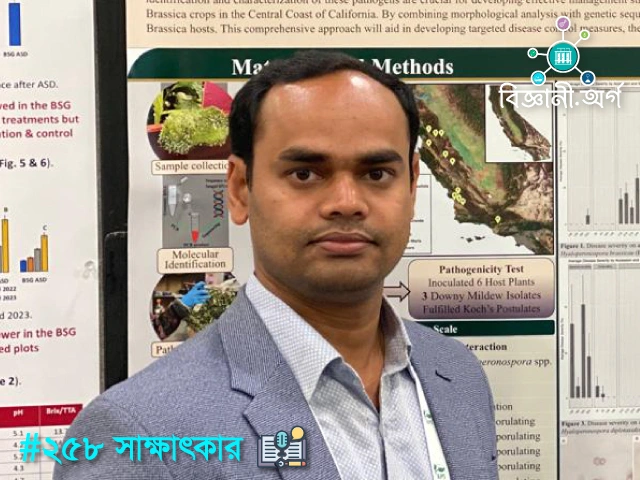
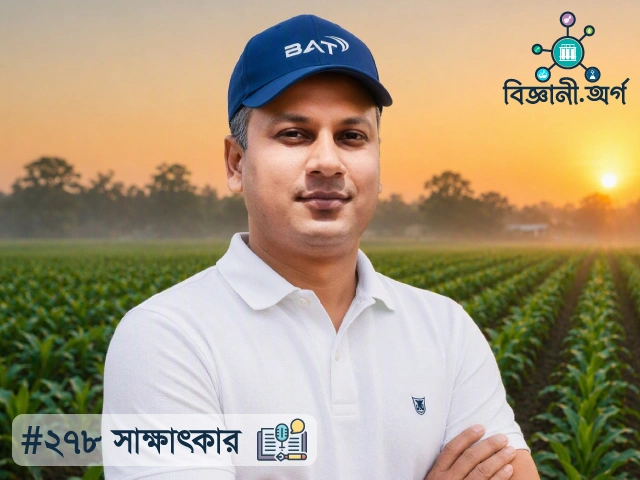
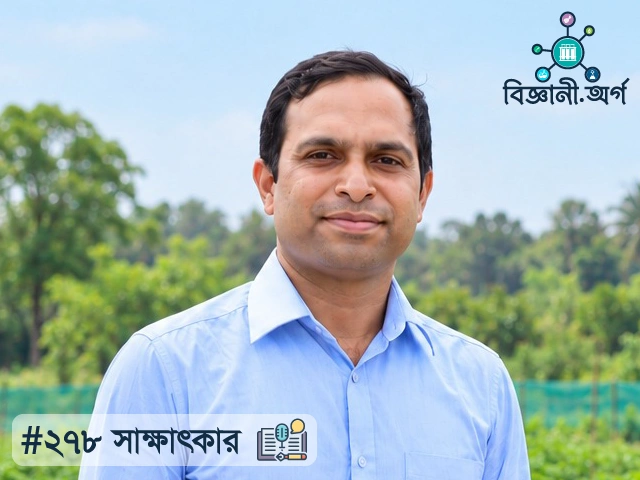
ড. কল্লোল দাস একজন বাংলাদেশি উদ্ভিদ রোগতত্ত্ব গবেষক। বর্তমানে তিনি যুক্তরাষ্ট্রের ক্যালিফোর্নিয়ার California Polytechnic State University-তে পোস্টডক্টরাল গবেষক হিসেবে কর্মরত। তাঁর গবেষণার প্রধান ক্ষেত্র উদ্ভিদ রোগ, রোগসৃষ্টিকারী ছত্রাক, উপকারী অণুজীব, মাইক্রোবায়োম বিশ্লেষণ, ফসল সুরক্ষা, রোগ ব্যবস্থাপনা, ছত্রাকের শ্রেণিবিন্যাস ও আবিষ্কার এবং হোস্ট-প্যাথোজেন পারস্পরিক সম্পর্ক।
তিনি ২০১৪ সালে পটুয়াখালী বিজ্ঞান ও প্রযুক্তি বিশ্ববিদ্যালয় থেকে কৃষিতে স্নাতক এবং ২০১৬ সালে শেরেবাংলা কৃষি বিশ্ববিদ্যালয় থেকে প্ল্যান্ট প্যাথলজিতে স্নাতকোত্তর সম্পন্ন করেন। এরপর দক্ষিণ কোরিয়ার Kyungpook National University থেকে Applied Biology বিষয়ে পিএইচডি সম্পন্ন করেন, যেখানে তাঁর গবেষণার বিশেষায়ন ছিল Plant Pathology।

তাঁর গবেষণাজীবনের একটি গুরুত্বপূর্ণ অংশ জুড়ে রয়েছে Molecular Fungal Taxonomy এবং নতুন ছত্রাক প্রজাতি শনাক্তকরণ। তাঁর প্রকাশনাগুলোর মধ্যে কোরিয়ায় নতুন ছত্রাক প্রজাতি শনাক্তকরণ, মাটির অণুজীবের পরিবেশগত প্রভাব, উদ্ভিদের রোগ এবং রোগ নিয়ন্ত্রণ প্রযুক্তি নিয়ে গবেষণা রয়েছে।
💬 প্রশ্নোত্তর পর্ব
প্রশ্ন: প্রথমেই আপনার সম্বন্ধে আমরা জানতে চাই।
উত্তর: আমার নাম কল্লোল দাস। আমি বাংলাদেশের খুলনা জেলার একটি ছোট গ্রামে কৃষক পরিবারে বেড়ে উঠেছি। ছোটবেলা থেকেই কৃষির সঙ্গে আমার নিবিড় পরিচয় ছিল, যা ধীরে ধীরে উচ্চশিক্ষা ও গবেষণার প্রতি আগ্রহ তৈরি করে।
এই আগ্রহ থেকেই আমি ২০১৪ সালে পটুয়াখালী বিজ্ঞান ও প্রযুক্তি বিশ্ববিদ্যালয় থেকে কৃষিতে স্নাতক এবং ২০১৬ সালে শেরেবাংলা কৃষি বিশ্ববিদ্যালয় থেকে প্ল্যান্ট প্যাথলজিতে স্নাতকোত্তর সম্পন্ন করি। এরপর উদ্ভিদ রোগতত্ত্ব, ছত্রাক জীববিজ্ঞান এবং ফসল সুরক্ষা নিয়ে গবেষণার আগ্রহ আমাকে উচ্চশিক্ষার জন্য বিদেশে যেতে অনুপ্রাণিত করে।
পূর্ণ বৃত্তি নিয়ে আমি দক্ষিণ কোরিয়ার কিয়ুংপুক ন্যাশনাল ইউনিভার্সিটিতে Applied Biology (Plant Pathology) বিষয়ে পিএইচডি সম্পন্ন করি। পিএইচডি শেষে সেখানে পোস্টডক্টরাল গবেষণা চালিয়ে যাই এবং ২০২৩ সালে যুক্তরাষ্ট্রের ক্যালিফোর্নিয়ায় গবেষণার কাজে যোগ দিই।
প্রশ্ন: আপনার গবেষণার বিষয় কী?
উত্তর: আমার গবেষণার মূল বিষয় হলো উদ্ভিদের রোগ, রোগসৃষ্টিকারী ছত্রাক, উপকারী অণুজীব এবং উদ্ভিদ ও পরিবেশের সঙ্গে তাদের পারস্পরিক সম্পর্ক।
সহজভাবে বললে, আমি খুঁজে বের করার চেষ্টা করি কেন এবং কীভাবে ফসলে রোগ হয়, কোন ছত্রাক বা অণুজীব সেই রোগের জন্য দায়ী এবং কীভাবে পরিবেশবান্ধব উপায়ে সেগুলো নিয়ন্ত্রণ করা যায়।
আমার পিএইচডি ও পোস্টডক্টরাল গবেষণার বড় অংশ ছিল Molecular Fungal Taxonomy, যেখানে নতুন ছত্রাক প্রজাতি শনাক্ত ও তাদের বৈশিষ্ট্য নির্ধারণ করা হয়েছে। এই গবেষণায় ১৫টিরও বেশি নতুন এবং ২০টিরও বেশি পূর্বে অপ্রতিবেদিত ছত্রাক প্রজাতি শনাক্ত করা সম্ভব হয়েছে।
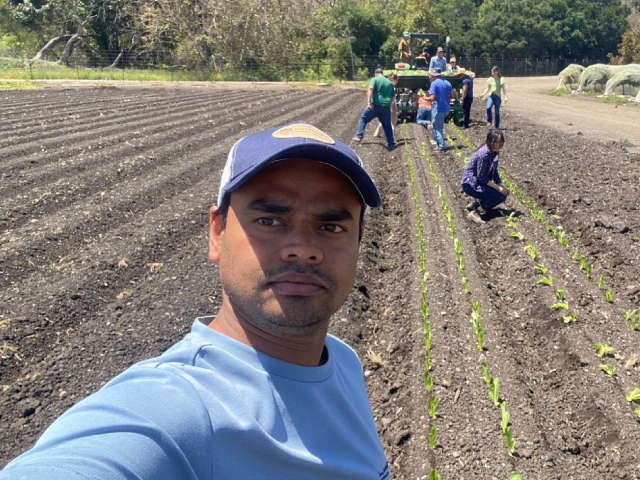
বর্তমানে ক্যালিফোর্নিয়া পলিটেকনিক স্টেট ইউনিভার্সিটিতে আমি উদ্ভিদ রোগ নির্ণয়, আঙুরের মাইক্রোবায়োম, ছত্রাকনাশকের প্রতিরোধ ক্ষমতা এবং হোস্ট-প্যাথোজেন পারস্পরিক সম্পর্ক নিয়ে কাজ করছি।
প্রশ্ন: আপনার গবেষণার কাজগুলো কীভাবে আমাদের উপকৃত করছে বা ভবিষ্যতে করবে?
উত্তর: আমার গবেষণার প্রধান লক্ষ্য হলো ফসলের রোগ সঠিকভাবে শনাক্ত করা, রোগসৃষ্টিকারী ছত্রাক ও অন্যান্য অণুজীবকে বোঝা এবং কার্যকর ও পরিবেশবান্ধব রোগ ব্যবস্থাপনা কৌশল তৈরি করা।
নতুন ছত্রাক প্রজাতি শনাক্ত করার মাধ্যমে আমরা ছত্রাকের বৈচিত্র্য এবং কৃষি ও পরিবেশে তাদের সম্ভাব্য প্রভাব সম্পর্কে আরও ভালোভাবে জানতে পেরেছি।
বর্তমানে আঙুরের মাইক্রোবায়োম, ছত্রাকনাশকের প্রতিরোধ এবং উদ্ভিদ-অণুজীব পারস্পরিক সম্পর্ক নিয়ে আমার গবেষণা নতুন ও উদীয়মান রোগ দ্রুত শনাক্ত করতে, অপ্রয়োজনীয় ছত্রাকনাশকের ব্যবহার কমাতে এবং আরও কার্যকর রোগ ব্যবস্থাপনা কৌশল তৈরি করতে সহায়তা করতে পারে।
দীর্ঘমেয়াদে এই গবেষণা ফসলের ক্ষতি কমানো, উৎপাদনশীলতা বৃদ্ধি এবং টেকসই কৃষি উন্নয়নে ভূমিকা রাখতে পারে।
প্রশ্ন: গবেষণাজীবনের বিশেষ কোনো অভিজ্ঞতা কি আমাদের সঙ্গে শেয়ার করবেন?
উত্তর: আমার গবেষণাজীবনের অন্যতম অর্থবহ অভিজ্ঞতা হলো বাংলাদেশের কৃষক পরিবার থেকে দক্ষিণ কোরিয়া এবং পরে যুক্তরাষ্ট্রে গবেষণার সুযোগ পাওয়া।
দক্ষিণ কোরিয়ায় গবেষণার সময় আগে অজানা ছত্রাক প্রজাতি শনাক্ত করার অভিজ্ঞতা আমাকে শিখিয়েছে যে, খুব ছোট একটি জীবও কৃষি ও পরিবেশের জন্য গুরুত্বপূর্ণ হতে পারে।
পরে ক্যালিফোর্নিয়ায় ফসলের রোগ নিয়ে কাজ করতে গিয়ে আমি দেখেছি কীভাবে বৈজ্ঞানিক আবিষ্কার বাস্তব কৃষি সমস্যার সমাধানের সঙ্গে যুক্ত হতে পারে। এই অভিজ্ঞতাগুলো আমাকে বিশ্বাস করিয়েছে যে গবেষণার প্রকৃত মূল্য তখনই তৈরি হয়, যখন তা কৃষক ও সমাজের জন্য বাস্তব সমাধান দিতে পারে।
প্রশ্ন: একজন বিজ্ঞানীর কী কী গুণ থাকা প্রয়োজন বলে মনে করেন?
উত্তর: সত্যি বলতে, আমি এখনও নিজেকে শেখার পর্যায়ে থাকা একজন গবেষক হিসেবেই দেখি। তবে আমার অভিজ্ঞতা থেকে মনে হয়েছে, একজন ভালো বিজ্ঞানীর মধ্যে কৌতূহল, ধৈর্য, অধ্যবসায়, সততা এবং মুক্তমনা হওয়ার গুণ থাকা অত্যন্ত গুরুত্বপূর্ণ।
গবেষণায় সব সময় প্রত্যাশিত ফল আসে না। তাই ব্যর্থতা থেকে শেখা এবং ধৈর্য ধরে এগিয়ে যাওয়ার মানসিকতা অপরিহার্য।
আমি বিশেষ করে তরুণ গবেষকদের বলব—প্রশ্ন করতে শিখুন, বৈজ্ঞানিক সাহিত্য পড়ার অভ্যাস গড়ে তুলুন, নতুন প্রযুক্তি শিখুন এবং প্রয়োজনে অন্যদের কাছ থেকে দিকনির্দেশনা নিতে দ্বিধা করবেন না। বর্তমান সময়ে আন্তঃবিষয়ক সহযোগিতা এবং কার্যকর যোগাযোগও গবেষণার গুরুত্বপূর্ণ অংশ।
প্রশ্ন: বাংলাদেশের তরুণ শিক্ষার্থীরা যারা বিজ্ঞানে কাজ করতে চায়, তাদের জন্য আপনার কী বার্তা?
উত্তর: কৌতূহলী থাকুন, নিয়মিত পরিশ্রম করুন এবং নিজের পরিস্থিতির সীমার বাইরে স্বপ্ন দেখতে ভয় পাবেন না।
বাংলাদেশের একটি কৃষক পরিবার থেকে বড় হয়ে আমি কখনও ভাবিনি যে আমার গবেষণার পথ একদিন দক্ষিণ কোরিয়া ও যুক্তরাষ্ট্র পর্যন্ত পৌঁছে যাবে। এই অভিজ্ঞতা আমাকে শিখিয়েছে যে আপনি কোথা থেকে শুরু করেছেন, সেটিই আপনার শেষ গন্তব্য নির্ধারণ করে না।
শেখার প্রতিটি সুযোগ কাজে লাগান, গবেষণা ও যোগাযোগ দক্ষতা উন্নত করুন, শিক্ষকদের ও সিনিয়র গবেষকদের কাছ থেকে পরামর্শ নিন এবং ব্যর্থতাকে গবেষণার স্বাভাবিক অংশ হিসেবে গ্রহণ করুন।
সবচেয়ে গুরুত্বপূর্ণ বিষয় হলো, নিজের যাত্রাকে অন্যের সঙ্গে তুলনা করবেন না। ধীরে হলেও ধারাবাহিকভাবে শেখা এবং এগিয়ে যাওয়া ভবিষ্যতে অপ্রত্যাশিত সুযোগের দরজা খুলে দিতে পারে। আমি আশা করি বাংলাদেশের আরও বেশি তরুণ বিজ্ঞান ও গবেষণাকে বেছে নেবে এবং নিজেদের জ্ঞান দিয়ে দেশের বাস্তব সমস্যার সমাধানে অবদান রাখবে।
🔗 প্রোফাইল লিংক
📧 ইমেইল: [email protected]
💼 লিংকডইন: https://www.linkedin.com/in/kallol-das-phd
🎓 গুগল স্কলার: https://scholar.google.com/citations
ড. কল্লোল দাসের গবেষণাযাত্রা দেখায় যে কৌতূহল, ধারাবাহিকতা এবং বৈজ্ঞানিক সততা একজন গবেষককে আন্তর্জাতিক পর্যায়ে কাজ করার সুযোগ এনে দিতে পারে। উদ্ভিদ রোগ, ছত্রাকের বৈচিত্র্য এবং টেকসই কৃষি নিয়ে তাঁর গবেষণা ভবিষ্যতের কৃষি উন্নয়নে গুরুত্বপূর্ণ অবদান রাখতে পারে।
বিজ্ঞানী.org টিম ড. কল্লোল দাসের গবেষণাকর্মের জন্য আন্তরিক শুভকামনা জানাচ্ছে। তাঁর অভিজ্ঞতা বাংলাদেশের তরুণ শিক্ষার্থী ও গবেষকদের বিজ্ঞানচর্চায় আরও উৎসাহিত করবে—এই প্রত্যাশা রইল।
From Crop Diseases to Sustainable Agriculture: A Conversation with Dr. Kallol Das
Dr. Kallol Das is a Bangladeshi plant pathology researcher currently working as a Postdoctoral Researcher at California Polytechnic State University in California, USA. His research focuses on plant diseases, disease-causing fungi, beneficial microorganisms, microbiome analysis, crop protection, biological control, and sustainable disease management. His professional profile identifies plant pathology, soil health, microbiome analysis, fungal taxonomy and discovery, disease management, and host–pathogen interactions among his major research areas.
Dr. Das completed his Bachelor of Science in Agriculture at Patuakhali Science and Technology University in 2014 and his Master of Science in Plant Pathology at Sher-e-Bangla Agricultural University in 2016. He later pursued his PhD in Applied Biology, with a specialization in Plant Pathology, at Kyungpook National University in South Korea. His academic and research career has included positions in Bangladesh, South Korea, and the United States.
His research includes molecular fungal taxonomy and the identification and characterization of fungal species. His profile lists publications on newly identified fungal species, soil microorganisms, plant diseases, and disease-control technologies.
💬 Interview
Question: First, please tell us about yourself.
Answer: My name is Kallol Das. I grew up in a small village in Khulna, Bangladesh, in an agricultural family where farming was an integral part of my early life. Growing up in this environment gradually inspired me to pursue higher education.
Following this interest, I completed my Bachelor of Science in Agriculture from Patuakhali Science and Technology University in 2014. Then I earned my Master of Science in Plant Pathology from Sher-e-Bangla Agricultural University in 2016.
My growing passion for research, particularly in plant pathology, fungal biology, and crop protection, motivated me to pursue advanced studies abroad. I received a full scholarship and subsequently moved to South Korea to complete my PhD in Applied Biology, specializing in Plant Pathology, at Kyungpook National University in 2020. After completing my PhD, I continued my research career through postdoctoral research at Kyungpook National University and then moved to California in 2023.
Question: What is your area of research?
Answer: My research focuses on plant diseases, disease-causing fungi, beneficial microorganisms, and their interactions with plants and the environment. In simple terms, I study why and how crop diseases occur, identify the fungi or other microorganisms responsible for them, and explore effective and environmentally friendly ways to manage these diseases.
My doctoral and postdoctoral research focused on molecular fungal taxonomy, including the identification and characterization of novel fungal species. My research contributed to the understanding of fungal diversity and distribution, leading to the identification of more than 15 novel and over 20 previously unreported fungal species with potential impacts on ecosystems and economically important crops.
In August 2023, I joined the College of Agriculture, Food and Environmental Sciences at California Polytechnic State University, California, USA, as a postdoctoral researcher. I am currently conducting research that includes plant disease diagnosis and management, grape microbiomes, crop protection, fungicide resistance, and host–pathogen interactions.
Question: How does your research benefit, or potentially benefit, society and agriculture?
Answer: The main goal of my research is to accurately identify crop diseases, understand the fungi and other microorganisms responsible for these diseases, and develop effective and environmentally friendly disease-management strategies.
My research has already contributed to the identification of several novel and previously unreported fungal species, improving our understanding of fungal diversity and their potential impacts on plants and ecosystems.
Currently, my research focuses on plant diseases, grape-associated microbiomes, fungicide resistance, and interactions between plants and disease-causing microorganisms. This research can help detect new and emerging crop diseases at an early stage, reduce unnecessary use of fungicides, and develop more effective disease-management strategies.
Through this work, I aim to better understand plant diseases and their associated microorganisms and contribute to practical, sustainable disease-management strategies that can reduce crop losses, improve crop health and productivity, and benefit the agricultural industry.
Question: Is there any particularly meaningful research experience you would like to share with us?
Answer: One of the most meaningful experiences in my research career has been the journey from growing up in an agricultural family in Bangladesh to conducting research in South Korea and the United States.
During my doctoral and postdoctoral research in South Korea, discovering and identifying previously unknown fungal species taught me that even a very small organism can have significant importance for agriculture and the environment.
Later, working on crop diseases in California allowed me to see how scientific discoveries can be connected to real-world agricultural challenges.
These experiences have deeply influenced me as a researcher and strengthened my belief that research becomes most meaningful when scientific knowledge can be translated into practical solutions for farmers, crop production, and sustainable agriculture.
Question: What qualities do you think a scientist should have?
Answer: To be honest, I still consider myself to be in the learning phase of my scientific journey. However, for those who are interested in research, particularly students and young researchers who are at an earlier stage of their careers than I am, I would like to share what I have learned from my experiences.
I believe a good scientist or researcher needs curiosity, patience, perseverance, honesty, and an open mind. Research does not always produce the expected results, so the ability to learn from failure and continue with patience is extremely important.
Scientific integrity is equally essential, and a researcher should always be honest about their data and findings, even when the results do not support the original hypothesis.
For young researchers, I would especially emphasize curiosity and consistency. Ask questions, develop a habit of reading scientific literature, learn new techniques, and never hesitate to seek guidance from others.
Collaboration and effective communication are also important because modern scientific challenges often require researchers from different disciplines to work together.
Question: What message would you like to give to young Bangladeshi students who want to pursue science?
Answer: Stay curious, work consistently, and do not be afraid to dream beyond your circumstances.
Coming from an agricultural family in Bangladesh, I never imagined that my research journey would eventually take me to South Korea and the United States. My experience has taught me that where you start does not necessarily determine how far you can go.
Take advantage of every opportunity to learn, develop your research and communication skills, read scientific literature, and seek guidance from teachers, mentors, and senior researchers.
Do not be discouraged by failure or rejection; those are a part of a research career. At the same time, maintain honesty and integrity in your work and remain open to collaboration.
Most importantly, do not compare your journey with others. Progress may sometimes be slow, but continuous learning and perseverance can open unexpected opportunities.
I hope more young researchers from Bangladesh will pursue science not only for personal achievement but also to use their knowledge to address the challenges facing Bangladesh and contribute to society.
🔗 Profile Links
📧 Email: [email protected]
💼 LinkedIn: https://www.linkedin.com/in/kallol-das-phd-a95844b5/
🎓 Google Scholar: https://scholar.google.com/citations
Dr. Kallol Das’s research journey demonstrates how curiosity, perseverance, scientific integrity, and continuous learning can create opportunities for researchers to work internationally. His research on plant diseases, fungal diversity, microbiomes, fungicide resistance, and sustainable crop protection has relevance to both scientific understanding and practical agricultural challenges.
The Biggani.org team wishes Dr. Kallol Das continued success in his research career. We hope that his journey from an agricultural family in Bangladesh to research institutions in South Korea and the United States will encourage young Bangladeshi students and researchers to pursue science with curiosity, patience, and dedication.



I’m very proud of you. Carry on & go ahead. Many many best wishes for you.
Thank you.