


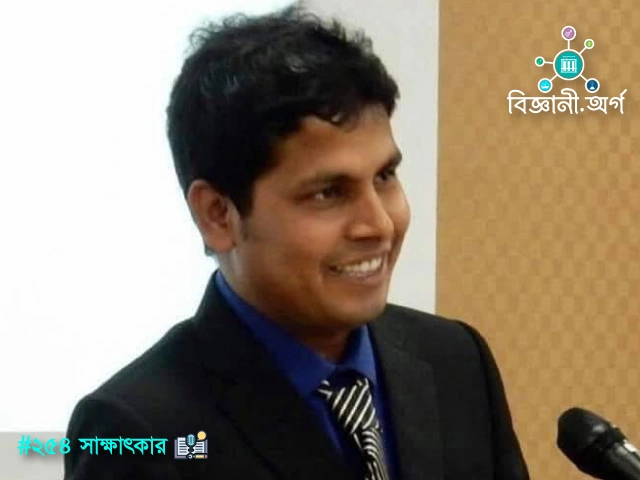
ড. এনামুল হক জোয়ার্দার জাপানের একটি শীর্ষস্থানীয় রিসার্চ অর্গানাইজেশন ‘শিন নিপ্পন বায়োমেডিকেল ল্যাবরেটরিজ’ (SNBL)-এর ‘ড্রাগ সেফটি রিসার্চ ল্যাবরেটরিজ’ (DSR)-এর অন্তর্গত ‘ফার্স্ট টক্সিসিটি ইভালুয়েশন ইউনিট’-এ ডেপুটি চিফ হিসেবে কর্মরত আছেন। একই সঙ্গে তিনি প্রতিষ্ঠানটির গ্লোবাল স্টাডি টিমের একজন ‘স্টাডি ডিরেক্টর ক্যান্ডিডেট’। তিনি জাপানের ওসাকা মেট্রোপলিটন ইউনিভার্সিটি (Osaka Metropolitan University) থেকে বিষবিজ্ঞানে (Toxicology) পিএইচডি ডিগ্রি অর্জন করেন। পিএইচডি সম্পন্ন করার পর তিনি একই বিশ্ববিদ্যালয়ে পোস্টডক্টরাল গবেষক হিসেবে কাজ করেছেন। এছাড়া জাপানের অন্যতম শীর্ষ বায়োমেডিক্যাল প্রতিষ্ঠান ‘বায়োমেডিক্যাল ল্যাবরেটরিজ’ (BML)-এ তাঁর কাজের অভিজ্ঞতা রয়েছে।
ড. জোয়ার্দারের গবেষণার মূল বিষয় দীর্ঘমেয়াদি নিম্নমাত্রার আর্সেনিক সংস্পর্শের ফলে সৃষ্ট কোষীয় পরিবর্তন এবং জনস্বাস্থ্যের ওপর এর বিরূপ প্রভাব বিশ্লেষণ। তিনি মার্কিন যুক্তরাষ্ট্র, জার্মানি, নেদারল্যান্ডস, বাংলাদেশ ও জাপানে অনুষ্ঠিত বিভিন্ন আন্তর্জাতিক বৈজ্ঞানিক সম্মেলনে তাঁর গবেষণাপত্র উপস্থাপন করেছেন। বর্তমানে তিনি মানুষের ব্যবহারের জন্য নতুন ওষুধের নিরাপত্তা মূল্যায়ন (Drug Safety Evaluation) ও টক্সিকোলজি গবেষণায় অবদান রাখছেন।

💬 প্রশ্নোত্তর পর্ব:
প্রশ্ন: আপনার গবেষণার মূল বিষয় এবং এর ক্ষতিকর দিকগুলো সম্পর্কে যদি পাঠকদের বিস্তারিত জানাতেন।
উত্তর: আমার গবেষণার মূল বিষয় ছিল দীর্ঘদিন ধরে অতি অল্প মাত্রায় আর্সেনিকের সংস্পর্শে থাকলে কৃত্রিম সেল এবং ইদুরে কী ধরনের পরিবর্তন ঘটে এবং তা কীভাবে বিভিন্ন শারীরিক ঝুঁকি বাড়ায়। আর্সেনিককে “King of Poisons” (বিষের রাজা) বলা হয়। কারণ, উচ্চমাত্রায় আর্সেনিক অল্প সময়েই তীব্র বিষক্রিয়া সৃষ্টি করতে পারে, যা প্রাণঘাতী। তবে এর চেয়েও উদ্বেগের বিষয় হলো, দীর্ঘদিন ধরে অতি অল্প মাত্রায় আর্সেনিক গ্রহণের প্রভাব, যা নীরবে শরীরের ভেতরে ক্ষতি করতে থাকে এবং শুরুতে কোনো স্পষ্ট লক্ষণ দেখা যায় না।
বাংলাদেশসহ বিশ্বের বিভিন্ন অঞ্চলে ভূগর্ভস্থ পানিতে প্রাকৃতিকভাবে আর্সেনিকের উপস্থিতি রয়েছে। বছরের পর বছর এই পানি পান করলে শরীরে ধীরে ধীরে আর্সেনিক জমা হতে পারে এবং কিডনি, লিভার, হৃদ্যন্ত্র, রক্ত তৈরির প্রক্রিয়া ও রোগপ্রতিরোধ ব্যবস্থার ওপর বিরূপ প্রভাব ফেলতে পারে। একই সঙ্গে ত্বকের বিভিন্ন সমস্যা এবং ফুসফুস, মূত্রথলি ও ত্বকের ক্যান্সারসহ বিভিন্ন দীর্ঘমেয়াদি রোগের ঝুঁকিও বৃদ্ধি পেতে পারে।
আমার গবেষণায় বিশেষভাবে বিশ্লেষণ করা হয়েছে, দীর্ঘমেয়াদি নিম্নমাত্রার আর্সেনিক কীভাবে কিডনিতে উৎপন্ন ইরিথ্রোপয়েটিন (Erythropoietin বা EPO) হরমোনের উৎপাদনকে প্রভাবিত করে। এই হরমোনটি লোহিত রক্তকণিকা (Red Blood Cell) তৈরিতে গুরুত্বপূর্ণ ভূমিকা রাখে। এর উৎপাদন কমে গেলে রক্তস্বল্পতা (অ্যানিমিয়া), দুর্বলতা ও ক্লান্তির মতো সমস্যা দেখা দিতে পারে। পাশাপাশি আমি অটোফ্যাজি (Autophagy) নামক কোষের স্বাভাবিক পরিষ্কার ও পুনর্ব্যবহার প্রক্রিয়ার ওপরও আর্সেনিকের প্রভাব নিয়ে গবেষণা করেছি। এই প্রক্রিয়াটি ব্যাহত হলে কোষে ক্ষতিগ্রস্ত উপাদান জমা হতে পারে, যা দীর্ঘমেয়াদে বিভিন্ন রোগের ঝুঁকি বাড়াতে পারে। আমার গবেষণার উদ্দেশ্য ছিল দীর্ঘমেয়াদি নিম্নমাত্রার আর্সেনিকের কারণে শরীরে যে সূক্ষ্ম পরিবর্তনগুলো ঘটে, সেগুলোর বৈজ্ঞানিক ব্যাখ্যা তুলে ধরা।
প্রশ্ন: আপনার গবেষণার কাজগুলি সাধারণ মানুষের কল্যাণে কীভাবে ব্যবহৃত হচ্ছে বা ভবিষ্যতে উপকারে আসবে বলে আপনি মনে করেন?
উত্তর: আমার গবেষণার মূল লক্ষ্য ছিল মানুষের স্বাস্থ্যের জন্য ক্ষতিকর একটি পরিবেশগত বিষ আর্সেনিক কীভাবে দীর্ঘ সময় ধরে শরীরে কী ধরনের পরিবর্তন ঘটায়, তা বোঝা। আমরা যদি রোগের কারণ ও তার কার্যপ্রক্রিয়া ভালোভাবে বুঝতে পারি, তাহলে ভবিষ্যতে সেই রোগ প্রতিরোধ বা চিকিৎসার আরও কার্যকর উপায় তৈরি করা সহজ হয়। বাংলাদেশসহ বিশ্বের অনেক দেশে আর্সেনিক দূষণ এখনও একটি ভয়াবহ জনস্বাস্থ্য সমস্যা। তাই এই বিষয়ের গবেষণা ভবিষ্যতে আর্সেনিকজনিত রোগ দ্রুত শনাক্ত করা, ঝুঁকি কমানো এবং নতুন চিকিৎসা বা প্রতিরোধমূলক কৌশল উন্নয়নে সহায়ক হতে পারে।
বর্তমানে আমি জাপানে নতুন ওষুধের নিরাপত্তা (Drug Safety) মূল্যায়নের সঙ্গে যুক্ত আছি। একটি নতুন ওষুধ মানুষের জন্য অনুমোদনের আগে সেটি নিরাপদ কি না, সম্ভাব্য পার্শ্বপ্রতিক্রিয়া কী হতে পারে এবং কীভাবে আরও নিরাপদ করা যায়—এসব বিষয় নিয়ে কাজ করি। এই ধরনের গবেষণা মানুষের জন্য আরও নিরাপদ ও কার্যকর ওষুধ তৈরিতে গুরুত্বপূর্ণ ভূমিকা রাখে। একজন গবেষক হিসেবে আমার বিশ্বাস, গবেষণার প্রকৃত সাফল্য তখনই, যখন তার ফলাফল মানুষের জীবনকে আরও নিরাপদ, সুস্থ ও উন্নত করতে অবদান রাখে। সেই লক্ষ্য নিয়েই আমি কাজ করে যাচ্ছি।
প্রশ্ন: আপনার দীর্ঘ গবেষণা জীবনের কোনো বিশেষ অভিজ্ঞতা কি আমাদের সাথে শেয়ার করবেন?
উত্তর: গবেষণার সবচেয়ে বড় শিক্ষা আমি পেয়েছি ধৈর্য এবং ব্যর্থতা থেকে। গবেষণায় এমন অনেক সময় এসেছে, যখন কয়েক মাসের পরিশ্রমের পরও প্রত্যাশিত ফলাফল পাইনি। একই পরীক্ষা বারবার করতে হয়েছে, ছোট একটি ভুল খুঁজে বের করতে দিনের পর দিন সময় দিতে হয়েছে। যেহেতু ইনভিট্রো (in vitro) ও ইনভিভো (in vivo) উভয় ট্রায়ালই আমার গবেষণার অংশ ছিল, তাই একবার কাঙ্ক্ষিত ফলাফল না পেলে বহুদিন অপেক্ষা করতে হয়েছে পুনরায় ফিরে আসতে। শুরুতে এটি খুব হতাশাজনক মনে হলেও পরে বুঝেছি, গবেষণায় ব্যর্থতা মানেই শেষ নয়; বরং সেটিই নতুন কিছু শেখার সুযোগ।
আরেকটি অভিজ্ঞতা আমার জীবনে গভীর প্রভাব ফেলেছে। জাপানে গবেষণার সুযোগ পাওয়ার পর আমি বিশ্বের বিভিন্ন দেশের গবেষকদের সঙ্গে কাজ করার সুযোগ পেয়েছি। সেখানে বুঝতে পেরেছি, একজন ভালো গবেষকের সবচেয়ে বড় পরিচয় তার দেশ, ভাষা বা বিশ্ববিদ্যালয় নয়; বরং তার সততা, কৌতূহল এবং শেখার আগ্রহ। এই উপলব্ধি আমাকে আরও বিনয়ী করেছে এবং প্রতিনিয়ত নিজেকে উন্নত করার অনুপ্রেরণা দিয়েছে। আমার বিশ্বাস, গবেষণা শুধু নতুন জ্ঞান আবিষ্কারের পথ নয়, এটি একজন মানুষকে ধৈর্যশীল, যুক্তিবাদী এবং দায়িত্বশীল হিসেবেও গড়ে তোলে।
প্রশ্ন: আপনার মতে একজন বিজ্ঞানীর মধ্যে কী কী গুণ থাকা সবচেয়ে বেশি প্রয়োজন?
উত্তর: আমার মতে, একজন বিজ্ঞানীর সবচেয়ে গুরুত্বপূর্ণ গুণ হলো কৌতূহল। আমার জাপানিজ শিক্ষকের শেখানো, “কী?, কেন?” এবং “কীভাবে?”—এই প্রশ্নগুলোই নতুন আবিষ্কারের শুরু। কৌতূহল না থাকলে গবেষণার প্রতি আগ্রহ দীর্ঘস্থায়ী হয় না।
দ্বিতীয় গুরুত্বপূর্ণ গুণ হলো ধৈর্য ও অধ্যবসায়। গবেষণায় সব সময় কাঙ্ক্ষিত ফলাফল আসে না। অনেক পরীক্ষা বারবার করতে হয়, অনেক সময় মাসের পর মাস পরিশ্রমের পরও নতুন করে শুরু করতে হয়। তাই ব্যর্থতাকে শেখার অংশ হিসেবে গ্রহণ করার মানসিকতা খুব জরুরি। বিজ্ঞানের ভিত্তিই হলো যৌক্তিক প্রমাণ। সমালোচনামূলক চিন্তাশক্তি (Critical Thinking), নতুন কিছু শেখার আগ্রহ, দলগতভাবে কাজ করার মানসিকতা এবং ভালো যোগাযোগ দক্ষতাও একজন সফল বিজ্ঞানীর জন্য খুবই গুরুত্বপূর্ণ। আজকের বিজ্ঞান একক প্রচেষ্টার চেয়ে সহযোগিতার ওপর বেশি নির্ভরশীল।
শিক্ষার্থীদের জন্য আমার একটি ছোট পরামর্শ, ভালো বিজ্ঞানী হওয়ার জন্য শুরুতেই অসাধারণ মেধাবী হওয়া বাধ্যতামূলক নয়; বরং নিয়মিত শেখার অভ্যাস, প্রশ্ন করার সাহস, ভুল থেকে শেখার মানসিকতা এবং কখনো হাল না ছাড়ার দৃঢ়তা একজন মানুষকে ধীরে ধীরে একজন সফল গবেষক হিসেবে গড়ে তোলে।
প্রশ্ন: বাংলাদেশের যেসব তরুণ শিক্ষার্থী বিজ্ঞান ও গবেষণা খাতে ক্যারিয়ার গড়তে চায়, তাদের উদ্দেশ্যে আপনার বার্তা কী?
উত্তর: তরুণদের জন্য সব সময় আমার আন্তরিক শুভকামনা—বড় স্বপ্ন দেখুন, নিয়মিত ধৈর্যের সাথে শিখুন এবং প্রশ্ন করতে কখনো সংকোচ করবেন না। গবেষণায় সফলতার জন্য কেবল তাৎক্ষণিক মেধা নয়, ধৈর্য ও নিয়মতান্ত্রিক পরিশ্রম সবচেয়ে গুরুত্বপূর্ণ। কোনো কিছুই অসম্ভব নয়, কেউই জন্মগতভাবে সুপিরিয়র নয়। ব্যর্থতাকে ভয় না পেয়ে শেখার সুযোগ হিসেবে গ্রহণ করতে হবে। গবেষণা এবং ব্যক্তিগত জীবনে একটি কথা গুরুত্ব দিয়ে মনে রাখবেন: “ইউ কান্ট কন্ট্রোল ইউর ডেস্টিনি, ইউ শুড ফোকাস অন ইউর ডেস্টিনেশন” (You can’t control your destiny. You should focus on your destination)। আজকের প্রচেষ্টাই আপনাকে সফল করবে এবং আগামী দিনের একজন ভালো মানুষ ও গুরুত্বপূর্ণ বিজ্ঞানী হিসেবে গড়ে তুলতে সাহায্য করবে।
বাংলাদেশে শিক্ষকতা করার সুবাদে শিক্ষার্থীদের খুব কাছ থেকে দেখার সুযোগ আমার হয়েছে। সত্যি বলতে, বাংলাদেশের তরুণ প্রজন্মের যে আগ্রহ, তাতে সরকার যদি দেশে অথবা বিদেশে গবেষণার যথাযথ সুযোগ তৈরি করে দিতে পারে, তবে আগামী দিনে আমাদের ছেলেমেয়েরা বৈশ্বিক বিজ্ঞান ও গবেষণায় বিপ্লব ঘটিয়ে দিতে পারবে। আমি একটি সমৃদ্ধ ও মেধাবী বাংলাদেশের স্বপ্ন দেখি।
যোগাযোগের তথ্য
- 📧 ইমেইল: [email protected]
- 🎓 গুগল স্কলার: https://scholar.google.com/citations?user=JJjp1uEAAAAJ&hl=ja
- 💼 লিংকডইন: https://www.linkedin.com/in/anam-ul-haque-phd-a07b871a0
ড. এনামুল হক জোয়ার্দারের বিষবিজ্ঞান এবং ড্রাগ সেফটি বিষয়ক গবেষণা জনস্বাস্থ্যের সুরক্ষায় এবং মানবকল্যাণে অত্যন্ত গুরুত্বপূর্ণ অবদান রাখছে। বিশেষ করে আর্সেনিকের দীর্ঘমেয়াদি বিষক্রিয়া এবং নতুন ওষুধের নিরাপত্তা মূল্যায়নে তাঁর নিরলস কাজ আন্তর্জাতিক মহলে প্রশংসিত হচ্ছে। বিজ্ঞান ও গবেষণার প্রতি তাঁর এই গভীর নিষ্ঠা, সততা এবং শিক্ষার্থীবান্ধব মনোভাব সত্যিই অতুলনীয়।
বিজ্ঞানী অর্গ টিম ড. এনামুল হক জোয়ার্দারের পেশাগত জীবনের উত্তরোত্তর সাফল্য এবং তাঁর ভবিষ্যৎ আন্তর্জাতিক প্রশিক্ষণ কর্মসূচির সর্বাঙ্গীন সফলতা কামনা করছে। তাঁর এই অনুপ্রেরণাদায়ী জীবন ও বৈজ্ঞানিক দর্শন বাংলাদেশের তরুণ শিক্ষার্থীদের বিজ্ঞানচর্চায় উদ্বুদ্ধ করবে এবং আগামী দিনে নতুন গবেষক তৈরিতে আলোকবর্তিকা হিসেবে কাজ করবে—এই আমাদের প্রত্যাশা।
Decoding Toxicity and Ensuring Safer Drugs: An Interview with Dr. Anam-ul Haque Joardar
Dr. Anam-ul Haque Joardar serves as the Deputy Chief of the First Toxicity Evaluation Unit at the Drug Safety Research Laboratories (DSR), a division of Shin Nippon Biomedical Laboratories, Ltd. (SNBL)—one of Japan’s leading clinical research organizations. Concurrently, he is a Study Director Candidate within the institution’s Global Study Team. He earned his Ph.D. in Toxicology from Osaka Metropolitan University in Japan, where he subsequently continued his academic journey as a postdoctoral researcher. In addition, he possesses valuable professional experience working at Biomedical Laboratories (BML), another premier biomedical institution in Japan.
Dr. Joardar’s core research focuses on evaluating cellular alterations induced by long-term, low-dose exposure to arsenic and analyzing its subsequent adverse impacts on public health. He has presented his research findings at various prestigious international scientific seminars and conferences across the United States, Germany, the Netherlands, Bangladesh, and Japan. Currently, his professional responsibilities center around the safety evaluation of novel pharmaceuticals prior to human clinical trials, contributing significantly to global drug safety and toxicology workflows.
💬 Q&A Section:
Question: Could you please elaborate on the core focus of your research and the specific health hazards associated with it?
Answer: The primary objective of my research was to investigate the cellular and systemic alterations that occur in in vitro (artificial cell) and in vivo (mouse) models due to long-term, low-dose exposure to arsenic, and how this exposure escalates various health risks. Arsenic is frequently dubbed the “King of Poisons” because high concentrations can induce severe, acute toxicity within a very short timeframe, which is often fatal. However, a more pressing public health concern is the chronic ingestion of ultra-low levels of arsenic. This acts as a silent killer, gradually damaging the body from within without manifesting any clear, immediate symptoms.
Groundwater in various regions across the globe, including Bangladesh, naturally contains geological deposits of arsenic. Consuming this contaminated water over years leads to the bioaccumulation of arsenic in the human body. This accumulation exerts highly detrimental effects on the kidneys, liver, heart, hematopoietic (blood-forming) system, and the immune framework. Simultaneously, it significantly increases the risk of diverse skin pathologies and long-term malignancies, including lung, bladder, and skin cancers.
My research specifically analyzed how chronic, low-dose arsenic exposure modulates the production of Erythropoietin (EPO), a vital glycoprotein hormone synthesized primarily by the kidneys. This hormone plays an indispensable role in stimulating red blood cell production (erythropoiesis). When EPO synthesis is suppressed, individuals experience clinical complications such as anemia, chronic fatigue, and physical weakness. Furthermore, I investigated the impact of arsenic on autophagy—the fundamental cellular mechanism responsible for degrading and recycling damaged components. Disruption of this housekeeping process leads to the toxic accumulation of cellular debris, escalating the pathogenesis of various chronic diseases. The ultimate goal of my study was to provide clear scientific explanations for these subtle cellular modifications, paving the way for better diagnostic insights and enhanced preventative or therapeutic strategies against arsenicosis.
Question: How do you believe your research findings benefit the general public or shape future biomedical advancements?
Answer: The underlying mission of my research was to comprehend how a prominent environmental toxin like arsenic alters human biology over extended periods. Once we comprehensively map out the definitive etiology and mechanisms of a disease, developing effective preventative protocols or targeted therapeutic interventions becomes significantly more achievable.
Arsenic contamination remains a critical public health crisis in Bangladesh and several other developing nations. Consequently, data generated from this line of research will aid in the early detection of arsenic-induced ailments, risk mitigation, and the formulation of novel clinical countermeasures.
Presently, my role in Japan involves assessing the safety profiles of newly developed pharmaceuticals (Drug Safety Evaluation). Before a new therapeutic molecule receives regulatory clearance for human trials, we stringently evaluate its safety parameters, identify potential adverse reactions, and optimize its chemical safety margins. This foundational work is absolutely essential for delivering safer, more efficacious medications to global healthcare markets. I strongly believe that the true success of scientific research lies in its capacity to make human lives safer, healthier, and better. That is the philosophy driving my daily work.
Question: Would you mind sharing a definitive experience or lesson from your extensive journey in research?
Answer: The most profound insights I have gained from a career in science revolve around patience and the value of failure. There have been numerous instances where months of rigorous laboratory work yielded inconclusive or unexpected results. I had to repeat the same protocols countless times, spending days identifying a single minor variable or systemic error. Because my research integrated both in vitro and in vivo clinical trials, failing a single phase meant waiting weeks or even months to set up the biological models again. While this felt deeply discouraging initially, I eventually realized that failure in scientific research is never a dead end; rather, it is a crucial diagnostic indicator that points toward a new learning trajectory.
Another defining experience stems from my collaborative ventures in Japan. Working alongside international researchers taught me that a scientist’s true identity is not dictated by their nationality, native language, or the prestige of their alma mater. Instead, it is defined by their professional integrity, innate curiosity, and relentless willingness to learn. This realization humbled me and continuously inspires me to improve myself both professionally and personally. Research does not merely expand human knowledge; it structurally molds an individual to become more patient, rational, and accountable.
Question: In your opinion, what core qualities define a successful scientist?
Answer: I believe the most foundational trait for any scientist is curiosity. My Japanese academic mentor taught me that the questions “What?”, “Why?”, and “How?” are the ultimate catalysts for any breakthrough discovery. Without genuine curiosity, one’s passion for scientific inquiry simply cannot endure the test of time.
The second indispensable quality is patience combined with unyielding perseverance. Research rarely yields immediate or desired outcomes. Experiments must be repeated routinely, and sometimes, after months of painstaking efforts, you have to scrap everything and start over from scratch. Embracing failure as a natural mechanism of learning is crucial. Furthermore, science relies entirely on empirical evidence. Critical thinking, a lifelong learning mindset, a collaborative team spirit, and articulate communication skills are equally essential. Modern science is no longer a solitary endeavor; it relies heavily on cross-functional, global collaboration.
For aspiring students, my advice is that you do not need to be an absolute genius right from the start. Rather, building a disciplined habit of learning, maintaining the courage to ask questions, accepting mistakes as data points, and cultivating a resilient attitude will gradually shape you into a highly successful researcher.
Question: What is your message for young students in Bangladesh who aspire to pursue careers in science and technology?
Answer: I offer my warmest wishes to our youth: dream big, learn patiently and systematically, and never hesitate to ask questions. Success in research is not merely a product of raw intelligence; it demands patience and sustained, hard work. Nothing is insurmountable, and no individual is inherently superior to another. Never fear failure—reframe it as a unique learning opportunity.
Whether in your professional research or personal life, remember this perspective: “You can’t control your destiny. You should focus on your destination.” Your consistent daily efforts will determine your success and mold you into an impactful scientist and an empathetic human being.
Having taught in Bangladesh previously, I have interacted closely with the student community. The younger generation in Bangladesh possesses immense curiosity and potential. If the government can adequately generate robust research opportunities—both domestically and via international pathways—our youth have the capability to bring about a monumental revolution in the global scientific landscape. I sincerely envision a prosperous, knowledge-driven, and intellectually vibrant Bangladesh.
Contact Information
📧 Email: [email protected]
🎓 Google Scholar: https://scholar.google.com/citations?user=JJjp1uEAAAAJ&hl=ja
💼 LinkedIn: https://www.linkedin.com/in/anam-ul-haque-phd-a07b871a0
Dr. Anam-ul Haque Joardar’s extensive contributions to the fields of toxicology and drug safety play a vital role in safeguarding public health and advancing biomedical science. His meticulous research on chronic arsenic toxicity and his dedication to evaluating the safety margins of new pharmaceuticals have garnered well-deserved international recognition. His unwavering dedication to empirical science, professional ethics, and student mentorship serves as an exemplary standard for the academic community.
The Biggani.org team extends its heartfelt wishes for the continued success of Dr. Anam-ul Haque Joardar’s professional endeavors and his upcoming global training program in Washington. We believe his inspirational journey and scientific philosophy will serve as a guiding light, encouraging young Bangladeshi students to embrace scientific research and empowering the next generation of global innovators.



Leave a comment