


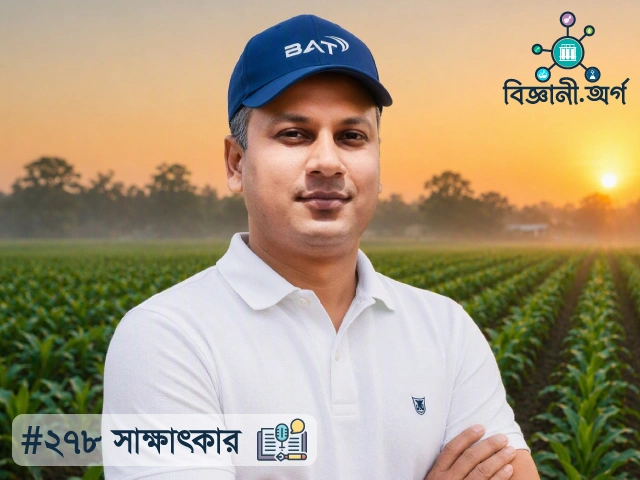
ড. মো. সাইফুল ইসলাম একজন বাংলাদেশি উদ্ভিদবিজ্ঞানী ও প্ল্যান্ট ব্রিডিং গবেষক। তিনি বর্তমানে বাংলাদেশে British American Tobacco (BAT)-এ Plant Breeding Manager হিসেবে কর্মরত। তাঁর কাজের গুরুত্বপূর্ণ ক্ষেত্রের মধ্যে রয়েছে উদ্ভিদ প্রজনন, হাইব্রিড উন্নয়ন, বহু-স্থানভিত্তিক ফিল্ড ট্রায়াল, কৃষিতাত্ত্বিক গবেষণা এবং গবেষণার ফলকে ব্যবহারিক ও বাণিজ্যিক পর্যায়ে নিয়ে যাওয়া। তাঁর বর্তমান কাজের অংশ হিসেবে হাইব্রিড পোর্টফোলিও কৌশল এবং উদ্ভিদ প্রজনন কর্মসূচি পরিচালনার অভিজ্ঞতাও রয়েছে।
তিনি জাপানের Ehime University থেকে Plant Sciences-এ পিএইচডি এবং নেদারল্যান্ডসের Wageningen University & Research থেকে Plant Breeding and Genetic Resources-এ এমএসসি সম্পন্ন করেন। এর আগে Sher-e-Bangla Agricultural University থেকে কৃষিতে স্নাতক এবং Horticultural Science-এ স্নাতকোত্তর ডিগ্রি অর্জন করেন। তাঁর গবেষণার ক্ষেত্রের মধ্যে রয়েছে plant biotechnology, tissue culture, micropropagation, plant physiology, controlled-environment agriculture এবং experimental design।

গবেষণা ও পেশাগত জীবনে তিনি বাংলাদেশ ছাড়াও জাপান ও নেদারল্যান্ডসে কাজ করেছেন। Wageningen Plant Research-এ তিনি কলার Panama disease নিয়ে গবেষণায় যুক্ত ছিলেন এবং বাংলাদেশ কৃষি গবেষণা ইনস্টিটিউটে Scientific Officer হিসেবেও কাজ করেছেন।
💬 প্রশ্নোত্তর পর্ব
প্রশ্ন: আপনার সম্পর্কে এবং আপনার গবেষণা ও পেশাগত কাজের প্রধান ক্ষেত্র সম্পর্কে সংক্ষেপে বলুন।
উত্তর: ধারাবাহিক শেখা, উদ্ভাবন এবং অধ্যবসায় অর্থবহ অগ্রগতির মূল চাবিকাঠি—আমি এই বিশ্বাস নিয়ে কাজ করি।
আমি একজন Plant Breeding Manager। উন্নত ফসলের জাত উদ্ভাবন এবং হাইব্রিড ব্রিডিং পদ্ধতি নিয়ে কাজ করার অভিজ্ঞতা রয়েছে আমার। আমার কাজ মূলত জেনেটিকস, ব্রিডিংয়ে উদ্ভাবন, বীজের গুণগত মান এবং কৃষি উৎপাদনের জন্য ব্যবহারিক সমাধান তৈরিকে কেন্দ্র করে।
বছরের পর বছর ধরে আমি বিভিন্ন ক্ষেত্রের বিশেষজ্ঞদের সমন্বয়ে গঠিত দলের সঙ্গে কাজ করেছি, যাতে বৈজ্ঞানিক গবেষণা ও কৃষিক্ষেত্রে তার ব্যবহারিক প্রয়োগের মধ্যকার ব্যবধান কমিয়ে আনা যায়।
আমার আগ্রহের প্রধান ক্ষেত্র হলো উদ্ভিদ জেনেটিকস, হাইব্রিড ব্রিডিং, মেল স্টেরিলিটি সিস্টেম, নতুন জাত উদ্ভাবন এবং উদ্ভাবনী প্রযুক্তির মাধ্যমে ব্রিডিং কার্যক্রমকে দ্রুততর করা। এর লক্ষ্য হলো ফসলের উৎপাদনশীলতা, প্রতিকূলতা সহ্য করার সক্ষমতা এবং স্থায়িত্ব বৃদ্ধি করা।
গবেষণার পাশাপাশি আমি তরুণ পেশাজীবীদের পরামর্শ ও দিকনির্দেশনা দিতে এবং নতুন প্রজন্মের মধ্যে বিজ্ঞানমনস্ক চিন্তাভাবনা উৎসাহিত করতে আগ্রহী।
প্রশ্ন: আপনার গবেষণার বিষয়টি সহজ ভাষায় ব্যাখ্যা করবেন?
উত্তর: আমার গবেষণার মূল বিষয় উদ্ভিদ প্রজনন ও ফসলের উন্নয়ন। এর মাধ্যমে এমন উন্নত ফসলের জাত তৈরি করা হয়, যেগুলোর ফলন বেশি, গুণগত মান উন্নত, বিভিন্ন পরিবেশে অভিযোজনক্ষমতা ভালো এবং রোগ প্রতিরোধের সক্ষমতা শক্তিশালী।
আমার কাজের একটি গুরুত্বপূর্ণ ক্ষেত্র হলো হাইব্রিড ব্রিডিং। নির্বাচিত দুটি প্যারেন্ট উদ্ভিদের কাঙ্ক্ষিত বৈশিষ্ট্য একত্র করার মাধ্যমে হাইব্রিড জাত তৈরি করা হয়। হাইব্রিড ব্রিডিংয়ের একটি গুরুত্বপূর্ণ চ্যালেঞ্জ হলো পরাগায়ন নিয়ন্ত্রণ করা। এই সমস্যা মোকাবিলায় আমি মেল-স্টেরাইল লাইন তৈরিতে কাজ করেছি। এসব উদ্ভিদ কার্যকর পরাগরেণু উৎপাদন করে না। ফলে হাইব্রিড বীজ উৎপাদন আরও কার্যকর ও নির্ভরযোগ্য করা সম্ভব হয়।
গ্রিনহাউসভিত্তিক পদ্ধতির মাধ্যমে ব্রিডিং সাইকেল দ্রুততর করার বিষয়েও আমার আগ্রহ রয়েছে। বছরে একাধিক প্রজন্ম উৎপাদনের মাধ্যমে প্রচলিত মাঠভিত্তিক পদ্ধতির তুলনায় নতুন জাত দ্রুত উদ্ভাবন করা সম্ভব।
এর পাশাপাশি আমার কাজের মধ্যে রয়েছে বীজের গুণগত মান ব্যবস্থাপনা, নতুন জাতের মূল্যায়ন এবং ব্রিডিংয়ের উদ্ভাবনগুলোকে সফলভাবে বাণিজ্যিক কৃষি উৎপাদনে নিয়ে যাওয়া।
সহজভাবে বললে, বিজ্ঞানের সাহায্যে এমন উন্নত ফসলের জাত তৈরি করাই আমার লক্ষ্য, যা কৃষকদের অধিক উৎপাদন অর্জনে সহায়তা করবে এবং একই সঙ্গে গুণগত মান ও টেকসই কৃষি নিশ্চিত করতে ভূমিকা রাখবে।
প্রশ্ন: আপনার গবেষণা কৃষি, কৃষক এবং ভবিষ্যতের খাদ্যনিরাপত্তায় কীভাবে অবদান রাখতে পারে?
উত্তর: কৃষি এখনো খাদ্যনিরাপত্তা এবং গ্রামীণ জীবিকার অন্যতম ভিত্তি। উন্নত উদ্ভিদের জাত উৎপাদনশীলতা উল্লেখযোগ্যভাবে বাড়াতে পারে। একই সঙ্গে রোগ, জলবায়ুর পরিবর্তনশীলতা এবং পরিবেশগত চাপের কারণে সৃষ্ট উৎপাদনঝুঁকি কমাতে পারে।
আমার গবেষণার মাধ্যমে এমন ব্রিডিং উপকরণ ও প্রযুক্তি তৈরিতে কাজ করা হয়, যা উন্নত কর্মক্ষমতার ফসলের জাত উদ্ভাবনে সহায়তা করে এবং এর মাধ্যমে কৃষকের জীবিকার উন্নয়নে ভূমিকা রাখতে পারে।
বিশেষ করে হাইব্রিড ব্রিডিং উচ্চ উৎপাদনশীলতা এবং তুলনামূলকভাবে সমজাতীয় ফসল উৎপাদনে সহায়তা করতে পারে। অন্যদিকে দ্রুততর ব্রিডিং পদ্ধতি কৃষক ও শিল্পখাতে উন্নত জাত পৌঁছে দেওয়ার সময় কমিয়ে আনতে পারে।
ভবিষ্যতে জলবায়ু পরিবর্তন, প্রাকৃতিক সম্পদের সীমাবদ্ধতা এবং কৃষিপণ্যের ক্রমবর্ধমান চাহিদা মোকাবিলায় উদ্ভিদ প্রজনন গুরুত্বপূর্ণ ভূমিকা রাখবে। অধিক সহনশীল ও উৎপাদনশীল ফসলের জাত উদ্ভাবনের মাধ্যমে টেকসই কৃষিব্যবস্থা এবং মানুষের জীবিকার উন্নয়নে অবদান রাখা সম্ভব।
প্রশ্ন: আপনার গবেষণাজীবনের কোনো স্মরণীয় অভিজ্ঞতা আমাদের সঙ্গে শেয়ার করবেন?
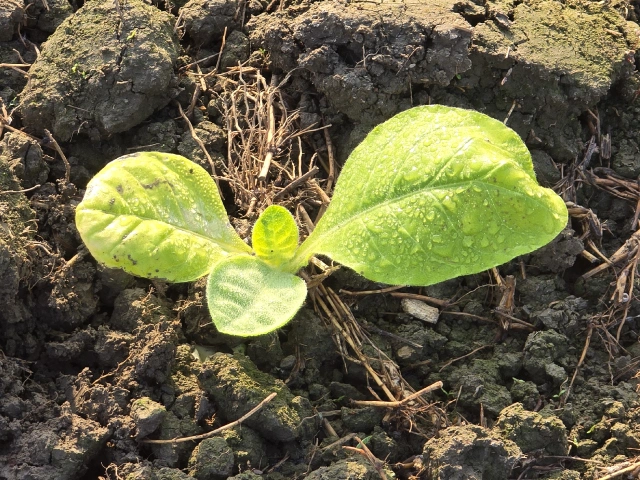
উত্তর: আমার গবেষণাজীবনের অন্যতম স্মরণীয় অভিজ্ঞতা ছিল হাইব্রিড তামাক প্রজননের জন্য একটি স্থিতিশীল মেল-স্টেরাইল লাইন তৈরির কাজ।
অনেক বিশেষজ্ঞই এটিকে দীর্ঘ ও চ্যালেঞ্জিং প্রক্রিয়া হিসেবে বিবেচনা করতেন। কারণ একাধিক প্রজন্ম ধরে মেল স্টেরিলিটি স্থিতিশীল রাখা এবং তা যাচাই করার জন্য ধৈর্য, নির্ভুলতা ও ধারাবাহিক মূল্যায়ন প্রয়োজন।
বেশ কয়েকবার এমন হয়েছে যে কোনো ব্রিডিং লাইন শুরুতে আশাব্যঞ্জক মনে হয়েছে, কিন্তু পরবর্তী পরীক্ষায় তা কাঙ্ক্ষিত মান পূরণ করতে পারেনি। এসব ব্যর্থতা আমাকে শিখিয়েছে যে গবেষণা সাফল্যের দিকে এগিয়ে যাওয়া কোনো সরল পথ নয়। বারবার শেখা, পরিবর্তিত পরিস্থিতির সঙ্গে মানিয়ে নেওয়া এবং অধ্যবসায়ের মধ্য দিয়েই অগ্রগতি আসে।
বছরের পর বছর ধারাবাহিক প্রচেষ্টা এবং গ্রিনহাউসভিত্তিক দ্রুততর ব্রিডিংয়ের পর আমরা সফলভাবে একটি স্থিতিশীল মেল-স্টেরাইল ব্রিডিং লাইন তৈরি করতে সক্ষম হই।
এই অর্জন আমার একটি গুরুত্বপূর্ণ উপলব্ধিকে আরও দৃঢ় করেছে—বৈজ্ঞানিক অগ্রগতি সাধারণত রাতারাতি ঘটে না। কৌতূহল, প্রতিকূলতার মধ্যেও কাজ চালিয়ে যাওয়া এবং ব্যর্থতা থেকে শেখার মানসিকতার ওপরই তা গড়ে ওঠে।
প্রশ্ন: আপনার মতে একজন ভালো বিজ্ঞানীর কী কী গুণ থাকা প্রয়োজন?
উত্তর: আমি মনে করি একজন ভালো বিজ্ঞানীর পাঁচটি গুরুত্বপূর্ণ গুণ থাকা প্রয়োজন।
কৌতূহল: প্রতিনিয়ত প্রশ্ন করা এবং নতুন জ্ঞান অনুসন্ধানের আগ্রহ থাকতে হবে।
সততা: গবেষণা সৎ ও নৈতিকভাবে পরিচালনা করতে হবে।
সমালোচনামূলক চিন্তাশক্তি: প্রমাণকে নিরপেক্ষভাবে মূল্যায়ন করে তথ্যভিত্তিক সিদ্ধান্তে পৌঁছানোর সক্ষমতা থাকতে হবে।
ধৈর্য ও অধ্যবসায়: অর্থবহ বৈজ্ঞানিক আবিষ্কারের জন্য অনেক সময় বছরের পর বছর কাজ করতে হয়।
সহযোগিতা ও বিনয়: আধুনিক বিজ্ঞানের জটিল সমস্যাগুলো ক্রমেই দলগত প্রচেষ্টা ও সম্মিলিত দক্ষতার মাধ্যমে সমাধান করা হচ্ছে।
সর্বোপরি, একজন বিজ্ঞানীর মন উন্মুক্ত থাকা এবং সারাজীবন শেখার প্রতি প্রতিশ্রুতিবদ্ধ থাকা উচিত।
প্রশ্ন: বাংলাদেশের যেসব তরুণ শিক্ষার্থী ভবিষ্যতে বিজ্ঞানী বা গবেষক হতে চায়, তাদের উদ্দেশে আপনার পরামর্শ কী?
উত্তর: বিজ্ঞান শুধু একটি পেশা নয়; এটি চিন্তা করার একটি পদ্ধতি।
কঠিন প্রশ্ন, ব্যর্থতা কিংবা অনিশ্চয়তাকে ভয় পাওয়া উচিত নয়। প্রতিটি অর্থবহ আবিষ্কারের শুরু হয় কৌতূহল এবং শেখার আগ্রহ থেকে। নিজের মৌলিক জ্ঞানের ভিত্তি শক্তিশালী করুন, সমালোচনামূলক চিন্তাশক্তি গড়ে তুলুন এবং ‘কেন’ ও ‘কীভাবে’—এই প্রশ্ন দুটি করা কখনো বন্ধ করবেন না।
গবেষণা অনেক সময় দীর্ঘ একটি যাত্রা, যেখানে বহু প্রতিবন্ধকতা থাকে। কিন্তু অধ্যবসায় এবং ধারাবাহিক শেখার মানসিকতা শেষ পর্যন্ত বিকাশ ও নতুন সুযোগের পথ তৈরি করে।
সবচেয়ে গুরুত্বপূর্ণ বিষয় হলো, বিজ্ঞান শেষ পর্যন্ত বাস্তব জীবনের সমস্যার সমাধান এবং মানুষের জীবনমান উন্নত করার জন্য। আপনি যদি কৌতূহলী থাকেন, পরিশ্রম করেন এবং সততা বজায় রাখেন, তাহলে আপনার কাজ গবেষণাগার কিংবা গবেষণার মাঠের সীমানা ছাড়িয়ে মানুষের জীবনে ইতিবাচক পরিবর্তন আনতে পারে।
🔗 প্রোফাইল লিংক
💼 লিংকডইন: www.linkedin.com
যোগাযোগের তথ্য
📧 ইমেইল: [email protected]
উদ্ভিদ প্রজনন, হাইব্রিড ব্রিডিং এবং কৃষি গবেষণায় ড. মো. সাইফুল ইসলামের কাজ বৈজ্ঞানিক গবেষণাকে বাস্তব কৃষি উৎপাদনের সঙ্গে যুক্ত করার একটি উদাহরণ। বাংলাদেশ, জাপান ও নেদারল্যান্ডসে তাঁর শিক্ষা ও গবেষণার অভিজ্ঞতা উদ্ভিদবিজ্ঞান ও কৃষি গবেষণার বিভিন্ন ক্ষেত্রকে অন্তর্ভুক্ত করেছে। বিশেষ করে উন্নত ও সহনশীল ফসলের জাত উদ্ভাবন এবং দ্রুততর ব্রিডিং পদ্ধতি ভবিষ্যতের টেকসই কৃষির জন্য গুরুত্বপূর্ণ গবেষণাক্ষেত্র।
বিজ্ঞানী অর্গ টিম ড. মো. সাইফুল ইসলামের গবেষণা ও পেশাগত জীবনের ধারাবাহিক সাফল্য কামনা করছে। তাঁর অভিজ্ঞতা ও বিজ্ঞানচর্চা বাংলাদেশের তরুণ শিক্ষার্থী ও ভবিষ্যৎ গবেষকদের বিজ্ঞানমনস্ক চিন্তা ও গবেষণায় উৎসাহিত করুক—এই প্রত্যাশা।
Developing Better Crop Varieties Through Science and Perseverance — A Conversation with Dr. Md Saiful Islam
Dr. Md Saiful Islam is a Bangladeshi plant scientist and plant breeding professional. He currently works in Bangladesh as a Plant Breeding Manager at British American Tobacco (BAT). His professional work includes plant breeding, hybrid development, multi-location field trials, agronomic research and translating research outcomes into practical and commercial applications. His current responsibilities also include managing plant breeding and hybrid development programs and supporting evidence-based decisions through field trials and proof-of-concept studies.
He earned his PhD in Plant Sciences from Ehime University, Japan, and an MSc in Plant Sciences, specializing in Plant Breeding and Genetic Resources, from Wageningen University & Research, the Netherlands. He previously completed an MS in Horticultural Science and a Bachelor of Science in Agriculture at Sher-e-Bangla Agricultural University in Bangladesh.
His research experience covers plant biotechnology, tissue culture, micropropagation, plant physiology, controlled-environment agriculture and experimental design. His academic and professional journey has included research experience in Bangladesh, Japan and the Netherlands. At Wageningen Plant Research, he contributed to research on Panama disease in banana, and he previously served as a Scientific Officer at the Bangladesh Agricultural Research Institute (BARI).
💬 Q&A Session
Question: Please tell us briefly about yourself and the main areas of your research and professional work.
Answer: “Continuous learning, innovation and perseverance are the keys to meaningful progress.” This is a principle that guides my work.
I am a Plant Breeding Manager with experience in developing improved crop varieties and hybrid breeding systems. My work focuses on genetics, breeding innovation, seed quality and delivering practical solutions for agricultural production.
Over the years, I have worked closely with multidisciplinary teams to bridge the gap between scientific research and practical agricultural applications.
My main interests are plant genetics, hybrid breeding, male sterility systems, varietal development and accelerating breeding programs through innovative techniques to improve crop productivity, resilience and sustainability.
Beyond research, I enjoy mentoring young professionals and promoting scientific thinking among the next generation.
Question: Could you explain your research in simple terms?
Answer: My research focuses on plant breeding and crop improvement, which involves developing better crop varieties with desirable characteristics such as higher yield, improved quality, better adaptation to environmental conditions and stronger resistance to diseases.
A major area of my work is hybrid breeding. Hybrid varieties are developed by crossing carefully selected parent plants to combine their best characteristics. One important challenge in hybrid breeding is controlling pollination. To address this, I worked on developing male-sterile lines, which are plants that do not produce viable pollen. This makes hybrid seed production more efficient and reliable.
I am also interested in accelerating breeding cycles through greenhouse-based advancement techniques. By growing multiple generations within a year, breeders can develop new varieties much faster than through traditional field-based methods.
In addition, my work includes seed quality management, varietal evaluation and ensuring that breeding innovations can be successfully translated into commercial agricultural production.
In simple terms, my goal is to use science to develop improved crop varieties that help farmers produce more while maintaining high quality and sustainability.
Question: How can your research contribute to agriculture, farmers and future food security?
Answer: Agriculture remains one of the foundations of food security and rural livelihoods. Improved plant varieties can significantly increase productivity while reducing production risks caused by diseases, climate variability and environmental stress.
My research contributes by developing breeding materials and technologies that support the creation of better-performing crop varieties to improve farmers’ livelihoods.
Hybrid breeding, in particular, can provide higher productivity and more uniform crop performance for vertical expansion. Faster breeding methods can also shorten the time required to deliver improved varieties to farmers and industries, contributing to greater sustainability.
In the future, advances in plant breeding will play a crucial role in addressing global challenges such as climate change, resource scarcity and the increasing demand for agricultural products. By helping develop more resilient and productive crop varieties, plant breeding can contribute to sustainable agricultural systems and improved livelihoods worldwide.
Question: Could you share one of the most memorable experiences from your research career?
Answer: One of the most memorable experiences in my research career was working on the development of a stable male-sterile line for hybrid tobacco breeding.
Many experts considered it a long and challenging process because maintaining stable male sterility across generations requires patience, precision and consistent evaluation.
There were several occasions when breeding lines appeared promising but later failed to meet the desired standards after further testing. These setbacks taught me that research is not a straight path to success. Progress often comes through repeated learning, adaptation and persistence.
After years of continuous effort and greenhouse-based acceleration, we successfully developed a stable male-sterile breeding line.
That achievement reinforced an important lesson: scientific breakthroughs rarely happen overnight. They are built through curiosity, resilience and a willingness to learn from failure.
Question: What qualities do you believe a good scientist should possess?
Answer: I believe a good scientist should possess five key qualities:
Curiosity: A scientist should continuously ask questions and seek new knowledge.
Integrity: Research should always be conducted honestly and ethically.
Critical thinking: A scientist should evaluate evidence objectively and make informed conclusions.
Patience and perseverance: Meaningful discoveries often require years of effort.
Collaboration and humility: Modern scientific challenges are increasingly solved through teamwork and shared expertise.
Above all, a scientist should remain open-minded and committed to learning throughout life.
Question: What advice would you give to young Bangladeshi students who want to become scientists or researchers?
Answer: Science is not merely a profession; it is a way of thinking.
Do not be afraid of difficult questions, failures or uncertainty. Every meaningful discovery begins with curiosity and a willingness to learn. Focus on building strong fundamentals, develop critical thinking skills and never stop asking “why” and “how.”
Research is often a long journey with many obstacles, but persistence and continuous learning will eventually create opportunities for growth and impact.
Most importantly, remember that science is ultimately about solving real-world problems and improving people’s lives. If you stay curious, work hard and maintain integrity, your contributions can make a difference far beyond the laboratory or field.
🔗 Profile Link
💼 LinkedIn: www.linkedin.com
Contact Information
📧 Email: [email protected]
Dr. Md Saiful Islam’s work in plant breeding, hybrid development and agricultural research demonstrates how scientific research can be connected with practical agricultural production. His academic and research experience across Bangladesh, Japan and the Netherlands spans several areas of plant science, while his current work focuses on translating breeding innovation into practical outcomes.
The Biggani.org team wishes Dr. Md Saiful Islam continued success in his research and professional journey. We hope that his experience, perseverance and commitment to scientific thinking will encourage young Bangladeshi students to pursue research and contribute to the future of agriculture and science.




Leave a comment