

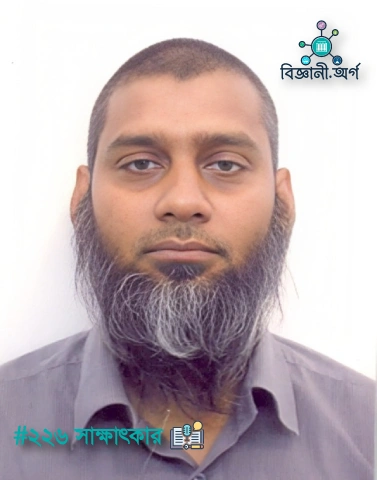
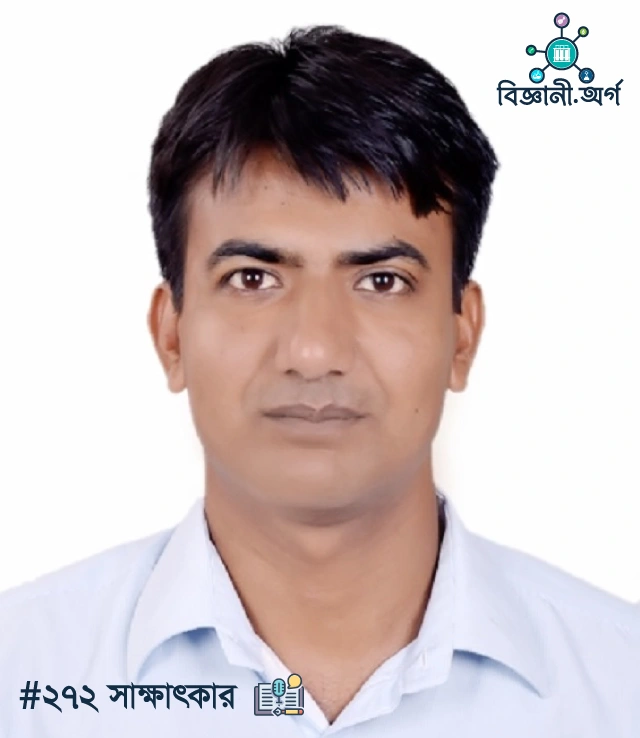
ড. গোলাম মোহাম্মদ একজন বাংলাদেশি কম্পিউটার প্রকৌশলী ও গবেষক, যিনি বর্তমানে King Saud University-এর কম্পিউটার ইঞ্জিনিয়ারিং বিভাগে অধ্যাপক হিসেবে কর্মরত। তিনি ২০০৭ সাল থেকে এই বিশ্ববিদ্যালয়ে যুক্ত আছেন এবং ২০১৭ সাল থেকে পূর্ণ অধ্যাপক হিসেবে দায়িত্ব পালন করছেন। তিনি বাংলাদেশ প্রকৌশল বিশ্ববিদ্যালয় (বুয়েট) থেকে কম্পিউটার বিজ্ঞান ও প্রকৌশলে স্নাতক ডিগ্রি অর্জন করেন। পরবর্তীতে জাপানের Toyohashi University of Technology থেকে Knowledge-based Information Engineering বিষয়ে পিএইচডি সম্পন্ন করেন (২০০১–২০০৬)।
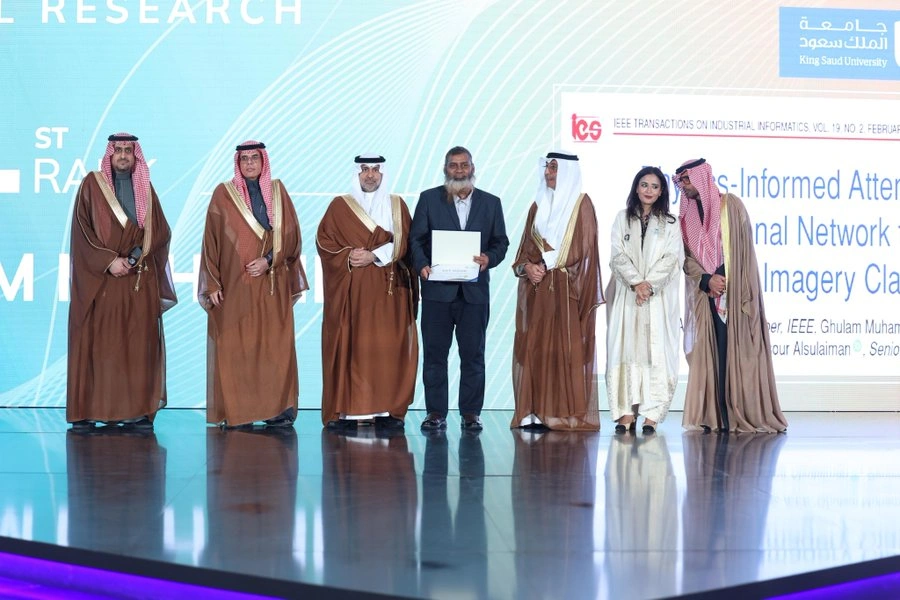
তিনি ২০২৩ সালে Clarivate Analytics-এর Web of Science তালিকায় Highly Cited Researcher হিসেবে স্বীকৃতি লাভ করেন। গবেষণা উৎকর্ষের জন্য তিনি Research, Development and Innovation Authority (RDIA) কর্তৃক “Economies of the Future” বিভাগে Research Excellence (Lifetime Achievement) পুরস্কার অর্জন করেন। তাঁর গবেষণার মূল ক্ষেত্র কৃত্রিম বুদ্ধিমত্তা, মেশিন লার্নিং, সিগন্যাল প্রসেসিং, স্মার্ট স্বাস্থ্যসেবা ও স্মার্ট কৃষি প্রযুক্তি। তিনি তিনটি মার্কিন পেটেন্টের অধিকারী এবং ২০টিরও বেশি স্নাতকোত্তর গবেষণা তত্ত্বাবধান করেছেন। বর্তমানে তিনি সৌদি আরবে কর্মরত।


💬 প্রশ্নোত্তর পর্ব:
প্রশ্ন: প্রথমেই আপনার সম্বন্ধে জানতে চাই।
উত্তর: আমি কম্পিউটার ইঞ্জিনিয়ারিং-এর একজন অধ্যাপক। ২০০৭ সাল থেকে কিং সৌদ বিশ্ববিদ্যালয়ে আছি। আমি বুয়েটের কম্পিউটার বিজ্ঞান ও প্রকৌশল বিভাগ থেকে স্নাতক (ব্যাচ ’৯০)। জাপানের টয়োহাশি ইউনিভার্সিটি অব টেকনোলজি থেকে স্নাতকোত্তর ও পিএইচডি ডিগ্রি অর্জন করেছি।
প্রশ্ন: আপনার গবেষণার বিষয় কী?
উত্তর: আমার গবেষণার আগ্রহের ক্ষেত্র কৃত্রিম বুদ্ধিমত্তা, সিগন্যাল প্রক্রিয়াকরণের বিভিন্ন ব্যবহার, স্মার্ট স্বাস্থ্যসেবা এবং স্মার্ট কৃষি। ২০১৭ সাল থেকে আমি স্ট্রোক রোগীদের পুনর্বাসন নিয়ে কাজ করছি। এখানে মস্তিষ্কের সিগন্যাল (EEG) বিশ্লেষণ করে কৃত্রিম অঙ্গ বা এক্সোস্কেলেটনের মাধ্যমে রোগীদের চলাচলে সহায়তা করা হয়। পাশাপাশি চিকিৎসা সংক্রান্ত ছবি বিশ্লেষণ ও বিভাজন (Medical Image Segmentation) নিয়েও কাজ করেছি।
কৃষি ক্ষেত্রে আমরা স্বয়ংক্রিয়ভাবে চলাচল করতে সক্ষম রোবট তৈরি করেছি, যা গাছের রোগ ও আগাছা শনাক্ত করতে পারে। এছাড়াও খেজুর ফল স্বয়ংক্রিয়ভাবে সংগ্রহের জন্য রোবট উন্নয়ন করেছি। সম্প্রতি কোয়ান্টাম কম্পিউটিং নিয়েও কাজ শুরু করেছি।
প্রশ্ন: আপনার গবেষণার কাজগুলো কীভাবে সমাজকে উপকৃত করছে?
উত্তর: স্ট্রোক রোগীদের পুনর্বাসনের জন্য আমাদের প্রস্তাবিত সমাধান চিকিৎসাকেন্দ্রে বারবার যাওয়ার প্রয়োজন কমাতে পারে। এতে সময় ও ব্যয় উভয়ই কমে। কৃষিক্ষেত্রে আমাদের রোবট প্রযুক্তি শ্রম কমায় এবং উৎপাদন বৃদ্ধি করে। এছাড়া চালকের ক্লান্তি শনাক্তকরণ এবং সড়কের ফাটল শনাক্তকরণ ব্যবস্থা সড়ক দুর্ঘটনা কমাতে সহায়ক হতে পারে।
প্রশ্ন: গবেষণা জীবনের কোনো বিশেষ অভিজ্ঞতা শেয়ার করবেন?
উত্তর: আমার বাবা একজন শিক্ষাবিদ ছিলেন, যা আমাকে শিক্ষাবিদ হতে অনুপ্রাণিত করেছে। জাপানে অধ্যয়নের সময় দেখেছি, অধ্যাপক ও শিক্ষার্থীরা সমাজের জন্য অর্থবহ অবদান রাখার লক্ষ্যে নিরলস পরিশ্রম করেন। সৌদি আরবে এসে গবেষণার একটি শক্ত ভিত্তি পেয়েছি, যা আমার কাজকে আরও বিস্তৃতভাবে এগিয়ে নিতে সহায়তা করেছে।
প্রশ্ন: একজন বিজ্ঞানীর কী গুণ থাকা প্রয়োজন বলে মনে করেন?
উত্তর: গবেষণায় সফল হতে হলে অধ্যবসায় অত্যন্ত গুরুত্বপূর্ণ। ভবিষ্যতে সম্ভাবনাময় গবেষণা ক্ষেত্র চিহ্নিত করে দীর্ঘমেয়াদে ধৈর্য ও নিষ্ঠার সঙ্গে কাজ করে যেতে হবে।
প্রশ্ন: বাংলাদেশের তরুণ শিক্ষার্থীদের জন্য আপনার বার্তা কী?
উত্তর: ফলাফল এক দিনে আসে না। কঠোর পরিশ্রম করতে হবে, সাম্প্রতিক অগ্রগতি সম্পর্কে সচেতন থাকতে হবে এবং সম্ভাবনাময় গবেষণা বিষয় সঠিকভাবে নির্বাচন করতে হবে।
যোগাযোগের তথ্য:
ইমেইল: [email protected]
🔗 প্রোফাইল লিংক
গুগল স্কলার: https://scholar.google.com.sg/citations?user=mmKu4-EAAAAJ&hl=en
লিংকডইন: www.linkedin.com/in/ghulam-muhammad-8536aab
ওয়েবসাইট: https://faculty.ksu.edu.sa/en/ghulam
ড. গোলাম মোহাম্মদের গবেষণা কার্যক্রম প্রযুক্তি, স্বাস্থ্যসেবা ও কৃষিক্ষেত্রে সমন্বিত প্রয়োগের একটি উদাহরণ উপস্থাপন করে। আন্তর্জাতিক অঙ্গনে তাঁর গবেষণা স্বীকৃতি বাংলাদেশের শিক্ষার্থীদের জন্য তাৎপর্যপূর্ণ। বিজ্ঞানী অর্গ টিম তাঁর গবেষণা কার্যক্রমের ধারাবাহিক সাফল্য কামনা করছে। তাঁর কাজ তরুণ প্রজন্মকে বিজ্ঞানচর্চায় মনোনিবেশ করতে অনুপ্রাণিত করুক—এই প্রত্যাশা রইল।
From Artificial Intelligence to Smart Healthcare: A Conversation with Dr. Ghulam Muhammad
Dr. Ghulam Muhammad is a Bangladeshi computer engineer and researcher currently serving as a Professor in the Department of Computer Engineering at King Saud University, Saudi Arabia. He has been affiliated with the university since 2007 and has held the position of full Professor since 2017.
He completed his Bachelor’s degree in Computer Science and Engineering from Bangladesh University of Engineering and Technology (BUET). He later earned his PhD in Knowledge-based Information Engineering (2001–2006) from Toyohashi University of Technology, Japan.
Dr. Muhammad was recognized as a Highly Cited Researcher in 2023 by Clarivate Analytics (Web of Science). He received the Research Excellence (Lifetime Achievement) Award in the “Economies of the Future” category from the Research, Development and Innovation Authority (RDIA). His research focuses on artificial intelligence, machine learning, signal processing, smart healthcare, and smart agriculture. He holds three U.S. patents and has supervised more than 20 graduate theses. He is currently based in Saudi Arabia.
💬 Interview Section:
Question: Could you briefly introduce yourself?
Answer: I am a Professor of Computer Engineering. I have been at King Saud University since 2007. I graduated from BUET in Computer Science and Engineering (Batch ’90). I completed my Master’s and PhD degrees at Toyohashi University of Technology in Japan.
Question: What are your main research interests?
Answer: My research interests include artificial intelligence, various applications of signal processing, smart healthcare, and smart agriculture. Since 2017, I have been working on stroke rehabilitation, where brain signals (EEG) are analyzed to assist patients’ movement through artificial limbs or exoskeletons. I have also worked on medical image analysis and segmentation.
In agriculture, we have developed autonomous robots capable of detecting plant diseases and weeds. We have also developed robots for automated date fruit harvesting. Recently, I have started working on quantum computing, which is considered a promising future computing technology.
Question: How does your research benefit society?
Answer: Our proposed solution for stroke rehabilitation can reduce the need for frequent hospital visits, thereby saving both time and cost. In agriculture, autonomous robots reduce manual labor and increase productivity. We have also developed systems for detecting driver fatigue and road cracks, which may help reduce road accidents and improve transportation safety.
Question: Would you like to share any significant experience from your research journey?
Answer: My father was an educator, which inspired me to pursue an academic career. During my time in Japan, I observed that professors and students worked tirelessly to achieve meaningful contributions for society. In Saudi Arabia, I found a strong research foundation that allowed me to expand my work further.
Question: What qualities are essential for a scientist?
Answer: Perseverance is essential for success in research. One must identify promising research areas for the next five to ten years and work consistently with patience and dedication.
Question: What message would you like to give to young Bangladeshi students interested in science?
Answer: Results do not come overnight. Hard work is necessary. One must stay updated with recent advancements and carefully select promising research topics.
Contact Information:
Email: mailto:[email protected]
🔗 Profile Links
Google Scholar: https://scholar.google.com.sg/citations?user=mmKu4-EAAAAJ&hl=en
LinkedIn: http://www.linkedin.com/in/ghulam-muhammad-8536aab
Website: https://faculty.ksu.edu.sa/en/ghulam
Dr. Ghulam Muhammad’s research demonstrates the integration of advanced computing technologies into healthcare and agriculture. His international recognition reflects the growing contribution of Bangladeshi researchers in global science and technology. The biggani.org team extends its best wishes for his continued success. May his work inspire young Bangladeshi students to pursue research and innovation with dedication and perseverance.


1 Comment