


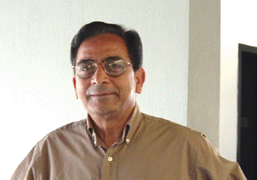
ড. মোহাম্মদ আবু খালেদ পুষ্টি বিজ্ঞানী হিসেবে আমেরিকায় কর্মরত। তিনি তার কর্মজীবন শুরু করেন রাজশাহী ক্যাডেট কলেজে রসায়ন বিভাগের শিক্ষক হিসেবে, যেখানে তিনি প্রথম রসায়ন ল্যাব স্থাপন করেন। পরবর্তীতে তিনি ইংল্যান্ডের লন্ডন বিশ্ববিদ্যালয় থেকে ডক্টরেট ডিগ্রী অর্জন করেন। বর্তমানে তিনি আমেরিকার আলাবামা বিশ্ববিদ্যালয়ে প্রফেসর পদে কর্মরত এবং পুষ্টি বিজ্ঞান ও চিকিৎসা উদ্ভাবন নিয়ে গবেষণা করছেন।
ড. খালেদের গবেষণার প্রধান ক্ষেত্রগুলির মধ্যে রয়েছে ডায়রিয়া, ডায়াবেটিস, ক্যান্সার, বাত রোগ ও মাইগ্রেনের চিকিৎসার জন্য বিভিন্ন যন্ত্র ও ঔষধের উদ্ভাবন। তার উদ্ভাবিত DFBIA যন্ত্র ডায়রিয়া রোগের মাত্রা পরিমাপের জন্য ব্যবহৃত হচ্ছে। এছাড়া তিনি Diabrex, Extend, Rheumadol, Cephpax সহ অন্যান্য ওষুধ উদ্ভাবনে গুরুত্বপূর্ণ ভূমিকা পালন করেছেন। তিনি বাংলাদেশের পাশাপাশি ভারত ও অন্যান্য দেশে গবেষণামূলক কাজ চালাচ্ছেন।

শরীরের ভেতরের গল্প পড়ে যিনি দেখান: মানবপুষ্টি গবেষণায় ড. আবু খালেদের বৈজ্ঞানিক যাত্রা
বাংলাদেশের মতো উন্নয়নশীল দেশে অপুষ্টি, পানিশূন্যতা, সংক্রমণজনিত রোগ ও দীর্ঘমেয়াদি অসুস্থতা—এই চারটি সমস্যা একে অপরের সঙ্গে অদৃশ্য সুতোর মতো জড়িয়ে আছে। চিকিৎসকের চোখে রোগ ধরা পড়ে উপসর্গ দেখে, কিন্তু একজন বিজ্ঞানীর কাজ হলো শরীরের ভেতরের অদৃশ্য পরিবর্তনগুলো পরিমাপ করে বোঝা—কোথায় সমস্যা শুরু হচ্ছে, কীভাবে সেটি ঠেকানো যায়। মানবপুষ্টি গবেষণায় আন্তর্জাতিক পরিসরে যাঁর কাজ বাংলাদেশসহ উন্নয়নশীল বিশ্বের বাস্তব সমস্যার সঙ্গে সরাসরি যুক্ত, তিনি ড. আবু খালেদ। যুক্তরাষ্ট্রের ইউনিভার্সিটি অব আলাবামা অ্যাট বার্মিংহাম মেডিকেল সেন্টারে মানবপুষ্টি (Human Nutrition) নিয়ে দীর্ঘদিন গবেষণা করা এই বিজ্ঞানী নিজের গবেষণার ফল মাঠপর্যায়ে প্রয়োগ করে দেখিয়েছেন—বিজ্ঞান কেবল ল্যাবের দেয়ালে বন্দী থাকলে চলে না, মানুষের জীবনে কাজে লাগলেই তার সার্থকতা।
শেকড় থেকে বিশ্বমঞ্চে: শিক্ষা ও পথচলা
ড. আবু খালেদের জন্ম পশ্চিমবঙ্গে। কলকাতা বিশ্ববিদ্যালয় থেকে রসায়নে স্নাতক শেষ করে আলীগড় মুসলিম বিশ্ববিদ্যালয়ে ফিজিক্যাল কেমিস্ট্রিতে স্নাতকোত্তর করেন। ১৯৬৬ সালে তৎকালীন পূর্ব পাকিস্তানে এসে রাজশাহী ক্যাডেট কলেজের প্রথম ব্যাচের শিক্ষক হিসেবে যুক্ত হন এবং সেখানে কেমিস্ট্রি বিভাগ গড়ে তোলার কাজেও নেতৃত্ব দেন। শিক্ষকতার পাশাপাশি মেধার স্বীকৃতিস্বরূপ আমেরিকান সরকার-সমর্থিত প্রশিক্ষণ কর্মসূচির সুযোগ পান এবং ১৯৭০ সালে যুক্তরাষ্ট্রে যান।
দেশের অস্থির সময় পেরিয়ে কলম্বো প্ল্যান স্কলারশিপে লন্ডন বিশ্ববিদ্যালয়ে বায়োফিজিক্সে পিএইচডি করেন। গবেষণার সময় নিউক্লিয়ার ম্যাগনেটিক রেজোন্যান্স (NMR)—এক ধরনের আধুনিক পরিমাপ পদ্ধতি—ব্যবহার করে অণুস্তরের গঠন বিশ্লেষণ করেন এবং উল্লেখযোগ্য সংখ্যক গবেষণাপত্র প্রকাশ করেন। পরবর্তী সময়ে ইউনিভার্সিটি অব আলাবামা অ্যাট বার্মিংহামে পোস্টডক্টরাল গবেষক হিসেবে যোগ দিয়ে দ্রুতই শিক্ষকতায় স্থায়ী পদ লাভ করেন। বায়োকেমিস্ট্রি থেকে মানবপুষ্টি বিভাগে স্থানান্তরিত হয়ে তিনি পুষ্টিবিজ্ঞানের সঙ্গে আধুনিক পরিমাপ প্রযুক্তির সেতুবন্ধন ঘটান। অ্যান্টি-ক্যানসার ওষুধ উন্নয়নে তাঁর গবেষণা থেকে একটি প্যাটেন্টও অর্জিত হয়।
মানবপুষ্টি কী—সহজ ভাষায়
মানবপুষ্টি মানে কেবল কী খেলে শরীর ভালো থাকে—এতটুকু নয়। এতে শরীরে পানি, চর্বি, প্রোটিনের ভারসাম্য; ভিটামিন ও খনিজের ভূমিকা; রোগের সময় শরীরের শক্তি খরচ—সবকিছুই বোঝা হয়। যেমন, মোবাইল ফোন চালাতে ব্যাটারির চার্জ যেমন দরকার, তেমনি মানুষের শরীর চালাতে দরকার শক্তি; আর সেই শক্তি আসে খাবার থেকে। ড. আবু খালেদ এই বিষয়গুলোকে একত্র করে ‘বডি কম্পোজিশন অ্যান্ড এনার্জি মেটাবলিজম’ নামে একটি কোর্সও চালু করেন।
শরীরের ভেতরের পানি মাপা: BIA পদ্ধতির গল্প
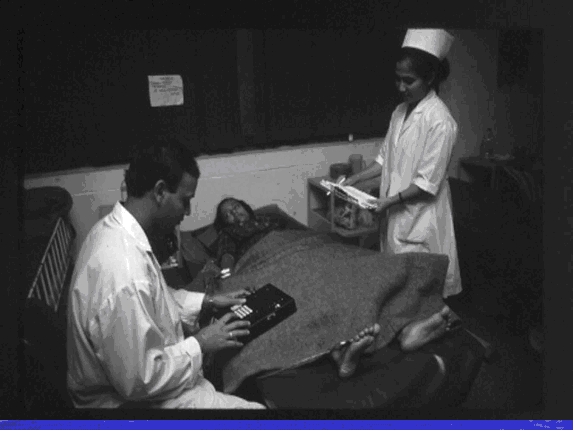
ড. আবু খালেদের সবচেয়ে উল্লেখযোগ্য অবদান হলো শরীরের ভেতরের পানি ও চর্বির পরিমাণ নির্ণয়ে নন-ইনভেসিভ পদ্ধতি উদ্ভাবন। নন-ইনভেসিভ মানে শরীরে কোনো কাটাছেঁড়া না করেই মাপা যায়। তাঁর উন্নত করা Bioelectrical Impedance Analysis (BIA) পদ্ধতিতে খুব সামান্য বৈদ্যুতিক প্রবাহ শরীরের ভেতর দিয়ে প্রবাহিত করা হয়। শরীরের পানি ও ইলেকট্রোলাইট এই প্রবাহ সহজে বহন করে, কিন্তু চর্বি বাধা সৃষ্টি করে। এই বাধার মাত্রা হিসাব করেই বোঝা যায় শরীরে পানি ও চর্বির অনুপাত।
১৯৮৮ সালে আইসিডিডিআরবি-তে শিশুদের ওপর এই পদ্ধতির ব্যবহার শুরু হয়। ডায়রিয়া বা কলেরার কারণে শরীরে যে পানিশূন্যতা হয়, তা কতটা মারাত্মক—এই যন্ত্র দিয়ে দ্রুত ও নির্ভুলভাবে বোঝা সম্ভব হয়েছে। এতে চিকিৎসকেরা প্রয়োজন অনুযায়ী সঠিক মাত্রায় তরল দিতে পারেন; বেশি দিলে ফুসফুসে পানি জমার ঝুঁকি থাকে—সেটিও এড়ানো যায়। পরবর্তী গবেষণায় প্রিম্যাচিউর শিশুর বেঁচে থাকার সম্ভাবনাও আগেভাগে আন্দাজ করা গেছে।
এই প্রযুক্তিকে আরও সহজলভ্য করতে ড. খালেদের লক্ষ্য—৭–৮ হাজার ডলারের যন্ত্রকে ৫০০ ডলারের মধ্যে নামিয়ে আনা, পোর্টেবল ও সৌরশক্তিচালিত করা, যাতে গ্রামাঞ্চলেও ব্যবহার সম্ভব হয়।
সংক্রমণ থেকে দীর্ঘমেয়াদি রোগ: H. pylori গবেষণা
বাংলাদেশে জন্মের কয়েক মাসের মধ্যেই বহু শিশু Helicobacter pylori ব্যাকটেরিয়ায় আক্রান্ত হয়; প্রাপ্তবয়স্কদের মধ্যে এর হার আরও বেশি। এটি আলসার ও গ্যাস্ট্রিক সমস্যার জন্য দায়ী। ড. আবু খালেদের গবেষণা এই সংক্রমণের সঙ্গে হৃদরোগ, ডায়াবেটিস বা স্ট্রোকের সম্ভাব্য সম্পর্ক খুঁজছে। কারণ দীর্ঘদিনের সংক্রমণে শরীরে প্রদাহ (inflammation) তৈরি হয়, যা আজকের দিনে দীর্ঘমেয়াদি রোগের একটি বড় কারণ হিসেবে ধরা হয়। তিনি যুক্তরাষ্ট্রে আফ্রিকান-আমেরিকান জনগোষ্ঠীর মধ্যেও এই সম্পর্ক নিয়ে গবেষণা করছেন।
বাংলাদেশের বাস্তবতা: লবণ-চিনি ও সচেতনতার সংকট
বাংলাদেশের প্রেক্ষাপটে ড. আবু খালেদ মনে করেন, স্বাস্থ্যবিধি ও পুষ্টি সম্পর্কে সচেতনতার অভাব বড় সমস্যা। খাবারে অতিরিক্ত লবণ ও চিনি—তিনি যাকে বলেন ‘S and S’—দীর্ঘমেয়াদে ডায়াবেটিস, উচ্চ রক্তচাপের ঝুঁকি বাড়ায়। এক থালা ভাতের সঙ্গে অতিরিক্ত কার্বোহাইড্রেটের অভ্যাস শরীরে চিনি জমিয়ে বিপদ বাড়ায়। একই সঙ্গে H. pylori সংক্রমণ মায়েদের রক্তস্বল্পতা বাড়াতে পারে, কারণ এই ব্যাকটেরিয়া শরীরের আয়রন শোষণ করে নেয়—যা অ্যান্টিবায়োটিকে চিকিৎসাযোগ্য।
ভবিষ্যৎ দৃষ্টি ও তরুণদের জন্য বার্তা
ড. আবু খালেদের গবেষণা কেবল ল্যাবের সাফল্যে থেমে নেই; তাঁর স্বপ্ন প্রযুক্তিকে মাঠপর্যায়ে পৌঁছে দেওয়া। উন্নয়নশীল দেশের প্রেক্ষাপটে কম খরচে কার্যকর প্রযুক্তি উদ্ভাবনই তাঁর লক্ষ্য। তরুণদের উদ্দেশে তাঁর বার্তা স্পষ্ট—বিজ্ঞান মানে কেবল ডিগ্রি নয়, সমাজের সমস্যার সমাধানে যুক্ত হওয়া। বিদেশে কাজ করলেও দেশের মানুষের প্রয়োজন মাথায় রাখাই একজন বিজ্ঞানীর বড় দায়িত্ব।
বাংলাদেশের মাটিতে দাঁড়িয়ে আন্তর্জাতিক মানের গবেষণায় অবদান রাখা ড. আবু খালেদের পথচলা তরুণদের জন্য এক শক্ত প্রেরণা। তাঁর কাজ মনে করিয়ে দেয়—বিজ্ঞান যখন মানুষের দৈনন্দিন জীবনের সঙ্গে যুক্ত হয়, তখনই তা জাতির গর্বে পরিণত হয়।
English Text:
Reading the Body from Within: Dr. Abu Khaled’s Scientific Journey in Human Nutrition
In countries like Bangladesh, malnutrition, dehydration, infection, and chronic disease are tightly interwoven challenges. Clinicians often diagnose illness by visible symptoms, but a scientist’s task is to measure what is invisible inside the body—how water, fat, and nutrients change, where imbalance begins, and how timely intervention can save lives. Dr. Abu Khaled, a Bangladeshi-origin scientist working at the University of Alabama at Birmingham (UAB) Medical Center, has devoted his career to precisely this intersection of human nutrition, physiology, and practical technology. His work stands out not only for its scientific rigor but also for its real-world relevance to low-resource settings like Bangladesh.
From Roots to the Global Stage: Education and Early Career
Born in West Bengal, Dr. Khaled completed his bachelor’s degree in Chemistry at the University of Calcutta and later earned a master’s degree in Physical Chemistry from Aligarh Muslim University. In 1966, he moved to what was then East Pakistan and joined Rajshahi Cadet College as one of the first batch of teachers, where he helped establish the Chemistry department. His academic excellence led to opportunities for advanced training abroad, and in 1970 he traveled to the United States under a government-supported training program.
Amid the political upheavals of the early 1970s, Dr. Khaled secured the Colombo Plan Scholarship and completed his PhD in Biophysics at the University of London. During his doctoral research, he worked extensively with Nuclear Magnetic Resonance (NMR), a powerful technique for studying molecular structure, and published a significant number of scientific papers. In 1975, he joined UAB as a postdoctoral researcher under Dr. Dan Urry, quickly building a strong publication record. He was soon offered a faculty position, initially in Biochemistry and later in the Department of Human Nutrition. His early work at UAB also contributed to anticancer drug development, leading to a patent—an early indicator of his ability to translate basic science into applied innovation.
What Is Human Nutrition—In Simple Terms
Human nutrition goes far beyond the question of “what should we eat.” It examines how the body is composed—how much water, fat, protein, vitamins, and minerals it contains—and how energy is produced and spent, especially during illness. Dr. Khaled developed and taught a course on “Body Composition and Energy Metabolism,” helping students understand how the body’s internal balance changes in health and disease. Just as a smartphone depends on battery power to function, the human body depends on energy derived from food; when illness strikes, that energy balance can change dramatically, sometimes with life-threatening consequences.
Measuring What the Eye Cannot See: The BIA Breakthrough
One of Dr. Khaled’s most impactful contributions is the development and field application of non-invasive methods to measure body composition—particularly body water and fat. His work with Bioelectrical Impedance Analysis (BIA) provided a simple yet powerful way to assess hydration status. The principle is straightforward: a very small electrical current passes through the body. Tissues rich in water and electrolytes conduct electricity easily, while fat offers resistance. By measuring this resistance, clinicians can estimate how much water and fat the body contains.
In 1988, Dr. Khaled and his collaborators introduced BIA in Bangladesh at icddr,b, applying it to children suffering from diarrhea and cholera. Dehydration is one of the leading causes of death in such cases. The BIA method enabled rapid and accurate assessment of the severity of dehydration—mild, moderate, or severe—allowing clinicians to tailor fluid therapy more precisely. This reduced the risks of both under-treatment and overhydration, the latter of which can cause fluid accumulation in the lungs. Subsequent studies extended this approach to premature infants, helping predict survival outcomes. The method is now moving toward patenting, highlighting its global significance.
From Infection to Chronic Disease: Research on H. pylori
Another major strand of Dr. Khaled’s work focuses on Helicobacter pylori, a bacterial infection that affects a large proportion of the Bangladeshi population early in life. This bacterium is known to cause gastritis and peptic ulcers. Dr. Khaled’s research explores whether chronic H. pylori infection is also linked to long-term conditions such as heart disease, diabetes, and stroke. The underlying idea is inflammation: persistent infection leads to chronic inflammation, which is now recognized as a central driver of many non-communicable diseases. His ongoing studies among African American populations in Birmingham seek to better understand these broader health implications.
Bangladesh in Focus: Salt, Sugar, and Public Awareness
Reflecting on Bangladesh’s public health challenges, Dr. Khaled emphasizes two major gaps: hygiene and nutritional awareness. Diets high in salt and sugar—what he calls the “S and S” problem—contribute significantly to hypertension, diabetes, and cardiovascular disease. High carbohydrate intake, common in traditional diets, can further exacerbate these risks when combined with excessive salt and sugar. He also points out that H. pylori infection can worsen anemia in mothers, as the bacteria interfere with iron absorption—an issue that can often be addressed with appropriate antibiotic treatment.
Looking Ahead: Technology for the Last Mile
Dr. Khaled’s vision is firmly rooted in accessibility. While BIA devices currently cost several thousand dollars, he aims to develop a portable, solar-powered version priced within reach of rural clinics—around USD 500. Such a device could function even in areas without reliable electricity, making advanced diagnostic capability available to the most underserved populations.
A Message for the Next Generation
For young Bangladeshi students aspiring to careers in science, Dr. Khaled’s journey carries a clear message: science is not only about degrees, laboratories, or publications. Its highest purpose lies in solving real problems faced by society. Even when working abroad, maintaining a commitment to the needs of one’s home country can turn research into meaningful impact.
Dr. Abu Khaled’s career exemplifies how rigorous science, when guided by social responsibility, can become a source of national pride—and a powerful inspiration for the next generation of researchers.










Leave a comment