


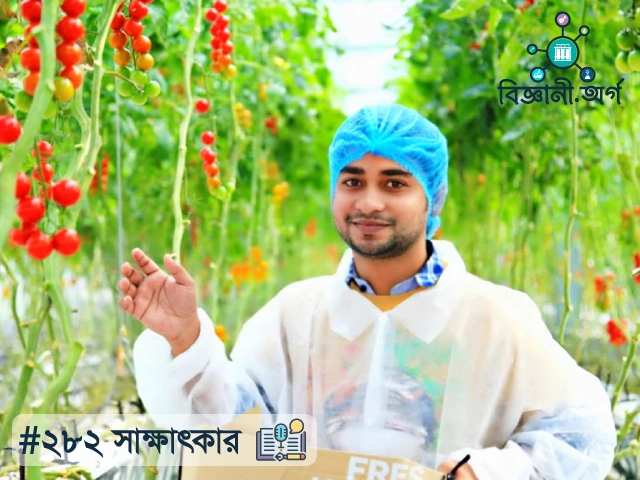
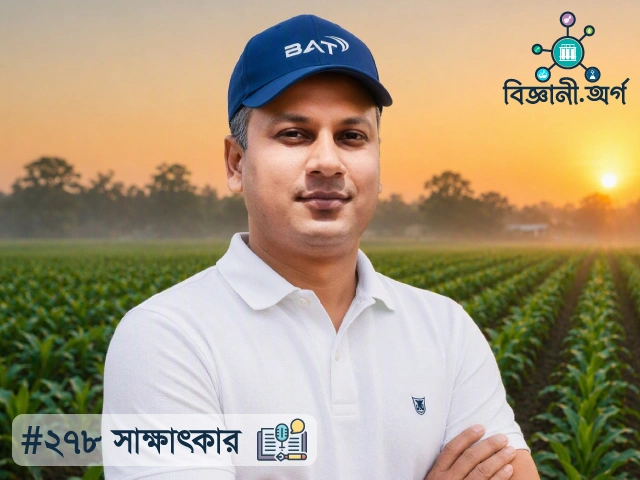
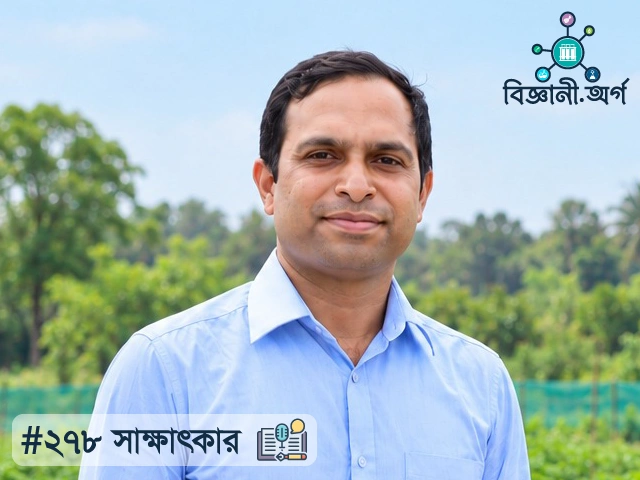
হাসিব বিন সাইফ বাংলাদেশের একজন কৃষিবিজ্ঞানী ও গবেষক, যিনি বর্তমানে বাংলাদেশ কৃষি গবেষণা ইনস্টিটিউটের (Bangladesh Agricultural Research Institute—BARI) পরিকল্পনা ও মূল্যায়ন উইংয়ে বৈজ্ঞানিক কর্মকর্তা (কৃষিতত্ত্ব) হিসেবে কর্মরত। ২০১৩ সালের আগস্ট মাসে তিনি এ প্রতিষ্ঠানে যোগদান করেন। দীর্ঘ কর্মজীবনে তিনি কৃষি গবেষণা, প্রকল্প পরিকল্পনা, বাস্তবায়ন, পরিবীক্ষণ ও মূল্যায়নের সঙ্গে যুক্ত রয়েছেন।
তিনি গাজীপুর কৃষি বিশ্ববিদ্যালয় থেকে কৃষিবিজ্ঞানে স্নাতক এবং কৃষিতত্ত্বে (Agronomy) স্নাতকোত্তর ডিগ্রি অর্জন করেছেন। বর্তমানে বাংলাদেশের কৃষি মন্ত্রণালয়ের অর্থায়নে PARTNER Fellowship Scholarship-এর আওতায় মালয়েশিয়ার ইউনিভার্সিটি পুত্রা মালয়েশিয়ায় (Universiti Putra Malaysia—UPM) শস্যবিজ্ঞানে (Crop Science) পিএইচডি গবেষণা করছেন।

তাঁর বর্তমান গবেষণার প্রধান বিষয় হলো প্রাকৃতিকভাবে পাওয়া 2-undecanone নামের একটি যৌগ ব্যবহার করে পরিবেশবান্ধব জৈব আগাছানাশক (Bioherbicide) উদ্ভাবন। এ গবেষণায় আগাছা দমনের কার্যকারিতা, মাটিতে আগাছানাশকের আচরণ, ফসলের উৎপাদনশীলতা এবং সম্ভাব্য ক্ষতিকর প্রভাব মূল্যায়ন করা হচ্ছে।
পেশাগত জীবনে তিনি ৪০টির বেশি গবেষণা কর্মসূচি প্রণয়ন, তত্ত্বাবধান ও বাস্তবায়ন করেছেন এবং ২০টি বৈজ্ঞানিক গবেষণাপত্র প্রকাশ করেছেন। বাংলাদেশ কৃষি গবেষণা ইনস্টিটিউটের পাঁচটি গুরুত্বপূর্ণ উন্নয়ন প্রকল্প প্রস্তাব (DPP) প্রস্তুত করতেও তিনি অবদান রেখেছেন।
কৃষিবিজ্ঞান, আগাছাবিজ্ঞান, টেকসই কৃষি ও কৃষি গবেষণা ব্যবস্থাপনা তাঁর বিশেষ আগ্রহের ক্ষেত্র। বৈজ্ঞানিক গবেষণার ফলাফল কৃষকের বাস্তব সমস্যার সমাধানে কাজে লাগানোই তাঁর দীর্ঘমেয়াদি লক্ষ্য।
💬 প্রশ্নোত্তর পর্ব
প্রশ্ন ১: আপনার শিক্ষাগত ও পেশাগত পটভূমি সম্পর্কে সংক্ষেপে বলুন। বর্তমানে কোথায় কাজ করছেন এবং কী নিয়ে গবেষণা করছেন?
উত্তর: আমি বাংলাদেশ কৃষি গবেষণা ইনস্টিটিউটের (BARI) একজন বৈজ্ঞানিক কর্মকর্তা (কৃষিতত্ত্ব)। ২০১৩ সালের ৭ আগস্ট আমি এ প্রতিষ্ঠানে যোগদান করি। এরপর থেকে কৃষি গবেষণা, গবেষণা প্রকল্পের পরিকল্পনা, ব্যবস্থাপনা, পরিবীক্ষণ ও মূল্যায়নের সঙ্গে যুক্ত রয়েছি।
বাংলাদেশ কৃষি গবেষণা ইনস্টিটিউটের সরেজমিন গবেষণা বিভাগ (On-Farm Research Division) এবং পরিকল্পনা ও মূল্যায়ন উইংয়ে কাজ করার অভিজ্ঞতা রয়েছে আমার।
আমি গাজীপুর কৃষি বিশ্ববিদ্যালয় থেকে কৃষিবিজ্ঞানে স্নাতক এবং কৃষিতত্ত্বে স্নাতকোত্তর ডিগ্রি অর্জন করেছি। বর্তমানে মালয়েশিয়ার ইউনিভার্সিটি পুত্রা মালয়েশিয়ায় শস্যবিজ্ঞানে পিএইচডি গবেষণা করছি। বাংলাদেশের কৃষি মন্ত্রণালয়ের অর্থায়নে PARTNER Fellowship Scholarship-এর আওতায় এ গবেষণা পরিচালনা করছি।
আমার গবেষণার মূল বিষয় হলো পরিবেশবান্ধব জৈব আগাছানাশক উদ্ভাবন এবং কৃষিক্ষেত্রে এর সম্ভাব্য ব্যবহার ও কার্যকারিতা মূল্যায়ন করা।
পেশাগত জীবনে আমি ৪০টির বেশি গবেষণা কর্মসূচি প্রণয়ন, তত্ত্বাবধান ও বাস্তবায়ন করেছি। পাশাপাশি ২০টি বৈজ্ঞানিক গবেষণাপত্র প্রকাশ করেছি এবং পাঁচটি গুরুত্বপূর্ণ উন্নয়ন প্রকল্প প্রস্তাব তৈরিতে অবদান রেখেছি।
এ ছাড়া দেশে ৩২টি এবং আন্তর্জাতিক পর্যায়ে ছয়টি প্রশিক্ষণ ও পেশাগত কার্যক্রমে অংশ নিয়েছি। এর মধ্যে নেদারল্যান্ডসের Wageningen University & Research, Egyptian International Centre for Agriculture এবং মালয়েশিয়ার Universiti Putra Malaysia-তে অংশগ্রহণের অভিজ্ঞতা রয়েছে।
আমার মূল আগ্রহ হলো বৈজ্ঞানিক গবেষণার সঙ্গে বাস্তব কৃষি উন্নয়নের সংযোগ তৈরি করা, যাতে গবেষণার ফলাফল সরাসরি কৃষক ও কৃষি খাতের কল্যাণে কাজে লাগে।
প্রশ্ন ২: আপনার গবেষণার প্রধান ক্ষেত্র কী? বর্তমানে যে জৈব আগাছানাশক নিয়ে গবেষণা করছেন, সেটি কীভাবে কাজ করার কথা এবং আপনার গবেষণায় কোন বিষয়গুলো পরীক্ষা করছেন?
উত্তর: আমার বর্তমান গবেষণার প্রধান লক্ষ্য হলো কৃষিক্ষেত্রে টেকসই আগাছা ব্যবস্থাপনার জন্য একটি নতুন পরিবেশবান্ধব জৈব আগাছানাশক উদ্ভাবন করা। মালয়েশিয়ার ইউনিভার্সিটি পুত্রা মালয়েশিয়ায় পিএইচডি গবেষণার অংশ হিসেবে আমি এ কাজ করছি।
কৃষি উৎপাদনের ক্ষেত্রে আগাছা অন্যতম বড় সমস্যা। আগাছা ফসলের সঙ্গে সূর্যালোক, পানি, পুষ্টি উপাদান ও জায়গার জন্য প্রতিযোগিতা করে। এর ফলে ফসলের স্বাভাবিক বৃদ্ধি বাধাগ্রস্ত হয় এবং উৎপাদন কমে যেতে পারে।
আগাছা দমনের জন্য কৃষকেরা সাধারণত রাসায়নিক আগাছানাশক ব্যবহার করেন। কিন্তু প্রচলিত রাসায়নিক আগাছানাশকের অতিরিক্ত বা বারবার ব্যবহার পরিবেশদূষণ, আগাছার মধ্যে আগাছানাশক প্রতিরোধক্ষমতা তৈরি এবং মাটির স্বাস্থ্য ও অন্যান্য জীবের ওপর সম্ভাব্য ক্ষতিকর প্রভাব সৃষ্টি করতে পারে।
আমার গবেষণার উদ্দেশ্য হলো আরও টেকসই একটি বিকল্প অনুসন্ধান করা। এ জন্য আমি প্রাকৃতিক উৎস থেকে পাওয়া উপাদান ব্যবহার করে জৈব আগাছানাশক তৈরির চেষ্টা করছি।
বিশেষভাবে আমি 2-undecanone নামের একটি প্রাকৃতিক যৌগ নিয়ে কাজ করছি। এটি নির্দিষ্ট কিছু উদ্ভিদে প্রাকৃতিকভাবে পাওয়া যায়। এই যৌগ ব্যবহার করে আমি একটি নতুন আগাছানাশক ফর্মুলেশন বা উপাদানের মিশ্রণ তৈরি করছি।
ফর্মুলেশন বলতে এমনভাবে বিভিন্ন উপাদান মিশিয়ে একটি কার্যকর প্রস্তুতি তৈরিকে বোঝায়, যাতে সক্রিয় যৌগটি সংরক্ষণের সময় স্থিতিশীল থাকে, পানির সঙ্গে সঠিকভাবে মিশতে পারে এবং আগাছায় প্রয়োগের পর কার্যকরভাবে কাজ করতে পারে।
আমার গবেষণায় মূলত চারটি গুরুত্বপূর্ণ বিষয় নিয়ে কাজ করা হচ্ছে।
প্রথমত, ফর্মুলেশন তৈরি ও এর স্থিতিশীলতা যাচাই। অর্থাৎ এমন একটি আগাছানাশক তৈরি করা, যা সংরক্ষণ ও প্রয়োগের সময় এর ভৌত ও রাসায়নিক বৈশিষ্ট্য বজায় রাখতে পারে।
দ্বিতীয়ত, আগাছা দমনের কার্যকারিতা মূল্যায়ন। নতুন জৈব আগাছানাশকটি ঘাসজাতীয়, মুথাজাতীয় এবং চওড়া পাতার আগাছাসহ বিভিন্ন প্রজাতির আগাছা কতটা কার্যকরভাবে নিয়ন্ত্রণ করতে পারে, তা পরীক্ষা করা হচ্ছে।
তৃতীয়ত, মাটিতে আগাছানাশকের কার্যকারিতা ও পরিবেশগত আচরণ পর্যবেক্ষণ। আগাছানাশকটি মাটিতে কত দিন স্থায়ী হয়, এর কোনো অবশিষ্টাংশ থেকে যায় কি না এবং মাটির পরিবেশের ওপর কী ধরনের সম্ভাব্য প্রভাব পড়তে পারে, তা অনুসন্ধান করছি।
চতুর্থত, ফসলের নিরাপত্তা ও ফাইটোটক্সিসিটি মূল্যায়ন। আগাছানাশকটি প্রয়োগের ফলে মূল ফসলের কোনো অনাকাঙ্ক্ষিত ক্ষতি হয় কি না, সেটিও পরীক্ষা করা হচ্ছে। ফাইটোটক্সিসিটি (Phytotoxicity) বলতে কোনো পদার্থের কারণে উদ্ভিদের ওপর সৃষ্ট ক্ষতিকর প্রভাবকে বোঝায়।
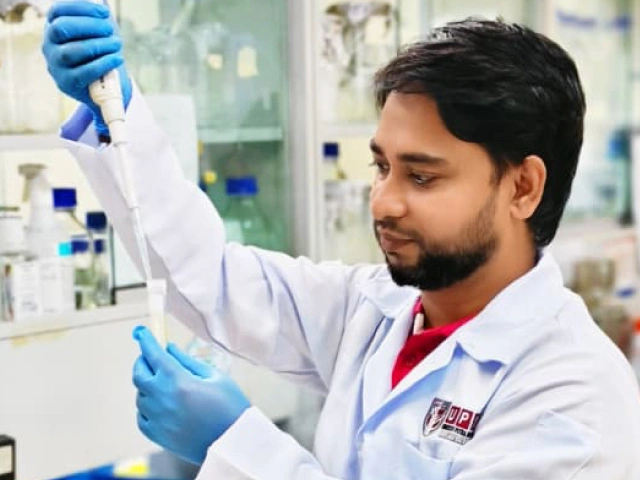
এসব বিষয় যাচাই করার জন্য আমি গবেষণাগারে পরীক্ষা, গ্লাসহাউসে নিয়ন্ত্রিত পরিবেশে পরীক্ষা এবং উন্মুক্ত মাঠপর্যায়ে পরীক্ষা পরিচালনা করছি।
গবেষণাগারের পরীক্ষার মাধ্যমে ফর্মুলেশনের বৈশিষ্ট্য সম্পর্কে ধারণা পাওয়া যায়। গ্লাসহাউসের পরীক্ষায় নিয়ন্ত্রিত পরিবেশে উদ্ভিদের প্রতিক্রিয়া মূল্যায়ন করা সম্ভব হয়। অন্যদিকে মাঠপর্যায়ের পরীক্ষার মাধ্যমে বাস্তব কৃষি পরিবেশে আগাছানাশকটির কার্যকারিতা যাচাই করা যায়।
আমার গবেষণার চূড়ান্ত লক্ষ্য হলো এমন একটি কার্যকর, নির্ভরযোগ্য ও পরিবেশগতভাবে দায়িত্বশীল আগাছা ব্যবস্থাপনা পদ্ধতি উদ্ভাবন করা, যা প্রচলিত কৃত্রিম রাসায়নিক আগাছানাশকের ওপর নির্ভরতা কমাতে সাহায্য করবে। একই সঙ্গে এটি ফসলের উৎপাদনশীলতা এবং টেকসই কৃষিব্যবস্থাকে সমর্থন করবে বলে আমি আশা করি।
প্রশ্ন ৩: আপনার গবেষণা কেন গুরুত্বপূর্ণ? এটি কৃষক, সমাজ, পরিবেশ কিংবা ভবিষ্যৎ প্রজন্মের জন্য কী ধরনের অবদান রাখতে পারে?
উত্তর: আমার গবেষণার লক্ষ্য হলো এমন একটি পরিবেশবান্ধব জৈব আগাছানাশক উদ্ভাবন করা, যা কার্যকরভাবে আগাছা নিয়ন্ত্রণ করতে পারবে এবং একই সঙ্গে প্রচলিত রাসায়নিক আগাছানাশকের ওপর নির্ভরতা কমাতে সহায়তা করবে।
এ ধরনের উদ্ভাবন কৃষকদের আগাছার কারণে ফসলের ক্ষতি কমাতে এবং কৃষি উৎপাদনশীলতা বাড়াতে সাহায্য করতে পারে।
পাশাপাশি মাটির স্বাস্থ্য, পানির গুণগত মান এবং সামগ্রিক পরিবেশের ওপর সম্ভাব্য ক্ষতিকর প্রভাব কমানোর ক্ষেত্রেও এটি ভূমিকা রাখতে পারে।
আমার গবেষণা টেকসই আগাছা ব্যবস্থাপনার জন্য কৃষকদের সামনে একটি অতিরিক্ত বিকল্প তৈরি করতে পারে। এর ফলে আরও নিরাপদ ও টেকসই কৃষিচর্চার সুযোগ সৃষ্টি হতে পারে।
দীর্ঘমেয়াদে আমি আশা করি, এ গবেষণার ফলাফল খাদ্যনিরাপত্তা নিশ্চিত করা, কৃষকদের জীবনমান উন্নয়ন এবং টেকসই কৃষির প্রসারে অবদান রাখবে।
বিশেষ করে বাংলাদেশের মতো উন্নয়নশীল দেশে, যেখানে কৃষি মানুষের জীবন ও জীবিকার সঙ্গে গভীরভাবে সম্পর্কিত, সেখানে এ ধরনের পরিবেশবান্ধব প্রযুক্তি গুরুত্বপূর্ণ ভূমিকা রাখতে পারে বলে আমি মনে করি।
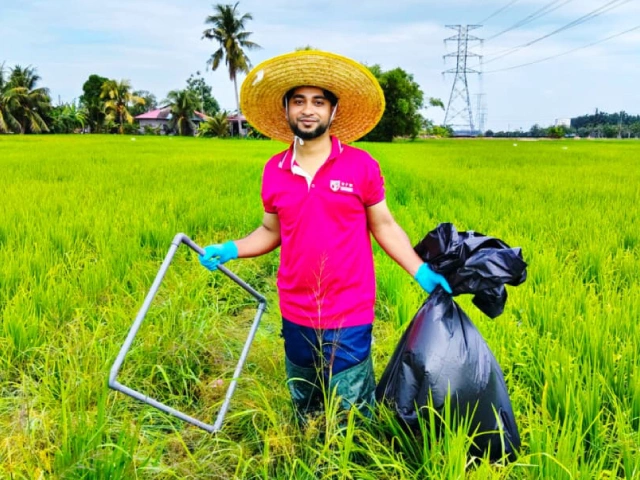
প্রশ্ন ৪: আপনার গবেষণাজীবনের সবচেয়ে স্মরণীয় বা অনুপ্রেরণাদায়ক অভিজ্ঞতা কোনটি?
উত্তর: আমার গবেষণাজীবনের সবচেয়ে স্মরণীয় অভিজ্ঞতাগুলোর একটি হলো, আমার তৈরি নতুন জৈব আগাছানাশক ব্যবহার করে গ্লাসহাউস ও উন্মুক্ত মাঠপর্যায়ের পরীক্ষায় আশাব্যঞ্জক ফলাফল দেখতে পাওয়া।
কয়েক মাস ধরে ফর্মুলেশন তৈরি, গবেষণাগারে পরীক্ষা এবং বিভিন্ন পরীক্ষামূলক কার্যক্রম পরিচালনার পর যখন দেখলাম এটি বিভিন্ন প্রজাতির আগাছা দমনে কার্যকারিতা দেখাচ্ছে, তখন সত্যিই অনেক আনন্দ ও সন্তুষ্টি অনুভব করেছি।
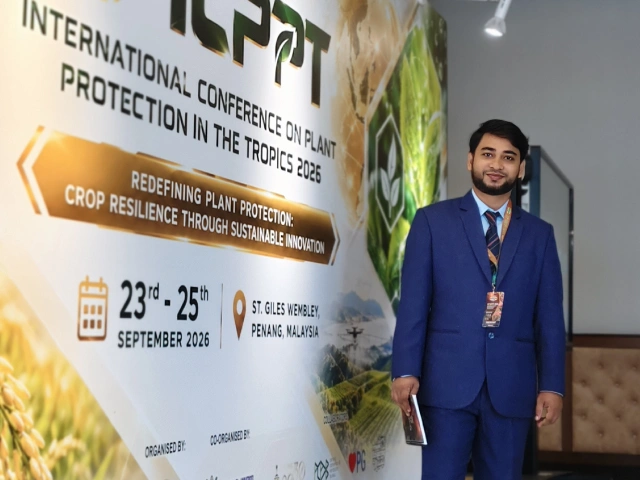
আমার আরেকটি গর্বের মুহূর্ত ছিল ২০২৬ সালে মালয়েশিয়ায় অনুষ্ঠিত ১৩তম International Conference on Plant Protection in the Tropics (ICPPT 2026) সম্মেলনে গবেষণার ফলাফল উপস্থাপন করা।
সেখানে আন্তর্জাতিক পর্যায়ের গবেষকদের সঙ্গে আমার গবেষণা নিয়ে আলোচনা করার এবং তাঁদের কাছ থেকে মূল্যবান মতামত পাওয়ার সুযোগ হয়েছিল।
এই অভিজ্ঞতাগুলো আমার আত্মবিশ্বাস বাড়িয়েছে, গবেষণার চ্যালেঞ্জ অতিক্রম করতে উৎসাহিত করেছে এবং আমাকে মনে করিয়ে দিয়েছে যে অর্থবহ বৈজ্ঞানিক আবিষ্কারের জন্য ধৈর্য, নিষ্ঠা ও অধ্যবসায় অত্যন্ত গুরুত্বপূর্ণ।
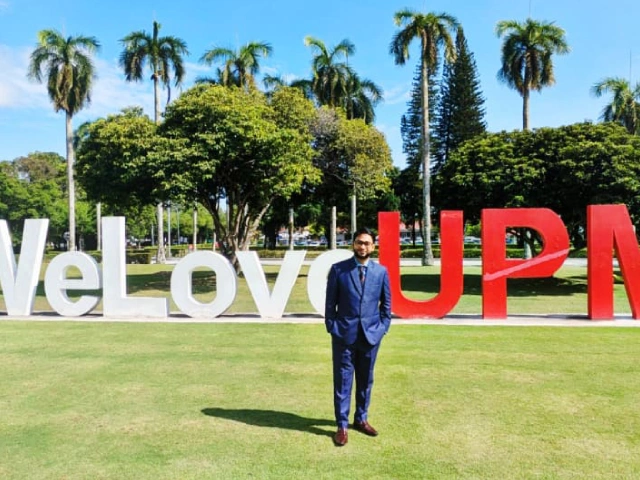
প্রশ্ন ৫: আপনার মতে একজন ভালো বিজ্ঞানী বা গবেষকের মধ্যে কী কী গুণ থাকা প্রয়োজন? নিজের গবেষণাজীবন থেকে আপনি কী শিখেছেন?
উত্তর: আমি মনে করি, একজন ভালো বিজ্ঞানীর মধ্যে কৌতূহল, ধৈর্য, সততা, নিষ্ঠা, সমালোচনামূলক চিন্তাশক্তি এবং অধ্যবসায় থাকা প্রয়োজন।
কৌতূহল আমাদের প্রশ্ন করতে এবং নতুন ধারণা অনুসন্ধান করতে উৎসাহিত করে। অন্যদিকে ধৈর্য ও অধ্যবসায় গবেষণার বিভিন্ন চ্যালেঞ্জ মোকাবিলায় সাহায্য করে, বিশেষ করে যখন পরীক্ষায় প্রত্যাশিত ফলাফল পাওয়া যায় না।
বৈজ্ঞানিক সততা বা Scientific Integrity অত্যন্ত গুরুত্বপূর্ণ। কারণ নির্ভরযোগ্য গবেষণার ভিত্তি হলো সৎ পর্যবেক্ষণ, নির্ভুল তথ্য এবং গবেষণার ফলাফল স্বচ্ছভাবে উপস্থাপন করা।
একজন বিজ্ঞানীর মুক্তমনা হওয়া উচিত। নিজের ভুল থেকে শেখা, গঠনমূলক সমালোচনা গ্রহণ করা এবং অন্য গবেষকদের সঙ্গে সহযোগিতার ভিত্তিতে কাজ করার মানসিকতা থাকা প্রয়োজন।
আমার নিজের গবেষণাযাত্রা থেকে আমি শিখেছি, গবেষণায় ব্যর্থতা মানেই গবেষণার সমাপ্তি নয়। বরং ব্যর্থতা নতুন কিছু শেখা, নিজেকে উন্নত করা এবং নতুন আবিষ্কারের সুযোগ তৈরি করে।
তরুণ গবেষকদের প্রতি আমার পরামর্শ হলো, গবেষণার প্রতি আগ্রহ ধরে রাখুন, নিয়মিত শিখতে থাকুন এবং কঠিন পরিস্থিতির মুখোমুখি হলেও আত্মবিশ্বাস হারাবেন না।
সর্বোপরি আমি বিশ্বাস করি, একজন সফল বিজ্ঞানীর লক্ষ্য শুধু গবেষণাপত্র প্রকাশ করা হওয়া উচিত নয়। বরং এমন জ্ঞান ও উদ্ভাবন সৃষ্টি করার চেষ্টা করা উচিত, যা সমাজ ও মানুষের জীবনে ইতিবাচক পরিবর্তন আনতে পারে।
প্রশ্ন ৬: বাংলাদেশের যেসব তরুণ শিক্ষার্থী বিজ্ঞান ও গবেষণায় ক্যারিয়ার গড়তে চায়, তাদের জন্য আপনার পরামর্শ কী?
উত্তর: যেসব তরুণ শিক্ষার্থী বিজ্ঞান ও গবেষণায় ক্যারিয়ার গড়তে চায়, তাদের প্রতি আমার পরামর্শ হলো, কৌতূহলী থাকুন, বড় স্বপ্ন দেখুন এবং কখনো শেখা বন্ধ করবেন না।
গবেষণার পথ সব সময় সহজ হয় না। এ পথে বিভিন্ন চ্যালেঞ্জ, অপ্রত্যাশিত ফলাফল এবং ব্যর্থতার মুখোমুখি হতে হয়। তবে প্রতিটি চ্যালেঞ্জই নতুন কিছু শেখার এবং নিজেকে উন্নত করার একটি সুযোগ।
ধৈর্য ধরুন, পরিশ্রম করুন, প্রশ্ন করুন এবং শিক্ষক, গবেষণা তত্ত্বাবধায়ক ও সহকর্মী গবেষকদের কাছ থেকে পরামর্শ নিতে কখনো দ্বিধা করবেন না।
বৈজ্ঞানিক কাজের ক্ষেত্রে সব সময় সততা ও নৈতিকতা বজায় রাখুন। মনে রাখবেন, অর্থবহ সাফল্য অর্জনের জন্য সময়, নিষ্ঠা এবং অধ্যবসায় প্রয়োজন।
আমার নিজের অভিজ্ঞতা থেকে আমি শিখেছি, গবেষণায় সফলতা শুধু ভালো একাডেমিক ফলাফল কিংবা গবেষণাপত্র প্রকাশের মধ্যে সীমাবদ্ধ নয়। প্রকৃত সফলতা হলো এমন জ্ঞান সৃষ্টি করা, যা মানুষের জীবনকে উন্নত করতে সাহায্য করতে পারে।
সবচেয়ে গুরুত্বপূর্ণ হলো নিজের ওপর বিশ্বাস রাখা, ধারাবাহিকভাবে কাজ করে যাওয়া এবং একটি নির্দিষ্ট উদ্দেশ্য নিয়ে গবেষণা করা, যাতে সমাজে ইতিবাচক পরিবর্তন আনা যায়।
🔗 প্রোফাইল লিংক
📧 ইমেইল: [email protected]
🔬 রিসার্চগেট: Hasib Bin Saif – ResearchGate
💼 লিংকডইন: Hasib Bin Saif – LinkedIn
হাসিব বিন সাইফের গবেষণা কৃষি উৎপাদনশীলতা বৃদ্ধি, পরিবেশ সংরক্ষণ এবং টেকসই আগাছা ব্যবস্থাপনার মধ্যে একটি গুরুত্বপূর্ণ সংযোগ তুলে ধরে। প্রাকৃতিকভাবে পাওয়া 2-undecanone যৌগ ব্যবহার করে নতুন জৈব আগাছানাশক উদ্ভাবনের প্রচেষ্টা কৃষিক্ষেত্রে প্রচলিত রাসায়নিক আগাছানাশকের বিকল্প অনুসন্ধানের একটি উদাহরণ। গবেষণাটি সফল হলে এটি কৃষকদের জন্য নতুন প্রযুক্তিগত সম্ভাবনা তৈরি করতে পারে।
বাংলাদেশের কৃষি গবেষণা প্রতিষ্ঠানে দীর্ঘদিন কাজ করার অভিজ্ঞতার পাশাপাশি মালয়েশিয়ায় উচ্চতর গবেষণায় তাঁর সম্পৃক্ততা তরুণ শিক্ষার্থীদের জন্য আন্তর্জাতিক গবেষণার সুযোগ সম্পর্কে একটি বাস্তব উদাহরণ।
বিজ্ঞানী ডট অর্গ (biggani.org) পরিবার তাঁর গবেষণামূলক উদ্যোগ, অভিজ্ঞতা বিনিময় এবং বিজ্ঞানচর্চার প্রতি আন্তরিক শ্রদ্ধা জানায়। আমরা আশা করি, তাঁর গবেষণার ফলাফল ভবিষ্যতে টেকসই কৃষি উন্নয়ন এবং কৃষকদের বাস্তব সমস্যার সমাধানে কার্যকর ভূমিকা রাখবে। তাঁর উচ্চশিক্ষা ও গবেষণাজীবনের ধারাবাহিক সাফল্য কামনা করছি।
Exploring Natural Alternatives to Chemical Herbicides: A Conversation with Hasib Bin Saif
Hasib Bin Saif is a Bangladeshi agricultural scientist and researcher currently serving as a Scientific Officer (Agronomy) in the Planning & Evaluation Wing of the Bangladesh Agricultural Research Institute (BARI), Gazipur, Bangladesh. Since joining BARI in August 2013, he has been involved in agricultural research, project planning, implementation, monitoring and evaluation.
He completed his Bachelor of Science in Agriculture and Master of Science in Agronomy at Gazipur Agricultural University. He is currently pursuing a PhD in Crop Science at Universiti Putra Malaysia (UPM), Malaysia, under the PARTNER Fellowship Scholarship, funded through the Ministry of Agriculture, Bangladesh.
His doctoral research focuses on developing an environmentally friendly bioherbicide using 2-undecanone, a naturally occurring compound. His studies investigate weed-control effectiveness, formulation stability, soil behaviour, crop productivity and potential phytotoxic effects.
During his professional career, Saif has developed, supervised and implemented more than 40 research programmes and published 20 scientific journal articles. He has also contributed to the preparation of five major Development Project Proposals (DPPs) at BARI.
His research interests include agronomy, weed science, sustainable agriculture and agricultural research management. Through his work, he aims to connect scientific knowledge with practical agricultural development and contribute to sustainable farming solutions in Bangladesh.
💬 Q&A Session
Q1: Could you briefly introduce your academic and professional background? Where are you currently working and conducting your research?
Answer: I am a Scientific Officer (Agronomy) at the Bangladesh Agricultural Research Institute (BARI), Gazipur, Bangladesh. I joined BARI on 7 August 2013 and have over 13 years of professional experience in agricultural research, project planning, management, monitoring and evaluation.
During my professional career, I have worked in both the On-Farm Research Division and the Planning and Evaluation Wing of BARI.
I completed my Bachelor of Science in Agriculture and Master of Science in Agronomy at Gazipur Agricultural University.
Currently, I am pursuing my PhD in Crop Science at Universiti Putra Malaysia (UPM), Malaysia, under the PARTNER Fellowship Scholarship, funded through the Ministry of Agriculture, Bangladesh.
My PhD research focuses on developing a novel, environmentally friendly bioherbicide and evaluating its weed-control efficacy, soil activity, crop productivity and phytotoxicity to promote sustainable agricultural practices.
During my professional career, I have developed, supervised and executed more than 40 research programmes and published 20 scientific journal articles. I have also contributed to the preparation of five major Development Project Proposals (DPPs) at BARI.
To strengthen my professional expertise, I have completed 32 national and six international training programmes and professional activities, including programmes at Wageningen University & Research in the Netherlands, the Egyptian International Centre for Agriculture and Universiti Putra Malaysia.
My areas of expertise include agronomy, weed science, sustainable agriculture, agricultural research management, project development, scientific data analysis and agricultural policy planning.
I am particularly interested in bridging scientific research with practical agricultural development.
Q2: What are your main research interests? Could you explain your current research on bioherbicides and how it may contribute to sustainable weed management?
Answer: My primary research focuses on developing a new environmentally friendly bioherbicide for sustainable weed management in agriculture. I am currently conducting this research as part of my PhD in Crop Science at Universiti Putra Malaysia (UPM).
Weeds are one of the major challenges in agricultural production because they compete with crops for sunlight, water, nutrients and space, ultimately reducing crop growth and yield.
Farmers commonly use chemical herbicides to control weeds. However, excessive or repeated use of conventional herbicides can contribute to environmental pollution, herbicide resistance and potential risks to soil health and non-target organisms.
My research aims to explore a more sustainable alternative by developing a bioherbicide, which is a weed-control product made from naturally derived substances.
Specifically, I am working with 2-undecanone, a naturally occurring compound found in certain plants, to develop a new herbicide formulation.
A formulation refers to the carefully designed mixture of ingredients that helps the active compound remain stable, mix properly with water and work effectively when applied to weeds.
My research mainly investigates four important aspects.
The first is formulation development and stability. This involves developing a bioherbicide that maintains its physical and chemical properties during storage and application.
The second is weed-control effectiveness. I am evaluating how efficiently the bioherbicide controls different weed species, including grasses, sedges and broadleaf weeds.
The third is soil activity and environmental behaviour. This involves investigating how the bioherbicide behaves in soil, including its persistence, possible residues and potential effects on the soil environment.
The fourth is crop safety and phytotoxicity. I am assessing whether the bioherbicide causes unwanted damage to crops. Phytotoxicity simply means harmful effects of a substance on plants.
To evaluate these aspects, I conduct laboratory experiments, glasshouse trials and open-field experiments.
Laboratory studies help me understand formulation characteristics, glasshouse experiments allow me to evaluate plant responses under controlled conditions and field trials help determine how effectively the product performs under real agricultural conditions.
The ultimate goal of my research is to develop an effective, reliable and environmentally responsible weed-management solution that can reduce dependence on conventional synthetic herbicides while supporting crop productivity and sustainable agriculture.
Q3: Why is your research important? How could it benefit farmers, society, the environment or future generations?
Answer: My research aims to benefit society by developing an environmentally friendly bioherbicide that can effectively control weeds while reducing dependence on conventional chemical herbicides.
This innovation could help farmers minimize crop losses, improve agricultural productivity and reduce potential risks to soil health, water quality and the environment.
It may also provide an additional solution for sustainable weed management and contribute to safer agricultural practices.
In the long term, I hope my research will support food security, improve farmers’ livelihoods and promote sustainable agriculture, particularly in developing countries like Bangladesh.
Q4: What has been one of the most memorable or inspiring experiences in your research journey?
Answer: One of the most memorable experiences of my research journey was seeing the promising results of my newly developed bioherbicide during glasshouse and open-field experiments.
After months of formulation development, laboratory testing and experimental trials, observing its effectiveness against different weed species was truly exciting and rewarding.
Another proud moment was presenting my research at the 13th International Conference on Plant Protection in the Tropics (ICPPT 2026) in Malaysia, where I had the opportunity to share my findings with international researchers and receive valuable feedback.
These experiences strengthened my confidence, motivated me to overcome research challenges and reminded me that patience, dedication and perseverance are essential for meaningful scientific discoveries.
Q5: In your opinion, what qualities are essential for becoming a good scientist or researcher? What important lessons have you learned from your own research journey?
Answer: I believe a good scientist should have curiosity, patience, honesty, dedication, critical thinking and perseverance.
Curiosity encourages us to ask questions and explore new ideas, while patience and perseverance help us overcome challenges, especially when experiments do not produce the expected results.
Scientific integrity is equally important because reliable research depends on honest observations, accurate data and transparent reporting.
A scientist should also be open-minded, willing to learn from mistakes, accept constructive criticism and collaborate with others.
From my own research journey, I have learned that failure is not the end of research; rather, it is an opportunity to learn, improve and discover something new.
My advice to young researchers is to remain passionate, keep learning and never lose confidence when facing difficulties.
Above all, I believe a successful scientist should not only aim to publish research but also strive to create knowledge and innovations that can make a positive difference in society.
Q6: What advice would you give to young Bangladeshi students who aspire to pursue a career in science and scientific research?
Answer: My advice to young students who aspire to pursue science and research is to stay curious, dream big and never stop learning.
Research is not always easy, and you may face challenges, unexpected results and failures along the way. However, every challenge is an opportunity to learn and improve.
Be patient, work hard, ask questions and never hesitate to seek guidance from teachers, mentors and fellow researchers.
Always maintain honesty and integrity in your scientific work, and remember that meaningful achievements require time, dedication and perseverance.
From my own journey, I have learned that success in research is not only about academic excellence or publications but also about creating knowledge that can improve people’s lives.
Most importantly, believe in yourself, remain consistent in your efforts and pursue research with a purpose—to make a positive difference in society.
🔗 Profile Links
📧 Email: [email protected]
🔬 ResearchGate: Hasib Bin Saif – ResearchGate
💼 LinkedIn: Hasib Bin Saif – LinkedIn
Hasib Bin Saif’s research highlights the connection between agricultural productivity, environmental protection and sustainable weed management. By exploring the potential of 2-undecanone as a naturally derived bioherbicide, his work contributes to the search for alternatives to conventional chemical herbicides.
His professional experience in agricultural research in Bangladesh and his ongoing doctoral studies in Malaysia also offer an encouraging example for young researchers interested in international scientific collaboration.
The biggani.org team appreciates his dedication to agricultural research, scientific integrity and knowledge sharing. We extend our best wishes for his continued academic achievements and future contributions to sustainable agricultural development in Bangladesh.




Leave a comment