


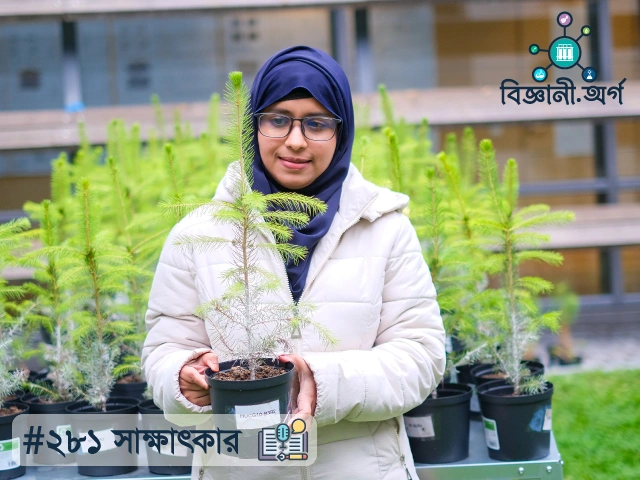
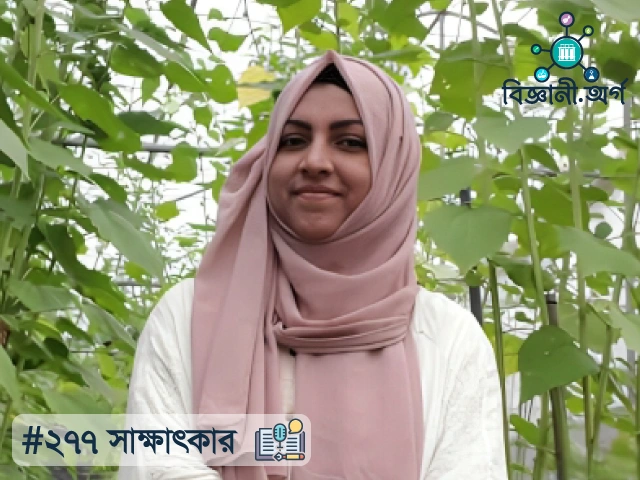
তাজরিন জাহান বাংলাদেশের একজন তরুণ গবেষক, যিনি বর্তমানে সুইডেনের লিনিয়াস বিশ্ববিদ্যালয়ে (Linnaeus University) Forestry for Green Sustainable Development বিষয়ে দ্বিতীয় স্নাতকোত্তর ডিগ্রি অর্জনের জন্য অধ্যয়ন করছেন। তিনি IKEA ও Södra-এর পূর্ণ শিক্ষাবৃত্তি এবং গবেষণার জন্য NordGen Forest SNS বৃত্তি লাভ করেছেন।
তাজরিন জাহান বাংলাদেশের হাজী মোহাম্মদ দানেশ বিজ্ঞান ও প্রযুক্তি বিশ্ববিদ্যালয় থেকে কৃষিবিজ্ঞানে স্নাতক এবং উদ্ভিদ রোগতত্ত্বে (Plant Pathology) স্নাতকোত্তর ডিগ্রি অর্জন করেছেন। সেখানে গবেষণা সহকারী হিসেবে কাজ করার সময় তিনি ফসলের রোগ নিয়ন্ত্রণে উপকারী ব্যাকটেরিয়ার সম্ভাব্য ব্যবহার নিয়ে গবেষণা করেন।

বর্তমানে তাঁর গবেষণার প্রধান ক্ষেত্র উদ্ভিদের স্বাস্থ্য, বন বাস্তুতন্ত্র, উদ্ভিদ ও পরিবেশের পারস্পরিক সম্পর্ক এবং টেকসই বন ব্যবস্থাপনা। বিশেষভাবে তিনি ব্যবহৃত কফির গুঁড়া মাটির গুণাগুণ ও নরওয়ে স্প্রুস (Picea abies) গাছের চারার বৃদ্ধিতে কী ধরনের প্রভাব ফেলতে পারে, তা অনুসন্ধান করছেন।
গবেষণা ও পড়াশোনার পাশাপাশি তিনি লিনিয়াস বিশ্ববিদ্যালয়ে আন্তর্জাতিক শিক্ষার্থী দূত (International Student Ambassador) এবং শিক্ষার্থী প্রতিনিধি (Student Representative) হিসেবে দায়িত্ব পালন করছেন। তাঁর গবেষণার অন্যতম লক্ষ্য জৈব বর্জ্যের পুনর্ব্যবহারের মাধ্যমে পরিবেশবান্ধব বনায়নের সম্ভাবনা অনুসন্ধান করা।
💬 প্রশ্নোত্তর পর্ব
প্রশ্ন ১: আপনার শিক্ষাগত ও গবেষণার পটভূমি সম্পর্কে সংক্ষেপে বলুন। বর্তমানে আপনি কোথায় কাজ করছেন?
উত্তর: আমি বাংলাদেশ থেকে এসেছি। বর্তমানে সুইডেনের লিনিয়াস বিশ্ববিদ্যালয়ে (Linnaeus University) Forestry for Green Sustainable Development বিষয়ে স্নাতকোত্তর পর্যায়ে পড়াশোনা করছি।
আমি IKEA ও Södra-এর পূর্ণ শিক্ষাবৃত্তি এবং গবেষণার জন্য NordGen Forest SNS বৃত্তি পেয়েছি।
পড়াশোনা ও গবেষণার পাশাপাশি আমি লিনিয়াস বিশ্ববিদ্যালয়ে International Student Ambassador এবং Student Representative হিসেবে দায়িত্ব পালন করছি।
প্রশ্ন ২: আপনার গবেষণার প্রধান ক্ষেত্র কী? বর্তমানে কোন বিষয় নিয়ে গবেষণা করছেন?
উত্তর: আমার গবেষণার আগ্রহ মূলত উদ্ভিদের স্বাস্থ্য, বন বাস্তুতন্ত্র, উদ্ভিদ ও পরিবেশের পারস্পরিক সম্পর্ক এবং টেকসই বন ব্যবস্থাপনাকে কেন্দ্র করে।
উদ্ভিদ রোগতত্ত্বে আমার পূর্ববর্তী শিক্ষাগত অভিজ্ঞতা এবং বর্তমানে বনবিদ্যায় অধ্যয়নের কারণে বনাঞ্চলের স্বাস্থ্য, প্রাকৃতিক সম্পদের টেকসই ব্যবহার এবং গাছের বৃদ্ধি ও প্রতিকূল পরিবেশে টিকে থাকার সক্ষমতা বৃদ্ধির বিষয়ে আমি বিশেষভাবে আগ্রহী।
বর্তমানে আমার গবেষণার বিষয় হলো ব্যবহৃত কফির গুঁড়া (Spent Coffee Grounds) নরওয়ে স্প্রুস (Norway Spruce) গাছের চারার জন্য টেকসই মাটি সংশোধনকারী উপাদান হিসেবে ব্যবহার করা সম্ভব কি না।
সুইডেনসহ নর্ডিক দেশগুলোতে প্রচুর কফি পান করা হয়। ফলে প্রতিদিন উল্লেখযোগ্য পরিমাণ ব্যবহৃত কফির গুঁড়া বর্জ্য হিসেবে তৈরি হয়। আমি অনুসন্ধান করছি, এই জৈব বর্জ্য নরওয়ে স্প্রুসের চারা উৎপাদনে উপকারীভাবে ব্যবহার করা যায় কি না।
নরওয়ে স্প্রুস সুইডেনের একটি গুরুত্বপূর্ণ এবং ব্যাপকভাবে বিস্তৃত বৃক্ষপ্রজাতি।
আমার গবেষণায় মূলত যাচাই করা হচ্ছে, দৈনন্দিন জীবনে উৎপন্ন একটি সাধারণ বর্জ্য পদার্থকে নতুনভাবে কাজে লাগিয়ে টেকসই বনায়ন কার্যক্রমে অবদান রাখা সম্ভব কি না। এর মাধ্যমে সম্পদের পুনর্ব্যবহার এবং চক্রাকার অর্থনীতির (Circular Economy) ধারণাকেও এগিয়ে নেওয়ার সুযোগ রয়েছে।
প্রশ্ন ৩: আপনার গবেষণা কেন গুরুত্বপূর্ণ? এটি সমাজ, পরিবেশ বা ভবিষ্যৎ প্রজন্মের জন্য কী ধরনের অবদান রাখতে পারে?
উত্তর: সুস্থ ও প্রতিকূলতা মোকাবিলায় সক্ষম বনাঞ্চল জীববৈচিত্র্য সংরক্ষণ, কার্বন ধরে রাখা, জলবায়ু নিয়ন্ত্রণ এবং মানুষের টেকসই জীবিকার জন্য অত্যন্ত গুরুত্বপূর্ণ।
অন্যদিকে, কফি পান করার মতো দৈনন্দিন কর্মকাণ্ড থেকে বিপুল পরিমাণ জৈব বর্জ্য তৈরি হয়।
আমার গবেষণায় অনুসন্ধান করা হচ্ছে, ব্যবহৃত কফির গুঁড়াকে শুধু বর্জ্য হিসেবে ফেলে না দিয়ে বনজ চারার জন্য সম্ভাব্য মাটি সংশোধনকারী উপাদান হিসেবে পুনর্ব্যবহার করা যায় কি না।
গবেষণায় ইতিবাচক ফল পাওয়া গেলে এই পদ্ধতি সম্পদের চক্রাকার ব্যবহারে অবদান রাখতে পারে, জৈব বর্জ্যের পরিমাণ কমাতে সহায়তা করতে পারে এবং গাছের চারা উৎপাদনে তুলনামূলক কম খরচের একটি টেকসই উপাদান ব্যবহারের সম্ভাবনা তৈরি করতে পারে।
ভবিষ্যতে এ ধরনের গবেষণা আরও পরিবেশবান্ধব নার্সারি ব্যবস্থাপনা এবং টেকসই বন ব্যবস্থাপনার উন্নয়নে ভূমিকা রাখতে পারে।
প্রশ্ন ৪: আপনার গবেষণাজীবনের সবচেয়ে স্মরণীয় বা অনুপ্রেরণাদায়ক অভিজ্ঞতা কোনটি?
উত্তর: আমার গবেষণাজীবনের অন্যতম স্মরণীয় মুহূর্ত ছিল গবেষণার জন্য NordGen Forest SNS বৃত্তি অর্জন করা।
এই বৃত্তি পাওয়া আমার কাছে বিশেষভাবে অর্থবহ ছিল। কারণ, একজন তরুণ গবেষক হিসেবে এটি আমাকে উৎসাহ দিয়েছে এবং আমার গবেষণাকাজের স্বীকৃতি হিসেবে কাজ করেছে।
একই সঙ্গে এটি টেকসই বনবিদ্যার ক্ষেত্রে আমার গবেষণাকে আরও এগিয়ে নেওয়ার সুযোগ তৈরি করেছে।
প্রশ্ন ৫: আপনার মতে একজন ভালো বিজ্ঞানী বা গবেষকের মধ্যে কী কী গুণ থাকা প্রয়োজন?
উত্তর: আমি মনে করি, একজন ভালো বিজ্ঞানীর মধ্যে কৌতূহল, ধৈর্য, মুক্তমন, নৈতিকতা এবং ক্রমাগত শেখার মানসিকতা থাকা প্রয়োজন।
গবেষণায় সব সময় প্রত্যাশিত ফলাফল পাওয়া যায় না। তাই একজন বিজ্ঞানীকে অনিশ্চয়তা মেনে নিতে জানতে হবে, অপ্রত্যাশিত ফলাফল থেকেও শিখতে হবে এবং নিরপেক্ষ দৃষ্টিভঙ্গি বজায় রাখতে হবে।
প্রশ্ন ৬: বাংলাদেশের তরুণ শিক্ষার্থী ও ভবিষ্যৎ গবেষকদের জন্য আপনার পরামর্শ কী?
উত্তর: আমার পরামর্শ হলো, সব সময় কৌতূহলী থাকুন এবং ছোট পরিসরে কাজ শুরু করতে ভয় পাবেন না।
গবেষণা একটি ধারাবাহিক শেখার যাত্রা। শুরুতেই সবকিছু জানা জরুরি নয়।
নিজের বিষয়ের মৌলিক জ্ঞান শক্তিশালী করুন, নিয়মিত বৈজ্ঞানিক গবেষণাপত্র পড়ুন, প্রশ্ন করুন এবং শিক্ষক ও সহকর্মীদের কাছ থেকে শেখার চেষ্টা করুন।
সুযোগ পেলেই বাস্তব গবেষণাকাজে অংশ নিন এবং হাতে-কলমে অভিজ্ঞতা অর্জন করুন।
🔗 প্রোফাইল লিংক
📧 ইমেইল: [email protected]
🔬 রিসার্চগেট: Tajrin Jahan – ResearchGate
💼 লিংকডইন: Tajrin Jahan – LinkedIn
তাজরিন জাহানের গবেষণা পরিবেশ সংরক্ষণ, জৈব বর্জ্যের পুনর্ব্যবহার এবং টেকসই বন ব্যবস্থাপনার মধ্যে একটি গুরুত্বপূর্ণ সংযোগ তুলে ধরে। ব্যবহৃত কফির গুঁড়ার মতো সহজলভ্য উপাদানকে বনজ চারা উৎপাদনে কাজে লাগানোর সম্ভাবনা অনুসন্ধান সম্পদের কার্যকর ব্যবহার সম্পর্কে নতুন চিন্তার সুযোগ তৈরি করে। বাংলাদেশে কৃষিবিজ্ঞানে উচ্চশিক্ষা গ্রহণের পর সুইডেনে বনবিদ্যা নিয়ে তাঁর গবেষণাযাত্রা তরুণ শিক্ষার্থীদের জন্য আন্তর্জাতিক গবেষণার সুযোগ সম্পর্কে একটি বাস্তব উদাহরণ। বিজ্ঞানী ডট অর্গ পরিবার তাঁর গবেষণামূলক উদ্যোগ, অধ্যবসায় এবং জ্ঞানচর্চার প্রতি আন্তরিক শ্রদ্ধা জানায়। আমরা আশা করি, তাঁর গবেষণার ফলাফল ভবিষ্যতে টেকসই বন ব্যবস্থাপনায় কার্যকর অবদান রাখবে। তাঁর উচ্চশিক্ষা ও গবেষণাজীবনের ধারাবাহিক সাফল্য কামনা করছি।
From Coffee Waste to Sustainable Forestry: A Conversation with Tajrin Jahan
Tajrin Jahan is a Bangladeshi researcher currently pursuing her second master’s degree in Forestry for Green Sustainable Development at Linnaeus University, Sweden. She is a recipient of the fully funded IKEA and Södra Scholarship and the NordGen Forest SNS Scholarship for research.
She completed her Bachelor of Science in Agriculture and Master of Science in Plant Pathology at Hajee Mohammad Danesh Science and Technology University (HSTU), Bangladesh. During her previous research work, she investigated the potential applications of beneficial bacteria in controlling plant diseases and promoting sustainable agricultural practices.
Her current research interests include plant health, forest ecology, plant–environment interactions and sustainable forest management. She is particularly interested in exploring whether spent coffee grounds can be used as a sustainable soil amendment to support the growth of Norway spruce (Picea abies) seedlings.
Alongside her academic studies and research, Tajrin serves as an International Student Ambassador and Student Representative at Linnaeus University.
Her research seeks to connect organic waste management with environmentally responsible forestry practices, contributing to broader discussions on circular resource use and sustainable development.
💬 Q&A Session
Q1: Could you briefly introduce your academic and research background? Where are you currently studying or working?
Answer: I am from Bangladesh, but I am currently studying for a master’s degree in Forestry for Green Sustainable Development at Linnaeus University, Sweden.
I am a recipient of the IKEA and Södra full scholarship and the NordGen Forest SNS scholarship for research.
Alongside my studies and research, I serve as an International Student Ambassador and Student Representative at Linnaeus University.
Q2: What are your main research interests? Could you explain your current research project?
Answer: My research interests lie at the intersection of plant health, forest ecology, plant–environment interactions and sustainable forestry.
With a background in Plant Pathology and my current studies in Forestry for Green Sustainable Development, I am particularly interested in forest health, sustainable resource use and improving tree growth and resilience.
My current research focuses on the potential use of spent coffee grounds as a sustainable soil amendment for Norway spruce seedlings.
Coffee is widely consumed in Nordic countries, including Sweden, which generates a considerable amount of used coffee grounds.
I am investigating whether this organic waste can be used beneficially in the cultivation of Norway spruce, an important and widely distributed tree species in Sweden.
The research explores whether a common waste material can be given a new purpose while supporting sustainable forestry practices and contributing to a more circular use of resources.
Q3: Why is your research important? How could it contribute to society, the environment or future generations?
Answer: Healthy and resilient forests are important for biodiversity, carbon storage, climate regulation and sustainable livelihoods.
At the same time, large amounts of organic waste are generated through everyday activities such as coffee consumption.
My research explores whether spent coffee grounds can be reused as a potential soil amendment for forest seedlings rather than being treated simply as waste.
If successful, this approach could contribute to circular resource use, reduce organic waste and potentially provide a low-cost and sustainable input for tree cultivation.
In the future, research in this area could contribute to more environmentally friendly nursery practices and sustainable forest management.
Q4: What has been one of the most memorable or inspiring moments in your research journey?
Answer: One of the most memorable moments in my research journey was being awarded the NordGen Forest SNS scholarship to support my research.
Receiving the scholarship was particularly meaningful because it gave me encouragement and recognition as a young researcher and provided an opportunity to further develop my work within the field of sustainable forestry.
Q5: In your opinion, what qualities are essential for becoming a good scientist or researcher?
Answer: I believe a good scientist should be curious, patient, open-minded, ethical and willing to learn continuously.
Research does not always produce the results we expect, so scientists need to accept uncertainty, learn from unexpected results and remain objective.
Q6: What advice would you give to young Bangladeshi students who aspire to pursue a career in scientific research?
Answer: My advice is to stay curious and do not be afraid of starting small.
Research is a journey of continuous learning, and you do not need to know everything at the beginning.
Develop strong fundamentals, read scientific literature, ask questions, learn from your supervisors and colleagues and gain practical research experience whenever possible.
🔗 Profile Links
📧 Email: [email protected]
🔬 ResearchGate: Tajrin Jahan – ResearchGate
💼 LinkedIn: Tajrin Jahan – LinkedIn
Tajrin Jahan’s research highlights the potential connection between environmental conservation, organic waste recycling and sustainable forest management. By investigating the possible use of spent coffee grounds in forest seedling cultivation, her work contributes to exploring more efficient and environmentally responsible resource use.
Her academic journey from Bangladesh to Sweden also provides an encouraging example for young students interested in international research opportunities.
The biggani.org team appreciates her dedication to scientific research and sustainable development. We extend our best wishes for her continued academic achievements and future research contributions.



Leave a comment