


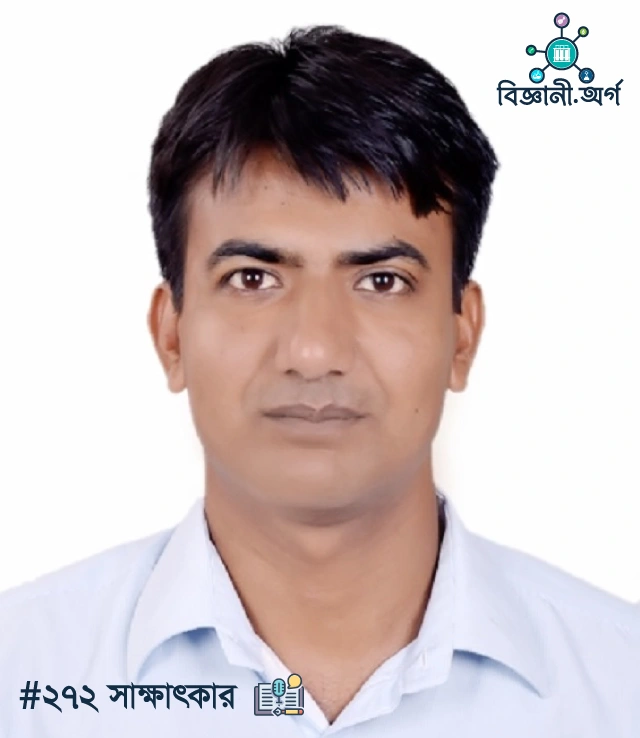
ড. মোশারফ হোসেন বর্তমানে International Rice Research Institute (IRRI)-এ Scientist-I, Seed System & Product Management হিসেবে কাজ করছেন। তাঁর কাজের ক্ষেত্র মূলত ধানের বীজব্যবস্থা, প্রযুক্তি স্থানান্তর, উন্নত জাতের বিস্তার, বীজের গুণগত মান এবং কৃষকের কাছে উপযোগী নতুন ধানের জাত দ্রুত পৌঁছে দেওয়ার প্রক্রিয়া নিয়ে। তিনি ভারত, বাংলাদেশ ও নেপালসহ দক্ষিণ এশিয়ার বিভিন্ন অঞ্চলে ক্ষুদ্র ও প্রান্তিক কৃষক, নারী কৃষক এবং বীজ উদ্যোক্তাদের লক্ষ্য করে বিভিন্ন seed-scaling model নিয়ে কাজ করছেন।
তাঁর একাডেমিক পটভূমিতে Development Economics ও Rural Management বিষয়ে দুটি স্নাতকোত্তর ডিগ্রি রয়েছে। পাশাপাশি তিনি ভারতের ভুবনেশ্বরের Siksha ‘O’ Anusandhan University-এর Agricultural Economics বিভাগ থেকে ২০২৫ সালে পিএইচডি সম্পন্ন করেন। তাঁর গবেষণায় কৃষি সম্পদের দক্ষ ব্যবহার, ফসল বৈচিত্র্য, জলবায়ুগত ঝুঁকি, varietal replacement এবং কৃষকের বীজপ্রাপ্তির বিষয়গুলো গুরুত্ব পেয়েছে।

বর্তমানে তিনি ভারতের ভুবনেশ্বর, ওডিশা থেকে গবেষণা ও উন্নয়ন কার্যক্রমের সঙ্গে যুক্ত।
💬 প্রশ্নোত্তর পর্ব
প্রশ্ন: আপনার গবেষণার মূল বিষয়গুলো কী?
উত্তর: আমার গবেষণা মূলত প্রযুক্তি স্থানান্তর, বীজব্যবস্থা, উন্নত ধানের জাতের বিস্তার, বীজের গুণগত মান এবং কৃষকের কাছে উন্নত জাতের বীজ পৌঁছে দেওয়ার প্রক্রিয়া নিয়ে। দক্ষিণ ও পূর্ব এশিয়ার বিভিন্ন অঞ্চলে ধান গবেষণা ও উন্নয়ন, বীজবর্ধন, নতুন জাতের মূল্যায়ন, চাহিদা নিরূপণ এবং কৃষককেন্দ্রিক বীজব্যবস্থার উদ্ভাবন নিয়ে কাজ করার অভিজ্ঞতা রয়েছে আমার।
প্রশ্ন: আপনার গবেষণা কৃষক ও সমাজের জন্য কী ধরনের ভূমিকা রাখছে?
উত্তর: আমার গবেষণা কৃষকদের উচ্চমানের বীজ এবং স্থানীয় পরিবেশের উপযোগী উন্নত ধানের জাত পাওয়ার সুযোগ বৃদ্ধি করতে সহায়তা করছে। এর ফলে কৃষকের উৎপাদনশীলতা, লাভজনকতা এবং প্রতিকূল পরিস্থিতি মোকাবিলার সক্ষমতা বাড়ানো সম্ভব হয়।
বীজব্যবস্থাকে শক্তিশালী করা এবং গবেষণার সঙ্গে কৃষক, বীজ উৎপাদক ও সরকারি-বেসরকারি অংশীদারদের সংযুক্ত করার মাধ্যমে গবেষণালব্ধ উদ্ভাবন দ্রুত কৃষকের কাছে পৌঁছে দেওয়া সম্ভব হয়। ভবিষ্যতে এ ধরনের কাজ আরও দক্ষ ও অন্তর্ভুক্তিমূলক বীজব্যবস্থা গড়ে তোলা, জলবায়ু-সহনশীল কৃষি সম্প্রসারণ, খাদ্যনিরাপত্তা নিশ্চিত করা এবং ক্ষুদ্র কৃষকদের জীবনমান উন্নয়নে অবদান রাখতে পারে।
প্রশ্ন: আপনার গবেষণাজীবনের কোনো স্মরণীয় অভিজ্ঞতার কথা বলবেন?
উত্তর: আমার গবেষণাজীবনের অন্যতম স্মরণীয় অভিজ্ঞতা হলো—গবেষণা, কৃষক এবং কার্যকর বীজব্যবস্থা একসঙ্গে কাজ করলে একটি উন্নত ধানের জাত কত দ্রুত ছড়িয়ে পড়তে পারে, তা প্রত্যক্ষ করা।
ভারতের ওডিশায় Binadhan-11 এবং Swarna Samriddhi জাতের বিস্তার এ ক্ষেত্রে একটি উল্লেখযোগ্য অভিজ্ঞতা। কৃষকের চাহিদা, এক কৃষকের কাছ থেকে অন্য কৃষকের শেখা এবং কার্যকরভাবে বীজবর্ধনের সমন্বয়ে প্রচলিত সম্প্রসারণ ব্যবস্থার বাইরেও এসব জাত দ্রুত বিস্তার লাভ করেছে।
এই দুটি জাতের বিস্তারে আমি নেতৃত্ব দিয়েছি। বর্তমানে ওডিশায় মোট বীজ বিক্রির প্রায় ১০ শতাংশ এই দুটি জাতের এবং প্রায় তিন লাখ কৃষক এর মাধ্যমে উপকৃত হচ্ছেন। প্রচলিত জাতের তুলনায় এগুলো কৃষকের জন্য উল্লেখযোগ্য অর্থনৈতিক সুবিধাও তৈরি করেছে।
প্রশ্ন: আপনার মতে একজন ভালো বিজ্ঞানীর কী কী গুণ থাকা প্রয়োজন?
উত্তর: আমার মতে একজন ভালো বিজ্ঞানীর কৌতূহলী, মুক্তমনা এবং তথ্য-প্রমাণনির্ভর হওয়া প্রয়োজন। প্রচলিত ধারণাকে প্রশ্ন করার মানসিকতাও একজন বিজ্ঞানীর থাকা উচিত।
এর পাশাপাশি ধৈর্য, সততা এবং কৃষক, সহকর্মী ও অন্যান্য অংশীজনের কথা মনোযোগ দিয়ে শোনা ও তাঁদের কাছ থেকে শেখার মানসিকতা গুরুত্বপূর্ণ। সবচেয়ে গুরুত্বপূর্ণ হলো—গবেষণাকে এমন বাস্তব সমাধানে রূপ দেওয়ার আগ্রহ থাকা, যা সমাজে অর্থবহ ও দীর্ঘস্থায়ী ইতিবাচক পরিবর্তন আনতে পারে।
প্রশ্ন: বিজ্ঞান ও গবেষণায় আগ্রহী তরুণ শিক্ষার্থীদের জন্য আপনার পরামর্শ কী?
উত্তর: তরুণ শিক্ষার্থীদের প্রতি আমার পরামর্শ হলো—কৌতূহলী থাকুন, অর্থবহ প্রশ্ন করুন এবং প্রচলিত ধারণাকে প্রশ্ন করতে ভয় পাবেন না।
বিজ্ঞান শুধু নতুন জ্ঞান সৃষ্টি করার বিষয় নয়; বিজ্ঞান বাস্তব সমস্যার সমাধান এবং সমাজে ইতিবাচক পরিবর্তন আনারও একটি মাধ্যম। ব্যর্থতার মুখোমুখি হলে ধৈর্য ধরতে হবে, শেখার প্রক্রিয়ার সঙ্গে যুক্ত থাকতে হবে এবং নিজের গবেষণার কেন্দ্রে সব সময় মানুষ ও পৃথিবীর প্রয়োজনকে গুরুত্ব দিতে হবে।
🔗 প্রোফাইল লিংক
💼 লিংকডইন: Mosharaf Hossain
📇 যোগাযোগের তথ্য
📧 ইমেইল: [email protected]
🏢 প্রতিষ্ঠান: International Rice Research Institute (IRRI)
ড. মোশারফ হোসেনের গবেষণায় গবেষণাগারে উদ্ভাবিত প্রযুক্তি ও উন্নত ধানের জাতকে কৃষকের বাস্তব প্রয়োজনের সঙ্গে যুক্ত করার বিষয়টি বিশেষ গুরুত্ব পেয়েছে। শক্তিশালী বীজব্যবস্থা, কৃষকের অংশগ্রহণ এবং কার্যকর প্রযুক্তি স্থানান্তরের মাধ্যমে গবেষণার ফল কীভাবে সরাসরি কৃষকের উৎপাদন ও জীবিকায় ভূমিকা রাখতে পারে, তাঁর কাজ তার একটি বাস্তব উদাহরণ।
বিজ্ঞানী.অর্গ টিম ড. মোশারফ হোসেনের গবেষণা ও ভবিষ্যৎ কর্মযাত্রার জন্য শুভকামনা জানাচ্ছে। তাঁর কাজ তরুণ গবেষকদের সমাজমুখী ও বাস্তবসমস্যাভিত্তিক গবেষণায় আগ্রহী করে তুলুক—এই কামনা।
From Research to Farmers’ Fields: A Conversation with Dr. Mosharaf Hossain
Dr. Mosharaf Hossain works with the International Rice Research Institute (IRRI), where his work focuses on rice seed systems, technology transfer, varietal deployment, seed quality and improving farmers’ access to better-performing rice varieties.
His research and development experience includes seed multiplication, varietal evaluation, demand assessment and farmer-centred innovations in seed systems across South and East Asia. His work aims to strengthen the connection between research institutions, farmers, seed producers and public and private-sector partners so that agricultural innovations can reach farming communities more efficiently.
A major focus of his work is improving access to high-quality, locally adapted rice varieties that can enhance productivity, profitability and resilience. Through stronger and more inclusive seed systems, his research contributes to climate-resilient agriculture, food security and improved livelihoods for smallholder farmers.
💬 Q&A Section
Question: What are the main areas of your research?
Answer: My research focuses on technology transfer, seed systems, varietal deployment, seed quality and strengthening farmers’ access to improved rice varieties. I have extensive experience in rice research and development, seed multiplication, varietal evaluation, demand assessment and farmer-focused seed-system innovations across South and East Asia.
Question: How does your research contribute to farmers and society?
Answer: My research contributes to improving farmers’ access to high-quality seeds and better-performing, locally adapted rice varieties. This can help increase agricultural productivity, profitability and farmers’ resilience.
By strengthening seed systems and linking research with farmers, seed producers and public and private-sector partners, my work helps accelerate the delivery of innovations from research institutions to farmers.
In the future, this work can contribute to more efficient and inclusive seed systems, climate-resilient agriculture, improved food security and better livelihoods for smallholder farmers.
Question: Could you share one of the most memorable experiences from your research journey?
Answer: One of the most memorable experiences in my research journey has been witnessing how rapidly improved rice varieties can spread when research, farmers and seed systems work together.
In Odisha, India, the spread of varieties such as Binadhan-11 and Swarna Samriddhi demonstrated how farmer demand, peer-to-peer learning and effective seed multiplication can accelerate varietal adoption beyond the reach of conventional dissemination approaches.
I led the diffusion of these two varieties. They now account for around 10 percent of total seed sales in Odisha and have impacted the lives of approximately 300,000 farmers, creating significant economic benefits compared with traditionally grown varieties.
Question: What qualities do you believe a good scientist should have?
Answer: I believe a good scientist should be curious, open-minded, evidence-driven and willing to challenge conventional thinking.
A scientist should also have patience, integrity and the ability to listen to and learn from farmers, colleagues and other stakeholders.
Most importantly, I believe a scientist should be passionate about translating research into practical solutions that create meaningful and lasting benefits for society.
Question: What advice would you give to young students who are interested in science and research?
Answer: My advice to young students is to remain curious, ask meaningful questions and never be afraid to challenge conventional wisdom.
Science is not only about generating knowledge; it is also about solving real problems and creating positive change in society.
Be patient with failure, remain committed to learning and always keep the needs of people and the planet at the heart of your research.
🔗 Profile Link
💼 LinkedIn: Mosharaf Hossain
📇 Contact Information
📧 Email: [email protected]
🏢 Institution: International Rice Research Institute (IRRI)
Dr. Mosharaf Hossain’s work highlights the importance of connecting agricultural research with the practical needs of farmers. His research demonstrates how stronger seed systems, farmer participation and effective technology transfer can help transform scientific innovation into measurable improvements in agricultural productivity and livelihoods.
The biggani.org team wishes Dr. Mosharaf Hossain continued success in his research and future endeavours. We hope his work will inspire young researchers to pursue science that addresses real-world challenges and creates meaningful benefits for society.




Leave a comment