



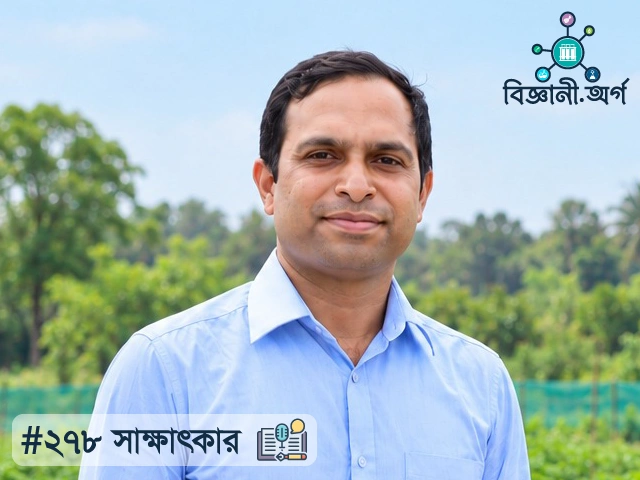
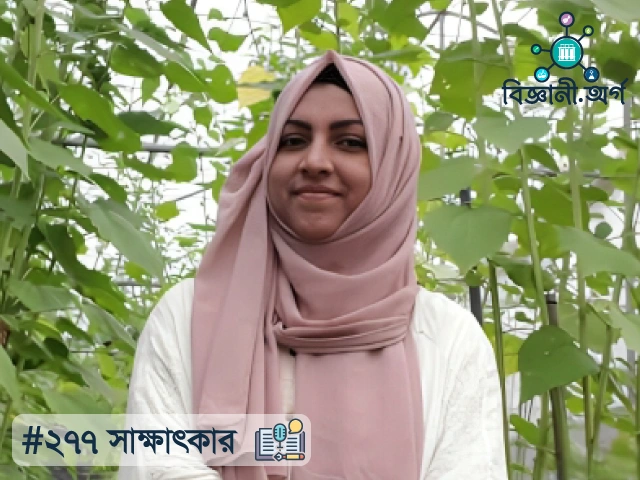
ড. কাজী মাসুম বিল্লাহ উদ্ভিদ জিনতত্ত্ব, জিন প্রকৌশল, আণবিক জীববিজ্ঞান ও কৃষি জৈবপ্রযুক্তি নিয়ে কাজ করছেন। বাংলাদেশে জেনেটিক্স ও প্ল্যান্ট ব্রিডিং বিষয়ে অধ্যয়ন ও গবেষণার মধ্য দিয়ে তাঁর বৈজ্ঞানিক যাত্রার ভিত্তি গড়ে ওঠে। তাঁর প্রাথমিক গবেষণার একটি উল্লেখযোগ্য অংশ পটুয়াখালী বিজ্ঞান ও প্রযুক্তি বিশ্ববিদ্যালয়-সংশ্লিষ্ট এবং লবণাক্ত পরিবেশে ভুট্টার সহনশীলতা মূল্যায়নের সঙ্গে যুক্ত ছিল। পরে তিনি চীনের ইনস্টিটিউট অব কটন রিসার্চ, চাইনিজ একাডেমি অব এগ্রিকালচারাল সায়েন্সেস-এ পিএইচডি পর্যায়ের গবেষণা করেন। সেখানে তুলার আগাম ফুল ফোটা, জৈব ও অজৈব চাপ সহ্য করার ক্ষমতা এবং সংশ্লিষ্ট জিন-নিয়ন্ত্রণব্যবস্থা তাঁর গবেষণার অন্তর্ভুক্ত ছিল।
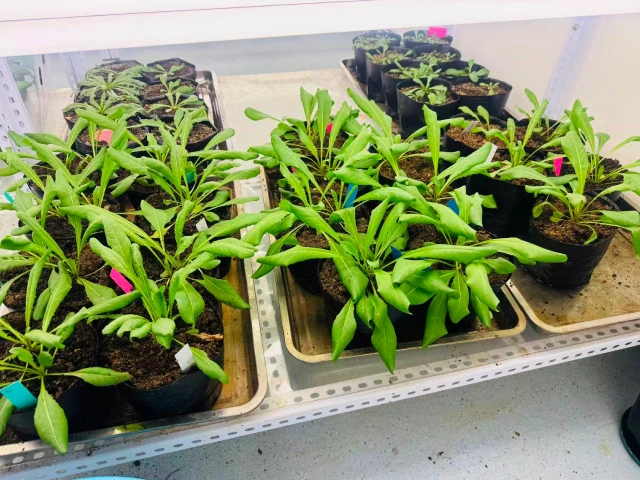
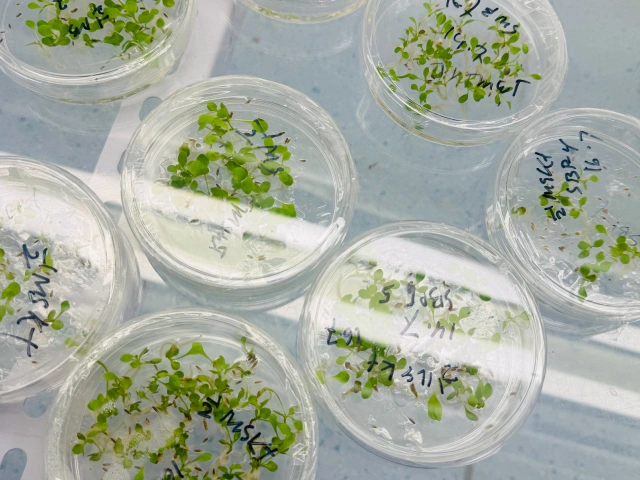
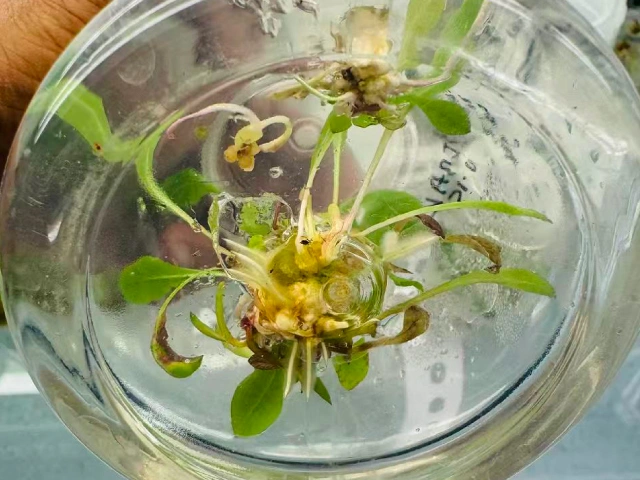
বর্তমানে তিনি চীনে চাইনিজ একাডেমি অব সায়েন্সেসের শিশুয়াংবান্না ট্রপিক্যাল বোটানিক্যাল গার্ডেন-এ পোস্টডক্টরাল গবেষক। তাঁর বর্তমান কাজের প্রধান বিষয় হলো একক-কোষ ট্রান্সক্রিপ্টোম বিশ্লেষণের মাধ্যমে জ্যাসমোনিক অ্যাসিড কীভাবে রাবারগাছের ল্যাটিসিফার বা ল্যাটেক্সবাহী কোষের বিকাশ নিয়ন্ত্রণ করে, তা অনুসন্ধান করা। পাশাপাশি রাশিয়ান ড্যান্ডেলিয়নকে বিকল্প প্রাকৃতিক রাবারের উৎস হিসেবে উন্নয়নের সম্ভাবনাও তাঁর গবেষণা-আগ্রহের অংশ। তাঁর সামগ্রিক লক্ষ্য হলো উদ্ভিদের গুরুত্বপূর্ণ বৈশিষ্ট্যের জিনগত নিয়ন্ত্রণ বুঝে অধিক উৎপাদনশীল, পরিবেশ-সহনশীল ও টেকসই ফসল উন্নয়নে অবদান রাখা।

💬 প্রশ্নোত্তর পর্ব
প্রশ্ন: আপনার গবেষণাজীবনের বর্তমান প্রত্যাশা ও দীর্ঘমেয়াদি পেশাগত লক্ষ্য কী?
উত্তর: আমি এমন সুযোগ খুঁজছি, যেখানে নিজের ধারণা ও ভবিষ্যৎ পরিকল্পনা অভিজ্ঞ গবেষক ও পেশাজীবীদের সামনে তুলে ধরতে পারব। তাঁদের দিকনির্দেশনা আমার কাজের উন্নতির ক্ষেত্রগুলো শনাক্ত করতে এবং আমাকে আরও দক্ষ ও কার্যকর গবেষক হিসেবে গড়ে উঠতে সহায়তা করবে।
আমি বিভিন্ন সাংস্কৃতিক ও সামাজিক পরিবেশ থেকে শিখতে আগ্রহী। কারণ, ভিন্ন দৃষ্টিভঙ্গির সংস্পর্শ মানুষের বোঝাপড়াকে বিস্তৃত করে এবং অর্জিত জ্ঞান মানবকল্যাণে প্রয়োগের সক্ষমতা বাড়ায়। আমার দীর্ঘমেয়াদি লক্ষ্য আন্তর্জাতিক বৈজ্ঞানিক সমাজের একজন সক্রিয় সদস্য হওয়া এবং কৃষিক্ষেত্রে মানসম্পন্ন ও প্রভাববিস্তারকারী গবেষণায় অবদান রাখা। ধারাবাহিক শিক্ষা, সহযোগিতা ও বৈজ্ঞানিক উৎকর্ষের প্রতি অঙ্গীকারের মাধ্যমে কৃষি উন্নয়ন এবং সমাজের গুরুত্বপূর্ণ চ্যালেঞ্জ মোকাবিলায় অর্থবহ ভূমিকা রাখতে চাই।
প্রশ্ন: আপনার প্রধান গবেষণাক্ষেত্র কী?
উত্তর: আমার প্রধান গবেষণাক্ষেত্র হলো উদ্ভিদ জিন প্রকৌশল ও জৈবপ্রযুক্তি। এর পাশাপাশি উদ্ভিদ আণবিক প্রজনন, ফাংশনাল জিনোমিক্স, পরিবেশগত চাপসহনশীলতা এবং গুরুত্বপূর্ণ কৃষিবৈশিষ্ট্যের জিনগত নিয়ন্ত্রণ নিয়ে কাজ করি।
প্রশ্ন: সাধারণ পাঠকের জন্য আপনার গবেষণাটি সহজ ভাষায় কীভাবে ব্যাখ্যা করবেন?
উত্তর: আমি উদ্ভিদের জিনগুলো কীভাবে পরস্পরের সঙ্গে যোগাযোগ করে, তা নিয়ে গবেষণা করি। বিশেষভাবে এমন ট্রান্সক্রিপশন ফ্যাক্টর শনাক্ত করি, যেগুলো গুরুত্বপূর্ণ জিনের কার্যক্রম নিয়ন্ত্রণ করে। এরপর এই নিয়ন্ত্রণ উদ্ভিদের ফুল ফোটা, পরিবেশগত চাপ সহ্য করা, বৃদ্ধি এবং প্রাকৃতিক রাবার উৎপাদনের মতো বৈশিষ্ট্যকে কীভাবে প্রভাবিত করে, তা অনুসন্ধান করি। আমার চূড়ান্ত লক্ষ্য হলো এসব আণবিক প্রক্রিয়া সম্পর্কে স্পষ্ট ধারণা অর্জন করা, যাতে সেই জ্ঞান ফসল উন্নয়নে ব্যবহার করা যায়।
প্রশ্ন: আপনার গবেষণা সমাজ ও কৃষিক্ষেত্রে কী ধরনের উপকার বয়ে আনতে পারে?
উত্তর: আমার গবেষণা উদ্ভিদের বৃদ্ধি, ফুল ফোটা, পরিবেশগত চাপসহনশীলতা এবং রাবার উৎপাদনের মতো গুরুত্বপূর্ণ বৈশিষ্ট্য নিয়ন্ত্রণকারী জিনগুলো সম্পর্কে আমাদের ধারণা বাড়াতে পারে। এই জ্ঞান কাজে লাগিয়ে অধিক ফলনশীল এবং লবণাক্ততা ও খরার মতো প্রতিকূল পরিবেশ সহ্য করতে সক্ষম উন্নত উদ্ভিদজাত উদ্ভাবন করা সম্ভব।
রাবারগাছের ক্ষেত্রে আমার গবেষণার লক্ষ্য হলো ল্যাটেক্স সংশ্লেষণ এবং ল্যাটিসিফার বা ল্যাটেক্সবাহী কোষের বিকাশ নিয়ন্ত্রণকারী আণবিক প্রক্রিয়াগুলো আরও ভালোভাবে বোঝা। এর ফল অধিক উৎপাদনশীল ও টেকসই রাবার চাষে অবদান রাখতে পারে।
প্রাকৃতিক রাবারের বিকল্প উৎস হিসেবে রাশিয়ান ড্যান্ডেলিয়নও সম্ভাবনাময়। এর বৃদ্ধি, ফুল ফোটা ও রাবার উৎপাদন উন্নত করা গেলে একটিমাত্র প্রধান রাবার ফসলের ওপর নির্ভরতা কমানো সম্ভব হবে। সামগ্রিকভাবে আমার গবেষণা টেকসই কৃষি, ফসলের উৎপাদনশীলতা, খাদ্যনিরাপত্তা এবং শিল্পের কাঁচামাল নিরাপত্তায় অবদান রাখার সম্ভাবনা বহন করে।
প্রশ্ন: বাংলাদেশের তরুণ শিক্ষার্থী ও ভবিষ্যৎ গবেষকদের উদ্দেশে আপনার বার্তা কী?
উত্তর: বাংলাদেশের তরুণ শিক্ষার্থীদের প্রতি আমার বার্তা—বড় স্বপ্ন দেখতে ভয় পেয়ো না। বিজ্ঞান শুধু ধনী দেশ বা সুপরিচিত বিশ্ববিদ্যালয়ের শিক্ষার্থীদের জন্য নয়। কৌতূহল, একাগ্রতা ও ধৈর্য থাকলে পৃথিবীর যেকোনো স্থান থেকেই বিজ্ঞানে অর্থবহ অবদান রাখা সম্ভব।
নিজের বিষয়ের মৌলিক জ্ঞান শক্তিশালী করার পাশাপাশি ব্যবহারিক গবেষণাদক্ষতা গড়ে তুলতে হবে, নিয়মিত বৈজ্ঞানিক প্রবন্ধ পড়তে হবে এবং অভিজ্ঞ গবেষকদের কাছ থেকে শেখার চেষ্টা করতে হবে। গবেষণায় সব পরীক্ষা সফল হয় না; কখনো একই পরীক্ষা বহুবার ব্যর্থ হতে পারে। কিন্তু ব্যর্থতা বৈজ্ঞানিক আবিষ্কারের একটি গুরুত্বপূর্ণ অংশ।
সবচেয়ে জরুরি হলো কৌতূহলী থাকা, গবেষণায় সততা বজায় রাখা এবং শেখা কখনো বন্ধ না করা। বৃত্তি, ইন্টার্নশিপ, সম্মেলন ও আন্তর্জাতিক সহযোগিতার সুযোগ কাজে লাগাতে হবে। নিজের পারিবারিক, সামাজিক বা শিক্ষাগত পটভূমিকে উচ্চাকাঙ্ক্ষার সীমা হিসেবে দেখা উচিত নয়। কঠোর পরিশ্রম ও অধ্যবসায়ের মাধ্যমে বাংলাদেশের তরুণ বিজ্ঞানীরা কৃষি, স্বাস্থ্য ও জলবায়ু পরিবর্তনসহ বহু গুরুত্বপূর্ণ সমস্যার সমাধানে অবদান রাখতে পারেন।
প্রশ্ন: আপনার গবেষণাযাত্রা থেকে শেখা সবচেয়ে গুরুত্বপূর্ণ শিক্ষা কী?
উত্তর: আমার গবেষণাযাত্রার একটি গুরুত্বপূর্ণ শিক্ষা হলো—জ্ঞানের মতো অধ্যবসায়ও সমান প্রয়োজনীয়। গবেষণায় প্রতিটি পরীক্ষা সফল হয় না; অনেক সময় অপ্রত্যাশিত ফল বা ব্যর্থতার মুখোমুখি হতে হয়। নিরুৎসাহিত না হয়ে সমস্যাটি বিশ্লেষণ করা, ফলাফল থেকে শেখা এবং উন্নত পদ্ধতিতে আবার চেষ্টা করার অভ্যাস আমি গড়ে তুলেছি।
বাংলাদেশে জেনেটিক্স ও প্ল্যান্ট ব্রিডিং অধ্যয়ন থেকে শুরু করে চীনে আণবিক জীববিজ্ঞান ও ফাংশনাল জিনোমিক্স গবেষণার অভিজ্ঞতা আমাকে শিখিয়েছে যে ধারাবাহিক শিক্ষা, ধৈর্য ও সহযোগিতা একজন ভালো বিজ্ঞানী হওয়ার জন্য অপরিহার্য। কৌতূহল ও সততার সঙ্গে বিজ্ঞানচর্চা করলে একটি ছোট গবেষণালব্ধ ফলও বৃহত্তর কৃষি সমস্যা সমাধানে ভূমিকা রাখতে পারে।
প্রশ্ন: ভবিষ্যতে কোন ধরনের গবেষণা কর্মসূচি গড়ে তুলতে চান?
উত্তর: আমার ভবিষ্যৎ লক্ষ্য হলো উদ্ভিদ আণবিক প্রজনন ও ফাংশনাল জিনোমিক্সের সমন্বয়ে একটি পূর্ণাঙ্গ গবেষণা কর্মসূচি গড়ে তোলা। এর বিশেষ লক্ষ্য হবে পরিবর্তনশীল পরিবেশে ফসলের উৎপাদনশীলতা ও সহনশীলতা বৃদ্ধি করা।
প্রথমত, ফুল ফোটার সময়, উদ্ভিদের গঠন এবং জৈব ও অজৈব চাপ সহ্য করার মতো গুরুত্বপূর্ণ কৃষিবৈশিষ্ট্যের আণবিক ভিত্তি অনুসন্ধান করতে চাই। এসব বৈশিষ্ট্যের সঙ্গে যুক্ত প্রধান জিন ও ট্রান্সক্রিপশন ফ্যাক্টর শনাক্ত করে ফাংশনাল জিনোমিক্স, ট্রান্সক্রিপ্টোমিক্স, বায়োইনফরমেটিক্স ও আণবিক জীববিজ্ঞানের পদ্ধতিতে তাদের নিয়ন্ত্রণব্যবস্থা বিশ্লেষণ করব।
দ্বিতীয়ত, এসব আণবিক আবিষ্কারকে ফসল উন্নয়নে প্রয়োগ করতে চাই। ফাংশনাল জিনোমিক্সের সঙ্গে প্রচলিত ও আণবিক প্রজননপদ্ধতির সমন্বয় ঘটিয়ে মূল্যবান জিনগত সম্পদ শনাক্ত এবং অধিক সহনশীল, উৎপাদনশীল ও অভিযোজনক্ষম উদ্ভিদ উন্নয়নের লক্ষ্য রয়েছে।
একই সঙ্গে জিনোমিক্স, বায়োইনফরমেটিক্স ও উদ্ভিদ প্রজননের গবেষকদের মধ্যে সহযোগিতামূলক কাজ গড়ে তুলতে চাই। আমার দীর্ঘমেয়াদি উদ্দেশ্য হলো জলবায়ু-সহনশীল ফসল উন্নয়নের মাধ্যমে ভবিষ্যতের কৃষি চ্যালেঞ্জ মোকাবিলা এবং টেকসই কৃষিতে অবদান রাখা।
👤 যোগাযোগের তথ্য
📧 ইমেইল: [email protected]
🔗 প্রোফাইল লিংক
🎓 গুগল স্কলার: Google Scholar Profile
ড. কাজী মাসুম বিল্লাহর গবেষণা উদ্ভিদের জিনগত নিয়ন্ত্রণ সম্পর্কে মৌলিক জ্ঞান অর্জনের পাশাপাশি সেই জ্ঞানকে কৃষি ও শিল্পের বাস্তব সমস্যার সমাধানে প্রয়োগের প্রচেষ্টাকে তুলে ধরে। লবণাক্ততা ও খরাসহনশীল ফসল, উন্নত রাবার উৎপাদন এবং বিকল্প প্রাকৃতিক রাবার উৎস নিয়ে তাঁর কাজ ভবিষ্যতের টেকসই কৃষির সঙ্গে সরাসরি সম্পর্কিত।
তাঁর গবেষণাযাত্রা তরুণদের মনে করিয়ে দেয় যে ব্যর্থতা গবেষণার সমাপ্তি নয়, বরং নতুনভাবে শেখার সুযোগ। বিজ্ঞানী অর্গ টিম তাঁর গবেষণা ও ভবিষ্যৎ উদ্যোগের ধারাবাহিক সাফল্য কামনা করছে। তাঁর নিষ্ঠা বাংলাদেশের তরুণ গবেষকদের কৌতূহলী, অধ্যবসায়ী ও বিজ্ঞানমনস্ক হতে অনুপ্রাণিত করুক—এই প্রত্যাশা।
The Future of Crops Lies in Gene Regulation—Dr. Kazi Masum Billah
Dr. Kazi Masum Billah is a researcher in plant genetics, genetic engineering, molecular biology, and agricultural biotechnology. His scientific foundation was developed through study and research in genetics and plant breeding in Bangladesh. A significant part of his early research was associated with Patuakhali Science and Technology University, where he worked on evaluating maize tolerance under saline conditions. He later conducted doctoral research at the Institute of Cotton Research, Chinese Academy of Agricultural Sciences. His work there included early flowering in cotton, tolerance to biotic and abiotic stresses, and the underlying gene-regulatory mechanisms.
He is currently a postdoctoral researcher at the Xishuangbanna Tropical Botanical Garden, Chinese Academy of Sciences, in China. His present research uses single-cell transcriptomic analysis to investigate how jasmonic acid regulates the development of laticifers—the latex-producing cells of rubber trees. His research interests also include improving Russian dandelion as an alternative source of natural rubber. His broader objective is to understand the genetic regulation of important plant traits and translate that knowledge into more productive, environmentally resilient, and sustainable crops.
💬 Question-and-Answer Session
Question: What are your current expectations as a researcher, and what is your long-term professional goal?
Answer: I am seeking opportunities to express my ideas and share my vision with experienced researchers and professionals who can provide valuable guidance. Their insights can help me identify areas for improvement and develop into a more capable and effective researcher.
I enjoy learning from diverse cultural and social environments because exposure to different perspectives broadens understanding and strengthens our ability to apply knowledge for the benefit of humanity. My long-term goal is to become an active member of the international scientific community and contribute to high-quality, impactful research in agriculture. Through continuous learning, collaboration, and dedication to scientific excellence, I hope to contribute meaningfully to agricultural development and help address important challenges facing society.
Question: What is your principal field of research?
Answer: My principal research field is plant genetic engineering and biotechnology. I also work in plant molecular breeding, functional genomics, environmental stress tolerance, and the genetic regulation of important agronomic traits.
Question: How would you explain your research to a general audience?
Answer: I study how genes communicate with one another in plants. In particular, I identify transcription factors that regulate important genes. I then investigate how this regulation influences traits such as flowering, environmental stress tolerance, plant growth, and natural rubber production. My ultimate goal is to understand these molecular mechanisms clearly enough for the knowledge to be applied to crop improvement.
Question: How could your research benefit society and agriculture?
Answer: My research can improve our understanding of the genes that control important plant traits, including growth, flowering, environmental stress tolerance, and rubber production. This knowledge could be used to develop improved plant varieties with higher yields and greater tolerance to adverse conditions such as salinity and drought.
In rubber trees, my research seeks to improve our understanding of the molecular mechanisms that control latex biosynthesis and the development of laticifers, or latex-producing cells. The findings could contribute to more productive and sustainable rubber cultivation.
Russian dandelion also has considerable potential as an alternative source of natural rubber. Improving its growth, flowering, and rubber production could help diversify the global supply of natural rubber and reduce dependence on a single major rubber crop. Overall, my research has the potential to contribute to sustainable agriculture, improved crop productivity, food security, and the security of industrial raw materials.
Question: What message would you like to share with young students and future researchers in Bangladesh?
Answer: My message to young students in Bangladesh is: do not be afraid to dream big. Science is not limited to students from wealthy countries or famous universities. With curiosity, dedication, and patience, it is possible to make meaningful scientific contributions from anywhere in the world.
Students should build a strong foundation in their subject, develop practical research skills, read scientific papers regularly, and learn from experienced researchers. Research does not always produce successful results; sometimes the same experiment may fail repeatedly. However, failure is an important part of scientific discovery.
Most importantly, remain curious, maintain integrity in research, and never stop learning. Make use of opportunities such as scholarships, internships, conferences, and international collaborations. Your family, social, or educational background should not limit your ambition. Through hard work and perseverance, young Bangladeshi scientists can contribute to solving major challenges in agriculture, health, climate change, and many other fields.
Question: What is the most important lesson you have learned from your research journey?
Answer: One important lesson I have learned is that persistence is just as essential as knowledge. Not every experiment succeeds, and researchers often encounter unexpected results or failure. Rather than becoming discouraged, I have learned to analyse the problem, learn from the findings, and try again with an improved approach.
My journey from studying genetics and plant breeding in Bangladesh to conducting molecular biology and functional genomics research in China has taught me that continuous learning, patience, and collaboration are essential for becoming a good scientist. When research is approached with curiosity and integrity, even a small finding can contribute to solving much larger agricultural problems.
Question: What kind of research programme would you like to develop in the future?
Answer: My future goal is to develop an integrated research programme in plant molecular breeding and functional genomics, with a particular focus on improving crop productivity and resilience under changing environmental conditions.
First, I plan to investigate the molecular basis of important agronomic traits, particularly flowering time, plant architecture, and tolerance to biotic and abiotic stresses. I want to identify the key genes and transcription factors associated with these traits and characterise their regulatory networks using functional genomics, transcriptomics, bioinformatics, and molecular biology.
Second, I intend to translate these molecular discoveries into crop improvement. By combining functional genomics with conventional and molecular breeding methods, I hope to identify valuable genetic resources and develop plants with greater stress tolerance, productivity, and adaptability.
I would also like to establish collaborative research connecting genomics, bioinformatics, and plant breeding. My long-term objective is to contribute to sustainable agriculture by developing climate-resilient crops that can perform better under environmental stress and help address future agricultural challenges.
👤 Contact Information
📧 Email: [email protected]
🔗 Profile Link
🎓 Google Scholar: Google Scholar Profile
Dr. Kazi Masum Billah’s research combines the pursuit of fundamental knowledge about plant gene regulation with efforts to address practical agricultural and industrial challenges. His work on salt- and drought-tolerant crops, improved rubber production, and alternative sources of natural rubber is directly relevant to the future of sustainable agriculture.
His journey also reminds young researchers that failure does not mark the end of scientific inquiry; it creates an opportunity to learn and begin again with a better approach. The biggani.org team wishes him success and hopes his dedication will inspire Bangladeshi researchers to pursue science with curiosity, perseverance, and integrity.






Leave a comment