


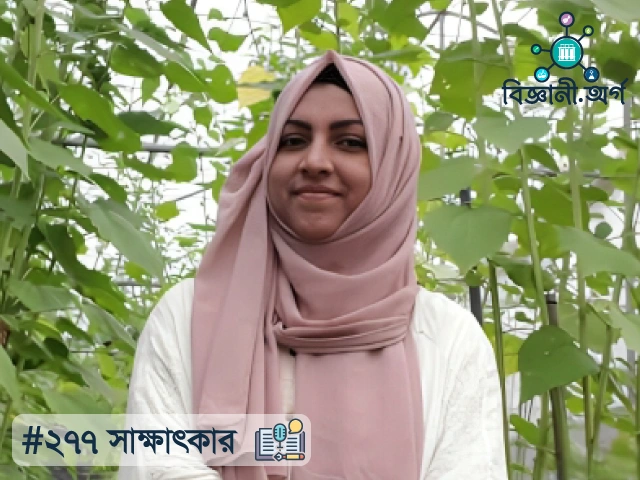
ড. ফাহমিদা সুলতানা কৃষি গবেষণা ও উন্নয়ন ক্ষেত্রে সাত বছরেরও বেশি সময় ধরে কাজ করছেন। তিনি সম্প্রতি চীনের Chinese Academy of Agricultural Sciences (CAAS) থেকে Agronomy-সংক্রান্ত বিষয়ে পিএইচডি সম্পন্ন করেছেন। তাঁর গবেষণার একটি প্রধান ক্ষেত্র ছিল তুলা (Gossypium hirsutum L.)-এর ক্যানোপি আর্কিটেকচার, আলো ও পানি ব্যবহারের দক্ষতা এবং ফলন গঠন। CAAS-এর Institute of Cotton Research-এ তাঁর গবেষণার সঙ্গে তুলার বিভিন্ন জাত, ক্যানোপি কাঠামো, আলো গ্রহণ, পরিবেশগত চাপ ও ফলন-সম্পর্কিত গবেষণা যুক্ত ছিল। তাঁর একাধিক গবেষণাপত্র আন্তর্জাতিক বৈজ্ঞানিক জার্নালে প্রকাশিত হয়েছে।
বর্তমানে তিনি বাংলাদেশের ACI Crop Care-এর Research and Development বিভাগে Executive Researcher হিসেবে কাজ করছেন। তাঁর বর্তমান গবেষণা ও পেশাগত আগ্রহের মধ্যে রয়েছে কৃষি উদ্ভাবন, ফসল উন্নয়ন, নির্ভুল কৃষি, পরিবেশগত স্থায়িত্ব এবং কৃষিতে প্রযুক্তির ব্যবহার। ResearchGate প্রোফাইলে তাঁর ১১টি প্রকাশনা এবং গবেষণার বিভিন্ন ক্ষেত্রের তথ্য পাওয়া যায়।

তুলার ক্যানোপি কাঠামো ও আলো গ্রহণ নিয়ে তাঁর গবেষণায় বিভিন্ন জাতের উদ্ভিদ কাঠামো, আলো গ্রহণ, পাতার ক্ষেত্রফল, জৈবভর ও ফলনের সম্পর্ক বিশ্লেষণ করা হয়েছে।
💬 প্রশ্নোত্তর পর্ব
প্রশ্ন: প্রথমেই আপনার সম্বন্ধে আমরা জানতে চাই।
উত্তর: ধন্যবাদ। আমি ড. ফাহমিদা সুলতানা। কৃষি গবেষণা ও উন্নয়ন ক্ষেত্রে আমার সাত বছরেরও বেশি গবেষণা অভিজ্ঞতা রয়েছে। সম্প্রতি আমি চীনের Chinese Academy of Agricultural Sciences (CAAS) থেকে Agronomy বিষয়ে PhD সম্পন্ন করেছি, যেখানে আমার গবেষণার মূল বিষয় ছিল তুলার ক্যানোপি আর্কিটেকচার, আলো ও পানির ব্যবহার দক্ষতা এবং ফলন গঠন প্রক্রিয়া।
আমার একাডেমিক ও গবেষণা যাত্রায় আমি জার্মপ্লাজম মূল্যায়ন, ফসল উন্নয়ন, পরীক্ষণ নকশা, মাঠ গবেষণা, পরিসংখ্যান বিশ্লেষণ এবং আধুনিক গবেষণা প্রযুক্তি ব্যবহারের মাধ্যমে টেকসই কৃষি উন্নয়নে কাজ করার সুযোগ পেয়েছি। গবেষণার ফলাফল হিসেবে আন্তর্জাতিক মানের বিভিন্ন Q1 জার্নালে আমার একাধিক প্রকাশনা রয়েছে।
বর্তমানে আমি ACI Limited-এ Executive, Research & Development হিসেবে কর্মরত আছি, যেখানে গবেষণাভিত্তিক উদ্ভাবন, প্রযুক্তি মূল্যায়ন এবং কৃষকের জন্য কার্যকর সমাধান উন্নয়নের সঙ্গে যুক্ত আছি।
আমি বিশ্বাস করি, বিজ্ঞানভিত্তিক গবেষণা তখনই অর্থবহ হয়, যখন তা বাস্তব কৃষি সমস্যার সমাধানে অবদান রাখতে পারে। তাই জ্ঞান, গবেষণা ও উদ্ভাবনের সমন্বয়ে কৃষি খাতের টেকসই উন্নয়নে ভূমিকা রাখাই আমার পেশাগত লক্ষ্য।
আমার গবেষণার মূল বিষয় ছিল স্মার্ট কৃষি প্রযুক্তি ব্যবহার করে তুলার উৎপাদনশীলতা বৃদ্ধি করা। আমি গবেষণা করেছি কীভাবে গাছের গঠন, সূর্যালোক গ্রহণের দক্ষতা, পানি ব্যবস্থাপনা এবং পরিবেশগত তথ্য বিশ্লেষণের মাধ্যমে ফসলের বৃদ্ধি ও ফলন উন্নত করা যায়। এ গবেষণায় মাঠ পর্যায়ের পর্যবেক্ষণের পাশাপাশি সেন্সরভিত্তিক তথ্য সংগ্রহ, পরিসংখ্যান বিশ্লেষণ এবং আধুনিক ডেটা-নির্ভর পদ্ধতি ব্যবহার করা হয়েছে। গবেষণার লক্ষ্য ছিল এমন কৃষি ব্যবস্থাপনা কৌশল তৈরি করা, যা কম সম্পদ ব্যবহার করে অধিক উৎপাদন নিশ্চিত করতে পারে এবং ভবিষ্যতের টেকসই ও প্রযুক্তিনির্ভর কৃষিকে সমর্থন করে।
প্রশ্ন: আপনার গবেষণার বিষয় কী?
উত্তর: আমার গবেষণার মূল বিষয় হলো কীভাবে ফসলকে আরও বেশি উৎপাদনশীল, পরিবেশ-সহনশীল এবং কৃষকের জন্য লাভজনক করা যায়। আমি বিশেষভাবে তুলা ফসল নিয়ে কাজ করেছি। গবেষণায় আমি দেখেছি, গাছের গঠন, পাতার বিন্যাস, সূর্যের আলো গ্রহণের ক্ষমতা এবং পানির ব্যবহার কীভাবে ফসলের বৃদ্ধি ও ফলনকে প্রভাবিত করে।
সহজভাবে বললে, আমি এমন উপায় খুঁজে বের করার চেষ্টা করেছি, যাতে একটি গাছ তার আশপাশের আলো ও পানি আরও দক্ষভাবে ব্যবহার করতে পারে এবং একই জমিতে বেশি ফলন দিতে পারে। এছাড়া আমি বিভিন্ন জাতের ফসলের বৈশিষ্ট্য তুলনা করে তাদের শক্তি ও দুর্বলতা বিশ্লেষণ করেছি, যাতে ভবিষ্যতে উন্নত জাত উদ্ভাবন করা যায়।
আমার আগ্রহের আরেকটি গুরুত্বপূর্ণ ক্ষেত্র হলো উদ্ভিদ কীভাবে খরা, অতিরিক্ত তাপমাত্রা বা অন্যান্য পরিবেশগত চাপের সঙ্গে খাপ খাইয়ে নেয়। এসব গবেষণার চূড়ান্ত লক্ষ্য হলো এমন প্রযুক্তি ও জ্ঞান তৈরি করা, যা কৃষকদের উৎপাদন বাড়াতে সহায়তা করবে এবং টেকসই কৃষি নিশ্চিত করবে।
প্রশ্ন: আপনার গবেষণার কাজগুলো কীভাবে আমাদের উপকৃত করছে কিংবা করবে?
উত্তর: আমার গবেষণার মূল লক্ষ্য হলো কৃষিকে আরও কার্যকর, লাভজনক এবং টেকসই করে তোলা। পিএইচডি গবেষণায় আমি ফসল কীভাবে আলো ও পানি আরও দক্ষভাবে ব্যবহার করে বেশি ফলন দিতে পারে, সে বিষয় নিয়ে কাজ করেছি। বর্তমানে ACI Crop Care-এর গবেষণা ও উন্নয়ন (R&D) বিভাগে কাজ করছি, যেখানে কৃষিজমিতে কীটনাশকের কার্যকর ও পরিমিত ব্যবহার এবং বিভিন্ন ফসলের জন্য সঠিক মাত্রা (ডোজ) নির্ধারণের ওপর গবেষণা করছি।
কৃষিতে কীটনাশকের সঠিক ব্যবহার অত্যন্ত গুরুত্বপূর্ণ। প্রয়োজনের তুলনায় বেশি ব্যবহার করলে পরিবেশ, মাটি ও মানুষের স্বাস্থ্যের ক্ষতি হতে পারে, আবার কম ব্যবহার করলে কাঙ্ক্ষিত ফল পাওয়া যায় না। তাই আমার কাজের একটি গুরুত্বপূর্ণ অংশ হলো বৈজ্ঞানিকভাবে যাচাই করে এমন ডোজ নির্ধারণ করা, যা কৃষকদের সর্বোচ্চ সুরক্ষা ও ফলন নিশ্চিত করতে সাহায্য করবে।
এই গবেষণার মাধ্যমে কৃষকরা সময়মতো সঠিক পরামর্শ পেতে পারেন, উৎপাদন খরচ কমাতে পারেন এবং অধিক ফলন অর্জন করতে পারেন। একই সঙ্গে পরিবেশের ওপর নেতিবাচক প্রভাব কমিয়ে নিরাপদ ও টেকসই কৃষি ব্যবস্থা গড়ে তুলতেও এই কাজ ভূমিকা রাখবে। আমার বিশ্বাস, গবেষণাগার থেকে মাঠ পর্যন্ত বিজ্ঞানভিত্তিক জ্ঞান পৌঁছে দেওয়াই কৃষির উন্নয়ন এবং দেশের খাদ্যনিরাপত্তা নিশ্চিত করার অন্যতম কার্যকর উপায়।
প্রশ্ন: গবেষণা কাজের বিশেষ কোনো অভিজ্ঞতা কি আমাদের সঙ্গে শেয়ার করবেন?
উত্তর: এই প্রশ্নের উত্তরে বর্তমানে শেয়ার করার মতো নির্দিষ্ট কোনো অভিজ্ঞতা নেই।
প্রশ্ন: একজন বিজ্ঞানীর কী কী গুণ থাকা প্রয়োজন বলে মনে করেন?
উত্তর: আমার মতে, একজন বিজ্ঞানীর সবচেয়ে গুরুত্বপূর্ণ গুণ হলো পরিশ্রমী হওয়া। গবেষণার পথে সব সময় কাঙ্ক্ষিত ফল পাওয়া যায় না; অনেক সময় ব্যর্থতা, চ্যালেঞ্জ এবং দীর্ঘ অপেক্ষার মধ্য দিয়ে এগোতে হয়। তাই ধৈর্য, অধ্যবসায় এবং কঠোর পরিশ্রম একজন বিজ্ঞানীর জন্য অপরিহার্য।
এছাড়া বর্তমান সময়ে একজন বিজ্ঞানীকে অবশ্যই সময়ের সঙ্গে নিজেকে আপডেট রাখতে হবে। বিজ্ঞান ও প্রযুক্তির জগৎ প্রতিনিয়ত পরিবর্তিত হচ্ছে। নতুন গবেষণা পদ্ধতি, নতুন আবিষ্কার এবং বিশ্বজুড়ে উদ্ভাবিত আধুনিক প্রযুক্তি সম্পর্কে নিয়মিত জানতে ও শিখতে হবে। একজন গবেষক যদি নতুন জ্ঞান ও প্রযুক্তির সঙ্গে নিজেকে সম্পৃক্ত রাখতে পারেন, তাহলে তিনি আরও কার্যকর ও যুগোপযোগী গবেষণা পরিচালনা করতে পারবেন।
সবশেষে, আমি মনে করি একজন ভালো বিজ্ঞানীর কৌতূহলী মন থাকা খুবই গুরুত্বপূর্ণ। নতুন কিছু জানার আগ্রহ, প্রশ্ন করার সাহস এবং সমস্যার সমাধান খুঁজে বের করার মানসিকতাই একজন মানুষকে প্রকৃত বিজ্ঞানী হিসেবে গড়ে তোলে।
প্রশ্ন: বাংলাদেশের তরুণ শিক্ষার্থী যারা বিজ্ঞানে কাজ করতে চায়—তাদের জন্য আপনার কোনো বার্তা আছে কি?
উত্তর: বাংলাদেশের তরুণ শিক্ষার্থীদের উদ্দেশ্যে আমি বলতে চাই, যারা বিজ্ঞানে এবং গবেষণায় কাজ করতে আগ্রহী, তারা যেন গবেষণাকে কঠিন বা ভয়ের কিছু মনে না করে। গবেষণার পথে চ্যালেঞ্জ আসবে, অনেক সময় কাঙ্ক্ষিত ফল পেতে দেরি হবে, কিন্তু ধৈর্য, পরিশ্রম এবং সঠিক কৌশল অবলম্বন করলে অবশ্যই সফল হওয়া সম্ভব।
বিজ্ঞান এমন একটি ক্ষেত্র, যেখানে শেখার কোনো শেষ নেই। তাই নতুন কিছু জানার আগ্রহ সবসময় ধরে রাখতে হবে। বর্তমানে বিশ্বজুড়ে প্রতিনিয়ত নতুন নতুন গবেষণা পদ্ধতি, প্রযুক্তি এবং উদ্ভাবন যুক্ত হচ্ছে। একজন শিক্ষার্থী হিসেবে এসব বিষয়ে নিয়মিত জানার চেষ্টা করতে হবে এবং নতুন দক্ষতা অর্জনের জন্য ধারাবাহিক অনুশীলন চালিয়ে যেতে হবে।
সবচেয়ে গুরুত্বপূর্ণ বিষয় হলো কৌতূহলী থাকা এবং প্রশ্ন করতে শেখা। একটি ছোট প্রশ্ন থেকেই অনেক সময় বড় আবিষ্কারের সূচনা হয়। তাই নিজের স্বপ্নের প্রতি বিশ্বাস রাখুন, শেখার আগ্রহ ধরে রাখুন এবং নিরলসভাবে কাজ করে যান।
যোগাযোগের তথ্য
📧 ইমেইল: [email protected]
🔗 প্রোফাইল লিংক
🔬 ResearchGate: ResearchGate Profile
ড. ফাহমিদা সুলতানার গবেষণার অভিজ্ঞতায় কৃষি উৎপাদনশীলতা, উদ্ভিদের গঠন, আলো ও পানি ব্যবহারের দক্ষতা এবং পরিবেশগত চাপ মোকাবিলার মতো গুরুত্বপূর্ণ বিষয় উঠে এসেছে। তাঁর গবেষণার পাশাপাশি কৃষি গবেষণার ফলাফলকে বাস্তব কৃষি ব্যবস্থাপনায় প্রয়োগের ওপর গুরুত্ব দেওয়ার দৃষ্টিভঙ্গিও উল্লেখযোগ্য। গবেষণার মাধ্যমে বাস্তব সমস্যার সমাধান এবং কৃষকের জন্য কার্যকর প্রযুক্তি ও ব্যবস্থাপনা কৌশল তৈরির এই প্রচেষ্টা বাংলাদেশের টেকসই কৃষি উন্নয়নে গুরুত্বপূর্ণ ভূমিকা রাখতে পারে। বিজ্ঞানী অর্গ টিম ড. ফাহমিদা সুলতানার গবেষণা ও পেশাগত জীবনের ধারাবাহিক সাফল্য কামনা করছে। তাঁর গবেষণার অভিজ্ঞতা বাংলাদেশের তরুণ শিক্ষার্থীদের বিজ্ঞান ও কৃষি গবেষণায় আগ্রহী হতে অনুপ্রেরণা জোগাক—এই প্রত্যাশা।
Smart Agriculture, Crop Productivity and Sustainable Farming — A Conversation with Dr. Fahmida Sultana
Dr. Fahmida Sultana has more than seven years of experience in agricultural research and development. She recently completed her PhD in Agronomy from the Chinese Academy of Agricultural Sciences (CAAS), China. Her doctoral research focused on cotton canopy architecture, light interception, water-use efficiency, and yield formation. Her research interests also include germplasm evaluation, crop improvement, experimental design, field research, statistical analysis, and the application of modern research technologies in sustainable agriculture.
Dr. Sultana is currently working as an Executive in Research & Development at ACI Crop Care, ACI Limited, Bangladesh. Her current professional work involves research-based innovation, technology evaluation, and developing practical solutions for agriculture. She is particularly interested in improving crop productivity while ensuring efficient resource use and environmental sustainability.
Her research has examined how plant architecture, leaf arrangement, sunlight interception, and water use influence crop growth and yield. She has also worked on comparing crop varieties and understanding plant responses to environmental stresses such as drought and high temperatures. Her research publications include work published in international scientific journals. She is currently contributing to agricultural research and development in Bangladesh.
💬 Interview
Question: First, could you tell us about yourself?
Answer: Thank you. I am Dr. Fahmida Sultana. I have more than seven years of research experience in agricultural research and development. Recently, I completed my PhD in Agronomy from the Chinese Academy of Agricultural Sciences (CAAS), where my research focused on cotton canopy architecture, light and water-use efficiency, and yield formation.
Throughout my academic and research journey, I have had the opportunity to work on germplasm evaluation, crop improvement, experimental design, field research, statistical analysis, and modern research technologies for sustainable agricultural development. As a result of my research, I have published several papers in international Q1 journals.
Currently, I am working as an Executive in Research & Development at ACI Limited, where I am involved in research-based innovation, technology evaluation, and developing practical solutions for farmers.
I believe scientific research becomes meaningful when it contributes to solving real-world agricultural problems. Therefore, my professional goal is to contribute to the sustainable development of agriculture through the integration of knowledge, research, and innovation.
My research focused on increasing cotton productivity through smart agricultural technologies. I investigated how plant architecture, sunlight interception efficiency, water management, and environmental data analysis can improve crop growth and yield. Alongside field observations, the research involved sensor-based data collection, statistical analysis, and modern data-driven approaches. The goal was to develop agricultural management strategies that could achieve higher production with fewer resources and support the future of sustainable and technology-driven agriculture.
Question: What is your research about?
Answer: My research focuses on how crops can be made more productive, environmentally resilient, and profitable for farmers. I have worked particularly on cotton. In my research, I studied how plant architecture, leaf arrangement, sunlight interception, and water use affect crop growth and yield.
Simply put, I have tried to identify ways in which a plant can use the available light and water more efficiently and produce higher yields from the same area of land. I have also compared the characteristics of different crop varieties and analyzed their strengths and weaknesses to support the development of improved varieties in the future.
Another important area of my interest is understanding how plants adapt to drought, high temperatures, and other environmental stresses. The ultimate goal of this research is to develop knowledge and technologies that can help farmers increase productivity and support sustainable agriculture.
Question: How does your research benefit, or have the potential to benefit, society?
Answer: The main goal of my research is to make agriculture more efficient, profitable, and sustainable. During my PhD research, I worked on how crops can use light and water more efficiently to achieve higher yields. Currently, I am working in the Research and Development (R&D) division of ACI Crop Care, where I am involved in research on the effective and appropriate use of pesticides in agricultural fields and determining suitable application doses for different crops.
The proper use of pesticides is extremely important in agriculture. Excessive use can negatively affect the environment, soil, and human health, while insufficient application may fail to provide the desired results. Therefore, an important part of my work is to scientifically evaluate and determine appropriate doses that can help ensure effective crop protection and productivity for farmers.
Through this research, farmers can receive appropriate recommendations at the right time, reduce production costs, and achieve better yields. At the same time, it can contribute to reducing negative environmental impacts and developing safer and more sustainable agricultural systems. I believe that transferring science-based knowledge from the laboratory to the field is one of the most effective ways to improve agriculture and strengthen food security.
Question: Is there any particular research experience you would like to share with us?
Answer: I do not have any specific research experience to share in response to this question at present.
Question: What qualities do you think a scientist should have?
Answer: In my opinion, one of the most important qualities of a scientist is being hardworking. Researchers do not always achieve their desired results. The research journey often involves failures, challenges, and long periods of waiting. Therefore, patience, perseverance, and hard work are essential qualities for a scientist.
In addition, scientists must continuously update themselves in the modern era. The world of science and technology is constantly changing. Researchers need to regularly learn about new research methods, discoveries, and modern technologies being developed around the world. If a researcher remains engaged with new knowledge and technologies, they can conduct more effective and relevant research.
Finally, I believe that having a curious mind is extremely important for a good scientist. The desire to learn something new, the courage to ask questions, and the mindset to find solutions to problems are what help shape a person into a true scientist.
Question: What message would you like to give to young Bangladeshi students who want to pursue science and research?
Answer: I would like to tell young Bangladeshi students who are interested in science and research not to consider research something difficult or frightening. There will be challenges along the way, and sometimes it may take a long time to achieve the desired results. However, with patience, hard work, and the right strategies, success is certainly possible.
Science is a field where learning never ends. Therefore, students should always maintain their curiosity and interest in learning new things. New research methods, technologies, and innovations are emerging around the world every day. As students, they should regularly try to learn about these developments and continuously practice to acquire new skills.
Most importantly, remain curious and learn to ask questions. Sometimes a major discovery begins with a small question. So, believe in your dreams, maintain your enthusiasm for learning, and continue working with dedication.
Contact Information
📧 Email: [email protected]
🔗 Profile Links
🔬 ResearchGate: ResearchGate Profile
Dr. Fahmida Sultana’s research experience highlights important aspects of agricultural productivity, plant architecture, efficient use of light and water, and plant responses to environmental stresses. Her focus on applying research findings to real-world agricultural practices also reflects the practical importance of science-based innovation. Developing effective technologies and management strategies through research can contribute to sustainable agricultural development and provide practical benefits for farmers. The Biggani.org team wishes Dr. Fahmida Sultana continued success in her research and professional journey. We hope her experience and dedication will encourage more young Bangladeshi students to pursue science, research, and agricultural innovation.




Leave a comment