


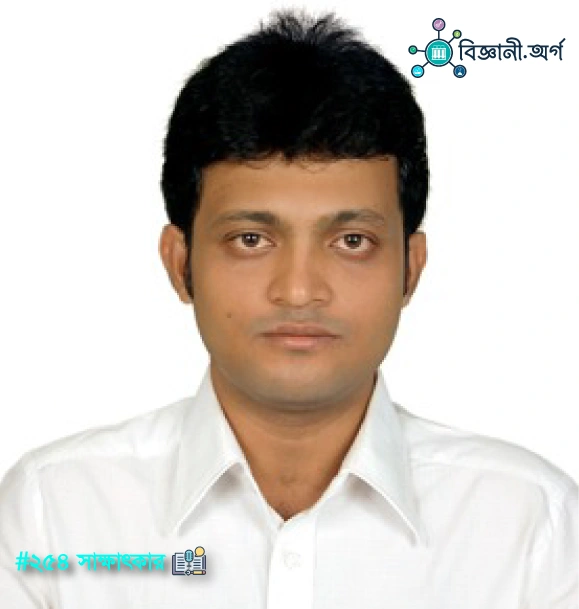
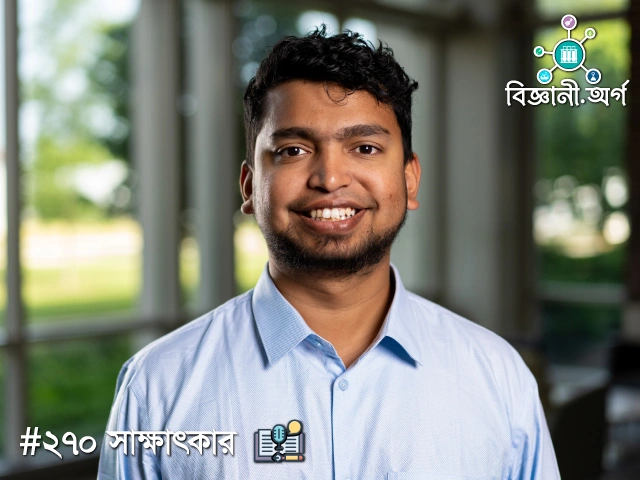
ড. মোঃ আসিফ ইকবাল মেহেরপুর জেলার গাংনী থানার চিতলা গ্রামে জন্মগ্রহণ করেন। শৈশবে গ্রামের পাশেই অবস্থিত বিএডিসির খামারের কার্যক্রম দেখে তিনি কৃষিশিক্ষায় উৎসাহিত হন। তিনি শেরেবাংলা কৃষি বিশ্ববিদ্যালয় থেকে স্নাতক (সম্মান) এবং সীড টেকনোলজিতে স্নাতকোত্তর ডিগ্রি অর্জন করেন। পরবর্তীতে জাপানের কাগোসিমা ইউনিভার্সিটির ইউনাইটেড গ্র্যাজুয়েট স্কুল অব এগ্রিকালচার থেকে পিএইচডি অর্জন করেন। বর্তমানে তিনি বিএডিসি, ফেনীতে সিনিয়র সহকারী পরিচালক (ডাল ও তেল বীজ) হিসেবে কর্মরত আছেন। বায়ুমণ্ডলীয় রসায়ন ও উদ্ভিদের আইসোপ্রিন নির্গমনের ওপর পিএইচডি গবেষণার পাশাপাশি বর্তমানে তিনি বাংলাদেশে ডাল ও তেল বীজের জাত বিশুদ্ধকরণ, স্থানীয় জাত উন্নয়ন এবং লবণাক্ত অঞ্চলে ন্যানোটেকনোলজি প্রয়োগভিত্তিক গবেষণা পরিচালনা করছেন।
💬 প্রশ্নোত্তর পর্ব:

প্রশ্ন: প্রথমেই আপনার সম্বন্ধে এবং আপনার শিক্ষাজীবন সম্পর্কে জানতে চাই।
উত্তর: আমি ড. মোঃ আসিফ ইকবাল। বাংলাদেশের সবচেয়ে ছোট ও মুক্তিযুদ্ধের স্মৃতিবিজড়িত জেলা মেহেরপুরের গাংনী থানার চিতলা গ্রামে জন্মগ্রহণ করি। আমাদের গ্রামের পাশেই বিএডিসির একটি সুবিশাল খামার রয়েছে। এই খামারের কার্যক্রম দেখেই আমি বড় হয়েছি, যা আমাকে কৃষিতে পড়তে উদ্বুদ্ধ করেছে। এর প্রেক্ষিতে আমি শেরেবাংলা কৃষি বিশ্ববিদ্যালয় থেকে অনার্স এবং পরবর্তীতে সীড টেকনোলজিতে মাস্টার্স সম্পন্ন করি। গবেষণার প্রতি তীব্র আগ্রহ থাকায় অনার্সে থাকাকালীন সময় থেকেই বিভিন্ন গবেষণার সাথে যুক্ত হতে থাকি। এর ধারাবাহিকতায় জাপানের কাগোসিমা ইউনিভার্সিটির ইউনাইটেড গ্র্যাজুয়েট স্কুল অব এগ্রিকালচার থেকে পিএইচডি সম্পন্ন করি। বর্তমানে আমার পরিবারে দুই কন্যা সন্তানসহ ফেনীতে বসবাস করছি। আমার স্ত্রী ফেনী গার্লস ক্যাডেট কলেজের একজন প্রভাষক, যিনি নিজেও জাপানের ইউনিভার্সিটি অব দ্য রিউকিউস থেকে হিউম্যান সাইন্সে মাস্টার্স সম্পন্ন করেছেন।
প্রশ্ন: আপনার পিএইচডি গবেষণার বিষয় এবং মাঠপর্যায়ে বর্তমানে আপনার মূল কাজের ক্ষেত্রগুলো কী কী?
উত্তর: আমার পিএইচডি গবেষণার মূল বিষয় ছিল আইসোপ্রিন—এটি এমন একটি হাইড্রোকার্বন, যা উদ্ভিদ সবচেয়ে বেশি নির্গত করে এবং এটি বায়ুমণ্ডলীয় রসায়নে (Atmospheric Chemistry) অত্যন্ত গুরুত্বপূর্ণ। আইসোপ্রিন একদিকে উদ্ভিদের পরিবেশগত চাপ (Environmental stress) কমায়, অন্যদিকে বায়ুমণ্ডলে গিয়ে গ্রীনহাউস গ্যাস তৈরিতে ভূমিকা রাখে। আমার গবেষণায় আইসোপ্রিন উৎপাদনের মিথাইল এরিথ্রিটল ফসফেট (MEP) পাথওয়ে, হরমোনাল সিগন্যালিং জিন, সারকাডিয়ান রিদম জিনের এক্সপ্রেশন এবং মেটাবোলাইট পুল সাইজ বিশ্লেষণের মাধ্যমে প্ল্যান্ট হরমোন কীভাবে আইসোপ্রিন জিনের প্রমোটরকে প্রভাবিত করে তা বের করা হয়েছে। এছাড়া খরা ও ঠাণ্ডার মতো পরিবেশগত প্রতিকূলতায় উদ্ভিদের ভেতরের হরমোনাল সিগন্যালিং ব্যবস্থা কীভাবে কাজ করে, তা বিশ্লেষণ করা হয়েছে।
বর্তমানে আমি যে প্রতিষ্ঠানে (বিএডিসি) কর্মরত আছি, সেখানে গবেষণাকে প্রাধান্য দিয়েই কাজ করছি। বর্তমানে আমরা বিভিন্ন লোকাল ভ্যারাইটি (স্থানীয় জাত) নিয়ে কাজ করার পাশাপাশি জাত বিশুদ্ধকরণের কাজ করছি। এছাড়া উপকূলীয় ও লবণাক্ত এলাকায় ডাল ও তেল বীজের সম্প্রসারণ ও মানোন্নয়নে বিভিন্ন গবেষণার সাথে যুক্ত আছি। পরবর্তীতে ন্যানোপার্টিক্যালের প্রয়োগ ঘটিয়ে লবণাক্ত এলাকার বীজের সহনশীলতা ও মান বৃদ্ধিতে কাজ করার ইচ্ছে আছে।
প্রশ্ন: আপনার গবেষণার কাজগুলি কীভাবে দেশ ও সমাজকে উপকৃত করছে বা করবে?
উত্তর: জলবায়ু পরিবর্তনের কারণে উদ্ভিদ যখন পরিবেশগত চাপে পড়ে, তখন নিজেকে রক্ষা করার জন্য আইসোপ্রিন নির্গমন বাড়ায়—যা আবার গ্রীনহাউস গ্যাস তৈরি করে। আমার গবেষণা মলিকুলার পর্যায়ে প্ল্যান্ট হরমোন-নিয়ন্ত্রিত এই সিগন্যালিং ব্যবস্থা সম্পর্কে নতুন ধারণা দিয়েছে, যা পরবর্তী গবেষকদের দিকনির্দেশনা দেবে।
পাশাপাশি বর্তমানে বাংলাদেশে স্থানীয় জাত বিশুদ্ধকরণ এবং লবণাক্ত অঞ্চলে ডাল ও তেল বীজ নিয়ে যে কাজ করছি, তা জলবায়ু পরিবর্তনের অভিঘাত মোকাবেলা করে দেশের কৃষি উৎপাদন ও খাদ্য নিরাপত্তা নিশ্চিত করতে সরাসরি ভূমিকা রাখবে। ন্যানোটেকনোলজির ব্যবহার লবণাক্ত অঞ্চলের চাষাবাদে নতুন দিগন্ত উন্মোচন করবে।
প্রশ্ন: গবেষণা জীবনের বিশেষ কোনো অভিজ্ঞতা আমাদের সাথে শেয়ার করবেন?
উত্তর: গবেষণা হচ্ছে চেষ্টা ও ধৈর্যের পরীক্ষা। সবসময় গবেষণায় সফল হবেন—এমনটা নাও হতে পারে। পিএইচডিতে টানা ছয় মাস কাজ করার পর আমরা কোনো কাঙ্ক্ষিত রেজাল্ট পাইনি, ফলে সেই ছয় মাসের পুরো পরিশ্রমই ভেস্তে গিয়েছিল। আমি অনেক হতাশ হয়ে পড়েছিলাম, এমনকি মাঝপথে পিএইচডি ছেড়ে দেওয়ার চিন্তাও করেছিলাম। তবে পুনরায় নিজের মনোবল ও পরিবারের উৎসাহে ঘুরে দাঁড়াতে পেরেছি এবং সফলভাবে পিএইচডি সম্পন্ন করেছি।
প্রশ্ন: একজন বিজ্ঞানীর কী কী গুণ থাকা প্রয়োজন বলে মনে করেন?
উত্তর: ধৈর্য, পরিশ্রমী মনোভাব, উচ্চ নৈতিকতা, সততা এবং গবেষণার প্রতি প্রবল আগ্রহ থাকা আবশ্যক।
প্রশ্ন: বাংলাদেশের তরুণ শিক্ষার্থী যারা বিজ্ঞানে আসতে চায়—তাদের উদ্দেশ্যে আপনার বার্তা কী?
উত্তর: বিজ্ঞান অত্যন্ত আগ্রহের ও সম্ভাবনার জায়গা। বিজ্ঞান ও গবেষণার জগৎটা এতই বিশাল যে একবার প্রবেশ না করলে তা অনুধাবন করা যায় না। সারা বিশ্বজুড়ে গবেষণার অশেষ চাহিদা রয়েছে। কেউ যদি সততা ও আগ্রহ নিয়ে এই পথে এগিয়ে আসে, তবে তার সফলতা আসবেই।
যোগাযোগের তথ্য
📧 ইমেইল: [email protected]
ড. মোঃ আসিফ ইকবালের এই বহুমুখী গবেষণা কেবল বায়ুমণ্ডলীয় রসায়নের মলিকুলার পর্যায় অনুধাবন করতেই সাহায্য করে না, বরং দেশের লবণাক্ত অঞ্চলের কৃষি ও বীজ সুরক্ষায় গুরুত্বপূর্ণ ভূমিকা রাখছে। ল্যাবরেটরির গবেষণাকে মাঠপর্যায়ে দেশের কৃষকদের কল্যাণে প্রয়োগ করার যে প্রয়াস তিনি চালাচ্ছেন, তা অত্যন্ত প্রশংসনীয়। বিগবিজ্ঞানী ডট অর্গ (biggani.org) টিম ড. মোঃ আসিফ ইকবালের উত্তরোত্তর সাফল্য কামনা করছে। তাঁর নিষ্ঠা ও কাজের ধারা বাংলাদেশের তরুণ বিজ্ঞানীদের গবেষণায় আত্মনিয়োগ করতে অনুপ্রাণিত করবে।
Climate Change, Salinity, and Plant Gene Signaling: An Interview with Dr. Md. Asif Iqbal
Dr. Md. Asif Iqbal was born in Chitla, a small village in Gangni Upazila of Meherpur, the smallest district in Bangladesh with rich memories of the Liberation War. Growing up near a large Bangladesh Agricultural Development Corporation (BADC) farm inspired his early passion for agricultural science. He earned his Bachelor’s degree (Honors) from Sher-e-Bangla Agricultural University and completed his Master’s in Seed Technology. Subsequently, he completed his PhD at the United Graduate School of Agricultural Sciences, Kagoshima University, Japan. Currently, he serves as Senior Assistant Director (Pulses and Oilseeds) at BADC in Feni. Alongside his doctoral work on atmospheric chemistry and plant isoprene emissions, his current focus includes variety purification of pulses and oilseeds, local variety development, and research on applying nanotechnology to seeds in saline areas of Bangladesh.
💬 Questions & Answers:
Question: To begin with, we would like to know about your background and educational journey.
Answer: I am Dr. Md. Asif Iqbal. I was born in Chitla, a small village in Gangni, Meherpur—the smallest district in Bangladesh, steeped in the history of our Liberation War. A large BADC farm was located right next to our village, and growing up watching its activities inspired me to pursue agriculture. Consequently, I completed my Bachelor’s at Sher-e-Bangla Agricultural University and later obtained my Master’s in Seed Technology. Driven by a keen interest in research, I became involved in various projects during my undergraduate years, which eventually led me to complete my PhD at the United Graduate School of Agricultural Sciences, Kagoshima University, Japan. Currently, I reside in Feni with my family, including my two daughters. My wife is a lecturer at Feni Girls’ Cadet College and holds a Master’s degree in Human Sciences from the University of the Ryukyus, Japan.
Question: What was your PhD research focus, and what are your primary areas of work now?
Answer: My PhD research focused on isoprene—a hydrocarbon emitted in significant amounts by plants, which plays a crucial role in atmospheric chemistry. Isoprene helps plants reduce environmental stress while also contributing to greenhouse gas formation in the atmosphere. My study analyzed how plant hormones influence the promoter of isoprene genes by examining the Methylerythritol Phosphate (MEP) pathway, hormonal signaling genes, circadian rhythm genes, and metabolite pool sizes. Additionally, I investigated how internal hormonal signaling impacts isoprene emissions under environmental stresses like drought and cold.
Currently, at BADC, my work heavily prioritizes research. We are working on local crop varieties, carrying out variety purification, and conducting research on pulses and oilseeds tailored for coastal and saline regions. Looking ahead, I plan to explore the application of nanoparticles to improve seed resilience and quality in saline-prone areas.
Question: How is your research work benefiting—or how will it benefit—society and the country?
Answer: Due to climate change, plants experience environmental stress and release isoprene as a defense mechanism, which in turn contributes to greenhouse gases. My research offers new insights into the plant hormone-regulated signaling mechanism at the molecular level, serving as a roadmap for future researchers studying stress mitigation in plants.
Furthermore, my current efforts in Bangladesh toward local variety purification and developing resilient pulses and oilseeds for saline areas directly help mitigate climate change impacts, ensuring agricultural productivity and national food security. Integrating nanotechnology into saline agriculture will also open up new frontiers.
Question: Could you share a memorable experience from your research journey?
Answer: Research demands effort and immense patience; success is not always immediate. During my PhD, after working continuously on a specific project for six months, we yielded no usable results, effectively wasting six months of hard work. I felt deeply frustrated and even considered dropping out of the PhD program. However, with renewed determination and encouraging support from my family, I overcame that difficult phase and successfully completed my doctorate.
Question: What qualities do you think a scientist must possess?
Answer: A scientist must be patient, hardworking, ethical, honest, and deeply passionate about research.
Question: What is your message for young students in Bangladesh who want to pursue science?
Answer: Science is a realm of curiosity and great potential. The world of science and research is so vast that one cannot fully comprehend it without stepping inside. There is immense global demand for quality research. If anyone approaches this path with genuine interest and dedication, success is bound to follow.
Contact Information
📧 Email: [email protected]
Dr. Md. Asif Iqbal’s versatile research not only advances our understanding of plant molecular signaling in atmospheric chemistry but also plays a vital role in protecting agriculture and seed development in Bangladesh’s saline regions. His endeavor to translate laboratory research into practical solutions for farmers in the field is truly commendable. The Biggani.org team extends its best wishes for Dr. Md. Asif Iqbal’s continued success. His dedication and achievements will serve as a constant source of inspiration for young Bangladeshi students pursuing scientific research.




Inspiration