


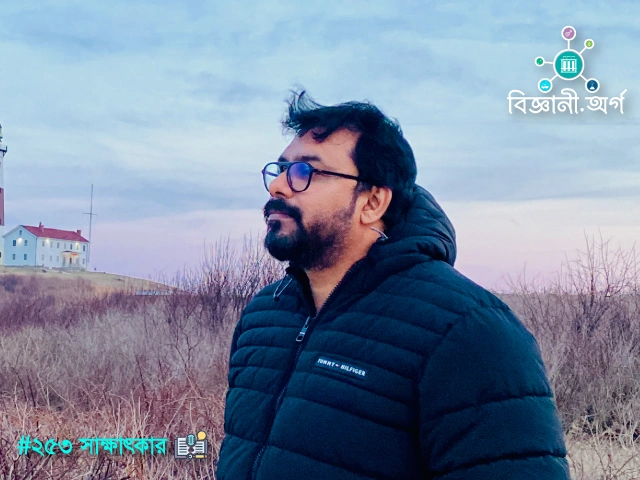
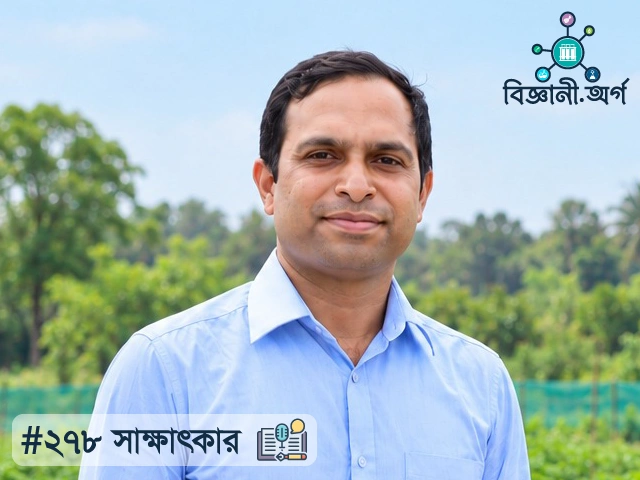
ড. মুহাম্মাদ আশরাফুল হাবীব বাংলাদেশের একজন কৃষি গবেষক এবং টেকসই কৃষি উন্নয়ন বিশেষজ্ঞ। তিনি ২০২৪ সালে বাংলাদেশ কৃষি বিশ্ববিদ্যালয়, ময়মনসিংহ থেকে জেনেটিকস অ্যান্ড প্ল্যান্ট ব্রিডিং (জিনتত্ত্ব ও উদ্ভিদ প্রজনন) বিষয়ে পিএইচডি ডিগ্রি অর্জন করেন। বিগত ১৫ বছরেরও বেশি সময় ধরে তিনি জলবায়ু-স্মার্ট কৃষি, সম্পদ সংরক্ষণ, জলবায়ু অভিযোজন, এবং সরবরাহ ব্যবস্থার উন্নয়নে দেশীয় ও আন্তর্জাতিক প্রেক্ষাপটে কাজ করছেন। বর্তমানে তিনি আন্তর্জাতিক ধান গবেষণা ইনস্টিটিউট (IRRI)-এ ‘Lead Specialist’ হিসেবে কর্মরত আছেন। তার বর্তমান দায়িত্বের মূল ক্ষেত্র হলো ইনোভেটিভ সিড সিস্টেম বা উদ্ভাবনী বীজ ব্যবস্থা বাস্তবায়নের মাধ্যমে কৃষকের মাঠপর্যায়ে জেনেটিক ও অর্থনৈতিক সুফলের দ্রুত বিস্তার নিশ্চিত করা। তিনি জাতীয় ও আন্তর্জাতিক বিভিন্ন প্রতিষ্ঠানের সাথে সমন্বয়, প্রযুক্তি হস্তান্তর এবং গ্রিনহাউস গ্যাস নির্গমন হ্রাস মডেল উন্নয়নে অবদান রাখছেন। প্রামাণিক কৃষি গবেষণায় অবদানের স্বীকৃতিস্বরূপ তিনি K-CAI Award, IRRI Seed Grant, J-PAL Staff Fellowship এবং Climate Warrior Certificate লাভ করেছেন। এছাড়া তার প্রায় ৫০টি বৈজ্ঞানিক প্রকাশনা, বই ও সংক্ষিপ্ত প্রবন্ধ রয়েছে।
💬 প্রশ্নোত্তর পর্ব:

প্রশ্ন: প্রথমেই আপনার সম্বন্ধে আমরা জানতে চাই।
উত্তর: আমি ড. মুহাম্মাদ আশরাফুল হাবীব, বাংলাদেশের একজন কৃষি গবেষক। কৃষিনির্ভর এই দেশের অর্থনৈতিক উন্নয়ন ও জীবিকা নিরাপত্তায় কৃষির ভূমিকা বিবেচনায় নিয়ে আমি গবেষণা ও উদ্ভাবনের মাধ্যমে কৃষি উন্নয়নের কাজে যুক্ত আছি। গত ১৫ বছরেরও বেশি সময় ধরে আমি ফলাফলভিত্তিক ও কার্যকর গবেষণার মাধ্যমে উন্নত প্রযুক্তি ও ব্যবস্থাপনার দ্রুত বিস্তার এবং গ্রহণযোগ্যতা বৃদ্ধির উদ্দেশ্যে কাজ করে আসছি। আমার কাজের ক্ষেত্রের মধ্যে রয়েছে জলবায়ু-স্মার্ট কৃষি, সম্পদ সংরক্ষণ, জলবায়ু অভিযোজন, উদ্যোগ ও জীবিকাভিত্তিক উদ্ভাবন, এবং বাংলাদেশি প্রেক্ষাপটে জেন্ডার অন্তর্ভুক্তি ও নীতিনির্ধারণ সহায়ক সমাধান উন্নয়ন।
বর্তমানে আমি International Rice Research Institute (IRRI)-এ Lead Specialist হিসেবে কর্মরত আছি। আমার বর্তমান দায়িত্বের মধ্যে রয়েছে ইনোভেটিভ সিড সিস্টেম বাস্তবায়নের মাধ্যমে কৃষকের মাঠপর্যায়ে জেনেটিক ও অর্থনৈতিক সুফলের দ্রুত বিস্তার নিশ্চিত করা। পাশাপাশি জাতীয় গবেষণা ও উন্নয়ন প্রতিষ্ঠানগুলোর সঙ্গে সমন্বিতভাবে কাজ করে ভ্যারাইটাল ইভালুয়েশন এবং বীজ বিস্তার কর্মসূচির কৌশল প্রণয়ন ও বাস্তবায়ন করা। আমি সরকারি ও বেসরকারি অংশীদারিত্বসমন্বয়, প্রযুক্তি হস্তান্তর ও সরবরাহ ব্যবস্থার উন্নয়ন, তহবিল সংগ্রহ এবং দাতা সংস্থা ব্যবস্থাপনাতেও যুক্ত আছি।
আমার কাজের উদ্দেশ্য হলো টেকসই ও জলবায়ু-স্মার্ট কৃষি প্রযুক্তি ও উদ্ভাবনের প্রভাব ও বিস্তার বৃদ্ধি করা। এ লক্ষ্যে আমি গ্রিনহাউস গ্যাস নির্গমন হ্রাস মডেল উন্নয়ন, জলবায়ু সহনশীল ও পুষ্টিসমৃদ্ধ ফসলের সম্প্রসারণ, এবং বাজার ও সম্প্রসারণ সংযোগ উন্নয়নের কাজ করছি।
আমি ২০২৪ সালে বাংলাদেশ কৃষি বিশ্ববিদ্যালয়, ময়মনসিংহ থেকে জেনেটিকস অ্যান্ড প্ল্যান্ট ব্রিডিং অর্থাৎ জিনতত্ত্ব ও উদ্ভিদ প্রজনন বিষয়ে পিএইচডি ডিগ্রি অর্জন করেছি। আমার পেশাগত জীবনে K-CAI Award, IRRI Seed Grant, J-PAL Staff Fellowship এবং Climate Warrior Certificate-সহ বিভিন্ন স্বীকৃতি অর্জন করেছি। এছাড়াও আমি প্রায় ৫০টি বৈজ্ঞানিক প্রকাশনা, বই ও সংক্ষিপ্ত প্রবন্ধ রচনা করেছি, যা প্রমাণভিত্তিক ও অন্তর্ভুক্তিমূলক কৃষি উন্নয়নে অবদান রাখছে।
প্রশ্ন: আপনার গবেষণার বিষয় কী?
উত্তর: আমার গবেষণার মূল ক্ষেত্রগুলোকে কয়েকটি ভাগে বিন্যস্ত করা যায়:
- জলবায়ু-স্মার্ট কৃষি ও জলবায়ু পরিবর্তন মোকাবিলা: কৃষি প্রযুক্তি ও পদ্ধতি, যা জলবায়ু পরিবর্তনের প্রভাব (যেমন খরা, বন্যা, তাপমাত্রা বৃদ্ধি) সহ্য করতে পারে এবং একই সঙ্গে উৎপাদন বজায় রাখে।
- সম্পদ সংরক্ষণ ও টেকসই কৃষি: মাটি, পানি ও অন্যান্য প্রাকৃতিক সম্পদ কীভাবে কম ক্ষতি করে দীর্ঘমেয়াদে ব্যবহার করা যায়, সেই বিষয়ে টেকসই মডেল ও সমাধান তৈরি।
- উন্নত জাত ও বীজ ব্যবস্থাপনা (Seed System & Variety Development): ডিজিটাল সিড সিস্টেমের মাধ্যমে উন্নত ধানের জাত এবং ভালো মানের বীজ কৃষকের কাছে দ্রুত পৌঁছানোর ব্যবস্থা উন্নত করা।
- প্রযুক্তি বিস্তার ও গ্রহণযোগ্যতা বৃদ্ধি: শুধু প্রযুক্তি তৈরি করাই নয়, কৃষকরা যেন সহজে তা গ্রহণ করতে পারে—সে জন্য কার্যকর প্রচার, প্রশিক্ষণ ও ব্যবস্থাপনা গ্রহণ।
- বাজার ও জীবিকাভিত্তিক উদ্ভাবন: কৃষকদের আয় বাড়ানোর জন্য বাজার সংযোগ, মূল্য শৃঙ্খল এবং জীবিকা উন্নয়নের নতুন উপায়সমূহ।
- জেন্ডার অন্তর্ভুক্তি ও নীতিসহায়তা: কৃষি উন্নয়নে নারী-পুরুষ সবার অংশগ্রহণ নিশ্চিত করা এবং নীতিনির্ধারণে সহায়তা করা।
- গ্রিনহাউস গ্যাস কমানোর গবেষণা: কৃষি থেকে নির্গত পরিবেশ দূষণ (বিশেষ করে গ্যাস নির্গমন) কীভাবে কমানো যায়, সেই বিষয়ে মডেল ও সমাধান তৈরি।
প্রশ্ন: আপনার গবেষণার কাজগুলি কীভাবে আমাদের উপকৃত করছে কিংবা করবে?
উত্তর: এই গবেষণা কার্যক্রমগুলো নিম্নোক্ত উপায়ে সমাজ ও রাষ্ট্রকে উপকৃত করছে:
- জলবায়ু-স্মার্ট কৃষি: খরা, বন্যা বা অতিরিক্ত তাপের মতো আবহাওয়ার ধাক্কা সত্ত্বেও ফসল টিকে থাকে এবং উৎপাদন স্থিতিশীল থাকে। এতে কৃষক বড় ক্ষতির ঝুঁকি থেকে বাঁচে।
- সম্পদ সংরক্ষণ ও টেকসই কৃষি: মাটি, পানি ও অন্যান্য প্রাকৃতিক সম্পদ নষ্ট না করে ব্যবহার করা হয়। ফলে ভবিষ্যতেও জমি উর্বর থাকে এবং দীর্ঘমেয়াদে কৃষি টিকে থাকে।
- উন্নত জাত ও বীজ ব্যবস্থাপনা: ভালো মানের বীজ দ্রুত কৃষকের কাছে পৌঁছালে উৎপাদন বাড়ে, রোগবালাই কমে এবং কৃষক বেশি লাভ পায়।
- প্রযুক্তি বিস্তার ও গ্রহণযোগ্যতা বৃদ্ধি: নতুন কৃষি প্রযুক্তি শুধু গবেষণাগারে সীমাবদ্ধ থাকে না, কৃষকের মাঠে পৌঁছে যায়। ফলে বাস্তবে উৎপাদন ও দক্ষতা বাড়ে।
- বাজার ও জীবিকাভিত্তিক উদ্ভাবন: কৃষক শুধু ফসল উৎপাদন নয়, ভালো দামে বিক্রি করার সুযোগ পায়। এতে তাদের আয় বাড়ে এবং জীবিকা উন্নত হয়।
- জেন্ডার অন্তর্ভুক্তি ও নীতিসহায়তা: নারী ও পুরুষ উভয় কৃষক সমানভাবে সুযোগ পায়। এতে কৃষি খাত আরও শক্তিশালী ও অন্তর্ভুক্তিমূলক হয়।
- গ্রিনহাউস গ্যাস কমানোর গবেষণা: পরিবেশ দূষণ কমে, জলবায়ু পরিবর্তনের গতি কিছুটা ধীর হয় এবং ভবিষ্যৎ প্রজন্মের জন্য পরিবেশ নিরাপদ থাকে।
প্রশ্ন: গবেষণা কাজের বিশেষ কোনো অভিজ্ঞতা কি আমাদের সাথে শেয়ার করবেন?
উত্তর: বাংলাদেশের বিভিন্ন অঞ্চল, বিভিন্ন কৃষি পরিবেশ এবং ভিন্ন ভিন্ন কৃষি ব্যবস্থার মধ্যে কাজ করার সুযোগ আমার হয়েছে। এসব অঞ্চলের কৃষক এবং কৃষি-সম্পৃক্ত মানুষদের সাথে কাজ করার অভিজ্ঞতা আমার গবেষণাজীবনের অন্যতম বড় প্রাপ্তি। তাদের সহজ-সরল, আন্তরিক এবং বাস্তববাদী জীবনধারা আমাকে প্রতিনিয়ত অনুপ্রাণিত করেছে। তারা অত্যন্ত স্বতঃস্ফূর্তভাবে গবেষণা কার্যক্রমে অংশগ্রহণ করেছেন এবং সহযোগিতার হাত বাড়িয়ে দিয়েছেন, যা আমার গবেষণাকে শুধু এগিয়ে নেয়নি বরং আরও বাস্তবভিত্তিক ও প্রাসঙ্গিক করে তুলেছে।
গবেষণার শুরুর দিকের সময়গুলো আমার জন্য বিশেষভাবে স্মরণীয়। সেই সময় field বা মাঠপর্যায়ের কৃষক ও সাধারণ মানুষের যে আন্তরিক আগ্রহ, কৌতূহল এবং সহযোগিতামূলক মনোভাব আমি দেখেছি, তা আমাকে গভীরভাবে নাড়া দিয়েছিল। অনেক ক্ষেত্রেই তারা নিজেরা এগিয়ে এসে তথ্য দিয়েছেন, অংশগ্রহণ করেছেন এবং গবেষণার কাজকে সফল করতে গুরুত্বপূর্ণ ভূমিকা রেখেছেন। তাদের এই অকৃত্রিম সহযোগিতা আমাকে বুঝিয়েছে যে কৃষি গবেষণা কেবল ল্যাব বা অফিসের কাজ নয়, बल्कि এটি মানুষের জীবন ও বাস্তবতার সাথে সরাসরি সম্পৃক্ত একটি জীবন্ত প্রক্রিয়া।
এই অভিজ্ঞতাগুলো আমাকে ধীরে ধীরে আরও গভীরভাবে কৃষি গবেষণার প্রতি নিবেদিত করেছে। কৃষকের সেই সাবলীলতা, সরলতা এবং আন্তরিকতা আমাকে বারবার মনে করিয়ে দিয়েছে যে আমার কাজ শুধু গবেষণা করা নয়, বরং তাদের জীবনে বাস্তব পরিবর্তন আনা। এই অনুভূতি ও অভিজ্ঞতাগুলোই আমাকে দেশ ও মানুষের কল্যাণে আজীবন কৃষি গবেষণা ও উদ্ভাবনের কাজে নিজেকে নিবেদিত রাখার দৃঢ় অনুপ্রেরণা দিয়েছে।
প্রশ্ন: একজন বিজ্ঞানীর কী কী গুণ থাকা প্রয়োজন বলে মনে করেন?
উত্তর: আমি মনে করি একজন বিজ্ঞানীর মধ্যে মূলত নিম্নোক্ত গুণাবলি থাকা আবশ্যক:
- প্রথমত, সবচেয়ে গুরুত্বপূর্ণ গুণ হলো “কৌতূহল ও অনুসন্ধিৎসা”। নতুন কিছু জানার আগ্রহ, समस्याओंের গভীরে গিয়ে কারণ খুঁজে বের করার মানসিকতা না থাকলে গবেষণা কখনোই এগোতে পারে না।
- দ্বিতীয়ত, প্রয়োজন “নিরপেক্ষতা ও যুক্তিনির্ভর চিন্তাভাবনা”। একজন বিজ্ঞানীকে व्यक्तिगत ধারণা বা আবেগের বাইরে গিয়ে প্রমাণ ও তথ্যের ভিত্তিতে সিদ্ধান্ত নিতে হয়। সত্যকে গ্রহণ করার মানসিকতাই তাকে প্রকৃত বিজ্ঞানীতে পরিণত করে।
- তৃতীয়ত, বিশেষ করে মাঠভিত্তিক কৃষি গবেষণার ক্ষেত্রে সবচেয়ে গুরুত্বপূর্ণ গুণ হলো “মানুষ ও প্রকৃতির সাথে সংযোগ স্থাপনের ক্ষমতা”। গবেষণাগারের বাইরে গিয়ে কৃষকের জীবন, তাদের সমস্যা, সীমাবদ্ধতা এবং অভিজ্ঞতাকে বুঝতে পারা একজন বিজ্ঞানীর কাজকে বাস্তবসম্মত ও কার্যকর করে তোলে। বাংলাদেশের কৃষকদের সহজ-সরল ও আন্তরিক আচরণ যেমন গবেষণাকে সমৃদ্ধ করে, তেমনি একজন বিজ্ঞানীরও সেই মানুষের সাথে মিশে যাওয়ার মানসিকতা থাকা জরুরি।
- চতুর্থত, একজন বিজ্ঞানীর থাকতে হয় “ধৈর্য ও অধ্যবসায়”। গবেষণা সবসময় দ্রুত ফল দেয় না। অনেক ব্যর্থতা, পরীক্ষা-নির্ধারণ এবং সময়ের প্রয়োজন হয় সঠিক ফলাফল পাওয়ার জন্য। এই দীর্ঘ প্রক্রিয়ায় স্থির থাকা একজন বিজ্ঞানীর বড় গুণ।
- পঞ্চমত, দরকার “যোগাযোগ ও সহযোগিতার দক্ষতা”। আধুনিক গবেষণা একা করা সম্ভব নয়। কৃষক, নীতিনির্ধারক, উন্নয়ন সংস্থা এবং সহকর্মী গবেষকদের সাথে সমন্বয় করেই কাজ এগিয়ে নিতে হয়।
- ষষ্ঠত, একজন বিজ্ঞানীর থাকা উচিত “মানবিকতা ও দায়িত্ববোধ”। তার গবেষণার ফল যেন মানুষের জীবনে বাস্তব উন্নয়ন আনে, পরিবেশের ক্ষতি না করে এবং সমাজের কল্যাণে ব্যবহৃত হয়—এই নৈতিক দৃষ্টিভঙ্গি খুবই গুরুত্বপূর্ণ।
প্রশ্ন: বাংলাদেশের তরুণ শিক্ষার্থী যারা বিজ্ঞানে কাজ করতে চায়—তাদের জন্য আপনার কোনো মেসেজ কিংবা বার্তা কী?
উত্তর: বাংলাদেশের তরুণ শিক্ষার্থীদের জন্য আমার বার্তা হলো—বিজ্ঞানকে শুধু একটি বিষয় হিসেবে নয়, বরং সমস্যা সমাধানের একটি মানসিকতা হিসেবে দেখো। প্রশ্ন করতে শেখো, আর কখনো সহজে উত্তর মেনে নিও না। ব্যর্থতাকে ভয় না পেয়ে সেটাকে শেখার অংশ হিসেবে গ্রহণ করো। জ্ঞান যত গভীর হবে, ততই বিনয়ী হতে হবে—কারণ বিজ্ঞান কখনো শেষ হয় না, এটি একটি চলমান যাত্রা।
সবচেয়ে গুরুত্বপূর্ণ হলো, নিজের কাজকে মানুষের কল্যাণের সাথে যুক্ত করো। গবেষণা তখনই অর্থবহ হয় যখন তা বাস্তব জীবনে পরিবর্তন আনে। কখনও হাইপোথেসিসে পজিটিভ ফলাফলের পক্ষে যেয়ো না; গবেষণা থেকে প্রাপ্ত ফলাফল যা আসবে তা-ই গ্রহণ করবে। তা যদি নাল হাইপোথেসিসকে (Null Hypothesis) সমর্থন করে, সেটাও একটা গবেষণা—এটি মনে রাখবে। তোমাদের মধ্যেই ভবিষ্যতের উদ্ভাবক ও পরিবর্তনকারী লুকিয়ে আছে; ধৈর্য, পরিশ্রম আর সততার সাথে এগিয়ে গেলে সেই সম্ভাবনা বাস্তবে রূপ নেবে।
🔗 প্রোফাইল লিংক
📧 ইমেইল: [email protected]
🌐 ওয়েবসাইট: Web
💼 লিংকডইন: LinkedIn
🎓 গুগল স্কলার: https://scholar.google.com/citations?user=hWDtpoIAAAAJ&hl=en
🐦 টুইটার: Twitter
📘 ফেসবুক: Facebook
জলবায়ু পরিবর্তনের এই চ্যালেঞ্জিং সময়ে বাংলাদেশের খাদ্য নিরাপত্তা ও টেকসই কৃষি ব্যবস্থা গড়ে তুলতে ড. মুহাম্মাদ আশরাফুল হাবীবের গবেষণা অত্যন্ত সময়োপযোগী এবং কার্যকর ভূমিকা রাখছে। ল্যাবরেটরির গবেষণাকে মাঠপর্যায়ের কৃষকদের দোরগোড়ায় পৌঁছে দেওয়ার ক্ষেত্রে তার এই নিষ্ঠা আমাদের কৃষি খাতকে আরও সমৃদ্ধ করবে। বিজ্ঞানচর্চাকে বাস্তবমুখী ও মানবকল্যাণে নিয়োজিত করার যে বার্তা তিনি তরুণ প্রজন্মের উদ্দেশ্যে দিয়েছেন, তা নিঃসন্দেহে নতুন গবেষকদের অনুপ্রাণিত করবে। biggani.org টিম ড. মুহাম্মাদ আশরাফুল হাবীবের এই গবেষণার ধারাবাহিক সাফল্য ও সার্বিক মঙ্গল কামনা করছে।
Climate-Smart Agriculture and Seed System Modernization: A Conversation with Dr. Muhammad Ashraful Habib
Dr. Muhammad Ashraful Habib is a prominent agricultural researcher and sustainable agricultural development specialist from Bangladesh. He earned his PhD in Genetics and Plant Breeding from the Bangladesh Agricultural University, Mymensingh, in 2024. For over 15 years, he has worked across national and international contexts focusing on climate-smart agriculture, resource conservation, climate adaptation, and supply chain development.
Currently, he serves as a Lead Specialist at the International Rice Research Institute (IRRI). His primary responsibility involves implementing innovative seed systems to accelerate the delivery of genetic and economic benefits directly to farmers’ fields. He also contributes significantly to national and international institutional coordination, technology transfer, and the development of greenhouse gas mitigation models.
In recognition of his contributions to evidence-based agricultural research, Dr. Habib has been honored with the K-CAI Award, IRRI Seed Grant, J-PAL Staff Fellowship, and the Climate Warrior Certificate. Furthermore, he has authored nearly 50 scientific publications, books, and short articles.
💬 Q&A Session
Q: Could you start by introducing yourself to our audience?
A: I am Dr. Muhammad Ashraful Habib, an agricultural researcher from Bangladesh. Given the vital role agriculture plays in the economic development and livelihood security of our agrarian nation, I dedicate my work to advancing agricultural development through research and innovation. For more than 15 years, I have focused on result-oriented and impactful research aimed at accelerating the adoption and scaling of advanced technologies and management practices.
My areas of expertise include climate-smart agriculture, resource conservation, climate adaptation, enterprise and livelihood-driven innovation, and developing gender-inclusive, policy-supporting solutions tailored to the Bangladeshi context.
In my current role as a Lead Specialist at the International Rice Research Institute (IRRI), I focus on deploying innovative seed systems to rapidly scale genetic and economic benefits to farmers. Additionally, I collaborate with national research and extension institutions to design and execute strategies for varietal evaluation and seed dissemination. I am also actively involved in public-private partnerships, technology transfer, supply chain improvement, fundraising, and donor relations.
Ultimately, my goal is to amplify the impact of sustainable and climate-smart agricultural innovations. To achieve this, I work on developing greenhouse gas mitigation models, expanding climate-resilient and nutrient-rich crops, and strengthening market and extension linkages.
I completed my PhD in Genetics and Plant Breeding from Bangladesh Agricultural University, Mymensingh, in 2024. Over the course of my career, I have received several honors, including the K-CAI Award, IRRI Seed Grant, J-PAL Staff Fellowship, and the Climate Warrior Certificate. I have also written nearly 50 scientific publications, books, and essays that contribute directly to evidence-based and inclusive agricultural growth.
Q: What are the core focus areas of your research?
A: My research can be categorized into several key pillars:
- Climate-Smart Agriculture & Climate Resilience: Developing agricultural technologies and practices that withstand climate hazards (such as droughts, floods, and rising temperatures) while maintaining high yields.
- Resource Conservation & Sustainable Agriculture: Designing sustainable models that optimize the long-term use of soil, water, and other natural resources with minimal environmental impact.
- Innovative Seed Systems & Varietal Development: Enhancing digital seed systems to ensure high-quality, improved rice varieties reach farmers efficiently.
- Technology Scaling & Adoption: Moving beyond the lab to design effective outreach, training, and management strategies so farmers can easily adopt new tools.
- Market & Livelihood Innovations: Creating new pathways for value chain integration and market linkages to boost farmers’ income and livelihoods.
- Gender Inclusion & Policy Support: Ensuring equitable participation of both men and women in agriculture and providing data-driven insights to guide policy.
- Greenhouse Gas (GHG) Mitigation: Developing research models and solutions to reduce environmental pollution and carbon footprints stemming from agricultural activities.
Q: How does your research directly benefit the community and the nation?
A: These research initiatives yield practical benefits across multiple dimensions:
- Climate-Smart Agriculture: Crops remain resilient against extreme weather anomalies like drought or flash floods, shielding farmers from devastating financial risks.
- Resource Conservation: Preserving soil fertility and water resources ensures that agricultural lands remain viable and productive for future generations.
- Advanced Seed Systems: Rapid delivery of high-quality seeds leads to increased crop yields, reduced disease vulnerability, and higher profitability for farmers.
- Technology Scaling: Bridging the gap between the lab and the field ensures that innovations translate into real-world productivity and efficiency gains.
- Market Integration: Farmers gain access to better market prices, transforming agriculture from a subsistence activity into a sustainable livelihood.
- Gender and Policy: Empowering women and men equally strengthens the entire agricultural ecosystem, making it more robust and inclusive.
- Environmental Impact: Lowering GHG emissions mitigates the pace of climate change, preserving a safer environment for generations to come.
Q: Could you share a memorable experience from your fieldwork?
A: Having the opportunity to work across diverse agro-ecological zones and farming systems in Bangladesh has been one of the greatest privileges of my research career. Engaging with local farmers and rural communities has left an indelible mark on me. Their simplicity, warmth, and pragmatic approach to life serve as a constant source of inspiration. Their spontaneous participation and cooperation have not only advanced my projects but have also kept my research deeply grounded in reality.
The early days of my fieldwork remain particularly memorable. I was profoundly moved by the genuine curiosity and welcoming nature of the local communities. In many instances, farmers proactively came forward to share insights, participate in trials, and ensure the success of our data collection. This taught me a fundamental lesson: agricultural research is not confined to a laboratory or an office—it is a living, breathing process directly tied to human lives.
These profound experiences have deepened my lifelong commitment to agricultural research. The humility and resilience of our farmers constantly remind me that the ultimate goal of my work is to drive meaningful change in their lives. This serves as my enduring inspiration to dedicate myself to research and innovation for the welfare of my country and its people.
Q: What essential qualities do you believe a scientist should possess?
A: I believe a scientist must embody the following core attributes:
- Curiosity and Inquisitiveness: This is paramount. Without an innate desire to learn and dig deep into the root causes of problems, research cannot progress.
- Objectivity and Rationality: A scientist must remain unbiased, relying strictly on data and empirical evidence rather than personal emotions or preconceived notions. Acceptance of the objective truth defines a true scientist.
- Connection with People and Nature: Especially in field-based agricultural research, the ability to step out of the lab and empathize with farmers’ lived experiences, constraints, and traditional knowledge makes a scientist’s work truly impactful.
- Patience and Perseverance: Scientific breakthroughs rarely happen overnight. Research demands long hours, coping with failed experiments, and continuous calibration. Staying grounded during these phases is vital.
- Communication and Collaboration: Modern science is a collective endeavor. It requires seamless coordination among fellow researchers, farmers, policymakers, and development agencies.
- Humanity and Ethical Responsibility: A scientist must possess an ethical framework ensuring that their innovations elevate human lives, safeguard the environment, and serve the greater public good.
Q: What is your message for young students in Bangladesh aspiring to enter the field of science?
A: My message to the youth of Bangladesh is to view science not merely as an academic subject, but as a mindset for solving problems. Learn to ask questions, and never accept answers at face value. Do not fear failure; embrace it as an integral part of the learning curve. As your knowledge deepens, cultivate humility—because science is an endless, ongoing journey.
Most importantly, connect your work to human welfare. Research truly becomes meaningful when it translates into positive real-world changes. Furthermore, never let bias sway your findings toward a desired positive outcome. Accept whatever result your research yields; even if your data supports the Null Hypothesis ($H_0$), it is still a valid and valuable scientific finding.
The innovators and change-makers of tomorrow are right here among you. With patience, hard work, and integrity, you will undoubtedly unlock your full potential.
🔗 Profile Links
📧 Email: [email protected]
🌐 Website: Web
💼 LinkedIn: LinkedIn
🎓 Google Scholar: https://scholar.google.com/citations?user=hWDtpoIAAAAJ&hl=en
🐦 Twitter: Twitter
📘 Facebook: Facebook
In this challenging era of climate change, Dr. Muhammad Ashraful Habib’s research plays a timely and vital role in ensuring Bangladesh’s food security and building sustainable agricultural systems. His dedication to bridging the gap between laboratory research and the fields of grassroots farmers will continue to enrich our agricultural sector. The message he has shared with the younger generation—to keep science practical and dedicated to human welfare—will undoubtedly inspire upcoming researchers. The biggani.org team wishes Dr. Muhammad Ashraful Habib continued success in all his future research endeavors.




Leave a comment