

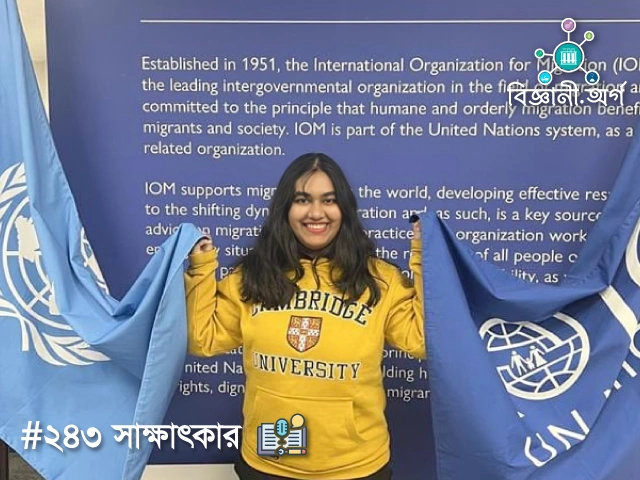
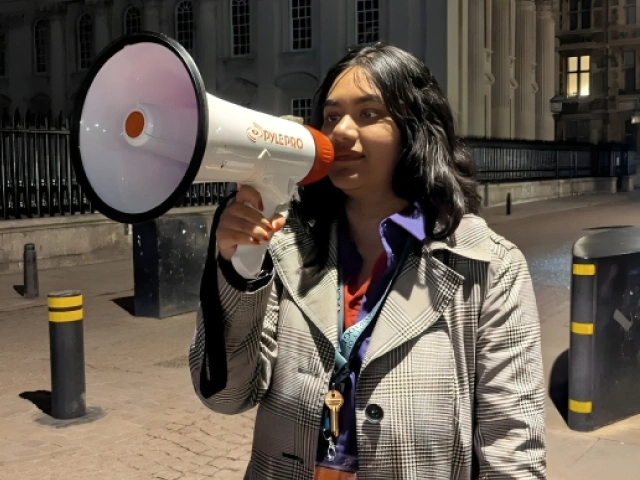
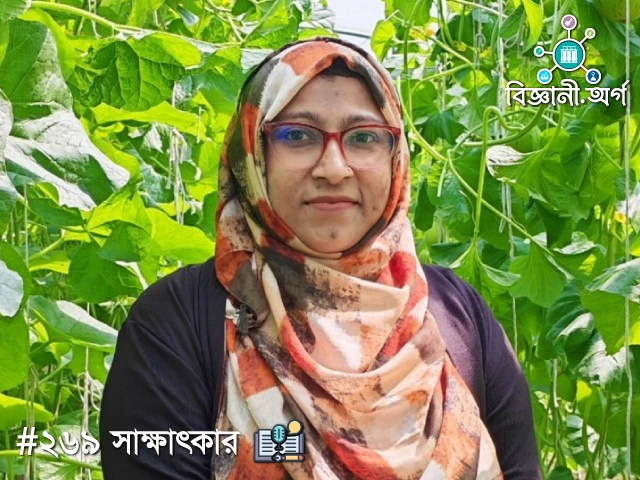
নওশা ফারহা একজন বাংলাদেশি গবেষক, যিনি বর্তমানে যুক্তরাজ্যের University of Cambridge-এ “শিক্ষায় কৃত্রিম বুদ্ধিমত্তা” বিষয়ের উপর পিএইচডি গবেষণা করছেন। তাঁর গবেষণার তত্ত্বাবধানে রয়েছেন শিক্ষাবিদ ও গবেষক অধ্যাপক Rupert Wegerif।
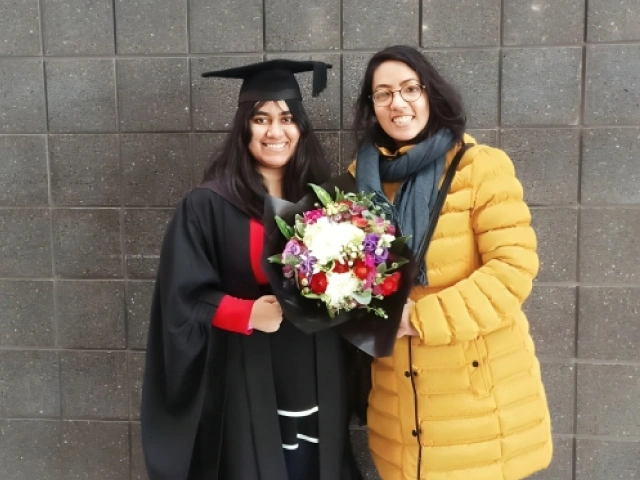
নওশা ফারহার প্রাথমিক ও মাধ্যমিক শিক্ষা ঢাকার Maple Leaf International School-এ সম্পন্ন হয়, যেখানে তিনি O Level এবং A Level পরীক্ষায় কৃতিত্বের সাথে উত্তীর্ণ হন। পরবর্তীতে তিনি যুক্তরাজ্যের University College London (UCL)-এর Institute of Education থেকে সমাজবিজ্ঞান ও ডাটা বিজ্ঞানে স্নাতক (BSc) সম্পন্ন করেন। একই প্রতিষ্ঠানে তিনি সামাজিক নীতি ও সামাজিক গবেষণা পদ্ধতিতে স্নাতকোত্তর (MSc) ডিগ্রি অর্জন করেন। পরে তিনি London School of Economics and Political Science (LSE)-এর Methodology বিভাগ থেকে সামাজিক গবেষণা পদ্ধতি (ডাটা সায়েন্স মেজর) বিষয়ে দ্বিতীয় স্নাতকোত্তর (MSc) সম্পন্ন করেন।

বর্তমানে তাঁর গবেষণার মূল লক্ষ্য শিক্ষকদের জন্য কৃত্রিম বুদ্ধিমত্তা বিষয়ক প্রশিক্ষণ কর্মসূচি তৈরি করা এবং তার কার্যকারিতা মূল্যায়ন করা। পাশাপাশি তিনি ছাত্র নেতৃত্ব, গবেষণা সহায়তা এবং বিভিন্ন স্বেচ্ছাসেবী কার্যক্রমের সঙ্গে যুক্ত রয়েছেন।
💬 প্রশ্নোত্তর পর্ব
প্রশ্ন: আপনার গবেষণার বিষয় কী?
উত্তর: আমি কৃত্রিম বুদ্ধিমত্তা (AI) নিয়ে একটি ডায়ালজিক প্রফেশনাল ডেভেলপমেন্ট ট্রেনিং ডিজাইন ও পরিচালনা করছি, যা শিক্ষকদের শিক্ষাক্ষেত্রে AI সম্পর্কে উচ্চতর জ্ঞান, দক্ষতা এবং সচেতনতা প্রদান করবে।
চতুর্থ শিল্পবিপ্লবের যুগে AI সমাজে একটি গুরুত্বপূর্ণ ভূমিকা পালন করছে। কিন্তু বর্তমানে শিক্ষকদের জন্য পর্যাপ্ত এবং মানসম্মত AI-সম্পর্কিত প্রশিক্ষণ সবসময় সহজলভ্য নয়। সাম্প্রতিক গবেষণায় দেখা গেছে যে অনেক শিক্ষক AI ব্যবহারের ক্ষেত্রে আত্মবিশ্বাসের অভাব অনুভব করেন।
এদিকে বিশ্ব দ্রুত প্রযুক্তিনির্ভর হয়ে উঠছে এবং প্রযুক্তির পরিবর্তনও দ্রুত ঘটছে। তাই শিক্ষকদের আধুনিক জ্ঞান ও দক্ষতার সাথে আপডেট রাখা অত্যন্ত গুরুত্বপূর্ণ। যথাযথ প্রশিক্ষণের মাধ্যমে শিক্ষকরা AI সম্পর্কে সঠিক ধারণা ও আত্মবিশ্বাস অর্জন করতে পারবেন এবং সেই জ্ঞান শিক্ষার্থীদের কাছে কার্যকরভাবে পৌঁছে দিতে পারবেন।
প্রশ্ন: আপনার গবেষণার কাজগুলো কীভাবে সমাজকে উপকৃত করতে পারে?
উত্তর: আমার গবেষণা এই প্রশিক্ষণ কর্মসূচির কার্যকারিতা মূল্যায়ন করবে এবং ভবিষ্যতে তা শিক্ষানীতি প্রণয়নের ক্ষেত্রেও ব্যবহৃত হতে পারে।
শিক্ষা একটি জাতির গুরুত্বপূর্ণ ভিত্তি। ইতিবাচক শিক্ষার মাধ্যমে সমাজে পরিবর্তন আনা সম্ভব। যখন শিক্ষকরা কৃত্রিম বুদ্ধিমত্তা সম্পর্কে সঠিক জ্ঞান ও দক্ষতা অর্জন করবেন, তখন তারা শিক্ষার্থীদের আরও আধুনিক ও বাস্তবমুখী শিক্ষা দিতে পারবেন।
এতে শিক্ষার্থীরা ভবিষ্যতের প্রযুক্তিনির্ভর সমাজের জন্য আরও ভালোভাবে প্রস্তুত হবে। একই সঙ্গে শিক্ষকদের AI প্রশিক্ষণ শিক্ষাব্যবস্থাকে আরও উদ্ভাবনী ও কার্যকর করে তুলতে পারে। নতুন শিক্ষণ-পদ্ধতি ব্যবহারের মাধ্যমে শিক্ষার্থীদের দক্ষতা ও সৃজনশীলতা বৃদ্ধি পাবে।
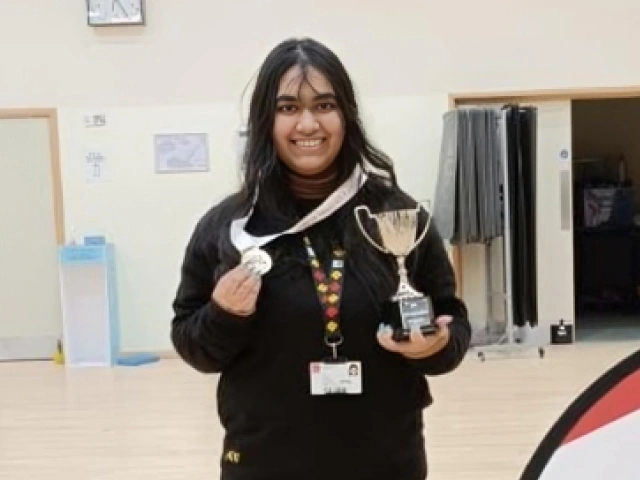
প্রশ্ন: একজন বিজ্ঞানীর কী কী গুণ থাকা প্রয়োজন বলে আপনি মনে করেন?
উত্তর: একজন গবেষকের মধ্যে সমালোচনামূলক চিন্তাভাবনা, স্বাধীন চিন্তা এবং মৌলিকতা থাকা গুরুত্বপূর্ণ। এর মাধ্যমে নতুন ধারণা তৈরি করা এবং তথ্যকে গভীরভাবে বিশ্লেষণ করা সম্ভব হয়।
পাশাপাশি গবেষণায় সততা অত্যন্ত গুরুত্বপূর্ণ, কারণ গবেষণার ফলাফল সঠিক ও নির্ভুলভাবে উপস্থাপন করা জরুরি। এছাড়া ধৈর্য এবং অধ্যবসায় একজন গবেষকের জন্য অপরিহার্য গুণ।
প্রশ্ন: বাংলাদেশের তরুণ শিক্ষার্থীদের জন্য আপনার কোনো বার্তা আছে কি, যারা বিজ্ঞান নিয়ে কাজ করতে চায়?
উত্তর: বাংলাদেশের তরুণ শিক্ষার্থীদের জন্য আমার আন্তরিক শুভকামনা। যারা বিজ্ঞান নিয়ে কাজ করতে চায় তাদের গণিত এবং ইংরেজি ভাষায় দক্ষতা অর্জন করা অত্যন্ত গুরুত্বপূর্ণ।
বর্তমান যুগে গণিতের জ্ঞান গবেষণা ও প্রযুক্তি উন্নয়নের একটি মৌলিক ভিত্তি। তাই নিয়মিত গণিতচর্চা করা এবং বিভিন্ন গণিত প্রতিযোগিতায় অংশগ্রহণ করা উপকারী।
এছাড়া আন্তর্জাতিক পর্যায়ে কাজ করার জন্য ইংরেজি ভাষায় দক্ষতা অত্যন্ত গুরুত্বপূর্ণ। অন্যান্য বিষয় যেমন পদার্থবিজ্ঞান, রসায়ন, জীববিজ্ঞান বা অর্থনীতি—এই বিষয়গুলোতেও ভিত্তি শক্তিশালী করা দরকার।
বাংলাদেশের শিক্ষার্থীরা অত্যন্ত মেধাবী ও পরিশ্রমী। সততা ও অধ্যবসায় থাকলে কঠিন পথও অতিক্রম করা সম্ভব। আমি নিজেও এখনো একজন শিক্ষার্থী, এবং অভিজ্ঞতার আলোকে এই কথাগুলো বলছি।
যোগাযোগের তথ্য
📧 ইমেইল: [email protected]
💼 লিংকডইন: https://www.linkedin.com/in/nowsha-farha
নওশা ফারহার গবেষণা শিক্ষায় কৃত্রিম বুদ্ধিমত্তার ব্যবহার এবং শিক্ষক প্রশিক্ষণের নতুন দিক নিয়ে গুরুত্বপূর্ণ আলোচনা তুলে ধরছে। প্রযুক্তিনির্ভর শিক্ষাব্যবস্থার বিকাশে এ ধরনের গবেষণা ভবিষ্যতে নীতি নির্ধারণ এবং শিক্ষাব্যবস্থার উন্নয়নে সহায়ক হতে পারে।
বিজ্ঞানী অর্গ (biggani.org) টিম নওশা ফারহার গবেষণা কার্যক্রমের সাফল্য কামনা করছে। তাঁর গবেষণা বাংলাদেশের তরুণ শিক্ষার্থীদের বিজ্ঞান ও গবেষণার পথে এগিয়ে যেতে অনুপ্রাণিত করুক—এই প্রত্যাশা।
The Research Story of Gen Z Nowsha Farha at One of the World’s Top Universities
Nowsha Farha is a Bangladeshi researcher currently pursuing her PhD at the University of Cambridge in the United Kingdom. Her research focuses on Artificial Intelligence in Education, under the supervision of Professor Rupert Wegerif.
Farha completed her early education at Maple Leaf International School in Dhaka, where she successfully finished both her O Level and A Level examinations. She later moved to the United Kingdom for higher education and completed her Bachelor’s degree (BSc) in Sociology with Data Science from the Institute of Education (IOE), University College London (UCL). The IOE has consistently ranked among the top institutions globally for education studies.
She subsequently completed her Master’s degree (MSc) in Social Policy and Social Research Methods from UCL. To further develop her research expertise, she pursued a second Master’s degree (MSc) in Social Research Methods with a specialization in Data Science at the London School of Economics and Political Science (LSE).
Currently, her doctoral research at Cambridge explores how professional development training programs can help teachers understand and use artificial intelligence effectively in educational contexts. In addition to her research work, she has been actively involved in student leadership, research collaborations, and volunteer initiatives within academic communities.
💬 Q&A Section
Question: What is the focus of your research?
Answer: My research focuses on designing and implementing a dialogic professional development training program related to artificial intelligence (AI). The aim is to help teachers develop greater knowledge, skills, and awareness about AI within the context of education.
In the era of the Fourth Industrial Revolution, AI plays an increasingly important role in society. However, adequate and high-quality training opportunities on AI for teachers are still limited. Recent studies have shown that many teachers feel a lack of confidence when it comes to understanding or using AI in their teaching practices.
At the same time, technology is advancing rapidly, and educational systems need to adapt accordingly. Therefore, it is essential for teachers to stay updated with modern knowledge and skills. With appropriate training, teachers can develop a clearer understanding of AI and gain confidence in using it effectively in the classroom. This knowledge can then be passed on to students in meaningful ways.
Question: How can your research benefit society?
Answer: My research will evaluate the effectiveness of this training program and explore how it might be expanded in the future to support educational policy development.
Education plays a fundamental role in shaping a nation’s progress. Through positive and effective education, it is possible to bring meaningful changes to society. When teachers gain proper knowledge, skills, and awareness about artificial intelligence, they can provide more modern and practical learning experiences for students.
As a result, students will be better prepared for a technology-driven future. Furthermore, training teachers in AI can make education systems more innovative and effective. By adopting new teaching methods and tools, teachers can help students develop stronger skills and creativity.
Question: What qualities do you think are essential for a scientist?
Answer: A good researcher should possess critical thinking skills, independent thinking, and originality. These qualities help researchers generate new ideas and analyze information deeply.
Integrity is also extremely important in research, as accurate and truthful representation of findings is essential. In addition, patience and perseverance are important qualities for scientists, since research often requires long-term dedication and continuous effort.
Question: What message would you like to give to young Bangladeshi students who want to pursue science?
Answer: I would like to extend my sincere best wishes to young students in Bangladesh who are interested in science. For those who want to pursue scientific research, developing strong skills in mathematics and English is very important.
Mathematics plays a fundamental role in modern research and technological development. Therefore, practicing mathematics regularly and participating in mathematics competitions can be helpful in strengthening these skills.
At the same time, English proficiency is essential for higher education and international collaboration. Students should also develop a solid foundation in subjects such as physics, chemistry, biology, and economics, as these disciplines often serve as the basis for many emerging fields of science.
Bangladeshi students are highly talented and hardworking. With honesty, dedication, and perseverance, even difficult paths can be overcome. I consider myself a lifelong learner as well, and these reflections come from my own experiences as a student.
Contact Information
📧 Email: [email protected]
💼 LinkedIn: https://www.linkedin.com/in/nowsha-farha
Nowsha Farha’s research highlights the growing importance of artificial intelligence within modern educational systems and the need to equip teachers with appropriate knowledge and training. As technology continues to shape the future of learning, research in this area can contribute to the development of more effective educational policies and teaching practices.
The biggani.org team wishes Nowsha Farha continued success in her academic and research journey. Her work may inspire young Bangladeshi students to pursue science and research and contribute to the global advancement of knowledge.




Leave a comment