

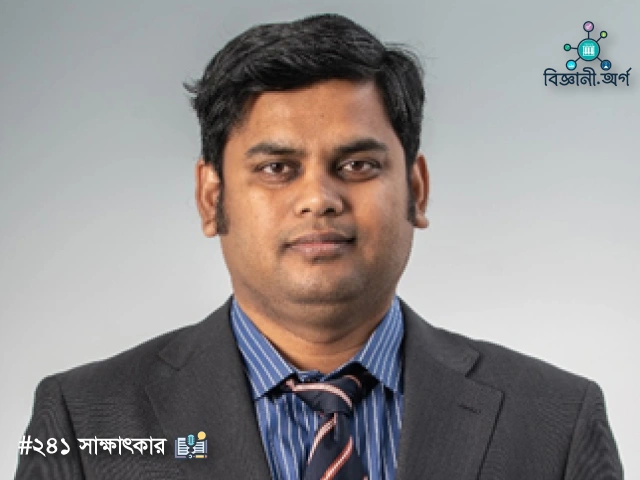
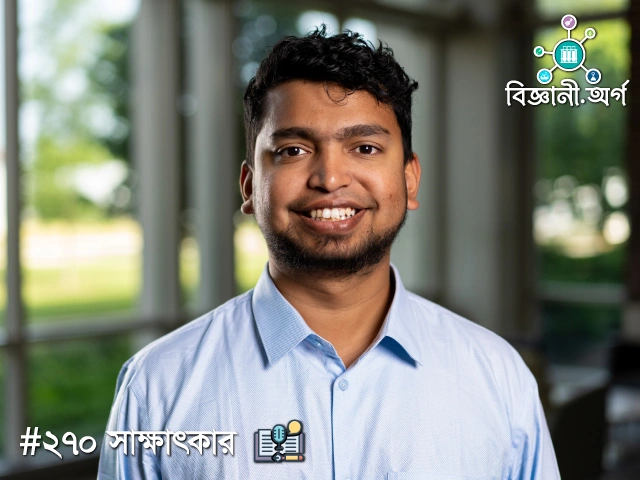
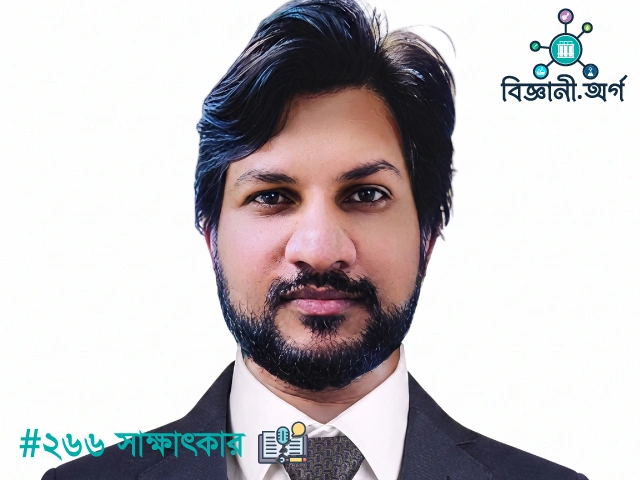
ড. মোঃ জাহিদুল ইসলাম বর্তমানে জাপানের ইনস্টিটিউট অব সায়েন্স টোকিও (কিউএস ওয়ার্ল্ড ইউনিভার্সিটি র্যাঙ্কিং ২০২৬: বিশ্বব্যাপী #৮৫ নম্বরে)-তে সহকারী অধ্যাপক হিসেবে কর্মরত আছেন। তিনি রসায়নে স্নাতক শেষ করার পর থাইল্যান্ড থেকে মাস্টার্স এবং জাপানের নাগোয়া বিশ্ববিদ্যালয় (কিউএস ওয়ার্ল্ড ইউনিভার্সিটি র্যাঙ্কিং ২০২৬: #১৬৪ (জাপানে ৬ষ্ঠ)) থেকে ডক্টরেট (Dr. Eng.) ডিগ্রি অর্জন করেন। এরপর ৩টা পোস্টডক হিসেবে JAIST-এ এবং নাগোয়া বিশ্ববিদ্যালয়ে কাজ করেছি, পোস্ট ডক্টরাল রিসার্চার এর পর এ নাগোয়া ইউনিভার্সিটি, জাপানে অ্যাসিস্ট্যান্ট প্রফেসর হিসাবে ফ্যাকাল্টি লাইফ শুরু করেন , বর্তমানে জাপানের টপ ২ ইউনিভার্সিটি, ইনস্টিটিউট অফ সাইন্স টোকিও তে অ্যাসিস্ট্যান্ট প্রফেসর হিসাবে গবেষণা এন্ড টিচিং এ কাজ করসেন, ন্যানোম্যাটেরিয়াল, গ্রাফিন-ভিত্তিক সেন্সর, বায়োফুয়েল সেল এবং প্রোটিন-ভিত্তিক বায়োইলেকট্রনিক্স নিয়ে তার দীর্ঘ ১৫ বছর গবেষণা-অভিজ্ঞতা আন্তর্জাতিক অঙ্গনে সুপ্রতিষ্ঠিত। ৪০টির বেশি আন্তর্জাতিক জার্নাল প্রবন্ধ, ৪০টির বেশি আন্তর্জাতিক সম্মেলন উপস্থাপনা, একটি জাপানি পেটেন্ট এবং একাধিক আন্তর্জাতিক গবেষণা প্রকল্পে নেতৃত্ব—তার যাত্রা তরুণ গবেষকদের জন্য অনুপ্রেরণার গল্প।
বাংলাদেশের একটি সাধারণ শহর থেকে উঠে এসে আন্তর্জাতিক গবেষণাঙ্গনে নিজের অবস্থান তৈরি করা সহজ নয়। তবুও সেই কঠিন পথটিই বেছে নিয়েছিলেন কুষ্টিয়ার ভেড়ামারার সন্তান ড. মোঃ জাহিদুল ইসলাম। আজ তিনি জাপানের ইনস্টিটিউট অব সায়েন্স টোকিও-তে সহকারী অধ্যাপক। তার গল্প কেবল ব্যক্তিগত সাফল্যের নয়; এটি স্বপ্ন, কঠোর পরিশ্রম, জ্ঞান-অন্বেষণ এবং গবেষণার প্রতি গভীর নিষ্ঠার গল্প।

প্রশ্নোত্তর পর্ব:
প্রশ্ন: সংক্ষেপে আপনার পরিচয় জানতে চাই।
উত্তর:
আমি ড. মোঃ জাহিদুল ইসলাম। কুষ্টিয়ার ভেড়ামারার একটি সাধারণ পরিবেশ থেকে উঠে আসা একজন গবেষক হিসেবে আমি শুরু করেছিলাম স্বপ্ন নিয়ে। শৈশব থেকেই বিজ্ঞান ছিল তার কৌতূহলের জায়গা। রসায়নে স্নাতক সম্পন্ন করার পর তিনি উপলব্ধি করেন বড় কিছু করতে হলে বিশ্বমানের গবেষণার সঙ্গে যুক্ত হতে হবে। সেই লক্ষ্যেই পাড়ি জমান থাইল্যান্ডে, সম্পন্ন করেন মাস্টার্স। এরপর জাপানের নাগোয়া বিশ্ববিদ্যালয়ে ডক্টর অব ইঞ্জিনিয়ারিং (Dr. Eng.) ডিগ্রি অর্জন করেন। বর্তমানে জাপানে ইনস্টিটিউট অব সায়েন্স টোকিও-তে অ্যাসিস্ট্যান্ট প্রফেসর হিসাবে গবেষণা ও শিক্ষাদানের কাজ করছি। আমার জীবনের প্রতিটি ধাপ ছিল নতুন চ্যালেঞ্জ, কিন্তু কঠোর পরিশ্রম ও অধ্যবসায়ের মাধ্যমে আমি এগিয়ে এসেছি।
বিদেশে পড়াশোনা মানে কেবল নতুন ল্যাব নয়, নতুন সংস্কৃতি, নতুন ভাষা এবং নতুন প্রতিযোগিতার জগৎ। এই চ্যালেঞ্জগুলোকে তিনি গ্রহণ করেছেন শেখার সুযোগ হিসেবে। তার ভাষায়, “জ্ঞান অন্বেষণ একটি অবিরাম যাত্রা। যত শিখি, তত বুঝি আরও শেখার আছে।”
প্রশ্ন: আপনার প্রধান গবেষণার ক্ষেত্র কী?
উত্তর:
ন্যানোপ্রযুক্তি থেকে মানবকল্যাণ
ড. জাহিদুল ইসলামের গবেষণার মূল ক্ষেত্র ন্যানোম্যাটেরিয়াল, গ্রাফিন-ভিত্তিক গ্যাস সেন্সর, শক্তি সংরক্ষণ প্রযুক্তি এবং প্রোটিন-ভিত্তিক বায়োম্যাটেরিয়াল।
তার কাজের মূল লক্ষ্য হলো উন্নত উপকরণ তৈরি করা, যা পরিবেশ, শক্তি ও চিকিৎসা প্রযুক্তিতে বাস্তব উপকার বয়ে আনবে। যা মানুষের দৈনন্দিন জীবনকে আরও নিরাপদ ও উন্নত করতে সাহায্য করে।
উদাহরণস্বরূপ:
- উন্নত গ্যাস সেন্সর ক্ষতিকর গ্যাস দ্রুত শনাক্ত করতে পারে
- গ্যাস সেন্সর প্রযুক্তি মানুষের নিঃশ্বাসে উপস্থিত ভিওসি (VOCs) বা অন্যান্য বায়োমার্কার গ্যাস বিশ্লেষণ করে ফুসফুসের ক্যান্সার, হাঁপানি, এবং কিডনি বা ডায়াবেটিসের মতো জটিল রোগ প্রাথমিক পর্যায়ে অত্যন্ত দ্রুত এবং অ-আক্রমণাত্মকভাবে (non-invasive) সনাক্ত করতে পারে
- শক্তি সংরক্ষণ প্রযুক্তি নবায়নযোগ্য শক্তির ব্যবহার বাড়াতে সাহায্য করে
- বায়োম্যাটেরিয়াল ভবিষ্যতের চিকিৎসা প্রযুক্তিতে নতুন সম্ভাবনা সৃষ্টি করতে পারে
তিনি বিশ্বাস করেন, গবেষণার প্রকৃত মূল্য তখনই, যখন তা মানুষের জীবনকে উন্নত করে।
প্রশ্ন: আপনার গবেষণা কীভাবে মানুষের উপকারে আসে?
উত্তর:
আমার গবেষণা প্রযুক্তি উন্নয়ন করে মানুষের জীবনযাত্রার মান বাড়াতে সাহায্য করে। যেমন, উন্নত গ্যাস সেন্সর পরিবেশ দূষণ শনাক্ত করতে পারে, শক্তি সংরক্ষণ প্রযুক্তি নবায়নযোগ্য শক্তির ব্যবহার বাড়াতে সাহায্য করবে, এবং বায়োম্যাটেরিয়াল গবেষণা ভবিষ্যতে চিকিৎসা প্রযুক্তিতে নতুন সম্ভাবনা খুলে দিতে পারে।
আমার গবেষণার প্রযুক্তি উন্নয়ন করে যার লক্ষ্য হলো মানুষের দৈনন্দিন জীবনকে আরও নিরাপদ ও উন্নত করা। উদাহরণস্বরূপ, উচ্চ সংবেদনশীল গ্যাস সেন্সর ক্ষতিকর গ্যাস শনাক্ত করে শিল্প ও পরিবেশকে নিরাপদ রাখতে সাহায্য করতে পারে। শক্তি সংরক্ষণ প্রযুক্তি উন্নত হলে নবায়নযোগ্য শক্তির ব্যবহার বৃদ্ধি পাবে, যা পরিবেশ রক্ষায় গুরুত্বপূর্ণ। এছাড়া বায়োম্যাটেরিয়াল নিয়ে গবেষণা ভবিষ্যতে চিকিৎসা ক্ষেত্রে নতুন সম্ভাবনা তৈরি করতে পারে। বিশেষ করে ব্লাড এন্ড ইউরিন না নিয়ে শুধুমাত্র নিশ্বাস নিয়ে রোগ নির্নয় করতে সক্ষম যা আমার জীবনের এখন পযন্ত সেরা আবিস্কার I
প্রশ্ন: গবেষণা জীবনের কোনো বিশেষ অভিজ্ঞতা শেয়ার করবেন?
উত্তর:
আমার গবেষণা জীবনে সবচেয়ে স্মরণীয় অভিজ্ঞতা ছিল যখন দীর্ঘদিনের ব্যর্থতার পর একটি গুরুত্বপূর্ণ পরীক্ষায় সফল ফলাফল পাই। সেই মুহূর্তে বুঝতে পারি গবেষণায় ধৈর্যই সবচেয়ে বড় শক্তি। আরেকটি বিশেষ অভিজ্ঞতা ছিল আন্তর্জাতিক সম্মেলনে নিজের গবেষণা উপস্থাপন করা, যেখানে বিভিন্ন দেশের বিজ্ঞানীরা আলোচনা ও মতামত দিয়েছেন। এতে আত্মবিশ্বাস বেড়েছে এবং আন্তর্জাতিক গবেষণা সম্প্রদায়ের সঙ্গে সংযোগ তৈরি হয়েছে। সেই অভিজ্ঞতা আমাকে শিখিয়েছে ধৈর্য, পর্যবেক্ষণ এবং গভীর সততা না থাকলে গবেষণা অসম্পূর্ণ থাকে।
প্রশ্ন: বিজ্ঞান নিয়ে কাজ করতে আগ্রহী বাংলাদেশের তরুণ শিক্ষার্থীদের জন্য আপনার বার্তা কী?
উত্তর:
আমি তরুণদের বলব বড় স্বপ্ন দেখুন, কঠোর পরিশ্রম করুন এবং নিজেকে সীমাবদ্ধ ভাববেন না। জ্ঞান অন্বেষণকে জীবনের একটি অভ্যাস বানিয়ে ফেলুন। গবেষণা মানে শুধু পরীক্ষা নয়, এটি একটি চিন্তাধারা সমস্যা চিহ্নিত করা, তা সমাধানের পথ খুঁজে বের করা এবং সেই সমাধানকে বাস্তবে রূপ দেওয়া। বিজ্ঞান এমন একটি ক্ষেত্র, যেখানে কৌতূহলই সবচেয়ে বড় শক্তি। প্রশ্ন করতে শিখুন, ব্যর্থতাকে ভয় পাবেন না, এবং প্রতিদিন নতুন কিছু শেখার চেষ্টা করুন। ভাষাগত দক্ষতা বাড়ান এবং আন্তর্জাতিক মানসিকতা গড়ে তুলুন। মনে রাখবেন, সাফল্য একদিনে আসে না ধৈর্য ও ধারাবাহিক প্রচেষ্টাই আপনাকে এগিয়ে নেবে।
যোগাযোগের তথ্য
ইমেইল:
[email protected],
[email protected]
লিংকডইন: https://www.linkedin.com/in/md-zahidul-islam-869b3644/
গুগল স্কলার: https://scholar.google.com/citations?user=qbDiNpMAAAAJ&hl=en
ResearchGate প্রোফাইল: https://www.researchgate.net/profile/Md_Islam199
Dr. Md. Zahidul Islam, Assistant Professor in Japan: A Story of Dreams, Hard Work, the Pursuit of Knowledge, and Research Excellence
Dr. Md. Zahidul Islam is currently serving as an Assistant Professor at the Institute of Science Tokyo, Japan (QS World University Rankings 2026: #85 globally). After completing his bachelor’s degree in chemistry, he pursued his Master’s degree in Thailand and later earned his Doctor of Engineering (Dr. Eng.) from Nagoya University, Japan (QS World University Rankings 2026: #164 globally, ranked 6th in Japan).
Following his doctoral studies, he completed three postdoctoral research appointments at the Japan Advanced Institute of Science and Technology (JAIST) and Nagoya University. After serving as a Postdoctoral Researcher, he began his faculty career as an Assistant Professor at Nagoya University. He is now continuing his academic and research journey at one of Japan’s top two universities, the Institute of Science Tokyo, where he is actively engaged in both research and teaching.
With over 15 years of research experience, Dr. Islam has established himself internationally in the fields of nanomaterials, graphene-based sensors, biofuel cells, and protein-based bioelectronics. His scholarly contributions include more than 40 international journal publications, over 40 international conference presentations, one Japanese patent, and leadership roles in multiple internationally funded research projects. His academic journey stands as a source of inspiration for young researchers.
Rising from a modest town in Bheramara, Kushtia, Bangladesh, building a position in the global research arena was not an easy path. Yet Dr. Islam chose that challenging road with determination. Today, as an Assistant Professor at the Institute of Science Tokyo, his story is not merely one of personal success; it is a story of dreams, perseverance, relentless pursuit of knowledge, and unwavering dedication to scientific research.
Interview Session
Question: Could you briefly introduce yourself?
Answer:
I am Dr. Md. Zahidul Islam, originally from Bheramara, Kushtia, Bangladesh. Coming from a modest background, I began my journey with a dream and a deep curiosity for science from an early age. After completing my Bachelor’s degree in Chemistry, I realized that to achieve something meaningful, I needed to engage with world-class research. With that goal, I moved to Thailand to pursue my Master’s degree, and later earned my Doctor of Engineering (Dr. Eng.) from Nagoya University, Japan.
Currently, I am serving as an Assistant Professor at the Institute of Science Tokyo, Japan, where I am actively involved in both research and teaching. Every stage of my life brought new challenges, but through perseverance, discipline, and continuous learning, I moved forward step by step.
Studying abroad is not just about working in advanced laboratories—it also means adapting to new cultures, new languages, and intense global competition. I embraced these challenges as opportunities to grow. As I often say, “The pursuit of knowledge is an endless journey—the more we learn, the more we realize how much more there is to learn.”
Question: What is your main research area?
Answer:
My research bridges nanotechnology and human welfare. My primary areas of research include nanomaterials, graphene-based gas sensors, energy storage technologies, and protein-based biomaterials.
The core objective of my work is to develop advanced functional materials that can bring practical benefits in environmental safety, sustainable energy, and medical technology—ultimately improving daily human life.
For example:
- Advanced gas sensors can rapidly detect harmful gases in the environment.
- Gas sensor technology can analyze VOCs (volatile organic compounds) or other biomarker gases in human breath to enable early and non-invasive detection of diseases such as lung cancer, asthma, kidney disorders, and diabetes.
- Energy storage technologies contribute to the expansion of renewable energy usage.
- Biomaterials research opens new possibilities for next-generation medical technologies.
I strongly believe that the true value of research lies in its ability to improve human life.
Question: How does your research benefit people?
Answer:
My research focuses on developing technologies that enhance quality of life and safety.
For instance, high-sensitivity gas sensors can detect toxic gases and help maintain industrial and environmental safety. Improved energy storage technologies will accelerate the use of renewable energy, which is crucial for environmental sustainability. Additionally, biomaterials research may revolutionize future medical technologies.
One of the most meaningful directions of my work is developing diagnostic technologies that can detect diseases simply through breath analysis—without requiring blood or urine samples. This non-invasive approach has the potential to transform early disease diagnosis. Personally, I consider this one of the most impactful innovations in my research journey so far.
Question: Could you share a special experience from your research journey?
Answer:
One of the most memorable experiences in my research life was achieving success in a critical experiment after numerous failures. That moment taught me that patience is the greatest strength in scientific research.
Another significant experience was presenting my research at international conferences, where scientists from different countries shared their insights and feedback. Those interactions strengthened my confidence and connected me to the global scientific community.
Research requires patience, careful observation, integrity, and intellectual honesty. Without these, scientific work remains incomplete.
Question: What message would you give to young Bangladeshi students who aspire to work in science?
Answer:
I would tell young students: dream big, work hard, and never limit yourself. Make the pursuit of knowledge a lifelong habit.
Research is not just about conducting experiments—it is a way of thinking. It is about identifying problems, designing solutions, and transforming ideas into reality. Science rewards curiosity. Learn to ask questions. Do not fear failure. Try to learn something new every day.
Develop strong language skills and build an international mindset. Remember, success does not come overnight—patience and consistent effort will take you forward.
Contact Information
Email:
[email protected]
[email protected]
LinkedIn: https://www.linkedin.com/in/md-zahidul-islam-869b3644/
Google Scholar: https://scholar.google.com/citations?user=qbDiNpMAAAAJ&hl=en
ResearchGate: https://www.researchgate.net/profile/Md_Islam199


Leave a comment