



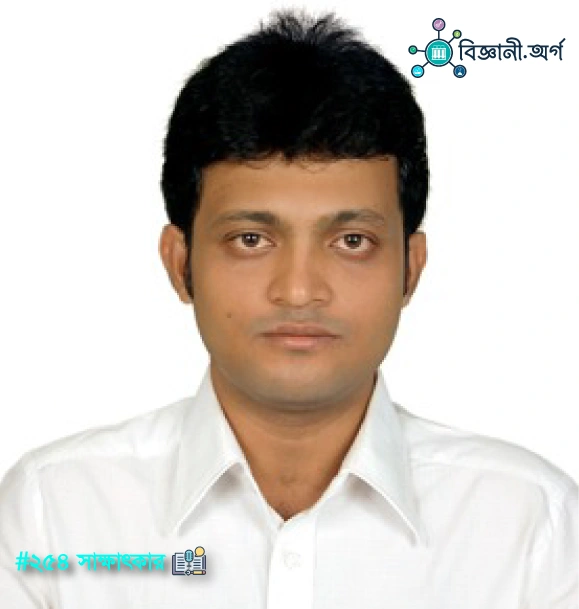
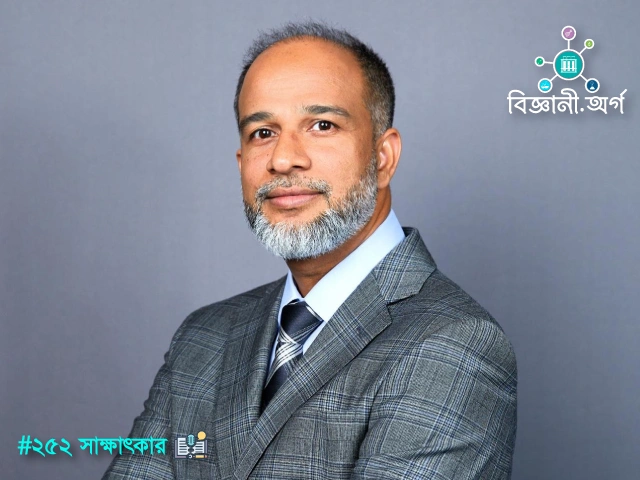
মোঃ মামুনুর রেজা একজন কৃষি বিজ্ঞানী ও কৃষি-প্রযুক্তি সংশ্লিষ্ট পেশাজীবী। তিনি পটুয়াখালী বিজ্ঞান ও প্রযুক্তি বিশ্ববিদ্যালয় থেকে ২০০৬–২০১১ সময়ে কৃষিতে বিএসসি (অনার্স) এবং বঙ্গবন্ধু শেখ মুজিবুর রহমান কৃষি বিশ্ববিদ্যালয় থেকে ২০১১–২০১৪ সময়ে উদ্যানতত্ত্বে মাস্টার অব সায়েন্স (MS) ডিগ্রি অর্জন করেন।
বর্তমানে তিনি তুরস্কের আতাতুর্ক বিশ্ববিদ্যালয়ে পিএইচডি ফেলো হিসেবে গবেষণা করছেন। পাশাপাশি বাংলাদেশ কৃষি উন্নয়ন কর্পোরেশন (BADC)-এর সঙ্গে তাঁর দীর্ঘ কর্মজীবনের অভিজ্ঞতা রয়েছে। তিনি BADC-এর বিভিন্ন দায়িত্বে কাজ করেছেন এবং PARTNER-BADC প্রকল্পে সহকারী প্রোগ্রাম পরিচালক হিসেবেও দায়িত্ব পালন করেছেন।

তাঁর পেশাগত অভিজ্ঞতার মধ্যে উদ্যানতত্ত্ব, নিরাপদ সবজি উৎপাদন, ভার্টিক্যাল ফার্মিং, প্ল্যান্ট ফ্যাক্টরি, হাইড্রোপনিক্স, অ্যাকুয়াপনিক্স, টিস্যু কালচার এবং নির্ভুল কৃষি প্রযুক্তি উল্লেখযোগ্য। এছাড়া তিনি বীজ উৎপাদন, বীজ প্রক্রিয়াজাতকরণ, কৃষি উপকরণ ব্যবস্থাপনা এবং উপকূলীয় ও চরাঞ্চলের ফসল নিয়ে অভিযোজনমূলক গবেষণার সঙ্গেও কাজ করেছেন।
বর্তমান গবেষণায় তিনি IoT-ভিত্তিক নির্ভুল ফার্টিগেশন প্রযুক্তি ব্যবহার করে লবণাক্ত পরিবেশে টমেটো চাষের উৎপাদনশীলতা ও উদ্ভিদের বৃদ্ধি নিশ্চিত করার সম্ভাবনা নিয়ে কাজ করছেন।
💬 প্রশ্নোত্তর পর্ব
প্রশ্ন: প্রথমেই আপনার সম্পর্কে আমরা জানতে চাই।
উত্তর: মোঃ মামুনুর রেজা একজন কৃষি বিজ্ঞানী, প্রযুক্তিবিদ ও নির্দিষ্ট কিছু কৃষি-প্রযুক্তি বিষয়ে কারিগরি কনসালট্যান্ট। তিনি বাংলাদেশ কৃষি উন্নয়ন কর্পোরেশনের (BADC) সহকারী প্রোগ্রাম পরিচালক এবং বিশ্বব্যাংক অর্থায়িত PARTNER প্রকল্পের ফেলোশিপ নিয়ে তুরস্কের আতাতুর্ক বিশ্ববিদ্যালয়ের উদ্যানতত্ত্ব বিভাগে পিএইচডি গবেষণা করছেন। তিনি কৃষক, গবেষক, টেকসই কৃষি উদ্যোগ ও পরিবেশ-প্রযুক্তি সংস্থাকে কৃষি অটোমেশন ও স্মার্ট ফার্টিগেশন প্রযুক্তির বিষয়ে কারিগরি সেবা ও পরামর্শ প্রদান করছেন।
প্রশ্ন: আপনার গবেষণার বিষয় কী?
উত্তর: আমার গবেষণার বিষয় হলো—IoT-ভিত্তিক সুনির্দিষ্ট ফার্টিগেশন ব্যবস্থার মাধ্যমে পানিতে দ্রবণীয় হাইড্রোজেন সালফাইড (H₂S) এবং হিউমিক অ্যাসিডের সংমিশ্রণ ব্যবহার করে টমেটো চাষে লবণাক্ততা প্রতিরোধ এবং চারার বৃদ্ধি ও ফলন নিশ্চিত করা।
প্রশ্ন: আপনার গবেষণার কাজগুলো কীভাবে আমাদের উপকৃত করছে কিংবা করবে?
উত্তর: এই গবেষণায় PLC-নিয়ন্ত্রিত IoT সিস্টেম এবং ৭-ইন-১ সয়েল ও ক্লাইমেট সেন্সর ব্যবহার করে মাটির আর্দ্রতা, EC, pH, তাপমাত্রা এবং পাতার আর্দ্রতা ও তাপমাত্রা রিয়েল-টাইমে পর্যবেক্ষণ করা হয় এবং উদ্ভিদের স্ট্রেস পরিমাপ করা হয়।
স্বয়ংক্রিয় পেরিস্টালটিক পাম্প ও ফ্লো মিটারের মাধ্যমে পানিতে দ্রবণীয় হাইড্রোজেন সালফাইড (H₂S) ও হিউমিক অ্যাসিড সুনির্দিষ্ট মাত্রায় প্রয়োগ করা হয়। H₂S একটি সংকেত অণু হিসেবে সালোকসংশ্লেষণ এবং অ্যান্টিঅক্সিডেন্ট এনজাইম—SOD, CAT ও POD—সক্রিয় করে লবণাক্ততার ক্ষতিকর প্রভাব কমাতে ভূমিকা রাখে। অন্যদিকে, হিউমিক অ্যাসিড পুষ্টি গ্রহণ এবং শিকড়ের বৃদ্ধি বাড়াতে সহায়তা করে।
এর ফলে পানির ব্যবহার দক্ষতা (WUE) ও পুষ্টি ব্যবহারের দক্ষতা (NUE) বৃদ্ধি পাবে এবং লবণাক্ততাপ্রবণ উপকূলীয় অঞ্চলে টমেটোর উৎপাদনশীলতা নিশ্চিত করা সম্ভব হবে।
প্রশ্ন: গবেষণার কাজের বিশেষ কোনো অভিজ্ঞতা কি আমাদের সঙ্গে শেয়ার করবেন?
উত্তর: তুরস্কের এরজুরুমের তীব্র শীতে নিয়ন্ত্রিত গ্রিনহাউসে রিয়েল-টাইম IoT সেন্সর, ৭-ইন-১ সয়েল নোড, পাতার আর্দ্রতা ও তাপমাত্রা সেন্সর এবং SCADA সিস্টেম ব্যবহার করে দূর থেকে স্বয়ংক্রিয় ফার্টিগেশন ও নিউট্রিয়েন্ট ডোজিং পরিচালনা করার অভিজ্ঞতাটি ছিল অত্যন্ত উদ্ভাবনী ও শিক্ষণীয়।
প্রশ্ন: একজন বিজ্ঞানীর কী কী গুণ থাকা প্রয়োজন বলে মনে করেন?
উত্তর: কৌতূহল, অধ্যবসায়, ধৈর্য, প্রযুক্তিগত অভিযোজনশীলতা, সততা এবং বাস্তবভিত্তিক সামাজিক ও কৃষি সমস্যার সমাধান করার মানসিকতা।
প্রশ্ন: বাংলাদেশের তরুণ শিক্ষার্থীরা যারা বিজ্ঞানে কাজ করতে চায়, তাদের জন্য আপনার কোনো বার্তা আছে কি?
উত্তর: সমস্যার মূল কারণ শনাক্ত করতে শিখো। আধুনিক IoT, ডেটা সায়েন্স ও বায়োটেকনোলজিকে যুক্ত করো এবং সততার সঙ্গে গবেষণায় নিবেদিত থেকে দেশের কৃষি ও খাদ্যনিরাপত্তা নিশ্চিতে ভূমিকা রাখো।
🔗 প্রোফাইল লিংক
LinkedIn: https://www.linkedin.com/in/rezamm/
Personal Website: https://sites.google.com/site/rezammbd/
Website: mmreza.com | senspanel.com
মোঃ মামুনুর রেজার গবেষণায় কৃষিবিজ্ঞান, IoT, অটোমেশন ও নির্ভুল কৃষি প্রযুক্তির সমন্বয় দেখা যায়। বিশেষ করে লবণাক্ততাপ্রবণ অঞ্চলে টমেটো উৎপাদনের ক্ষেত্রে সেন্সরভিত্তিক রিয়েল-টাইম পর্যবেক্ষণ এবং স্বয়ংক্রিয় ফার্টিগেশন ব্যবস্থার প্রয়োগ কৃষিতে প্রযুক্তির সম্ভাবনাকে তুলে ধরে। তাঁর শিক্ষাজীবন ও কর্মঅভিজ্ঞতাতেও উদ্যানতত্ত্ব, বীজ প্রযুক্তি, হাইড্রোপনিক্স, টিস্যু কালচার এবং নির্ভুল কৃষির বিভিন্ন ক্ষেত্রের সংযোগ রয়েছে। বিজ্ঞানী.অর্গ মনে করে, কৃষির বাস্তব সমস্যাকে প্রযুক্তি ও গবেষণার মাধ্যমে সমাধানের এই প্রচেষ্টা বাংলাদেশের তরুণ শিক্ষার্থী ও গবেষকদের জন্য একটি কার্যকর দৃষ্টান্ত হতে পারে। বিজ্ঞানী.অর্গ টিম মোঃ মামুনুর রেজার গবেষণার সফলতা এবং ভবিষ্যৎ কাজের জন্য শুভকামনা জানাচ্ছে।
Smart Agriculture and Salinity Management: Insights from Md. Mamunur Reza
Md. Mamunur Reza is an agricultural scientist and agriculture technology professional with experience in horticulture, seed technology, precision agriculture, and technology-based farming systems. He completed his B.Sc. Ag. (Hons.) in Agriculture from Patuakhali Science and Technology University (PSTU) from 2006 to 2011 and obtained a Master of Science (MS) in Horticulture from Bangabandhu Sheikh Mujibur Rahman Agricultural University from 2011 to 2014.
He is currently a PhD Fellow at Atatürk University in Türkiye. His professional experience includes several positions at the Bangladesh Agricultural Development Corporation (BADC), including Assistant Director, Assistant Director of Horticulture, Assistant Manager of the Research Cell, and Assistant Program Director of the PARTNER-BADC World Bank Project.
His professional work has covered safe vegetable farming, vertical farming, plant factories, hydroponics, aquaponics, algae farming, tissue culture, and precision agriculture. He has also worked in seed multiplication, seed testing, seed processing, irrigation management, agricultural input management, and adaptive research involving coastal and char-land agriculture.
His current research focuses on using IoT-based precision fertigation, hydrogen sulfide (H₂S), and humic acid to improve tomato growth and productivity under saline conditions.
Interview
Question: First, please tell us about yourself.
Answer: Md. Mamunur Reza is an agricultural scientist, technologist, and technical consultant specializing in selected areas of agricultural technology. He is an Assistant Program Director at the Bangladesh Agricultural Development Corporation (BADC) and is currently pursuing his PhD in the Department of Horticulture at Atatürk University in Türkiye with a fellowship from the World Bank-funded PARTNER project. He also provides technical services and consultancy to farmers, researchers, sustainable agriculture initiatives, and environmental technology organizations in agricultural automation and smart fertigation technologies.
Question: What is your research topic?
Answer: My research focuses on using an IoT-based precision fertigation system combined with water-soluble hydrogen sulfide (H₂S) and humic acid to improve salinity tolerance, seedling growth, and yield in tomato cultivation.
Question: How will your research benefit society or agriculture?
Answer: In this research, a PLC-controlled IoT system and a 7-in-1 soil and climate sensor are used to monitor soil moisture, electrical conductivity (EC), pH, temperature, leaf moisture, and leaf temperature in real time and to measure plant stress.
Automated peristaltic pumps and flow meters are used to apply water-soluble hydrogen sulfide (H₂S) and humic acid at precise doses. H₂S acts as a signaling molecule that activates photosynthesis and antioxidant enzymes such as SOD, CAT, and POD, thereby helping reduce the harmful effects of salinity. Humic acid, on the other hand, improves nutrient uptake and promotes root development.
This approach is expected to significantly improve water use efficiency (WUE) and nutrient use efficiency (NUE), making it possible to maintain tomato productivity in salinity-prone coastal regions.
Question: Is there any special experience from your research that you would like to share with us?
Answer: One of the most innovative and educational experiences was operating automated fertigation and nutrient dosing remotely in a controlled greenhouse during the severe winter conditions of Erzurum, Türkiye. The system involved real-time IoT sensors, a 7-in-1 soil node, leaf moisture and temperature sensors, and a SCADA system.
Question: What qualities do you think a scientist should have?
Answer: Curiosity, perseverance, patience, technological adaptability, integrity, and a mindset focused on solving practical social and agricultural problems.
Question: What message would you like to give to young Bangladeshi students who want to work in science?
Answer: Learn to identify the root causes of problems, integrate modern IoT, data science, and biotechnology, and remain committed to research with integrity so that you can contribute to strengthening agriculture and food security in the country.
Profile Links
LinkedIn: https://www.linkedin.com/in/rezamm/
Personal Website: https://sites.google.com/site/rezammbd/
Websites: mmreza.com | senspanel.com
Md. Mamunur Reza’s research brings together agricultural science, IoT, automation, and precision agriculture to address practical challenges in crop production. His work on sensor-based real-time monitoring and automated fertigation presents a technology-oriented approach to managing salinity stress in tomato cultivation. His academic and professional experience also spans horticulture, seed technology, hydroponics, tissue culture, and precision agriculture. For Bangladesh, where salinity poses a significant challenge to agricultural productivity in coastal areas, research that connects agricultural practices with modern technology can contribute to developing more efficient and resilient production systems. Biggani.org appreciates Md. Mamunur Reza’s commitment to research and wishes him continued success in his academic and professional journey. His work may encourage young Bangladeshi students to explore interdisciplinary approaches to agricultural science and technology.


Leave a comment