


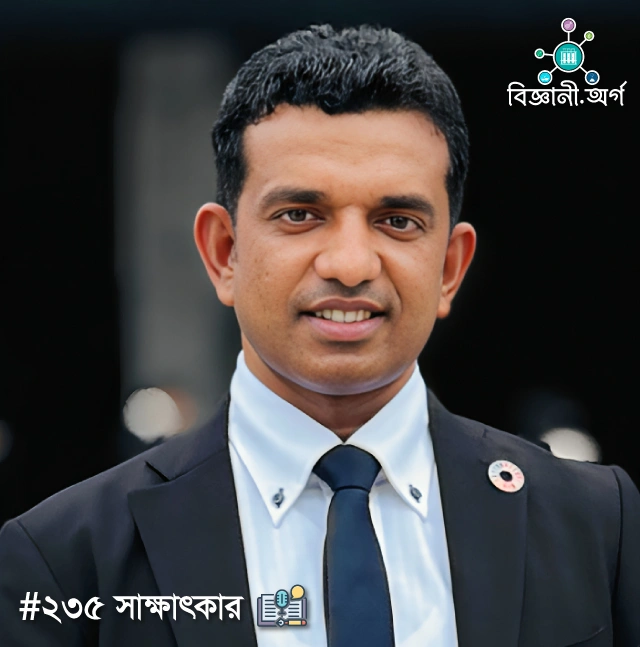
ড. ফরহাদ হোসেন বর্তমানে জাপানের Sophia University-এ অধ্যাপনা করছেন। তিনি দীর্ঘদিন ধরে উদ্যোক্তা কার্যক্রম (Entrepreneurship), সামাজিক ব্যবসা এবং স্বাস্থ্য উদ্ভাবন নিয়ে গবেষণা ও শিক্ষাদান করে আসছেন। তাঁর একাডেমিক কাজের মূল কেন্দ্রে রয়েছে সহানুভূতিনির্ভর উদ্যোক্তা কার্যক্রম (Empathy Driven Entrepreneurship), যেখানে সামাজিক সমস্যার গভীর উপলব্ধিকে টেকসই ব্যবসায়িক মডেলের সঙ্গে সংযুক্ত করার চেষ্টা করা হয়।
গত প্রায় ১৪ বছর ধরে তিনি সামাজিক উদ্যোক্তা হিসেবে কাজ করেছেন এবং গবেষণা, শিক্ষা ও বাস্তব প্রয়োগ—এই তিনটি ক্ষেত্রকে সমন্বিতভাবে এগিয়ে নিয়ে যাচ্ছেন। তাঁর বিশেষ গবেষণার একটি অংশ হলো “মাইক্রো হেলথকেয়ার উদ্যোক্তা কার্যক্রম (Micro Healthcare Entrepreneurship)”, যার মাধ্যমে প্রযুক্তি, স্থানীয় মানবসম্পদ ও সামাজিক অর্থায়নকে যুক্ত করে কমিউনিটি-ভিত্তিক স্বাস্থ্যসেবা মডেল গড়ে তোলার প্রচেষ্টা চলছে। বিদেশে কর্মরত একজন বাংলাদেশি গবেষক হিসেবে তিনি আন্তর্জাতিক অভিজ্ঞতাকে দেশের প্রেক্ষাপটে প্রয়োগের দিকেও কাজ করছেন।

💬 প্রশ্নোত্তর পর্ব:
প্রশ্ন: প্রথমেই আপনার সম্পর্কে জানতে চাই।
উত্তর: আমি উদ্যোক্তা কার্যক্রম (Entrepreneurship) নিয়ে গভীরভাবে আগ্রহী এবং কীভাবে উদ্যোক্তা কার্যক্রম সামাজিক সমস্যার সমাধানে ব্যবহার করা যায়, সে বিষয় নিয়ে কাজ করছি। গত ১৪ বছর ধরে আমি একজন সামাজিক উদ্যোক্তা হিসেবে কাজ করে আসছি। বর্তমানে বিশ্ববিদ্যালয় পর্যায়ে উদ্যোক্তা বিষয় পড়াচ্ছি। গবেষণা, শিক্ষা এবং বাস্তব প্রয়োগ—এই তিনটি ক্ষেত্রেই আমি উদ্যোক্তা উন্নয়নের মাধ্যমে সামাজিক সমস্যার টেকসই সমাধান নিয়ে কাজ করছি।
প্রশ্ন: আপনার গবেষণার বিষয় কী?
উত্তর: আমার গবেষণার মূল বিষয় হলো “সহানুভূতি-নির্ভর উদ্যোক্তা কার্যক্রম (Empathy Driven Entrepreneurship)”। সহানুভূতি বলতে বোঝায়—অন্য মানুষের কষ্ট, সমস্যা ও প্রয়োজনকে গভীরভাবে বোঝার ক্ষমতা এবং সেই বোঝাপড়া থেকে কাজ করার মানসিকতা। আমি দেখাতে চাই যে, সামাজিক সমস্যাগুলো কার্যকরভাবে সমাধান করতে সহানুভূতি একটি গুরুত্বপূর্ণ উপাদান।
উদ্যোক্তা কার্যক্রম হলো নতুন ধারণা ও ব্যবসায়িক উদ্যোগের মাধ্যমে কোনো সমাধানকে দীর্ঘমেয়াদে টেকসই করে তোলার একটি শক্তিশালী মাধ্যম। প্রচলিতভাবে ব্যবসাকে কেবল লাভকেন্দ্রিক হিসেবে দেখা হলেও, আমি দেখাতে চেষ্টা করছি যে একই ব্যবসায়িক কাঠামো সামাজিক কল্যাণেও ব্যবহার করা সম্ভব।
আমার গবেষণার আওতায় নতুন ব্যবসায়িক মডেল তৈরি, শিক্ষার্থী ও তরুণদের উদ্যোক্তা মানসিকতা গড়ে তোলা, সামাজিক প্রভাব মূল্যায়ন এবং উদ্যোক্তা ইকোসিস্টেম উন্নয়ন অন্তর্ভুক্ত রয়েছে।
প্রশ্ন: আপনার গবেষণা কীভাবে সমাজকে উপকৃত করছে বা করবে?
উত্তর: আমার গবেষণার একটি গুরুত্বপূর্ণ অংশ হলো “মাইক্রো হেলথকেয়ার উদ্যোক্তা কার্যক্রম (Micro Healthcare Entrepreneurship – MHE)”। এই মডেলে প্রযুক্তি, স্থানীয় মানবসম্পদ, প্রয়োজনভিত্তিক প্রশিক্ষণ এবং সামাজিক ব্যবসায়িক অর্থায়নকে একত্রিত করা হয়েছে।
এর মাধ্যমে কমিউনিটি-ভিত্তিক স্বাস্থ্য উদ্যোক্তা তৈরি করা হচ্ছে, যারা নিজ নিজ এলাকায় সাশ্রয়ী ও টেকসই স্বাস্থ্যসেবা প্রদান করতে সক্ষম। বিশেষ করে সীমিত সম্পদ-সম্পন্ন এলাকায় এটি মানসম্মত স্বাস্থ্যসেবায় প্রবেশাধিকার নিশ্চিত করতে পারে। দীর্ঘমেয়াদে এই উদ্যোগ কর্মসংস্থান সৃষ্টি এবং স্থানীয় সক্ষমতা বৃদ্ধিতে সহায়ক হবে।
প্রশ্ন: গবেষণা জীবনের বিশেষ কোনো অভিজ্ঞতা শেয়ার করবেন?
উত্তর: পিএইচডি গবেষণার সময় জাপানে স্বাস্থ্য উদ্ভাবন নিয়ে কাজ করার সুযোগ পাই। সেখানে লক্ষ্য করি যে প্রায় এক শতাব্দী আগে থেকেই প্রতিরোধমূলক স্বাস্থ্যসেবা জাতীয়ভাবে গুরুত্ব পাচ্ছে। শিক্ষাপ্রতিষ্ঠান ও প্রতিষ্ঠানে নিয়মিত স্বাস্থ্য পরীক্ষা চালু রয়েছে, যার ফলে ব্যয়বহুল চিকিৎসা ব্যয় কমানো সম্ভব হয়েছে।
বাংলাদেশে এই ধারণা বাস্তবায়ন করতে গিয়ে শুরুতে অনেক চ্যালেঞ্জের মুখোমুখি হই। তিন বছরেরও বেশি সময় ধরে বিভিন্ন শিক্ষাপ্রতিষ্ঠানকে যুক্ত করার চেষ্টা করি। শেষ পর্যন্ত একটি ছোট প্রতিষ্ঠানে দুই বছর ধারাবাহিকভাবে বাৎসরিক স্বাস্থ্য পরীক্ষা পরিচালনা করতে সক্ষম হই। এই অভিজ্ঞতা আমাকে শিখিয়েছে যে সামাজিক পরিবর্তন সময়সাপেক্ষ এবং ধারাবাহিক প্রচেষ্টা অত্যন্ত গুরুত্বপূর্ণ।
প্রশ্ন: একজন বিজ্ঞানীর কী কী গুণ থাকা প্রয়োজন বলে আপনি মনে করেন?
উত্তর: একজন বিজ্ঞানীর জন্য কৌতূহল, সহানুভূতিশীল দৃষ্টিভঙ্গি, ধৈর্য ও অধ্যবসায় অত্যন্ত গুরুত্বপূর্ণ। পাশাপাশি সততা ও নৈতিকতা বজায় রাখা অপরিহার্য। শেখার মানসিকতা ও নম্রতা একজন গবেষককে পরিপক্ব করে তোলে। গবেষণার লক্ষ্য কেবল প্রকাশনা নয়, বরং সমাজের কল্যাণে জ্ঞান প্রয়োগ—এই চেতনাই একজন প্রকৃত বিজ্ঞানীর পরিচয়।
প্রশ্ন: বাংলাদেশের তরুণ শিক্ষার্থীদের জন্য আপনার বার্তা কী?
উত্তর: বিজ্ঞানে সফলতার কোনো শর্টকাট নেই। ধৈর্য ও নিয়মিত অনুশীলন অপরিহার্য। প্রতিদিন শেখার অভ্যাস গড়ে তুলতে হবে। আন্তর্জাতিক গবেষণা সম্পর্কে সচেতন থাকতে হবে এবং মানসম্মত কাজের প্রতি গুরুত্ব দিতে হবে। গ্লোবাল নেটওয়ার্ক গড়ে তোলা ভবিষ্যতে নতুন সুযোগ সৃষ্টি করতে পারে।
📇 যোগাযোগের তথ্য
✉️ ইমেইল: [email protected]
🌐 অফিসিয়াল প্রোফাইল: https://fla.sophia.ac.jp/faculty/hossain-forhad
💼 LinkedIn: https://www.linkedin.com/in/hossainforhad/
🎓 Google Scholar: https://scholar.google.com/citations?hl=en&user=wgC-FtMAAAAJ
ড. ফরহাদ হোসেন সহানুভূতি ও উদ্যোক্তা কার্যক্রমকে একত্রিত করে সামাজিক সমস্যার টেকসই সমাধান খোঁজার একটি গবেষণাধারা প্রতিষ্ঠা করার চেষ্টা করছেন। তাঁর কাজ স্বাস্থ্যসেবা, উদ্যোক্তা শিক্ষা এবং সামাজিক প্রভাব মূল্যায়নের ক্ষেত্রে নতুন দৃষ্টিভঙ্গি প্রদান করছে। আন্তর্জাতিক অভিজ্ঞতাকে দেশের প্রেক্ষাপটে প্রয়োগের এই প্রচেষ্টা তরুণ গবেষকদের জন্য গুরুত্বপূর্ণ দিকনির্দেশনা হতে পারে।
বিজ্ঞানী অর্গ টিম ড. ফরহাদ হোসেনের গবেষণা কার্যক্রমের ধারাবাহিক সাফল্য কামনা করছে। তাঁর কাজ বাংলাদেশের তরুণ প্রজন্মকে গবেষণা ও সামাজিক উদ্ভাবনের পথে অনুপ্রাণিত করুক—এই প্রত্যাশা।
Sustainable Solutions to Social Problems: Insights from Dr. Forhad Hossain
Dr. Forhad Hossain is currently affiliated with Sophia University in Japan, where he teaches and conducts research in the field of entrepreneurship. His academic and professional work centers on entrepreneurship, social business, and health innovation.
His primary research focus is “Empathy-Driven Entrepreneurship,” which explores how a deep understanding of social problems can be integrated with sustainable business models to create long-term impact. Over the past 14 years, he has worked as a social entrepreneur, combining research, teaching, and practical implementation.
One of his major research initiatives is “Micro Healthcare Entrepreneurship (MHE),” which integrates technology, local human resources, targeted training, and social business funding to develop community-based healthcare solutions. As a Bangladeshi researcher working abroad, he actively seeks to adapt international experiences to local contexts, particularly in addressing social and healthcare challenges.
💬 Interview Session:
Question: First, could you tell us about yourself?
Answer: I have a deep interest in entrepreneurship and how it can be used to solve social problems. For the past 14 years, I have worked as a social entrepreneur. Currently, I teach entrepreneurship at the university level. My work integrates research, education, and practical implementation to develop sustainable solutions to social challenges through entrepreneurial development.
Question: What is your main research focus?
Answer: My primary research area is “Empathy-Driven Entrepreneurship.” Empathy refers to the ability to deeply understand other people’s suffering, problems, and needs, and to act based on that understanding. In my research, I aim to demonstrate that empathy is a crucial component in effectively addressing social problems.
Entrepreneurship, on the other hand, provides a powerful mechanism to make solutions sustainable through innovative business initiatives. While business is often perceived as profit-driven, I argue that the same business structures and methods can be successfully used for social welfare.
My research includes developing new business models, fostering entrepreneurial mindsets among students and youth, evaluating social impact, and strengthening entrepreneurial ecosystems.
Question: How does your research benefit society?
Answer: One of my significant research initiatives is “Micro Healthcare Entrepreneurship (MHE).” This model combines technology, local human resources, needs-based training, and social business funding.
Through this approach, community-based healthcare entrepreneurs are developed who can provide affordable, accessible, and sustainable healthcare services in their own areas. This model has strong potential to improve healthcare access in resource-constrained regions. In the long term, it can create employment opportunities and enhance local capacity.
Question: Would you share a significant research experience?
Answer: During my PhD research in Japan, I worked on health innovation and observed that preventive healthcare has been nationally emphasized there for nearly a century. Educational institutions and organizations conduct regular annual health check-ups, which help reduce future medical costs and prevent serious health risks.
When I attempted to introduce a similar concept in Bangladesh, I faced several challenges. For more than three years, I tried to engage multiple educational institutions. Eventually, I was able to implement annual health check-ups in one small institution for two consecutive years. This experience taught me that social change takes time and requires consistent effort.
Question: What qualities do you think a scientist should have?
Answer: A scientist must possess curiosity, empathy, patience, and perseverance. Integrity and ethical conduct are essential in every stage of research. A learning mindset and humility help a researcher grow intellectually. Ultimately, research should not be limited to publications; it should aim to improve society.
Question: What message would you like to give to young students in Bangladesh?
Answer: There is no shortcut to success in science. Patience and consistent effort are essential. Develop a daily learning habit and stay informed about international research developments. Focus on quality rather than quantity. Building a global network can create future opportunities for collaboration and growth.
📇 Contact Information
✉️ Email: [email protected]
🌐 Official Faculty Profile: https://fla.sophia.ac.jp/faculty/hossain-forhad
💼 LinkedIn: https://www.linkedin.com/in/hossainforhad/
🎓 Google Scholar: https://scholar.google.com/citations?hl=en&user=wgC-FtMAAAAJ
Dr. Forhad Hossain’s work demonstrates how empathy and entrepreneurship can be integrated to create sustainable solutions to social problems. His research contributes to healthcare innovation, entrepreneurship education, and social impact assessment. By applying international experiences to local contexts, he offers valuable direction for young researchers and social innovators.
The biggani.org team extends its best wishes for Dr. Hossain’s continued success. May his work inspire young Bangladeshi students and researchers to pursue meaningful scientific and social contributions.



Leave a comment