



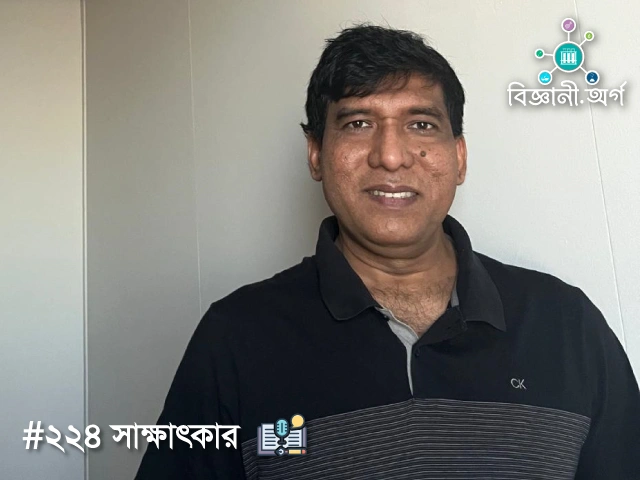
ড. মোঃ মুরাদ হোসেন একজন ডেটা সায়েন্টিস্ট, পরিসংখ্যানবিদ ও একাডেমিক গবেষক। তিনি ইতালির University of Turin থেকে Modeling and Data Science বিষয়ে পিএইচডি ডিগ্রি অর্জন করেন। বর্তমানে তিনি গোপালগঞ্জ বিজ্ঞান ও প্রযুক্তি বিশ্ববিদ্যালয়ের পরিসংখ্যান বিভাগে সহযোগী অধ্যাপক হিসেবে কর্মরত। প্রায় এক দশকেরও বেশি সময় ধরে তিনি উচ্চশিক্ষা ও গবেষণার সঙ্গে যুক্ত।
তার গবেষণার প্রধান ক্ষেত্রসমূহ হলো ডেটা সায়েন্স, মেশিন লার্নিং, পরিসংখ্যানগত মডেলিং, ন্যাচারাল ল্যাঙ্গুয়েজ প্রসেসিং (NLP) এবং ডিসিশন সাপোর্ট সিস্টেম। বিশেষত স্বাস্থ্য, মানসিক স্বাস্থ্য, সামাজিক বৈষম্য ও নীতিনির্ধারণ-সংক্রান্ত বাস্তব সমস্যায় তথ্যভিত্তিক বিশ্লেষণ ও অ্যালগরিদমিক সমাধান তৈরি তার কাজের অন্যতম বৈশিষ্ট্য। তার গবেষণাকর্ম আন্তর্জাতিক জার্নাল ও সম্মেলনে প্রকাশিত হয়েছে, যার মধ্যে Nature Scientific Reports এবং IEEE Transactions on Human-Machine Systems উল্লেখযোগ্য। পাশাপাশি তিনি বিভিন্ন সরকার ও বিশ্ববিদ্যালয়-অনুদানপ্রাপ্ত গবেষণা প্রকল্পে প্রধান ও সহ-গবেষক হিসেবে কাজ করেছেন।

💬 প্রশ্নোত্তর পর্ব:
প্রশ্ন: আপনার গবেষণার বিষয় কী?
উত্তর: আমার গবেষণার মূল বিষয় হলো ডেটা ব্যবহার করে বাস্তব জীবনের সমস্যা বোঝা ও সমাধানে সহায়তা করা, বিশেষ করে স্বাস্থ্য, সমাজ এবং নীতিনির্ধারণ–সংক্রান্ত ক্ষেত্রে। সহজভাবে বললে, আমি বিভিন্ন ধরনের তথ্য—যেমন স্বাস্থ্যসংক্রান্ত উপাত্ত, মানুষের মতামত, সামাজিক আচরণ, অনলাইন লেখা বা খবর—সংগ্রহ করে কম্পিউটার ও পরিসংখ্যানের সাহায্যে বিশ্লেষণ করি, যাতে গুরুত্বপূর্ণ সিদ্ধান্ত আরও কার্যকরভাবে নেওয়া যায়।
আমি ডেটা সায়েন্সের মাধ্যমে বড় ও জটিল তথ্য বিশ্লেষণ করি, মেশিন লার্নিংয়ের সাহায্যে ভবিষ্যৎ ঝুঁকি অনুমান করি, পরিসংখ্যানগত মডেলিংয়ের মাধ্যমে তথ্যের ভেতরের সম্পর্ক বোঝার চেষ্টা করি এবং ন্যাচারাল ল্যাঙ্গুয়েজ প্রসেসিংয়ের মাধ্যমে ভাষাভিত্তিক উপাত্ত বিশ্লেষণ করি। বিশেষ করে মানসিক স্বাস্থ্য, উচ্চ রক্তচাপ, পারিবারিক সহিংসতা এবং স্বাস্থ্যগত বৈষম্য নিয়ে কাজ করি। আমার লক্ষ্য হলো তথ্যভিত্তিক সিদ্ধান্ত গ্রহণে সহায়ক ডিসিশন সাপোর্ট সিস্টেম তৈরি করা।
প্রশ্ন: আপনার গবেষণার কাজগুলি কিভাবে আমাদের উপকৃত করছে কিংবা করবে?
উত্তর: আমার গবেষণা মূলত তথ্যভিত্তিক সিদ্ধান্ত গ্রহণকে সহজ ও কার্যকর করার মাধ্যমে সমাজকে উপকৃত করার লক্ষ্য নিয়ে করা। স্বাস্থ্য খাতে গবেষণার মাধ্যমে ঝুঁকিপূর্ণ ব্যক্তি বা গোষ্ঠীকে আগেভাগে শনাক্ত করা সম্ভব, ফলে প্রতিরোধমূলক ব্যবস্থা গ্রহণ সহজ হয়।
নীতিনির্ধারণের ক্ষেত্রে তথ্যভিত্তিক বিশ্লেষণ সিদ্ধান্তের মান উন্নত করে এবং সম্পদের সঠিক ব্যবহার নিশ্চিত করতে সহায়তা করে। পাশাপাশি মানসিক স্বাস্থ্য, পারিবারিক সহিংসতা ও সামাজিক বৈষম্যের মতো বিষয়গুলোর প্রকৃত চিত্র বিশ্লেষণের মাধ্যমে সচেতনতা বৃদ্ধি এবং কার্যকর উদ্যোগ গ্রহণ সম্ভব হয়। শিক্ষার্থীদের ক্ষেত্রেও বাস্তব ডেটা নিয়ে কাজ শেখানো তাদের গবেষণায় দক্ষ করে তোলে।
প্রশ্ন: গবেষণা কাজের বিশেষ কোনো অভিজ্ঞতা কি আমাদের সঙ্গে শেয়ার করবেন?
উত্তর: মানসিক স্বাস্থ্য ও পারিবারিক সহিংসতা–সংক্রান্ত একটি গবেষণায় কাজ করতে গিয়ে উপলব্ধি করি যে ডেটার প্রতিটি সংখ্যার পেছনে বাস্তব মানুষের জীবন রয়েছে। প্রথমে এটি কেবল একটি ডেটাসেট মনে হলেও বিশ্লেষণের অগ্রগতির সঙ্গে বুঝতে পারি যে গবেষণার ফল বাস্তবে মানুষের জীবনমান উন্নয়নে ভূমিকা রাখতে পারে।
এই অভিজ্ঞতা আমাকে শিখিয়েছে যে গবেষণা কেবল প্রকাশনার জন্য নয়; এর একটি মানবিক দায়িত্বও রয়েছে। পাশাপাশি শিক্ষার্থীদের গবেষণায় দিকনির্দেশনা দিয়ে তাদের আত্মবিশ্বাসের বিকাশ প্রত্যক্ষ করা আমার জন্য অত্যন্ত তাৎপর্যপূর্ণ অভিজ্ঞতা।
প্রশ্ন: একজন বিজ্ঞানীর কী কী গুণ থাকা প্রয়োজন বলে মনে করেন?
উত্তর: একজন বিজ্ঞানীর জন্য কৌতূহল, ধৈর্য, সততা, সমালোচনামূলক চিন্তা ও শেখার মানসিকতা অত্যন্ত গুরুত্বপূর্ণ। গবেষণায় ব্যর্থতা আসবেই; তাই অধ্যবসায় ও ব্যর্থতা গ্রহণের মানসিকতা থাকা প্রয়োজন। দলবদ্ধভাবে কাজ করার দক্ষতা ও সমাজের প্রতি দায়বদ্ধতাও সমানভাবে জরুরি।
প্রশ্ন: বাংলাদেশের তরুণ শিক্ষার্থীদের জন্য আপনার বার্তা কী?
উত্তর: তরুণদের বলব—বিজ্ঞান মানে প্রশ্ন করা, শেখা এবং চেষ্টা চালিয়ে যাওয়া। সুযোগের সীমাবদ্ধতা কখনো স্বপ্নের সীমা নির্ধারণ করতে পারে না। ইন্টারনেট, ওপেন ডেটা ও অনলাইন শিক্ষার মাধ্যমে শেখার অসংখ্য সুযোগ রয়েছে। নিয়মিত অধ্যয়ন, দক্ষতা উন্নয়ন এবং নিজের উপর বিশ্বাস রাখাই সাফল্যের মূল চাবিকাঠি। ছোট থেকে শুরু করুন, কিন্তু লক্ষ্য রাখুন বড়।
যোগাযোগের তথ্য:
Email: [email protected]
🔗 প্রোফাইল লিংক
গুগল স্কলার: https://scholar.google.com/citations?authuser=4&user=wXMN9d0AAAAJ
লিংকডইন: https://www.linkedin.com/in/md-murad-hossain-2157b3212/
ড. মোঃ মুরাদ হোসেনের গবেষণা তথ্যভিত্তিক সিদ্ধান্ত গ্রহণকে সমাজের বিভিন্ন স্তরে কার্যকর করার একটি প্রচেষ্টা। স্বাস্থ্য, সামাজিক সমস্যা ও নীতিনির্ধারণে ডেটা সায়েন্সের প্রয়োগ তার কাজের বিশেষ দিক। গবেষণার পাশাপাশি শিক্ষার্থীদের দক্ষতা উন্নয়নে তার উদ্যোগ উল্লেখযোগ্য।
বিজ্ঞানী অর্গ টিম ড. মোঃ মুরাদ হোসেনের গবেষণা কার্যক্রমের ধারাবাহিক সাফল্য কামনা করছে। তাঁর কাজ বাংলাদেশের তরুণ গবেষকদের জন্য অনুপ্রেরণার উৎস হয়ে উঠুক—এই প্রত্যাশা রইল।
Exploring Data Science and Social Impact — An Interview with Dr. Md. Murad Hossain
Dr. Md. Murad Hossain is a data scientist, statistician, and academic researcher. He earned his PhD in Modeling and Data Science from the University of Turin, Italy. He is currently serving as an Associate Professor in the Department of Statistics at Gopalganj Science and Technology University, Bangladesh. With over a decade of experience in teaching and research, he has been actively engaged in academic and applied research activities.
His primary research areas include Data Science, Machine Learning, Statistical Modeling, Natural Language Processing (NLP), and Decision Support Systems. He focuses particularly on applying data-driven methods to address real-world challenges in public health, mental health, social inequality, and policy-making. His research has been published in internationally recognized journals, including Nature Scientific Reports and IEEE Transactions on Human-Machine Systems. He has also worked as a principal and co-investigator in several government- and university-funded research projects.
💬 Interview Section:
Question: What is your main research focus?
Answer: My main research focus is using data to understand and help solve real-life problems, particularly in the areas of health, society, and policy-making. In simple terms, I collect and analyze different types of data—such as health records, public opinions, social behavior, and online texts—using statistical and computational tools to support better decision-making.
I work extensively in Data Science to analyze complex datasets, use Machine Learning to predict risks and trends, apply statistical modeling to understand relationships within data, and use Natural Language Processing (NLP) to analyze language-based information. My goal is to develop decision support systems that help doctors, policymakers, and researchers make data-driven decisions.
Question: How does your research benefit society?
Answer: My research aims to make data-driven decision-making more effective and accessible. In the health sector, it helps identify individuals or groups at higher risk of disease, enabling preventive action and reducing long-term healthcare costs.
In policy-making, evidence-based analysis improves the quality of decisions and ensures more efficient resource allocation. Additionally, by analyzing issues such as mental health, domestic violence, and social inequality, research can provide insights that raise awareness and inform targeted interventions. I also guide students in working with real datasets, helping them develop practical research skills.
Question: Would you like to share any special research experience?
Answer: While working on research related to mental health and domestic violence, I realized that behind every data point there is a real human story. Initially, the dataset seemed like just numbers, but deeper analysis revealed the social realities and challenges faced by individuals.
This experience taught me that research is not only about publishing papers; it carries a human responsibility. If research findings can help identify vulnerable populations early, they can positively impact lives. Mentoring students and seeing their confidence grow through research has also been a meaningful experience for me.
Question: What qualities are essential for a scientist?
Answer: A scientist must have curiosity, patience, honesty, critical thinking ability, and a willingness to learn. Research often involves setbacks, so perseverance and the ability to accept failure are important. Collaboration skills and a sense of social responsibility are equally essential.
Question: What message would you give to young students in Bangladesh who want to pursue science?
Answer: I would encourage young students to remain curious and persistent. Limited resources should not limit ambition. Today, there are numerous online resources, open datasets, and learning platforms available. Regular study, skill development in coding and data analysis, and self-confidence are key to success. Start small, but aim high.
Contact Information:
Email: [email protected]
🔗 Profile Links
Google Scholar: https://scholar.google.com/citations?authuser=4&user=wXMN9d0AAAAJ
LinkedIn: https://www.linkedin.com/in/md-murad-hossain-2157b3212/
Dr. Md. Murad Hossain’s work reflects the growing importance of data-driven research in addressing societal challenges. His contributions in applying data science to health, social issues, and policy-making demonstrate how analytical tools can support informed decisions. Alongside research, his commitment to mentoring students strengthens the development of future researchers in Bangladesh.
The biggani.org team extends its best wishes to Dr. Md. Murad Hossain for his continued success. May his work continue to inspire young scientists and researchers in Bangladesh and beyond.








Leave a comment