
শিক্ষা দিয়ে শুরু, প্রযুক্তিতে বিস্তার
ড. অমিত কুমার শিকদারের সঙ্গে আলাপ শুরু হয়েছিল একেবারেই অন্য জায়গা থেকে—শিক্ষা নিয়ে। তিনি মনে করেন, শিক্ষা এমন একটি ক্ষেত্র যা কখনো স্থির থাকে না; সময়ের সঙ্গে তার কাঠামো বদলায়, পদ্ধতি বদলায়, লক্ষ্য বদলায়। দশ বা বিশ বছর আগে যে শিক্ষা ব্যবস্থা ছিল, আজ তা আর আগের জায়গায় নেই। পৃথিবীও বদলেছে। এখনকার শিক্ষার্থীরা আগের চেয়ে অনেক বেশি “গ্লোবাল”—অর্থাৎ তারা শুধু নিজের দেশের ভেতর সীমাবদ্ধ নয়; তারা নানা দেশের শিক্ষা, প্রযুক্তি, গবেষণা ও সুযোগ সম্পর্কে ভাবছে। এই বাস্তবতায় “গ্লোবাল এডুকেশন” বা বৈশ্বিক শিক্ষা-সমন্বয়ের ধারণাকে তিনি অত্যন্ত গুরুত্বপূর্ণ বলে মনে করেন।
একটি দেশের শিক্ষা-মান আরেকটি দেশের মতো হবে না—এটাই স্বাভাবিক। কিন্তু বিশ্বের বিভিন্ন শিক্ষা ব্যবস্থাকে কিভাবে এমনভাবে কাছাকাছি আনা যায়, যাতে একজন শিক্ষার্থী একটি দেশ থেকে অন্য দেশে গিয়েও নিজের শেখার ধারাবাহিকতা ধরে রাখতে পারে—ড. অমিতের চোখে এটি একটি গুরুত্বপূর্ণ গবেষণার বিষয়। তাঁর কথায়, শিক্ষা গবেষণা শুধু বই বা পাঠ্যক্রম বদলের বিষয় নয়; এটি আসলে ভবিষ্যতের সমাজ গঠনের গবেষণা।

বাংলাদেশের বাস্তবতায় এসে এই কথার গুরুত্ব আরও বাড়ে। বিশেষ করে তিনি মনে করেন, বড় শহরের বাইরে সরকারি বিদ্যালয়গুলোর শিক্ষার মান এখনো অনেক ক্ষেত্রেই কাঙ্ক্ষিত নয়। ঢাকা, চট্টগ্রাম, রাজশাহী বা খুলনার বাইরে গেলেই স্কুলশিক্ষার কাঠামো, পাঠদানের ধরন, এমনকি মান-নিয়ন্ত্রণের ক্ষেত্রেও বড় পার্থক্য দেখা যায়। এই বৈষম্য কমাতে হলে শুধু নীতিমালা প্রণয়ন করলেই হবে না; শিক্ষকদের প্রশিক্ষণ, স্থানীয় বাস্তবতার সঙ্গে সামঞ্জস্যপূর্ণ শিক্ষা-পরিকল্পনা এবং শিক্ষাব্যবস্থার ধারাবাহিক উন্নয়ন—সবকিছুর ওপর সমান জোর দিতে হবে।
এই ভাবনা থেকেই বোঝা যায়, ড. অমিত শুধু প্রযুক্তি গবেষক নন; শিক্ষা, সমাজ এবং মানবসম্পদের দীর্ঘমেয়াদি বিকাশ নিয়েও তাঁর গভীর আগ্রহ আছে।
বিজ্ঞানী অর্গ ও বাংলাদেশের তরুণদের প্রতি তাঁর টান
বাংলাদেশের শিক্ষার্থীদের কাছে বিদেশের গবেষণা-জগৎকে পৌঁছে দেওয়ার যে প্রয়াস বিজ্ঞানী অর্গ দীর্ঘদিন ধরে চালিয়ে যাচ্ছে, সেই উদ্যোগ সম্পর্কে জেনে ড. অমিত বিস্মিতও হয়েছেন, আনন্দিতও হয়েছেন। তাঁর কাছে এটি শুধু একটি প্ল্যাটফর্ম নয়; বরং বাংলাদেশের আন্ডারগ্র্যাজুয়েট শিক্ষার্থীদের সঙ্গে যুক্তরাষ্ট্রের গবেষক ও অধ্যাপকদের সরাসরি সেতুবন্ধন তৈরি করার একটি প্রয়োজনীয় উদ্যোগ।
তিনি জানিয়েছেন, অনেক দিন ধরেই তাঁর নিজের ভেতরে একটি ইচ্ছা কাজ করছিল—কিভাবে বাংলাদেশের তরুণদের কাছে যুক্তরাষ্ট্রের গবেষণা-সংস্কৃতি, গবেষণাগার, সুযোগ-সুবিধা এবং একাডেমিক বাস্তবতা তুলে ধরা যায়। প্রতি বছরই অনেক বাংলাদেশি শিক্ষার্থী যুক্তরাষ্ট্রে পিএইচডি, মাস্টার্স, এমনকি ব্যাচেলরস করতেও যায়। তিনি চান, ভবিষ্যতে আরও বেশি শিক্ষার্থী সেখানে যাক, ভালো বিশ্ববিদ্যালয়ে পড়ুক, গবেষণায় যুক্ত হোক, এবং আন্তর্জাতিক সহযোগিতার মধ্য দিয়ে বাংলাদেশকে এগিয়ে নিক।
এই আকাঙ্ক্ষা থেকেই বোঝা যায়, নিজের ব্যক্তিগত সাফল্যকে তিনি কখনোই শেষ গন্তব্য মনে করেন না। বরং তিনি চান, তাঁর অভিজ্ঞতা বাংলাদেশের আরও তরুণকে সাহসী করুক।
বুয়েট থেকে সাইবার সিকিউরিটি: সহজ ছিল না পথ বদল
ড. অমিত কুমার শিকদারের একাডেমিক যাত্রার শুরু বাংলাদেশ প্রকৌশল বিশ্ববিদ্যালয়, বুয়েটের ইলেকট্রিক্যাল অ্যান্ড ইলেকট্রনিক ইঞ্জিনিয়ারিং বিভাগে। সেখান থেকেই তাঁর প্রযুক্তি-জগতের ভিত গড়ে ওঠে। কিন্তু আজ তিনি পরিচিত সাইবার সিকিউরিটি, আইওটি নিরাপত্তা, ম্যালওয়্যার বিশ্লেষণ এবং AI-নির্ভর সিস্টেমের নিরাপত্তা নিয়ে কাজ করা একজন গবেষক হিসেবে। এই পরিবর্তনটা কীভাবে এল?
তাঁর নিজের ভাষায়, এই যাত্রা মোটেও সহজ ছিল না।
আন্ডারগ্র্যাজুয়েট পর্যায়ে তাঁর মূল গবেষণার আগ্রহ ছিল পাওয়ার জেনারেশন ও পাওয়ার সিস্টেমে। অর্থাৎ বিদ্যুৎ উৎপাদন ও বিদ্যুৎ ব্যবস্থার মতো তুলনামূলকভাবে “ক্লাসিক” ইঞ্জিনিয়ারিং ক্ষেত্রেই তিনি এগোচ্ছিলেন। কিন্তু ভিতরে ভিতরে তাঁর আরেকটি আকর্ষণ কাজ করছিল—কম্পিউটার সায়েন্স সংশ্লিষ্ট কোনো বিষয়ে এক সময় কাজ করবেন। বাংলাদেশের প্রেক্ষাপটে এক বিভাগ থেকে অন্য গবেষণা ক্ষেত্রে চলে যাওয়া, বিশেষ করে ইঞ্জিনিয়ারিংয়ের ভেতরে এমন বড় পরিবর্তন, খুব সাধারণ ঘটনা নয়। ফলে এই সিদ্ধান্তে ঝুঁকিও ছিল, অনিশ্চয়তাও ছিল।
পিএইচডির জন্য আবেদন করতে গিয়ে তিনি প্রথমে যোগাযোগ করেছিলেন এমন একজন অধ্যাপকের সঙ্গে, যিনি ওয়্যারলেস কমিউনিকেশন ও পাওয়ার সিস্টেমে কাজ করতেন। কিন্তু সেখান থেকেই তাঁর জীবনের মোড় ঘুরে যায়। ওই অধ্যাপক তাঁকে আরেকজন নতুন যোগ দেওয়া ফ্যাকাল্টির কাছে পাঠান, যিনি সাইবার সিকিউরিটিতে কাজ শুরু করেছেন। ফ্লোরিডা ইন্টারন্যাশনাল ইউনিভার্সিটিতে সেই সাক্ষাৎকারেই ঘটে একটি গুরুত্বপূর্ণ ঘটনা।
ড. অমিত ছিলেন সম্পূর্ণ সৎ। তিনি প্রথমেই বলে দেন—তিনি সাইবার সিকিউরিটি সম্পর্কে খুব বেশি জানেন না, কিন্তু শিখতে চান। এই খোলামেলা স্বীকারোক্তিই তাঁর জন্য দরজা খুলে দেয়। কারণ অনেক সময় যোগ্যতার পাশাপাশি শেখার আগ্রহও একজন গবেষকের সবচেয়ে বড় পরিচয়। তাঁর সম্ভাব্য সুপারভাইজার তাঁকে নিরুৎসাহিত করেননি; বরং বুঝিয়েছেন, কীভাবে এই নতুন ক্ষেত্রে প্রবেশ করা যায়, কীভাবে ধাপে ধাপে দক্ষতা তৈরি হয়।
ড. অমিত আজও তাঁর সেই অধ্যাপককে পুরো কৃতিত্ব দেন। কারণ একজন ভালো শিক্ষক বা গবেষণা-পরামর্শক কখনো শুধু উত্তর দেন না; তিনি শিক্ষার্থীর ভেতরে প্রশ্ন জাগিয়ে দেন, নতুন ক্ষেত্রের ভয় কাটিয়ে তোলেন।
শেখার প্রথম দেড় বছর: রাত জেগে, লাইব্রেরিতে বসে, নিজেকে নতুন করে গড়া
ক্ষেত্র পরিবর্তনের রোমান্টিক গল্প অনেকেই শোনে, কিন্তু তার কষ্টের অংশটুকু খুব কম আলোচিত হয়। ড. অমিত সে জায়গাটিও স্পষ্টভাবে তুলে ধরেছেন। সাইবার সিকিউরিটিতে যোগ দেওয়ার পর প্রথম এক থেকে দেড় বছর তাঁর কেটেছে প্রায় পুরোটাই শেখার মধ্যে। নতুন নতুন বিষয়, একের পর এক গবেষণাপত্র, গভীর রাত পর্যন্ত লাইব্রেরিতে বসে পড়াশোনা—এসব ছিল তাঁর প্রতিদিনের রুটিন।
একে একভাবে পাহাড়ে ওঠার সঙ্গে তুলনা করা যায়। দূর থেকে পাহাড় সুন্দর লাগে, কিন্তু চূড়ায় উঠতে গেলে শ্বাসকষ্ট হয়, পথ হারানোর ভয় থাকে, অনেক সময় মনে হয় ফিরে যাই। ড. অমিতের ক্ষেত্রেও শুরুটা ছিল তেমন। কিন্তু তিনি থামেননি।
তাঁর মতে, গবেষণায় ভালো করতে চাইলে নিজের অন্তর্দৃষ্টিকে অনুসরণ করতে হয়। কোনো একটি বিষয়ে যদি সত্যিকারের আগ্রহ তৈরি হয়, তাহলে সেটি শেখার জন্য শতভাগ নয়—একশ দশ ভাগ দেওয়ার মানসিকতা থাকতে হয়। প্রথম দিকে হয়তো অগ্রগতি চোখে পড়ে না, কিন্তু ধীরে ধীরে একটি সময় আসে, যখন বিষয়টি নিজে থেকেই খুলে যেতে শুরু করে। তাঁর নিজের ক্ষেত্রেও তা-ই হয়েছে। প্রায় দেড় বছর পর তিনি সাইবার সিকিউরিটির ভাষা, প্রবণতা, সমস্যা ও সম্ভাবনা বুঝতে শুরু করেন। তখন আর এটি তাঁর কাছে শুধু নতুন বিষয় ছিল না; হয়ে ওঠে নিজের ক্ষেত্র।
তাঁর এক অধ্যাপক একসময় তাঁকে বলেছিলেন, “সাইবার সিকিউরিটি হবে বিশ্বের পরবর্তী বড় ক্ষেত্র।” আজকের পৃথিবী দেখে মনে হয়, সেই ভবিষ্যদ্বাণী ভুল ছিল না।
AI-এর যুগে শুধু ব্যবহার জানলেই হবে না, ভেতরটাও বুঝতে হবে
আজকের পৃথিবীতে AI বা কৃত্রিম বুদ্ধিমত্তা যেন সর্বত্র। শিক্ষার্থী নোট বানাতে এটি ব্যবহার করছে, চাকরিপ্রার্থী সিভি লিখতে ব্যবহার করছে, সফটওয়্যার কোম্পানি কোড তৈরিতে ব্যবহার করছে, আবার সামাজিক যোগাযোগমাধ্যমও AI-নির্ভর কনটেন্টে ভরে যাচ্ছে। এই বাস্তবতায় অনেকে ভাবছে—AI ব্যবহার জানাই হয়তো সবচেয়ে বড় দক্ষতা। কিন্তু ড. অমিতের দৃষ্টিতে বিষয়টি এত সহজ নয়।
তিনি মনে করেন, AI কীভাবে ব্যবহার করতে হয়, তা শেখা জরুরি হলেও তার চেয়েও বেশি জরুরি হলো—AI কীভাবে তৈরি হয়, কীভাবে ভেতরে কাজ করে, কীভাবে একটি মডেল সিদ্ধান্ত নেয়, কীভাবে সেটিকে বদলানো যায়, এবং সেটি নিরাপদ কি না—এসব বোঝা।
বিশেষ করে যুক্তরাষ্ট্রের চাকরির বাজার, বড় প্রযুক্তি প্রতিষ্ঠান বা সফটওয়্যার খাতে এখন শুধু “AI tool user” নয়, বরং “AI builder” বা নির্মাতার মূল্য বাড়ছে। কে নিজে মডেল তৈরি বা রূপান্তর করতে পারে, কে মডেলের আচরণ বোঝে, কে নিরাপত্তা-ঝুঁকি ধরতে পারে—সেসবই এখন গুরুত্বপূর্ণ।
ড. অমিতের পর্যবেক্ষণ হলো, আমরা অধিকাংশ মানুষ AI-কে অন্ধভাবে ব্যবহার করছি। যেমন, অনেকেই চ্যাটজিপিটি ব্যবহার করছে, কিন্তু খুব কম মানুষ ভাবছে—এই সিস্টেমটি আমার তথ্য দিয়ে কী করছে, আমার ইনপুট কি নিরাপদ, এর উত্তর কতটা সত্য, এর সিদ্ধান্ত কীভাবে তৈরি হচ্ছে? এই অন্ধ নির্ভরতার জায়গাটাই ভবিষ্যতের বড় নিরাপত্তা ও গোপনীয়তার প্রশ্ন তৈরি করছে।
এক কথায়, AI যত বাড়বে, তার সঙ্গে নিরাপত্তা ও গোপনীয়তার প্রশ্নও তত বড় হবে।
সেন্সর: স্মার্ট ডিভাইসের সবচেয়ে অবহেলিত দরজা
ড. অমিতের পিএইচডি গবেষণার একটি কেন্দ্রীয় বিষয় ছিল স্মার্ট ডিভাইস ও অ্যাপ্লিকেশনের সেন্সর নিরাপত্তা। এটি শুনতে হয়তো অনেকের কাছে কঠিন মনে হতে পারে, কিন্তু তিনি যেভাবে বিষয়টি ব্যাখ্যা করেন, তাতে জিনিসটি সহজ হয়ে যায়।
ধরা যাক, একটি স্মার্ট ডিভাইস তিনটি বড় অংশে কাজ করে। প্রথম অংশ হলো সেন্সর—যা বাইরের পরিবেশ বা মানুষের কাছ থেকে তথ্য নেয়। যেমন মোবাইলের ক্যামেরা, মাইক্রোফোন, তাপমাত্রা সেন্সর, নড়াচড়া শনাক্তকারী সেন্সর ইত্যাদি। দ্বিতীয় অংশ হলো প্রসেসিং ইউনিট—যা সেই তথ্য বিশ্লেষণ করে। তৃতীয় অংশ হলো অ্যাকচুয়েটর—যা বিশ্লেষণের ভিত্তিতে কাজ করে বা সিদ্ধান্ত পৌঁছে দেয়।
সাইবার সিকিউরিটির প্রচলিত গবেষণায় মূল জোর সাধারণত দ্বিতীয় অংশে, অর্থাৎ কম্পিউটিং বা প্রসেসিং অংশে দেওয়া হতো। অর্থাৎ “মেশিনের মাথা” কতটা নিরাপদ—সেটা দেখা হতো। কিন্তু “মেশিনের চোখ-কান” অর্থাৎ সেন্সর অংশে যে তথ্য আসছে, সেটি নিরাপদ কি না—সে প্রশ্ন অনেকটা আড়ালে পড়ে থাকত।
ড. অমিত এখানেই একটি বড় ফাঁক দেখতে পান। যদি সেন্সর থেকেই ভুল বা বিকৃত তথ্য পাঠানো হয়, তাহলে পরের সব সিদ্ধান্তই ভুল হতে পারে। অর্থাৎ রান্নার হাঁড়িতে যদি শুরুতেই নষ্ট উপকরণ ফেলা হয়, তাহলে যত ভালো রাঁধুনি-ই থাকুক, শেষ ফল ভালো হওয়ার সুযোগ কম। এই সাধারণ যুক্তিটাকেই তিনি প্রযুক্তির ভাষায় গবেষণার কেন্দ্রে এনেছেন।
তাঁর প্রথম গবেষণাপত্রে তিনি দেখিয়েছিলেন, সঠিক ধরনের বাহ্যিক উদ্দীপনা বা “স্টিমুলেশন” ব্যবহার করে সেন্সর ডাটাকেও বদলে দেওয়া সম্ভব। অর্থাৎ কোনো স্মার্ট ডিভাইসকে শুধু সফটওয়্যার দিয়ে নয়, তার সেন্সর-নির্ভর উপলব্ধিকেও হ্যাক করা যায়। এখান থেকেই তাঁর স্মার্ট ডিভাইস হ্যাকিং-সংক্রান্ত গবেষণার মূল ভিত্তি তৈরি হয়।
পরবর্তীতে তিনি এমন নিরাপত্তা কাঠামো বা ফ্রেমওয়ার্ক তৈরির কাজ করেন, যা সেন্সর অংশকে সুরক্ষিত করবে, ডিভাইসের ভেতরের সিদ্ধান্ত গ্রহণকে সুরক্ষিত করবে, এবং মানুষ যখন ডিভাইসে তথ্য দেবে, সেই পুরো যোগাযোগ ব্যবস্থাকেও নিরাপদ রাখবে।
সাইবার সিকিউরিটি: কেবল তত্ত্ব নয়, বাস্তব জীবনের সমস্যা
ড. অমিতের একটি গুরুত্বপূর্ণ বক্তব্য হলো—সাইবার সিকিউরিটি মূলত একটি “অ্যাপ্লিকেশন ফিল্ড”, অর্থাৎ বাস্তব ব্যবহারের ক্ষেত্র। অনেক বিষয়ে গবেষণা আগে তত্ত্বে শুরু হয়, পরে বাস্তবে প্রয়োগ হয়। AI-এর ক্ষেত্রেও এমনটা দেখা গেছে; বহু তত্ত্ব বছর আগে তৈরি হয়েছিল, পরে এসে তা অ্যাপ্লিকেশনে রূপ পেয়েছে। কিন্তু সাইবার সিকিউরিটির ক্ষেত্রে উল্টোটা প্রায়ই সত্য।
যখনই নতুন কোনো প্রযুক্তি বাজারে আসে, সেটি প্রায় সঙ্গে সঙ্গেই আক্রমণকারীদের নজরে পড়ে। স্মার্টফোন, অ্যান্ড্রয়েড অপারেটিং সিস্টেম, স্মার্ট হোম ডিভাইস—সব ক্ষেত্রেই দেখা গেছে, প্রযুক্তি বাজারে আসার পরপরই কেউ না কেউ সেটির দুর্বলতা খুঁজে বের করার চেষ্টা করেছে। ফলে সাইবার সিকিউরিটিতে গবেষণার জন্য একাডেমিক আগ্রহ যথেষ্ট নয়; দরকার বাস্তব সমস্যা শনাক্ত করার ক্ষমতা।
তাঁর মতে, সবচেয়ে ভালো গবেষণা-প্রশ্ন পাওয়া যায় ভবিষ্যৎ প্রযুক্তিকে এক ধাপ আগে থেকে বুঝতে পারলে। কোন প্রযুক্তি আগামী ছয় মাস, এক বছর বা দুই বছরের মধ্যে বাজারে আসবে? মানুষ সেটি কীভাবে ব্যবহার করবে? কোথায় ভুল হতে পারে? কোথায় আক্রমণের সুযোগ তৈরি হতে পারে? এসব প্রশ্ন থেকেই গবেষণার সমস্যা তৈরি হয়।
এই কারণে তিনি শিক্ষার্থীদের সব সময় প্রযুক্তি-সংক্রান্ত সাম্প্রতিক খবর, সাইবার আক্রমণের সংবাদ, নতুন ডিভাইসের প্রবণতা—এসবের সঙ্গে আপডেট থাকার পরামর্শ দেন।
জর্জিয়া টেক: শিক্ষার্থী থেকে স্বাধীন গবেষক হওয়ার পাঠশালা
ফ্লোরিডা ইন্টারন্যাশনাল ইউনিভার্সিটিতে পিএইচডি শেষে ড. অমিত যোগ দেন জর্জিয়া ইনস্টিটিউট অব টেকনোলজিতে। তাঁর মতে, এই পর্যায়টি ছিল তাঁর গবেষণা-চিন্তার এক গুরুত্বপূর্ণ রূপান্তরের সময়। কারণ এখানে এসে তিনি আর শুধু “স্টুডেন্ট রিসার্চার” ছিলেন না; বরং “ইন্ডিপেন্ডেন্ট রিসার্চার” বা স্বাধীন গবেষক হিসেবে নিজেকে গড়ে তুলতে শুরু করেন।
জর্জিয়া টেক তাঁকে শিখিয়েছে—সব আইডিয়া সমান নয়। গবেষণার জগতে অসংখ্য ধারণা আসে, কিন্তু কোনটি বাস্তবসম্মত, কোনটি সমাজের জন্য গুরুত্বপূর্ণ, কোনটি বড় প্রভাব ফেলতে পারে—সেটি আলাদা করে বোঝা জরুরি। পিএইচডি পর্যায়ে একজন শিক্ষার্থী সাধারণত ভালো জার্নাল বা ভালো কনফারেন্সে প্রকাশনার দিকে মন দেয়। কিন্তু একজন স্বাধীন গবেষককে আরও এক ধাপ সামনে তাকাতে হয়। তাঁকে ভাবতে হয়—এই কাজটি কি সরকার বা শিল্পখাতকে বিনিয়োগে আগ্রহী করবে? এটি কি সামাজিকভাবে প্রয়োজনীয়? দুই বছরের মধ্যে কি এটি বাস্তব উপকারে আসতে পারে?
এই দৃষ্টিভঙ্গির পরিবর্তনই ড. অমিতকে আরও পরিণত গবেষক হতে সাহায্য করেছে। তিনি শুধু পেপার প্রকাশের উপযোগী আইডিয়া নয়, বরং ভবিষ্যৎ সমস্যাকে চিহ্নিত করে সমাধান তৈরির উপযোগী আইডিয়া বেছে নিতে শিখেছেন।
AI-চালিত স্বাস্থ্যসেবা: সবচেয়ে বড় ঝুঁকি কোথায়?
স্বাস্থ্যসেবা এখন দ্রুতই AI-নির্ভর ও সংযুক্ত প্রযুক্তির দিকে এগোচ্ছে। চিকিৎসা যন্ত্র, মেডিকেল ইমেজ বিশ্লেষণ, রোগ নির্ণয়ের সহায়ক সফটওয়্যার, দূরবর্তী রোগী পর্যবেক্ষণ—সব জায়গাতেই AI ঢুকে পড়ছে। ড. অমিত এই পরিবর্তনকে শুধু সম্ভাবনা হিসেবে দেখেন না; এর ঝুঁকির দিকও সমান গুরুত্ব দিয়ে দেখেন।
তিনি বলেন, AI-চালিত স্বাস্থ্যসেবায় অন্তত দুটি বড় দিক আছে। প্রথমটি রোগী বা ব্যবহারকারীর দিক। তারা জানতে চায়—তাদের ব্যক্তিগত স্বাস্থ্যতথ্য নিরাপদ কি না, কোথাও ফাঁস হচ্ছে কি না, তাদের গোপনীয়তা রক্ষা পাচ্ছে কি না। দ্বিতীয়টি হলো চিকিৎসক বা প্র্যাকটিশনারের দিক। তারা জানতে চান—AI যেটি বিশ্লেষণ করছে, সেটি কতটা নির্ভুল? AI কি ভুল রিপোর্ট তৈরি করছে? এর ওপর ভরসা করা যাবে?
এই দুই ধরনের আস্থার প্রশ্ন—ডাটা লিক এবং ডায়াগনসিসের বিশ্বাসযোগ্যতা—স্বাস্থ্যসেবা সাইবার সিকিউরিটির মূল আলোচনায় চলে আসছে।
এখানে আরেকটি জটিলতা আছে। স্বাস্থ্যসেবার প্রযুক্তি সরাসরি মানুষের জীবন নিয়ে কাজ করে। ফলে ছোট একটি দুর্বলতা, ছোট একটি হ্যাকিং ঘটনা, বা ছোট একটি ভুলও রোগীর ওপর সরাসরি প্রভাব ফেলতে পারে। অন্য অনেক প্রযুক্তিতে কোনো ভুল আর্থিক ক্ষতি বা সময়ের ক্ষতি করতে পারে; কিন্তু স্বাস্থ্যসেবায় ভুল মানে কখনো জীবনঝুঁকি।
আরও একটি বিষয় তিনি বিশেষভাবে উল্লেখ করেছেন—সব AI মডেল সব অঞ্চলে সমানভাবে প্রযোজ্য নয়। যুক্তরাষ্ট্রের রোগীর প্রোফাইল, রোগের ধরন, বয়সভিত্তিক বৈশিষ্ট্য, সামাজিক ও জৈবিক প্যাটার্ন বাংলাদেশের মানুষের সঙ্গে এক নয়। ফলে যুক্তরাষ্ট্রের জন্য তৈরি AI স্বাস্থ্যসেবা মডেল বাংলাদেশে এনে বসিয়ে দিলেই তা কার্যকর হবে না। এই “ইন্টার-অপারেবিলিটি” বা অঞ্চলভেদে মানিয়ে নেওয়ার সমস্যাও ভবিষ্যতের বড় প্রশ্ন।
ক্লাউডের বাইরে, ডিভাইসের ভেতরে: অন-ডিভাইস AI কি সত্যিই নিরাপদ?
এখন অনেকেই মনে করেন, যদি AI মডেল ক্লাউডে না গিয়ে সরাসরি ডিভাইসের ভেতরেই চলে—যাকে বলা হয় “অন-ডিভাইস AI”—তাহলে নিরাপত্তা-ঝুঁকি কমে যাবে। ড. অমিত বলেন, এতে কিছু ঝুঁকি সত্যিই কমে, কিন্তু নতুন ধরনের ঝুঁকিও তৈরি হয়।
ক্লাউডভিত্তিক ব্যবস্থায় বড় ভয় হলো—ডিভাইস থেকে তথ্য বাইরে চলে যাচ্ছে, তৃতীয় পক্ষ সেটি চুরি করতে পারে, বদলে দিতে পারে, বা অপব্যবহার করতে পারে। অন-ডিভাইস AI-এ সেই ঝুঁকির কিছুটা কমে, কারণ তথ্য ডিভাইসের মধ্যেই বিশ্লেষণ হয়। কিন্তু সমস্যা পুরোপুরি শেষ হয় না।
কারণ এখন একটি ডিভাইসেই একাধিক AI মডেল চলতে পারে। যেমন, একটি স্মার্টফোনের ভেতরে বিভিন্ন অ্যাপ বিভিন্ন AI সিস্টেম ব্যবহার করতে পারে। তখন একটি AI মডেল আরেকটি AI মডেলকে প্রভাবিত করতে পারে, তার ডাটা বের করে নিতে পারে, এমনকি তার কাজের ধরন বিশ্লেষণ করতে পারে। অর্থাৎ “ডাটা বাইরে যাবে না” ভেবে নিশ্চিন্ত হওয়া যাবে না; ডাটা একই ডিভাইসের ভেতরেও ফাঁস হতে পারে।
এ ছাড়া আছে “সাইড-চ্যানেল অ্যাটাক”। এর অর্থ, ডিভাইসের ভেতরে সরাসরি ঢুকতে না হলেও, বাইরের কিছু ইঙ্গিত—যেমন বিদ্যুৎ খরচের ওঠানামা, তড়িৎচৌম্বকীয় ক্ষেত্রের পরিবর্তন—এসব বিশ্লেষণ করেও সংবেদনশীল তথ্য সম্পর্কে ধারণা পাওয়া সম্ভব। যেন একটি বন্ধ ঘরের ভেতর কী হচ্ছে, তা দরজার ফাঁক দিয়ে শব্দ শুনে আন্দাজ করা।
এই কারণে অন-ডিভাইস AI-এর জন্য নতুন ধরনের নিরাপত্তা কাঠামো প্রয়োজন। গবেষকেরা এখন ভাবছেন, কীভাবে এসব মডেলকে আলাদা স্যান্ডবক্সে চালানো যায়, যাতে তারা একে অন্যের ডাটা স্পর্শ করতে না পারে।
বাংলাদেশের শিক্ষার্থীরা কোথায় পিছিয়ে, কীভাবে এগোবে?
ড. অমিত যেহেতু বিশ্ববিদ্যালয়ের ভর্তি কমিটিতে অনেক সিভি পর্যালোচনা করেন, তাই বাংলাদেশের শিক্ষার্থীদের প্রস্তুতি সম্পর্কে তাঁর পর্যবেক্ষণ বাস্তবসম্মত। তাঁর মতে, বাংলাদেশের অনেক আন্ডারগ্র্যাজুয়েট শিক্ষার্থী এখনো যুক্তরাষ্ট্রের মানদণ্ড থেকে দুই থেকে তিন বছর পিছিয়ে আছে। এর কারণ মেধার অভাব নয়; বরং তথ্য, প্রবণতা এবং গবেষণার দিক সম্পর্কে “নলেজ গ্যাপ”।
তিনি দেখেন, বাংলাদেশের অনেক শিক্ষার্থী এখনো “মেশিন লার্নিং” নিয়েই সবচেয়ে বেশি ব্যস্ত, যেন সেটিই এখনও সবচেয়ে আধুনিক ক্ষেত্র। অথচ বিশ্ব ইতিমধ্যে ডিফিউশন মডেল, জেনারেটিভ AI এবং আরও উন্নত পদ্ধতির দিকে চলে গেছে। এই ব্যবধান কমাতে হলে শিক্ষার্থীদের প্রথম কাজ হলো—শুধু স্থানীয় ধারণার মধ্যে সীমাবদ্ধ না থেকে, বিশ্বের শীর্ষ বিশ্ববিদ্যালয়গুলোতে এখন কী ধরনের গবেষণা হচ্ছে তা জানা।
তাঁর পরামর্শ, আন্ডারগ্র্যাজুয়েটের তৃতীয় বর্ষ থেকেই নিজের আগ্রহের ক্ষেত্র নির্বাচন করা উচিত। এরপর সেই ক্ষেত্রের অধ্যাপকদের, বিশেষ করে বিদেশে থাকা বাংলাদেশি অধ্যাপকদের সঙ্গে যোগাযোগ করতে হবে। শুধু পিএইচডির আবেদন করার সময় নয়; বরং গ্র্যাজুয়েশনের অন্তত এক বছর আগে থেকেই এই যোগাযোগ শুরু করা দরকার। তাঁদের গবেষণা পড়া, তাঁদের কাছ থেকে পরামর্শ চাওয়া, এমনকি নিজের গবেষণা-আইডিয়া তাঁদের কাছে তুলে ধরাও খুবই কার্যকর হতে পারে।
এভাবে আন্তর্জাতিক মানের গবেষণার সঙ্গে আগে থেকেই যুক্ত হলে বাংলাদেশের শিক্ষার্থীদের কাজও আন্তর্জাতিক মানের দিকে যেতে শুরু করবে।
CGPA গুরুত্বপূর্ণ, কিন্তু একে দেবতা বানালে চলবে না
বাংলাদেশে CGPA নিয়ে যে প্রবল চাপ ও সামাজিক মূল্যবোধ কাজ করে, সেটি ড. অমিত খুব ভালোভাবেই বোঝেন। তিনি কখনোই বলেন না যে CGPA অপ্রয়োজনীয়। বরং স্পষ্ট করে বলেছেন—বিদেশে উচ্চশিক্ষার জন্য আবেদন করলে অধ্যাপকরা প্রথমেই আপনার CGPA দেখবেন। এটি একটি গুরুত্বপূর্ণ সূচক।
তবে তাঁর কাছে মূল বিষয় হলো “কনসিস্টেন্সি” বা ধারাবাহিকতা। কোনো শিক্ষার্থীর একটি বা দুটি সেমিস্টার খারাপ যেতে পারে—ব্যক্তিগত, পারিবারিক বা অন্য কোনো কারণে। কিন্তু যদি পুরো আট সেমিস্টার জুড়েই ফল খুব নিচের দিকে থাকে, তাহলে সেটি উদ্বেগের কারণ। তাঁর মতে, মোটামুটি ৩.৫-এর ওপরে, বিশেষ করে ৩.৬-এর কাছাকাছি বা তার বেশি ধারাবাহিক CGPA থাকলে সেটি একটি শক্তিশালী প্রোফাইলের ইঙ্গিত দেয়—যদি তার সঙ্গে কিছু গবেষণা-অভিজ্ঞতাও যুক্ত থাকে।
তবে একই সঙ্গে তিনি এ কথাও জোর দিয়ে বলেন—CGPA একজন গবেষককে সংজ্ঞায়িত করে না। এটি একজন মানুষের সমালোচনামূলক চিন্তাশক্তি, কৌতূহল বা নতুন সমস্যা দেখার ক্ষমতাকে পুরোপুরি প্রকাশ করতে পারে না।
১০০টি পেপার নয়, দরকার দুইটি শক্তিশালী কাজ
বর্তমান সময়ে বাংলাদেশের শিক্ষার্থীদের মধ্যে গবেষণাপত্র প্রকাশের এক ধরনের সংখ্যার প্রতিযোগিতা তৈরি হয়েছে। কে কত পেপার প্রকাশ করল, সেটাই যেন বড় পরিচয়। এই প্রবণতা সম্পর্কে ড. অমিতের অবস্থান খুব পরিষ্কার—গুণগত মান সব সময় সংখ্যার চেয়ে বেশি গুরুত্বপূর্ণ।
তাঁর মতে, আন্ডারগ্র্যাজুয়েট পর্যায়ে ১০০টি নিম্নমানের জার্নাল বা কনফারেন্সে প্রকাশনার চেয়ে আন্তর্জাতিকভাবে স্বীকৃত একটি ভালো জার্নাল বা একটি শক্তিশালী কনফারেন্সে দুইটি মানসম্মত কাজ অনেক বেশি মূল্যবান। কারণ ভর্তি কমিটি শুধু সংখ্যা দেখে না; তারা খুঁজে দেখতে চায়—শিক্ষার্থীটি আসলে কোন কাজটিতে ব্যক্তিগতভাবে কতটা যুক্ত ছিল, কোন গবেষণার প্রযুক্তিগত ভিত্তি সে সত্যিই বোঝে, কোথায় তার মৌলিক অবদান আছে।
তাঁর সতর্কতা আরও কঠোর হয় “প্রিডেটরি জার্নাল” বা নিম্নমানের শোষণমূলক প্রকাশনা সম্পর্কে। তিনি স্পষ্ট বলেছেন, এ ধরনের জার্নালে প্রকাশনা অনেক সময় পিএইচডি ভর্তি কমিটির কাছে বড় “রেড ফ্ল্যাগ” হিসেবে ধরা পড়ে। অর্থাৎ শুধু নামের পাশে “পাবলিকেশন” লিখতে পারলেই হবে না; সেটি কোথায়, কী মানে, কী উদ্দেশ্যে—সবকিছুই গুরুত্বপূর্ণ।
একজন শিক্ষার্থীর মধ্যে তিনি কী খোঁজেন?
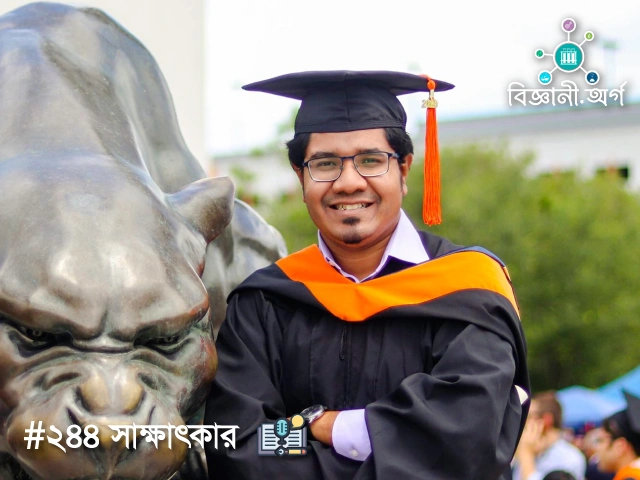
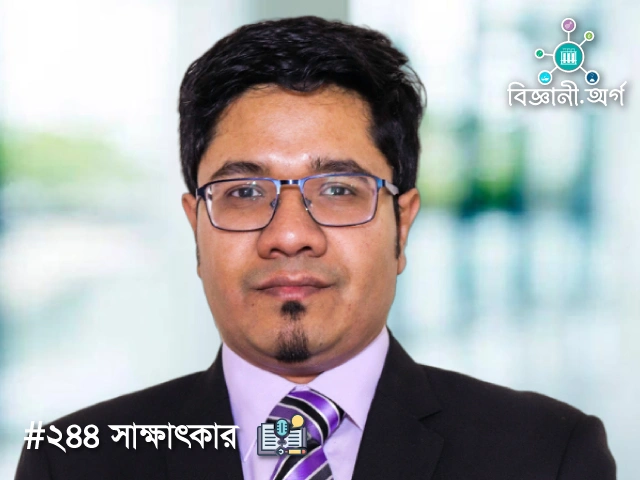
বর্তমানে আইওয়া স্টেট ইউনিভার্সিটিতে অ্যাসিস্ট্যান্ট প্রফেসর হিসেবে ড. অমিত শুধু গবেষক নন; তিনি একজন মেন্টরও। তাই শিক্ষার্থীদের মূল্যায়নের ক্ষেত্রে তাঁর দৃষ্টিভঙ্গি বিশেষ তাৎপর্যপূর্ণ।
তিনি প্রথমেই দেখেন—শিক্ষার্থীটি কতটুকু চেষ্টা করছে। কেবল প্রতিভা নয়, প্রচেষ্টা তাঁর কাছে বড় বিষয়। তবে শুধু “অনেকক্ষণ” কাজ করলেই হবে না; কাজটা হতে হবে স্মার্ট, লক্ষ্যভিত্তিক, মনোযোগী। কেউ দশ দিন ধরে কোড লিখল, কিন্তু তাতে ফল হলো না—এর চেয়ে কেউ যদি দিনে পাঁচ ঘণ্টা মনোযোগ দিয়ে কাজ করে এবং সুনির্দিষ্ট অগ্রগতি আনে, সেটিই বেশি মূল্যবান।
আরেকটি বিষয়ে তিনি বিশেষ জোর দেন—রিসার্চ পেপার পড়া। AI টুল এখন অনেক কিছু সংক্ষেপ করে দিতে পারে, কিন্তু তাঁর মতে, একজন ভালো গবেষক হতে হলে প্রতিদিন অন্তত দুইটি গবেষণাপত্র নিজে পড়ে দেখার অভ্যাস থাকতে হবে। দরকার হলে প্রিন্ট করে, মনোযোগ দিয়ে, বিঘ্নহীনভাবে। কারণ গবেষণা শুধু ফল জানা নয়; অন্যরা কীভাবে প্রশ্ন করেছে, কীভাবে পদ্ধতি তৈরি করেছে, কীভাবে চিন্তা করেছে—সেটি বোঝাও জরুরি। এই গভীর মানসিক প্রশিক্ষণ AI এখনো দিতে পারে না।
AI আমাদের জীবন সহজ করবে, কিন্তু মানুষকে প্রতিস্থাপন করবে না
AI নিয়ে আশাবাদ ও আশঙ্কা—দুটোই এখন খুব প্রবল। কেউ মনে করেন, AI সবকিছু পাল্টে দেবে; কেউ আবার মনে করেন, মানুষ অচিরেই অপ্রয়োজনীয় হয়ে যাবে। ড. অমিতের অবস্থান এখানে ভারসাম্যপূর্ণ।
তিনি স্বীকার করেন, AI আমাদের কাজ সহজ করছে। আগে হয়তো হাজার পাতার বই পড়ে মূল ধারণা বের করতে দীর্ঘ সময় লাগত; এখন AI অনেক দ্রুত একটি সারাংশ তুলে ধরতে পারে। ডেটা বিশ্লেষণ, তথ্য সংগঠিত করা, কিছু কাজের গতি বাড়ানো—এসব ক্ষেত্রে AI বিশাল সাহায্য করছে।
কিন্তু তাঁর মতে, AI এখনো “হিউম্যান রিজনিং” বা মানবিক বিচার-বিবেচনাকে পুরোপুরি ধরতে পারে না। মানুষ শুধু তথ্য প্রক্রিয়াকরণ করে না; মানুষ প্রসঙ্গ বোঝে, আবেগ বোঝে, অনিশ্চয়তা বোঝে, নৈতিকতা বোঝে, পরিস্থিতির অদৃশ্য দিকও অনুভব করে। এই কারণেই, তাঁর মতে, কেবল AI দিয়ে কোনো আদালতের সিদ্ধান্ত নেওয়া সম্ভব নয়। একইভাবে গবেষণাতেও AI সহকারী হতে পারে, কিন্তু মানবিক প্রশ্নবোধ, কৌতূহল এবং সৃজনশীল সমস্যা-দেখা—এসব জায়গা এখনো মানুষেরই।
তিনি সতর্ক করে বলেন, যদি আমরা সব জায়গায় AI ব্যবহার করতে গিয়ে “মানবিক স্পর্শ”কে সরিয়ে ফেলি, তাহলে ভবিষ্যতে একটি বড় শূন্যতা তৈরি হবে। প্রযুক্তি থাকবে, কিন্তু মানুষের উপলব্ধি কমে গেলে সেই প্রযুক্তির ব্যবহারও বিপজ্জনক হতে পারে।
নিজের ছোটবেলার অমিতকে তিনি কী বলতেন?
সাক্ষাৎকারের এক পর্যায়ে তাঁকে জিজ্ঞেস করা হয়েছিল—আজ যদি তিনি নিজের আন্ডারগ্র্যাজুয়েট বয়সের অমিতকে সামনে পেতেন, তাহলে কী পরামর্শ দিতেন?
তাঁর উত্তর ছিল অসাধারণ সরল। তিনি নিজেকেই বলতেন—শুধু CGPA-র পেছনে ছুটো না, নতুন জিনিস শেখো। যে বিষয় পড়ছ, সেটি নম্বরের জন্য নয়; বোঝার জন্য পড়ো।
তবে তিনি সঙ্গে সঙ্গেই এটাও মনে করিয়ে দিয়েছেন, CGPA অগুরুত্বপূর্ণ নয়। কিন্তু কেবল CGPA-ই সব নয়। গবেষক হতে হলে কৌতূহল, গভীরভাবে শেখার ইচ্ছে, নিজের পছন্দের ক্ষেত্র নিয়ে দীর্ঘ সময় ধরে কাজ করার ধৈর্য—এসব আরও বড় বিষয়।
আরেকটি কথাও তিনি বলেছেন, যা বিশেষভাবে গুরুত্বপূর্ণ: আন্ডারগ্র্যাজুয়েট জীবনে আমরা অনেক সময় এক ধরনের সামাজিক চাপে থাকি। সবাই যা করছে, আমাকেও তা-ই করতে হবে—এমন ভাবনা কাজ করে। কিন্তু গবেষণা বা জীবন—কোনোটাই এভাবে তৈরি হয় না। তোমার যা ভালো লাগে, যে বিষয় তোমাকে টানে, যে প্রশ্ন তোমাকে নাড়া দেয়—সেটির দিকেই এগোতে হবে। নিজের স্বর খুঁজে পাওয়া, নিজের আগ্রহকে গুরুত্ব দেওয়া—এটিও একজন ভবিষ্যৎ গবেষকের বড় শিক্ষা।
শেষ কথা: একটি পথচলা, যা তরুণদের জন্য দিশা
ড. অমিত কুমার শিকদারের গল্প কেবল একজন সফল গবেষকের গল্প নয়। এটি একই সঙ্গে এক শিক্ষার্থীর সাহসের গল্প, যিনি নিজের পরিচিত ক্ষেত্রের বাইরে যাওয়ার ঝুঁকি নিয়েছিলেন; এক শিক্ষকের গল্প, যিনি সুযোগ পেলে নতুন প্রজন্মকে পথ দেখাতে চান; এবং এক বিজ্ঞানীর গল্প, যিনি প্রযুক্তির ভেতর মানুষকে দেখতে ভুলে যান না।
বুয়েটের ইলেকট্রিক্যাল অ্যান্ড ইলেকট্রনিক ইঞ্জিনিয়ারিং থেকে শুরু করে ফ্লোরিডা ইন্টারন্যাশনাল ইউনিভার্সিটির পিএইচডি, জর্জিয়া টেকের গবেষণা-অভিজ্ঞতা, এবং আইওয়া স্টেট ইউনিভার্সিটিতে শিক্ষকতা—এই দীর্ঘ পথচলায় তিনি বারবার দেখিয়েছেন, গবেষণার আসল শক্তি শুধু মেধায় নয়; সততা, অধ্যবসায়, গভীর শেখার আগ্রহ এবং সঠিক সময়ে সঠিক প্রশ্ন করতে পারার মধ্যেই তার ভিত্তি।
বাংলাদেশের তরুণদের জন্য তাঁর যাত্রা এক বড় বার্তা বহন করে: সীমাবদ্ধতা থাকতেই পারে, কিন্তু কৌতূহল থাকলে পথ বন্ধ থাকে না। বিশ্বমানের গবেষণায় পৌঁছাতে হলে শুধু স্বপ্ন দেখলেই হবে না; জানতে হবে, পড়তে হবে, প্রশ্ন করতে হবে, মানসম্পন্ন কাজ করতে হবে, এবং নিজেকে ক্রমাগত নতুন করে গড়ে তুলতে হবে।
জাতি হিসেবে আমাদের গর্ব করার যথেষ্ট কারণ আছে, যখন দেখি বাংলাদেশের একজন গবেষক বিশ্বমানের প্রযুক্তি, সাইবার নিরাপত্তা, AI ও স্বাস্থ্যসেবার মতো জটিল বিষয়ে কাজ করছেন, আবার একই সঙ্গে দেশের শিক্ষার্থীদের জন্য দরজা খোলা রাখতে চাইছেন। এই পথচলা শুধু তাঁর ব্যক্তিগত সাফল্য নয়; এটি বাংলাদেশের সম্ভাবনারও এক উজ্জ্বল প্রতিচ্ছবি।
যে তরুণ আজ বিশ্ববিদ্যালয়ের করিডরে দাঁড়িয়ে ভাবছে—“আমি কি পারব?”—ড. অমিত কুমার শিকদারের গল্প তার জন্য একটি সুস্পষ্ট উত্তর রেখে যায়: হ্যাঁ, পারবে—যদি শেখার সাহস থাকে, পথ বদলানোর সাহস থাকে, আর নিজের ভেতরের কৌতূহলকে বাঁচিয়ে রাখতে পারো।
ড. অমিত কুমার শিকদারের সাক্ষাৎকারের ভিডিওটি ইউটিউবে নিম্নের লিংক এ দেখুন: 👇👇👇
From Education to Cybersecurity: The Journey of Dr. Amit Kumar Sikder in the Age of AI
A Conversation That Began with Education
The conversation with Dr. Amit Kumar Sikder began not with hacking, artificial intelligence, or cyber defense, but with education. In his view, education is one of the most dynamic and evolving fields in the world. It never stands still. The education system of ten or twenty years ago is no longer the same today, because society, technology, and the needs of learners have changed dramatically.
Dr. Sikder believes that global education is now one of the most important ideas of our time. Students are no longer confined by national boundaries in the way they once were. They study abroad, collaborate internationally, and increasingly prepare themselves for a world where knowledge travels across borders. In that context, he sees a major research opportunity in understanding how different education systems—though naturally shaped by local history and culture—can still be aligned around certain shared standards and goals.
To him, education research is not simply about textbooks or classrooms. It is about how societies prepare the next generation for a changing world.
This broader perspective becomes even more relevant when one looks at Bangladesh. Dr. Sikder openly acknowledges a difficult reality: the quality of education, especially in government schools outside major cities, often falls behind. Once one moves beyond Dhaka, Chattogram, Rajshahi, or Khulna, the teaching systems, standards, and overall learning environment can change significantly. For him, this is not merely a matter of resources; it is also a matter of policy, educator training, and long-term educational vision.
That is why he feels strongly that if Bangladesh wants to move forward, it must invest not only in institutions but also in teacher preparation and policy reform. In many ways, this early part of the discussion revealed something important about Dr. Sikder himself: although he is known today for work in cybersecurity and AI-related systems, his thinking is deeply rooted in the wider question of how societies learn and progress.
A Platform Like Biggani.org Gives Him Hope
When Dr. Sikder first learned about Biggani.org, he was pleasantly surprised. He had not previously known that such a platform existed—one dedicated to connecting Bangladeshi students, especially undergraduates, with researchers and professors working abroad.
For him, this kind of initiative matters deeply.
He explained that for a long time he had personally been thinking about how to reach Bangladeshi students more effectively and help them understand what kinds of research are being done in the United States, what kinds of facilities universities provide, and how international research culture actually works. Every year, many Bangladeshi students go abroad for higher studies, especially to the United States, for PhD and master’s programs, and sometimes even for undergraduate studies. Dr. Sikder wants that number to grow. More importantly, he wants those students not just to arrive at foreign universities, but to thrive there, collaborate meaningfully, and eventually contribute to Bangladesh’s own progress.
That is why he spoke warmly about Biggani.org—not simply as a media platform, but as a bridge. In his eyes, this kind of effort can help make global academic opportunities more visible to students who might otherwise never imagine themselves part of such a world.
From BUET to Cybersecurity: A Difficult but Defining Transition
Dr. Amit Kumar Sikder’s academic journey began at the Bangladesh University of Engineering and Technology (BUET), where he studied Electrical and Electronic Engineering. At first glance, that background may seem somewhat distant from the core domains in which he works today: cybersecurity, IoT security, malware analysis, distributed systems, and AI-enabled technologies.
But the distance between those two worlds, he explained, was not crossed easily.
As an undergraduate, his main research focus was in power generation and power systems. He was, in other words, moving along a fairly traditional engineering path. Yet somewhere in the back of his mind, there was always an interest in computer science-related topics. He wanted, eventually, to move in that direction. In Bangladesh, however, switching research fields in a serious way is not always common or easy, especially when academic systems tend to value linear progression.
The turning point came when he began applying for PhD programs. He initially reached out to a professor at Florida International University who worked in wireless communication and power systems. But instead of simply evaluating him within that expected track, that professor referred him to a newly joined faculty member working in cybersecurity.
That moment changed everything.
During the PhD interview, Dr. Sikder chose honesty over performance. He openly told the professor that he did not know much about cybersecurity—but that he wanted to learn. That directness, instead of closing doors, opened one. Rather than dismissing him, the professor began explaining how he could transition into the field and what the work would involve.
Looking back, Dr. Sikder gives full credit to that professor for helping shape the next stage of his life. Sometimes, all it takes is one mentor who sees willingness where others might see only a gap.
The Rough Learning Curve: Long Nights, New Papers, and Persistence
Field-switching often sounds inspiring when summarized in hindsight, but the reality is usually harder than the story. Dr. Sikder does not romanticize that phase of his life. He describes the first one to one-and-a-half years after entering cybersecurity as extremely difficult.
He had to learn everything from the ground up.
That meant reading an enormous number of research papers, staying up late, spending long hours in the library, and repeatedly confronting the discomfort of not understanding enough. It was a demanding learning curve, one that required not only intelligence but sustained discipline. In many ways, it was like starting over in a new language while still being expected to perform at a high level.
But that period also taught him one of the most important lessons of his research life: if one truly wants to do well in research, one must trust one’s instinct and commit fully to learning. Interest alone is not enough. Curiosity has to be backed by effort.
He believes that when a person feels genuinely drawn to a subject, they must be ready to give more than one hundred percent to it. During that early transition period, that is exactly what he did. And gradually, after more than a year of intense struggle, the field began to open up for him. What first seemed intimidating started becoming meaningful. The more he understood cybersecurity, the more his interest in it deepened.
At one point, one of his professors told him that cybersecurity would become “the next big thing” in the world. Today, seeing the role cybersecurity plays in everything from smartphones to hospitals to AI infrastructure, it is hard to argue with that prediction.
In the Age of AI, Understanding the Tool Is Not Enough
As artificial intelligence becomes more deeply integrated into daily life, Dr. Sikder sees both opportunity and danger in the way people are responding to it. Everyone wants to know how to use AI. Fewer people want to know how AI actually works.
That difference, to him, is crucial.
He believes that learning how to use AI tools is useful, but not sufficient. Students and professionals must also try to understand how AI models are developed, how they function internally, how they can be modified, and whether they are actually secure. In the job market—especially in the United States—this distinction matters. Big tech companies and advanced software teams are not only interested in people who can use AI; they are increasingly looking for people who understand AI development itself.
Who can build models? Who understands what is happening inside those models? Who knows how to evaluate whether an AI system is secure, trustworthy, or vulnerable? Those are the questions that now matter.
Dr. Sikder is particularly concerned by the fact that people are becoming used to using AI blindly. They rely on tools like ChatGPT, image generators, AI-based assistants, and automated software without asking what happens to their data, whether the generated output is true, or whether those systems are exposing them to new risks. This blind dependence, he believes, is one of the biggest reasons why the intersection of AI and security will become so important in the future.
The more AI becomes normal, the more privacy and security concerns will grow.
Sensor Security: The Overlooked Weak Point in Smart Devices
One of the central pillars of Dr. Sikder’s PhD work was sensor security in smart devices and applications. At first, this might sound highly technical, but he explains it in a way that makes the concept remarkably intuitive.
A smart device, he says, usually has three key parts. First, there is the sensor—the part that gathers data from the environment or from human users. Second, there is the central processing unit, which analyzes that data. Third, there is the actuator or decision-making mechanism, which takes action based on the processed information.
Traditionally, cybersecurity research focused heavily on the internal computing or processing side—the “brain” of the device. But Dr. Sikder noticed that the “eyes and ears” of the system, meaning the sensors, were often being overlooked. Yet if the incoming data is manipulated at the sensor level, then every decision made afterward may already be compromised.
It is like a person making a careful judgment based on false information. Even if their reasoning is perfect, the outcome will still be wrong.
That was the gap he identified early in his research. In one of his first papers, he showed that sensor data itself could be manipulated under the right kind of external stimulation. In other words, smart devices could be “hacked” not only through software or internal code, but also by interfering with the sensory information they receive from the world.
This realization became the foundation of his broader research on smart device hacking. From there, he worked on developing security frameworks that protect not only the sensors but also the internal decision-making process and the human-device interaction layer, ensuring that information from users is transmitted securely across the entire device ecosystem.
Cybersecurity Is Not Just Theory—It Begins in Real Life
One of Dr. Sikder’s most important insights is that cybersecurity is fundamentally an application field. In many academic disciplines, theory comes first and practical use comes later. But in cybersecurity, the process is often reversed.
A new device enters the market. A new operating system launches. A new technology becomes widely used. Almost immediately, attackers begin trying to exploit it.
This is why cybersecurity research cannot remain confined to abstract theory. It must remain closely tied to the real world. Researchers have to ask: when a new technology appears, how might it affect ordinary people? How will users interact with it? Where might weaknesses emerge? How might those weaknesses be exploited?
For that reason, Dr. Sikder sees one of the easiest ways to identify good research ideas in cybersecurity as staying one step ahead of emerging technologies. What technology is likely to become mainstream in six months or a year? How are people likely to use it? What new attack surfaces might it create?
He encourages students to stay updated with current technology news, recent cyberattack reports, and developments in industry. In cybersecurity, real-world awareness is not optional—it is part of the research process itself.
Georgia Tech and the Making of an Independent Researcher
After completing his PhD at Florida International University, Dr. Sikder joined the Georgia Institute of Technology. That experience, he says, transformed the way he thought about research.
As a PhD student, the goal is often centered around publication: developing an idea that can be presented at a top conference or published in a respected journal. But at Georgia Tech, his role shifted. He was no longer simply a student researcher. He had to begin working as an independent researcher.
That meant learning to think differently.
Research is full of ideas, but not every idea is worth pursuing. Some are interesting but impractical. Some are feasible but not impactful. Some are timely, and some are already too late. Georgia Tech, he says, taught him how to evaluate ideas based not only on publishability, but on broader significance. Could an idea attract government grant funding? Would industry care about it? Could it solve a future problem in a way that benefits society?
In other words, he learned to move from asking, “Can I publish this?” to asking, “Should this be built, funded, and expanded?”
That shift—from publication-driven thinking to problem-driven, future-oriented thinking—was one of the most important developments in his career.
Connected Healthcare and AI: Where the Real Risks Lie
Healthcare is increasingly becoming connected, data-driven, and AI-assisted. Medical imaging systems, remote monitoring devices, smart diagnostics, and digital health platforms are all expanding rapidly. Dr. Sikder sees enormous potential in this transformation—but also very serious risks.
He explains that in AI-driven connected healthcare, there are at least two broad categories of concern. The first comes from the user or patient side. Patients want to know whether their health data is secure, whether their personal medical information might leak, and whether their privacy is truly protected. The second concern comes from the practitioner side. Doctors and healthcare providers want to know whether the AI model is making the correct diagnosis or analysis, and whether the outputs can actually be trusted.
So the future of AI healthcare security, in his view, is shaped by a combination of privacy and trust.
There is also a deeper issue. Healthcare systems do not deal with abstract data alone; they deal with real human beings. A small vulnerability in a social media app might be embarrassing. A small vulnerability in a financial system might be costly. But a small vulnerability in a healthcare device or platform can affect a patient directly, sometimes with life-altering consequences.
Dr. Sikder also highlights another major challenge: AI healthcare systems are often region-specific. A model built around patient data from the United States may not work equally well in Bangladesh. Disease patterns, demographic realities, racial and biological differences, age distributions, and healthcare practices vary significantly from one country to another. That means healthcare AI cannot simply be built in one place and copied to another without serious adaptation.
This issue of regional applicability and interoperability, he believes, will play a major role in the future of secure AI-driven healthcare.
On-Device AI: Safer Than the Cloud, But Not Risk-Free
As more AI systems move from the cloud to local devices, many people assume that privacy and security risks will automatically decrease. Dr. Sikder agrees that some risks become lower, but he warns that new risks also appear.
In traditional cloud-based systems, data often moves from the device to external servers. That creates obvious concerns about interception, theft, and manipulation. With on-device AI, much of the processing happens locally, reducing dependence on cloud transmission. That is a meaningful advantage.
But it does not solve everything.
Modern devices may run multiple AI models at the same time. A smartphone, for example, may contain many apps, each using its own AI functionalities. In such a setting, one AI model may be able to manipulate another, extract data from another, or interfere with its behavior. So even when data does not leave the device, it can still leak internally within that same hardware environment.
He also points to the issue of side-channel attacks. This means that even without directly accessing the AI model, an attacker may analyze surrounding signals—such as changes in power consumption or electromagnetic emissions—to infer sensitive information about what the model is doing.
So while on-device AI changes the threat landscape, it does not eliminate threats. Instead, it introduces a new class of cybersecurity challenges that researchers are only beginning to address. One major line of ongoing research, he notes, is how to isolate AI models within a device so that one model cannot access or leak the data of another.
Where Bangladeshi Students Are Falling Behind
Because Dr. Sikder reviews many student CVs as part of university admission processes, his observations about Bangladeshi students are especially grounded. In his opinion, many Bangladeshi undergraduates remain two to three years behind US standards—not because they lack talent, but because of a knowledge gap.
He sees that many students in Bangladesh are still heavily focused on machine learning as though it were the frontier of AI research, while the global research world has already moved much further into generative AI, diffusion models, and newer paradigms.
To close that gap, he says, students must become more aware of what is happening in top universities and research labs around the world. The good news is that today information is much easier to access than it was even ten years ago. Students who are serious about research must actively use that information. They should begin identifying their interests as early as the third year of undergraduate study and then start reaching out to professors—especially Bangladeshi professors abroad—well before graduation.
He believes students should not wait until they are about to apply for PhD positions. They should email professors earlier, read their work, try to understand their research directions, ask questions, and where possible, even pitch their own ideas. That kind of engagement helps align a student’s work with international research standards long before the application stage.
CGPA Matters—But It Cannot Define a Researcher
Dr. Sikder does not dismiss the importance of CGPA. On the contrary, he clearly states that when professors abroad review CVs, CGPA is often one of the first things they notice. A strong academic record remains important, especially for PhD admissions.
However, what he looks for most is consistency.
A student may have one or two weak semesters for personal or family reasons. That is understandable. But if a student performs below average across all semesters, that raises concerns about foundational technical preparation. In his view, an overall CGPA above 3.5—and especially around 3.6 or higher—combined with some research experience creates a strong profile for admission to a good school.
Still, he is equally firm on the other side of the argument: CGPA alone does not define a researcher. It does not fully capture critical thinking, creativity, or the ability to ask good questions.
Not 100 Papers—Just Two Good Ones
In recent years, there has been growing hype around the number of publications students can accumulate. Dr. Sikder pushes back strongly against this mindset.
He believes deeply in quality over quantity.
If given the choice between ten ordinary conference papers and one truly high-impact publication, he would choose the high-impact work every time. For him, the question is not how many papers a student has listed on their CV, but how many of those papers truly reflect meaningful personal involvement, technical understanding, and scholarly value.
This is especially important when students chase large numbers of low-tier publications. He warns that publications in predatory journals or very low-ranking conferences can actually damage a PhD application rather than strengthen it. Admission committees often treat such entries as major red flags.
In his view, it is far better for an undergraduate student to have just two strong publications in recognized journals or reputable conferences than to accumulate dozens of weak ones.
What He Looks for in a Student
Now serving as an assistant professor at Iowa State University, Dr. Sikder is not only a researcher but also a mentor. When he evaluates students, the first thing he looks for is effort.
Not simply hours spent—but meaningful effort.
A student may write code for ten days, but the real question is whether that effort is being used intelligently. Smart work, focused work, and goal-driven work matter more than unstructured exhaustion. In his view, a student does not need to work endlessly every day; even five dedicated hours a day can be enough if those hours are used with full attention and direction.
The second major quality he looks for is the willingness to read research papers seriously and independently. With the rise of AI tools, many students now rely on automated summaries or reviews instead of engaging directly with papers. Dr. Sikder remains skeptical of that habit. He believes that anyone who wants to become a strong PhD student should read at least two research papers a day, carefully and without distraction.
AI may help summarize. But it cannot yet train the human brain to think the way deep reading does.
For him, this habit of direct engagement with research literature is essential to becoming a real scholar.
AI Will Assist Human Life, But It Will Not Replace Human Thought
When asked about the future of AI, Dr. Sikder does not take an extreme position. He acknowledges that AI is making life easier. It can summarize massive amounts of information, speed up data processing, reduce manual effort, and create useful shortcuts in many domains.
But he does not believe AI will replace the human element.
Its biggest limitation, in his view, is that it still cannot fully capture human reasoning. Human beings do not merely process data; they interpret situations, understand context, make moral judgments, and respond to uncertainty in ways that go beyond pattern prediction. That is why, he argues, there are many decisions—such as legal judgments or deeply human-centered research choices—that cannot simply be handed over to AI.
In everyday life too, he believes that human perception remains irreplaceable. AI may be integrated into devices and workflows, but how a person uses a technology, interprets a problem, or frames a new question still depends on human thought.
So while AI will remain a powerful tool in research and society, it cannot eliminate the human role unless it somehow learns to replicate the full complexity of the human mind—a milestone he does not believe has yet been reached.
What He Would Tell His Younger Self
If he could go back ten or twelve years and stand before his undergraduate self at BUET, what would he say?
His answer is simple: do not chase CGPA alone—learn deeply.
He would tell his younger self to study topics not merely for grades, but for understanding. At the same time, he does not deny that grades matter. Rather, he now sees more clearly that grades are only one part of the larger picture.
He also reflects on the social pressures students face in Bangladesh. Many feel compelled to do what everyone else is doing—to follow the same trends, the same “safe” topics, the same prestige markers. But he does not think that is the right way to build a research life. Students should have the courage to stay with the topic they genuinely love, even when others do not understand it.
That kind of intellectual honesty, he suggests, is rare—but necessary.
A Journey That Speaks to Bangladesh’s Future
The story of Dr. Amit Kumar Sikder is not merely the story of an individual researcher rising through global academia. It is also the story of intellectual courage—the courage to leave one’s comfort zone, to switch fields, to begin again, to struggle through confusion, and to keep going until understanding takes shape.
From BUET to Florida International University, from Georgia Tech to Iowa State University, his journey reflects more than personal achievement. It reflects a model of scholarship built on curiosity, discipline, honesty, and long-term thinking.
For Bangladeshi students, especially those who dream of becoming scientists or researchers, his story offers a powerful message: talent alone is not enough, and neither are grades alone. What matters equally is the willingness to learn deeply, to stay aware of the world, to pursue quality over showmanship, and to ask bigger questions.
There is also something deeply hopeful in his story. He represents a generation of Bangladeshi researchers who are not only succeeding abroad but also looking back toward home—eager to guide, mentor, and create bridges for the next generation.
For any young student standing at the edge of uncertainty and wondering, Can I really make it that far?—Dr. Amit Kumar Sikder’s journey offers a clear answer:
Yes—but only if you are willing to keep learning, keep questioning, and keep moving toward what genuinely matters to you.
Watch the video of Dr. Amit Kumar shikdar’s interview on YouTube at the link below: 👇👇👇



Leave a comment