


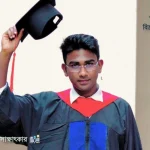
আব্দুল্লাহ-আল-জাবির বাংলাদেশের কৃষি উন্নয়ন কর্পোরেশন (BADC)-এ সহকারী পরিচালক হিসেবে কর্মরত আছেন। তিনি কৃষি অর্থনীতি বিষয়ে স্নাতক ও কৃষি পরিসংখ্যানে স্নাতকোত্তর সম্পন্ন করেছেন। বর্তমানে থাইল্যান্ডের এশিয়ান ইনস্টিটিউট অব টেকনোলজি (AIT)-তে পিএইচডি গবেষণার সঙ্গে যুক্ত আছেন।
তার গবেষণার মূল ফোকাস হলো কৃষি উপকরণের চাহিদা পূর্বাভাস এবং কৃষকের আচরণ ও বাজারের প্রভাব বিশ্লেষণ। তিনি এগ্রিবিজনেস এবং কৃষি উপকরণ সরবরাহ ব্যবস্থায় তথ্যভিত্তিক উন্নত পদ্ধতি তৈরি করছেন। মেশিন লার্নিং ও ডিপ লার্নিং ব্যবহার করে তিনি অতীতের তথ্য থেকে ভবিষ্যতের চাহিদা অনুমান করার চেষ্টা করছেন। এই গবেষণা বাংলাদেশের কৃষি উৎপাদন স্থিতিশীল রাখার এবং কৃষক ও বাজারের মধ্যে সংযোগ উন্নত করার ক্ষেত্রে গুরুত্বপূর্ণ অবদান রাখছে।

💬 প্রশ্নোত্তর পর্ব:
প্রশ্ন: প্রথমেই আপনার সম্বন্ধে আমরা জানতে চাই।
উত্তর: বর্তমানে আমি বাংলাদেশ কৃষি উন্নয়ন কর্পোরেশন (BADC)-এ সহকারী পরিচালক হিসেবে কাজ করছি। একই সঙ্গে থাইল্যান্ডের এশিয়ান ইনস্টিটিউট অব টেকনোলজি (AIT)-এ পিএইচডি গবেষণা করছি। স্নাতকে কৃষি অর্থনীতি পড়েছি। তখন বুঝতে শুরু করি কৃষি শুধু জমি আর ফসলের বিষয় না; এর পেছনে আছে বাজার, সিদ্ধান্ত, ঝুঁকি, নীতি। পরে কৃষি পরিসংখ্যানে স্নাতকোত্তর করি। সেখানে শিখেছি, অনুভূতির পাশাপাশি তথ্য (data) কীভাবে আমাদের বাস্তবতা বোঝায়। এই দুই পথ মিলেই আমার গবেষণার দিক তৈরি হয়েছে।
প্রশ্ন: আপনার গবেষণার বিষয় কি?
উত্তর: আমি মূলত এই প্রশ্ন নিয়ে কাজ করছি, কৃষি উপকরণের চাহিদা আমরা কতটা সঠিকভাবে বুঝতে পারি। এগ্রিবিজনেস নিয়ে কাজ করছি, অর্থাৎ কৃষি উপকরণ কীভাবে বাজারে আসে, কৃষক কেনে, এবং কী কারণে তাদের সিদ্ধান্ত বদলে যায়, সেটা বোঝার চেষ্টা করছি। বিশেষ করে বীজ নিয়ে কৃষকদের চিন্তাধারা, অভিজ্ঞতা, আস্থা এসব বিষয় বিশ্লেষণ করছি।
পাশাপাশি আমি মেশিন লার্নিং ও ডিপ লার্নিং ব্যবহার করছি। সহজভাবে বললে, এগুলো এমন পদ্ধতি যেখানে কম্পিউটার অতীতের অনেক তথ্য দেখে ভবিষ্যতের সম্ভাব্য চাহিদা অনুমান করতে পারে। যেমন আগের বছরের বিক্রি, আবহাওয়া, দাম, কৃষকের আচরণ এসব তথ্য বিশ্লেষণ করে বলা যায় সামনে কোন সময়ে কোন উপকরণের চাহিদা বাড়তে বা কমতে পারে।
প্রশ্ন: আপনার গবেষণার কাজগুলি কিভাবে আমাদের উপকৃত করছে কিংবা করবে?
উত্তর: আমাদের দেশে প্রায়ই দেখা যায় কোনো না কোনো কৃষি উপকরণের ঘাটতি তৈরি হয়েছে। অনেক সময় আমরা আগাম বুঝতে পারি না কখন কী প্রয়োজন হবে। বাংলাদেশ কৃষি উন্নয়ন কর্পোরেশন দেশের একটি বড় অংশের বীজ ও সার সরবরাহ করে। এখানে পরিকল্পনায় সামান্য ভুলও বড় প্রভাব ফেলতে পারে। আমার গবেষণার লক্ষ্য হলো চাহিদা নির্ধারণকে আরও বাস্তবসম্মত ও তথ্যভিত্তিক করা। কৃষকের মানসিকতা, ঝুঁকি নেওয়ার প্রবণতা, অর্থনৈতিক অবস্থা, বাজার পরিস্থিতি এবং জলবায়ু পরিবর্তনের প্রভাব, এসব বিষয় একসঙ্গে বিবেচনা করে একটি উন্নত পূর্বাভাস পদ্ধতি তৈরি করা।
যদি আমরা আগেই জানতে পারি কোথায়, কখন, কতটুকু প্রয়োজন হবে তাহলে সংকট কমবে, পরিকল্পনা উন্নত হবে, এবং কৃষি উৎপাদন স্থিতিশীল রাখা সহজ হবে।
প্রশ্ন: গবেষণা কাজের বিশেষ কোন অভিজ্ঞতা কি আমাদের সাথে শেয়ার করবেন?
উত্তর: ২০১৪ সাল থেকে গবেষণার সাথে যুক্ত আছি। মাঠে কাজ করতে গিয়ে একটা জিনিস আমাকে খুব চিন্তিত করেছে। অনেক সময় কৃষকরা সমস্যায় পড়েন, কিন্তু সমস্যার মূল কারণটা স্পষ্টভাবে বলতে পারেন না। আবার তথ্য সংগ্রহ করতে গিয়ে দেখেছি সঠিক ও নির্ভরযোগ্য তথ্য পাওয়া খুব কঠিন। অথচ গবেষণার প্রাণই হলো তথ্য।
একবার একজন কৃষকের সাথে কথা বলছিলাম। তিনি বলেছিলেন, “এত তথ্য নেন আপনারা, আমাদের তো কোন লাভ হয় না।” এই বাক্যটা আমাকে ভাবিয়েছে। বাস্তবতা আর তথ্যের মধ্যে যে ফাঁক, সেটা পূরণ করাই গবেষকের বড় দায়িত্ব।
প্রশ্ন: একজন বিজ্ঞানীর কি কি গুণ থাকা প্রয়োজন বলে মনে করেন?
উত্তর: প্রথম যে গুণটি থাকা প্রয়োজন, তা হলো ধৈর্য ধরে লেগে থাকার মানসিকতা। গবেষণায় সবসময় প্রথম চেষ্টাতেই কাঙ্ক্ষিত ফলাফল পাওয়া যায় না। কখনো তথ্য বা ডেটায় ভুল থাকতে পারে, কখনো বা আপনার চিন্তার সাথে বাস্তবের মিল নাও থাকতে পারে। এই অপ্রত্যাশিত বিষয়গুলো মেনে নিয়ে, হতাশ না হয়ে পুনরায় চেষ্টা করার মানসিকতা একজন বিজ্ঞানীর অন্যতম বড় গুণ।
এর পাশাপাশি প্রয়োজন তীব্র কৌতূহল, সঠিক প্রশ্ন করার ক্ষমতা এবং প্রযুক্তিগত দক্ষতা। বর্তমানে কৃত্রিম বুদ্ধিমত্তা (AI) বা ডেটা বিশ্লেষণের নতুন সফটওয়্যার ও টুলস ব্যবহার করে গবেষণা করা গুরুত্বপূর্ণ। সততা এবং গবেষণার নৈতিকতা বজায় রাখা অবশ্যই অপরিহার্য।
প্রশ্ন: বাংলাদেশের তরুণ শিক্ষার্থী যারা বিজ্ঞানে কাজ করতে চায় – তাদের জন্য আপনার কোন বার্তা কি?
উত্তর: আমি গবেষণাকে কখনো শুধু পেশা হিসেবে দেখিনি। এটাকে আমি চিন্তার একটি পদ্ধতি হিসেবে দেখি। গবেষণা মানে প্রশ্ন করা, পর্যবেক্ষণ করা, তথ্য বিশ্লেষণ করা, এবং সেখান থেকে অন্তর্দৃষ্টি তৈরি করা।
তুমি তোমার বন্ধুদের নিয়ে গবেষণা করতে পারো, নিজের অভ্যাস নিয়ে গবেষণা করতে পারো, সমাজ নিয়ে করতে পারো। বড় আবিষ্কার না হলেও চলবে। গবেষণা হোক জানার মাধ্যম। চারপাশের ছোট ছোট তথ্য মিলে কিভাবে একটা প্যাটার্ন তৈরি করে সেটা আবিষ্কারের মাধ্যম হোক। গবেষণাকে জীবনের অংশ করে নাও।
📇 যোগাযোগের তথ্য
📧 ইমেইল: [email protected]
🔗 লিঙ্কডইন: https://www.linkedin.com/in/aazabir/
🌐 ফেসবুক প্রোফাইল: https://www.facebook.com/zabir1.618
🌐 ফেসবুক পেইজ: https://www.facebook.com/zabir.insight/
আব্দুল্লাহ-আল-জাবিরের গবেষণা বাংলাদেশের কৃষি উন্নয়নে গুরুত্বপূর্ণ ভূমিকা রাখছে। তার কাজ তথ্যভিত্তিক চাহিদা পূর্বাভাস এবং কৃষক ও বাজারের সংযোগ উন্নয়নে অবদান রাখছে। biggani.org-এর টিম তার গবেষণার প্রতি অঙ্গীকার ও ধৈর্যের জন্য ধন্যবাদ জানাচ্ছে। আশা করি তার কাজ বাংলাদেশের তরুণ বিজ্ঞানীদের জন্য অনুপ্রেরণার উৎস হবে। আমরা তার ভবিষ্যৎ গবেষণার জন্য শুভকামনা জানাই।
Bridging Data and Fieldwork in Agriculture: Abdullah-Al-Zabir Speaks
Abdullah-Al-Zabir serves as an Assistant Director at the Bangladesh Agricultural Development Corporation (BADC). He holds a bachelor’s degree in Agricultural Economics and a master’s degree in Agricultural Statistics. Currently, he is pursuing a PhD at the Asian Institute of Technology (AIT) in Thailand.
His primary research focuses on forecasting agricultural input demand and understanding farmer behavior in relation to market dynamics. He works on agribusiness studies and developing data-driven systems for agricultural input distribution. Using machine learning and deep learning techniques, he analyzes historical sales, weather, pricing, and farmer behavior to predict future demand. His work contributes to stabilizing agricultural production and improving the planning and supply of essential inputs in Bangladesh.
💬 Interview Section:
Question: Could you tell us about yourself?
Answer: I currently work as an Assistant Director at the Bangladesh Agricultural Development Corporation (BADC) and simultaneously pursue PhD research at the Asian Institute of Technology (AIT) in Thailand. I studied Agricultural Economics at the undergraduate level, which helped me realize that agriculture is not just about land and crops, but also markets, decision-making, risk, and policy. Later, I pursued a master’s in Agricultural Statistics, learning how data can reveal real-world insights. These two paths together shaped my research focus.
Question: What is your main research topic?
Answer: I focus on understanding how accurately we can predict the demand for agricultural inputs. I study agribusiness—how agricultural inputs reach the market, how farmers purchase them, and why their decisions change. Specifically, I analyze farmer perceptions, experiences, and trust related to seeds.
I also use machine learning and deep learning. In simple terms, these methods allow computers to analyze historical data and predict future demand. For example, by studying past sales, weather, prices, and farmer behavior, we can estimate when and where demand for certain inputs will rise or fall.
Question: How does your research benefit Bangladesh?
Answer: In our country, shortages of agricultural inputs often occur, and we rarely know in advance when and where they will be needed. BADC supplies a significant portion of seeds and fertilizers in Bangladesh, and even small planning errors can have major consequences.
My research aims to make demand forecasting more realistic and data-driven. By considering farmer behavior, risk-taking tendencies, economic conditions, market situations, and climate change, I develop improved forecasting methods. Knowing in advance where, when, and how much input will be needed can reduce shortages, improve planning, and help stabilize agricultural production.
Question: Could you share any notable experiences from your research work?
Answer: I have been involved in research since 2014. While working in the field, I noticed that farmers often face problems but cannot clearly articulate the root causes. Collecting reliable and accurate data is also challenging. Yet, data is the lifeblood of research.
Once, a farmer told me, “You collect so much data, but we don’t benefit.” This made me realize the importance of bridging the gap between data and reality.
Question: What qualities should a scientist have?
Answer: The first quality a researcher needs is patience. Research rarely yields perfect results on the first attempt. Sometimes the data may have errors, or your hypotheses may not match reality. Accepting unexpected outcomes and trying again without frustration is essential.
Additionally, curiosity, the ability to ask the right questions, and technical skills are important. Today, using artificial intelligence (AI) and data analysis tools effectively is crucial. Integrity and ethical conduct in research are equally vital.
Question: What message would you give to young Bangladeshi students interested in science?
Answer: I have never seen research solely as a profession. I see it as a method of thinking. Research is about asking questions, observing, analyzing data, and deriving insights.
You can research your habits, your surroundings, or society. Even small discoveries matter. Research should be a way to learn and understand patterns in everyday information. Incorporate research into your life, not just publications, and you will see the world differently.
📇 Contact Information
📧 Email: [email protected]
🔗 LinkedIn: https://www.linkedin.com/in/aazabir/
🌐 Facebook Profile: https://www.facebook.com/zabir1.618
🌐 Facebook Page: https://www.facebook.com/zabir.insight/
Abdullah-Al-Zabir’s research plays a vital role in improving agricultural planning in Bangladesh. His work on data-driven demand forecasting bridges the gap between farmers and markets, contributing to stable production and effective resource management. The biggani.org team appreciates his dedication and hopes his research inspires young Bangladeshi scientists. We wish him continued success in his future work.




Leave a comment